
Georgian Open Shelf
A georgian open shelf provides versatile display and storage, bringing period character and practical open tiers to a room.
Georgian Open Shelf
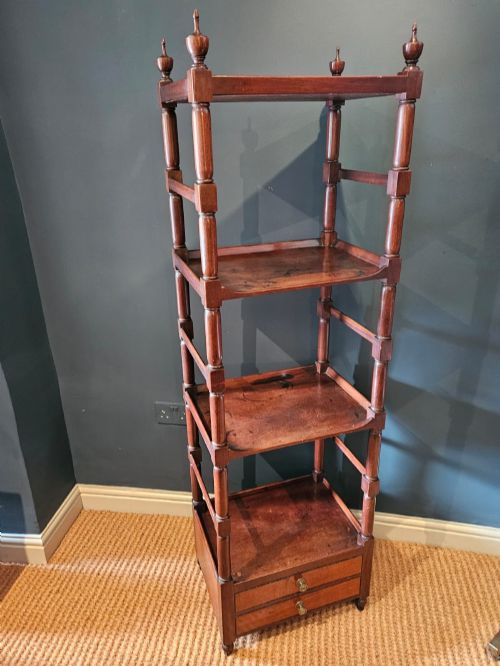
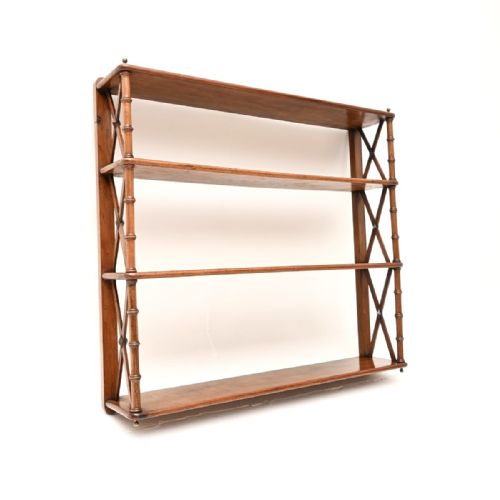
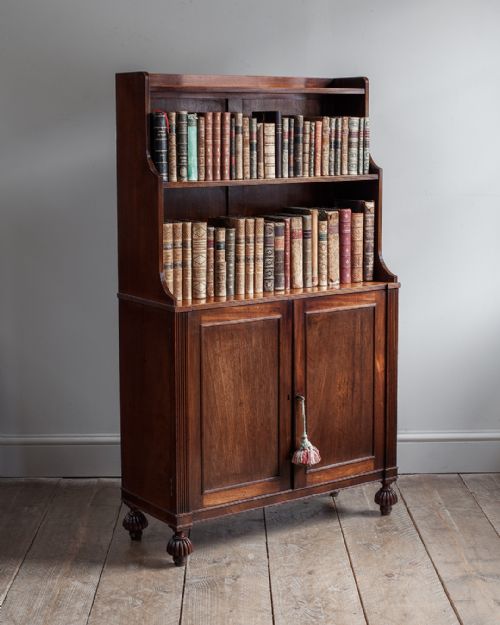
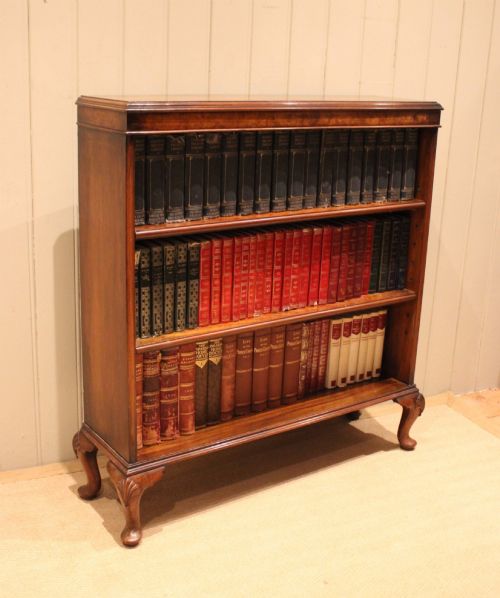
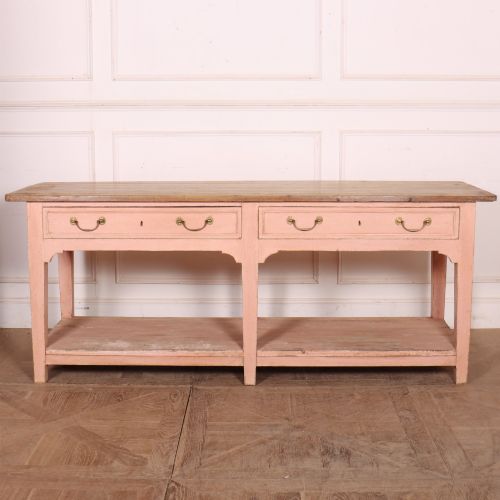
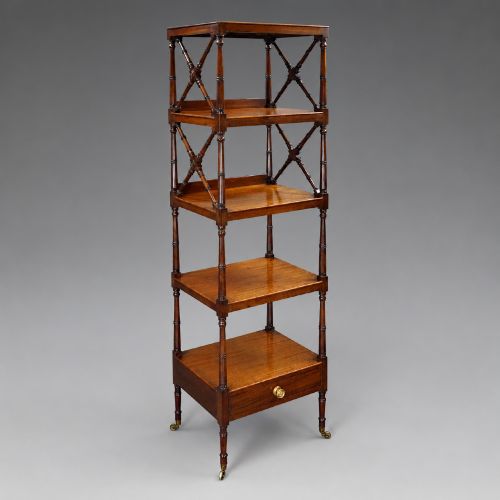
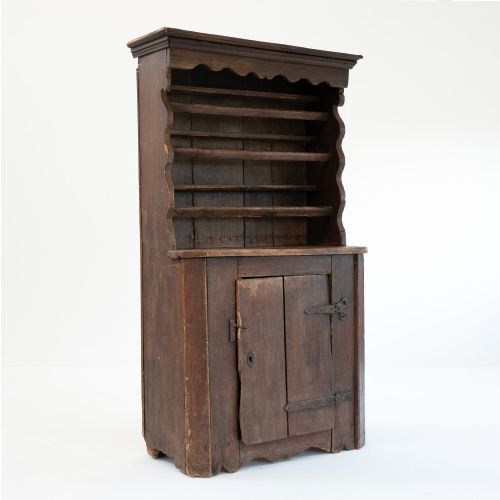
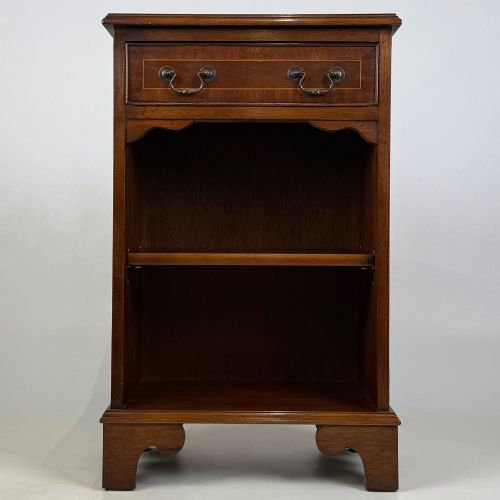
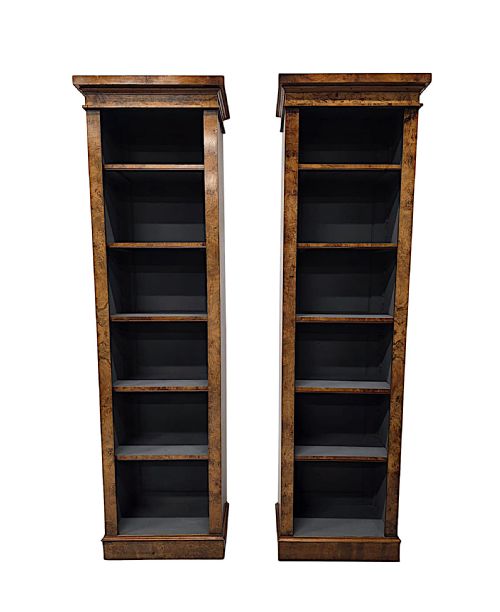
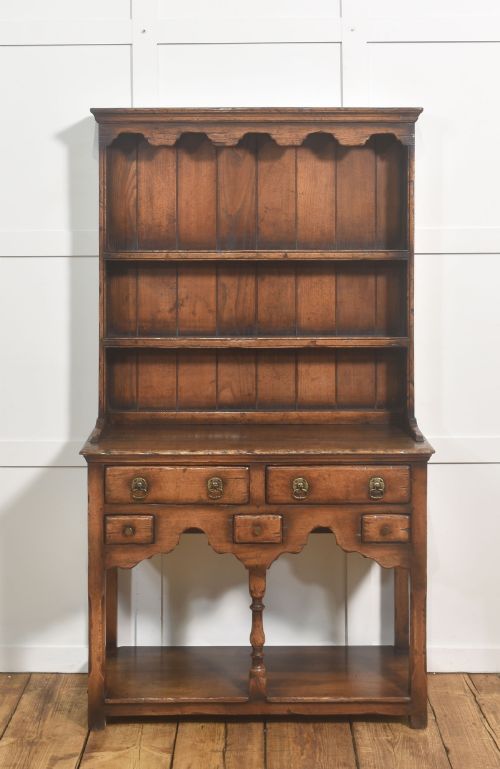
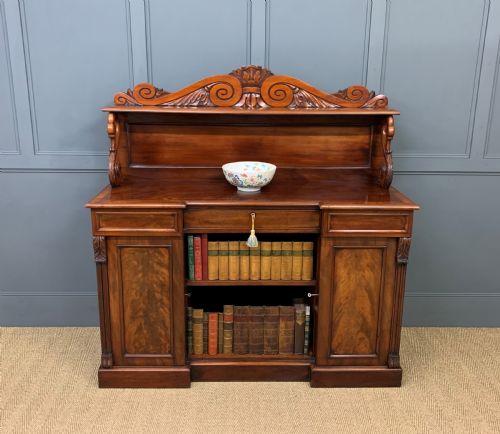
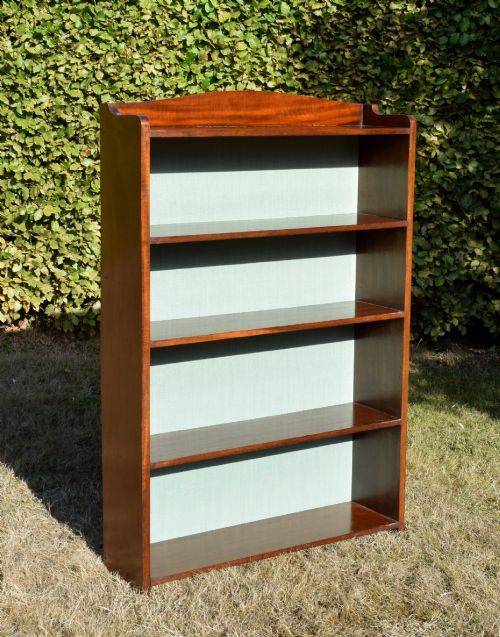
When you search for a georgian open shelf, you encounter bookcases, wall shelves, whatnots, and dressers spanning the Georgian, Regency, and Edwardian periods. Mahogany and oak dominate these forms, offering sturdy platforms for books and ceramics.
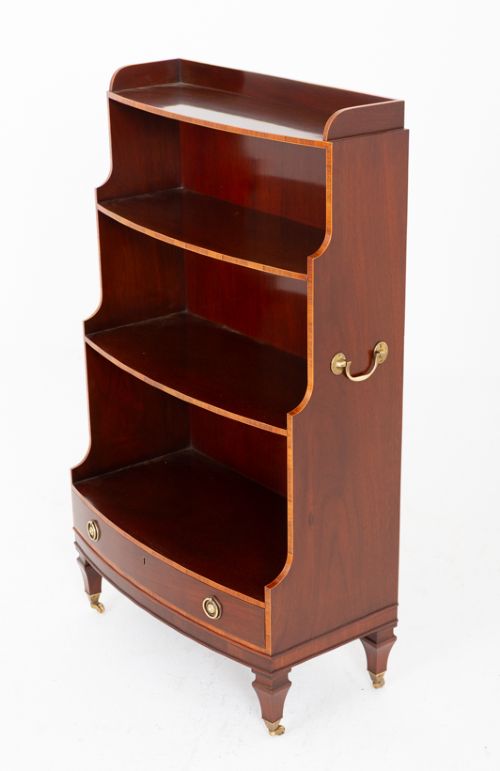
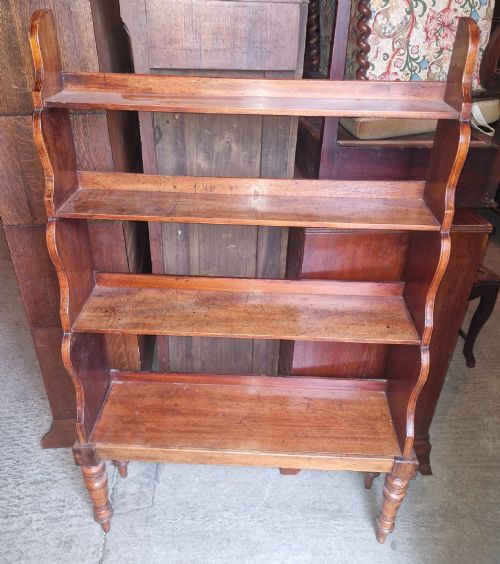
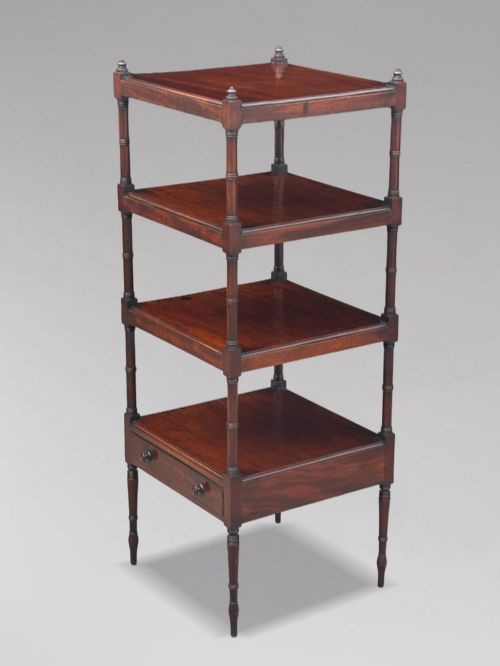
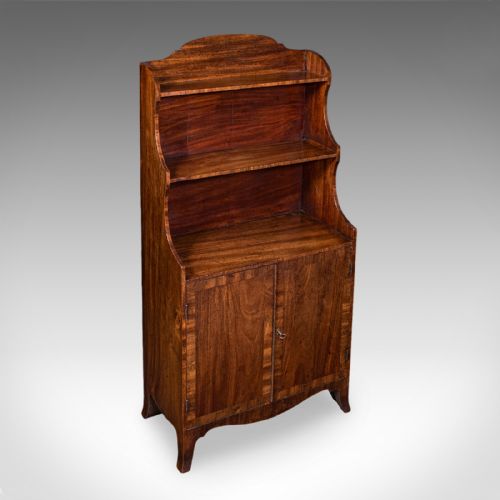
Freestanding bookcases, waterfall designs, and hanging bookshelves appear regularly on this page. The simpler pieces function as utility furniture, while tiered whatnots and inlaid cabinets display finer craftsmanship from the eighteenth and nineteenth centuries.
Materials and construction
Cabinetmakers utilised dense timbers such as mahogany, oak, walnut, and satinwood to build these open structures. Brass fittings and painted finishes appear on select pieces from the Georgian and Regency periods.
Joinery techniques ranged from straightforward pegged joints in country pieces to delicate waterfall tiers and inlaid veneers in formal town furniture. Timber selection determined whether a piece received a clear polish or a painted coat.
Listings feature mahogany, oak, walnut, and satinwood across periods spanning the eighteenth, nineteenth, and early twentieth centuries.
Distinctions in quality
Timber selection and figure govern the visual appeal, with flame mahogany, burr walnut, and figured satinwood standing apart from standard utility pine and plain oak. The crispness of turning on whatnot columns and the delicacy of shelving tiers separate ambitious workshops from regional joiners.
Proportion and restraint define superior examples. Pieces with balanced proportions and original surfaces hold greater integrity than altered or heavily restored variants.
Gillows·Waring and Gillows
The Georgian Open Shelf Glossary
- Waterfall bookcase
- A set of open shelves stepped back progressively from bottom to top. This form emerged during the Regency period and remained popular through the Edwardian era.
- Whatnot
- A tiered open shelving unit designed for displaying ornaments or books. Examples range from simple bedside stands to tall music stands.
- Dresser base
- A low cabinet featuring drawers or cupboards, often paired with an open plate rack. Country versions in oak and pine served utilitarian kitchen functions.
- Chiffonier
- A low cabinet with shelves above or enclosed storage below. These compact pieces suit smaller spaces.
Georgian Open Shelf: Frequently Asked Questions
How do I style an open shelf?
Balance books with ceramics and small objects across the tiers. Leave some space empty to maintain visual lightness.
Mix vertical book stacks with horizontal placements to create natural focal points within the room.
Are these shelves suitable for heavy books?
Solid mahogany and oak versions provide robust support for large volumes. Adjustable shelving allows you to accommodate varying book heights.
Check shelf thickness and bracket support before loading heavier editions onto antique tiers.
How do I tell a Georgian piece from later revivals?
Examine timber patination, secondary woods in drawer linings, and construction marks. Georgian pieces display period-specific joinery and hand-cut fixings.
Revival pieces from the Edwardian period often utilise machine-sawn elements while imitating earlier styles.
Where should I place a wall mounting bookcase?
Secure wall-hung shelves to structural studs using appropriate fixings to support the weight of books. Position them at eye level above desks or seating areas.
Ensure adequate clearance from direct heat sources to protect dry antique timber.