




Georgian Painted Bookcase
A georgian painted bookcase brings rich colour and enduring utility to a room through centuries of traditional cabinet work.
Georgian Painted Bookcase
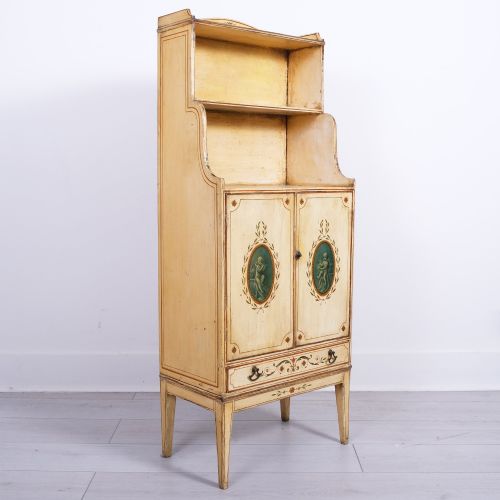
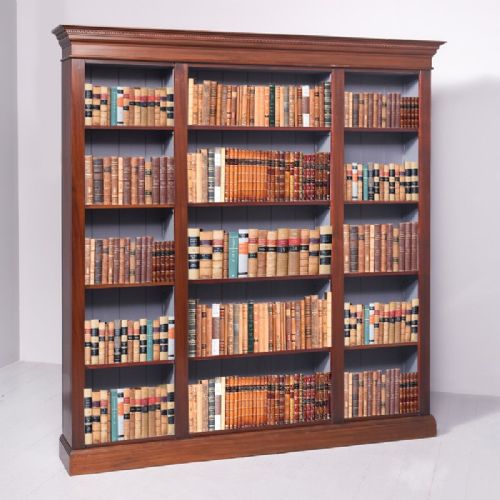
A georgian painted bookcase offers substantial storage for books and display across various forms including breakfronts, bureau bookcases, and corner cabinets. These pieces combine practical shelving with decorated surfaces spanning the eighteenth century, the regency era, and later revival periods.
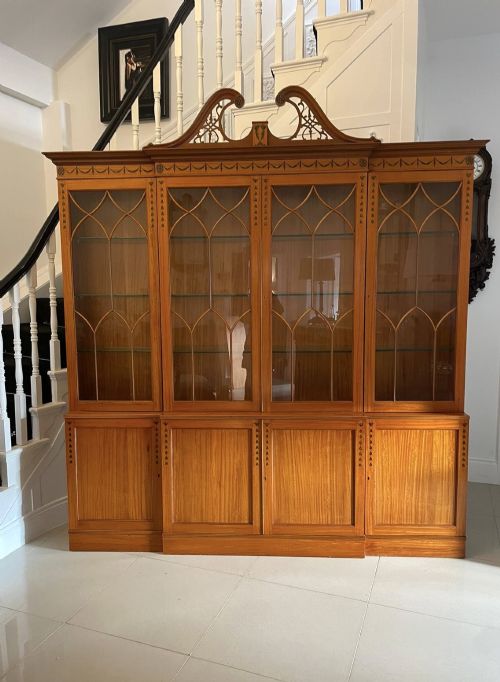
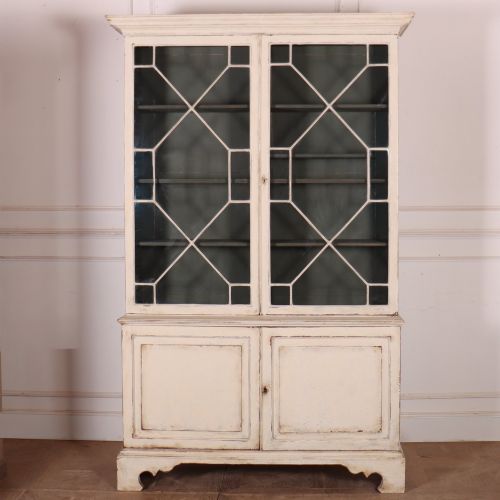
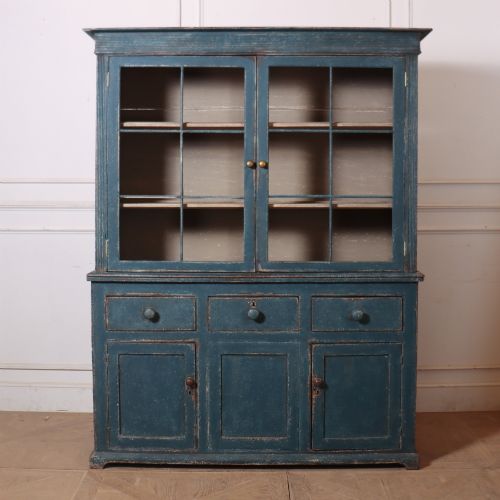
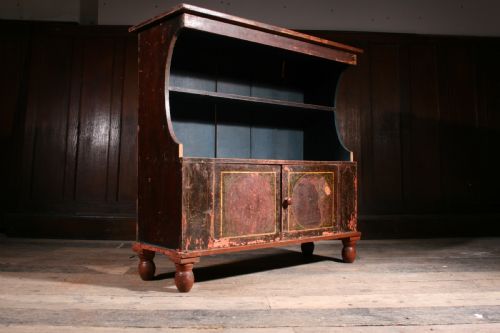
The selection ranges from large satinwood breakfront display cabinets with original painted decoration to smaller pine or timber cupboards originating from the West Country. Buyers encounter formal satinwood pieces alongside rustic country dressers and glass-fronted library cases.
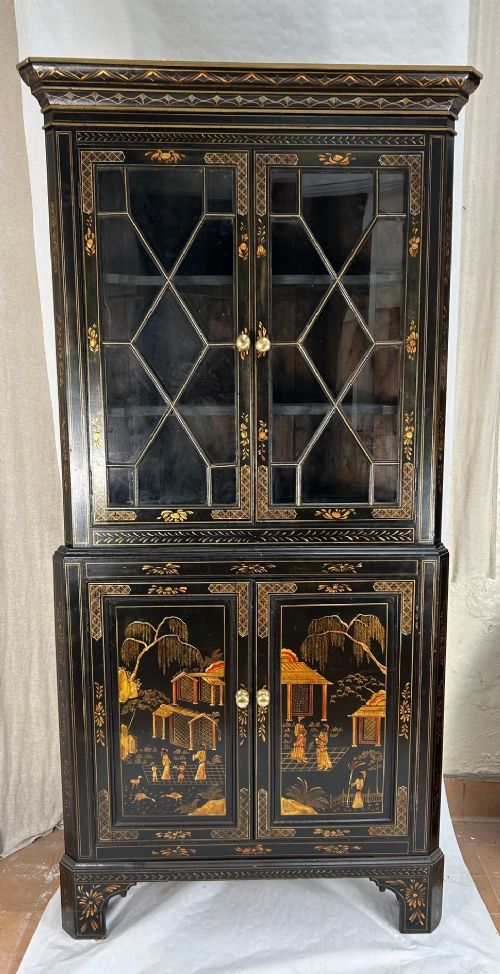
Originating from English, Scottish, and Irish workshops, these cabinets display styles from simple English country designs to elaborate Sheraton revival and Chinoiserie aesthetics. Each piece demonstrates the enduring appeal of painted timber surfaces combined with functional domestic storage.
How they were made
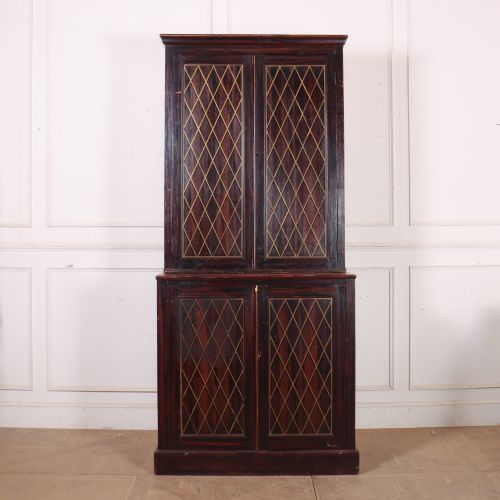
Cabinet makers built these pieces using solid timbers such as pine and satinwood, applying paint finishes directly to the wood to create decorated surfaces. Some examples incorporate simulated rosewood or gilded details alongside brass hardware and glass panels for doors.
Construction techniques include glazed astragal fronts, breakfront frameworks, and intricate painted or inlaid decorations executed by hand. Workshops utilised traditional joinery methods suited to large library bookcases, corner cupboards, and kitchen dressers.
Listings feature pieces spanning the 18th, 19th, and 20th centuries, utilising materials such as satinwood, pine, brass, and glass.
What varies in quality
Quality differentiates through the finesse of the painted decoration, ranging from simple country surface coats to finely executed satinwood artwork and gilding. The choice of primary timber, such as dense satinwood versus utilitarian pine, marks a distinct tier in craftsmanship.
Proportion and scale distinguish grand breakfront library bookcases from regional kitchen dressers and corner cupboards. The sophistication of architectural details like astragal glazing bars and proportioned cornices elevates certain pieces above standard utility furniture.
Edwards & Roberts
The Georgian Painted Bookcase Glossary
- Breakfront
- A cabinet design where the central section projects forward from the flanking wings. This configuration creates architectural depth on large library bookcases and display units.
- Astragal
- A moulding profile used to hold glass panes within a cabinet door. These slender wooden bars divide the glazed area into geometric panes.
- Satinwood
- A hard, durable timber with a natural golden sheen often used for high-status cabinet making. It provides a smooth ground for delicate painted decoration.
- Bureau bookcase
- A dual-purpose piece featuring a sloping desk flap below upper shelving or cupboard doors. It combines a writing surface with enclosed book storage.
- Chinoiserie
- A decorative style employing European interpretations of Chinese artistic motifs. Painted cabinets in this manner feature oriental figures, landscapes, and floral patterns.
Georgian Painted Bookcase: Frequently Asked Questions
How do I date a painted bookcase?
Dating relies on combining stylistic evidence with construction methods and timber choices. Pieces from the eighteenth century often display hand-mixed pigments and traditional joinery distinct from later revival periods.
Examining the interior woodwork and secondary timbers helps confirm whether a painted finish is original to the period or a later application.
Are painted finishes on these bookcases original?
Many pieces retain their original painted decoration or early pigment layers applied during manufacture. Others received decorative updates during nineteenth or twentieth-century revival periods.
Assessing the wear patterns and interaction between the paint and underlying timber helps determine the chronological age of the surface.
Where were these bookcases made?
Production occurred across English, Scottish, and Irish workshops, ranging from urban cabinet makers to regional West Country joiners. City workshops often utilised exotic woods like satinwood for formal commissions.
Regional makers relied more frequently on local pine and timber to build practical kitchen dressers and corner cupboards for domestic use.