
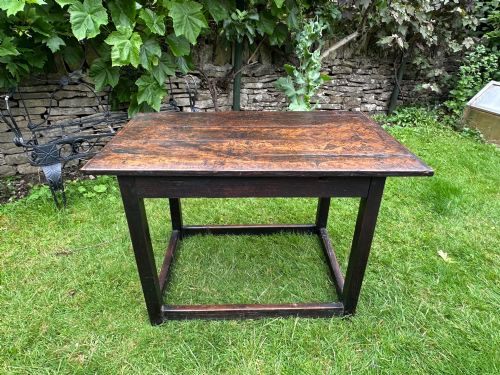
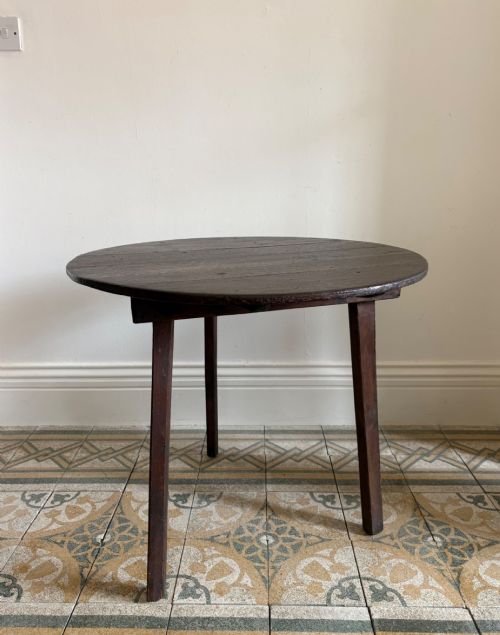


Georgian Oak Tavern Table
A georgian oak tavern table is a sturdy, honest survivor built for public houses, offering a warm timber surface that brings immediate history to a modern room.
Georgian Oak Tavern Table
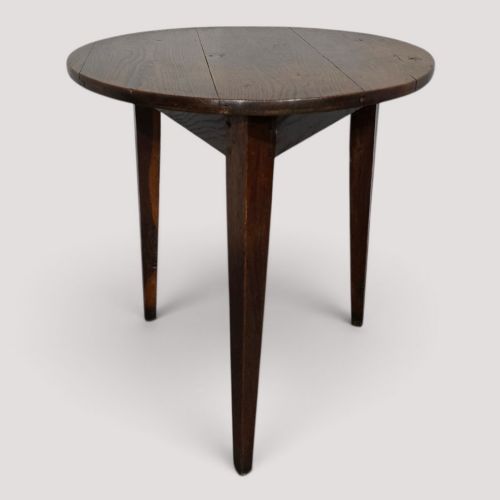
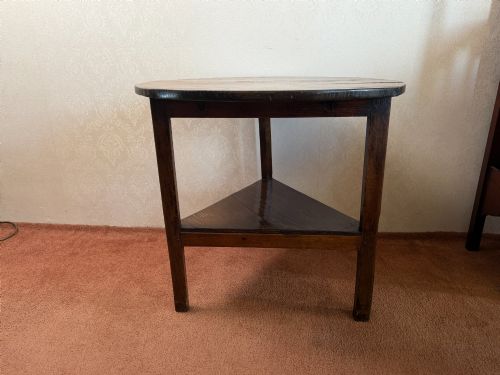
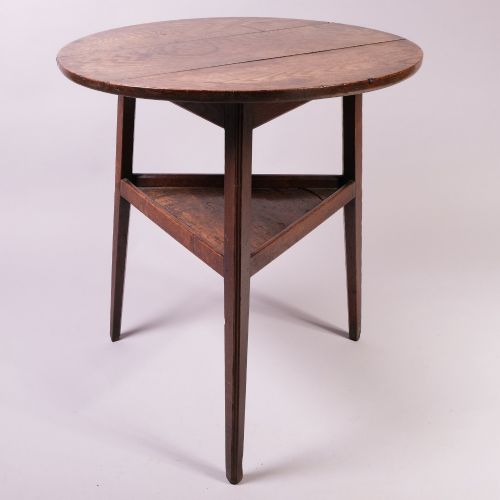
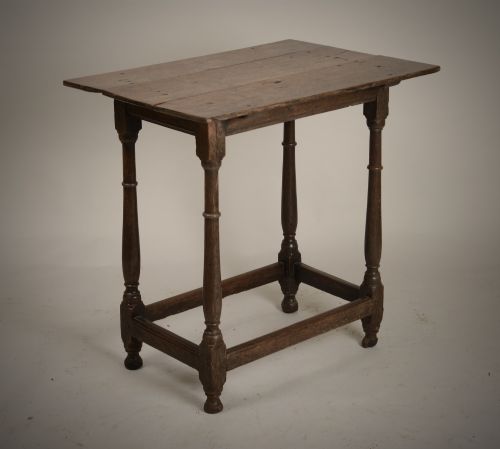
When you search for a georgian oak tavern table, you are looking at robust domestic and commercial furniture produced primarily across the eighteenth and nineteenth centuries. These pieces encompass various forms including plank top tables, cricket tables, side tables, and occasional tables designed for heavy everyday use.
The versions you are most likely to meet on this page span the Georgian and 18th century periods, often categorized under English and Welsh vernacular or rustic country styles. They appear in forms ranging from compact three-legged cricket tables to larger refectory and trestle formats.
Many of these tables combine a primary timber top with supportive underframes, sometimes utilising secondary woods like pine alongside the dominant oak, elm, ash, and timber. They represent the practical craft of historic workshops rather than courtly luxury.
How they were made
Makers constructed these tables using solid native hardwoods, pairing heavy oak or elm tops with sturdy frames built from ash, pine, and timber. Simple iron fixings or traditional joinery secured the structure to withstand constant public or domestic demands.
Plank tops were joined and smoothed to create durable surfaces, while turned or tapered legs provided stable support on uneven flagstone floors. The resulting construction prioritised utility and strength above decorative flourish.
What varies in quality
The distinction between ordinary and exceptional examples rests in the depth of timber colour, natural surface patina, and the proportion of the base to the top. Tables retaining untouched, mature surfaces show the rich grain accumulated through centuries of honest service.
Structural integrity and the retention of original timber components also divide the standard examples from the finest survivals. Pieces displaying minimal replacement parts and honest patination command greater appreciation among collectors.
The Georgian Oak Tavern Table Glossary
- Cricket table
- A small, usually three-legged circular table made of native timber, popular for its stability on uneven floors. These portable pieces served versatile roles in domestic settings.
- Plank top
- A table top constructed from wide boards of solid timber joined together edge to edge. This method formed the durable surface characteristic of vernacular tables.
- Vernacular
- Furniture designed for everyday local use by country craftsmen rather than following formal urban court styles. These pieces reflect regional materials and practical needs.
- Refectory table
- A long, narrow dining table traditionally used in communal dining halls and later adapted for domestic kitchens and taverns. They provide substantial surface area supported by heavy stretchers.
- Trestle table
- A table comprising horizontal beams supported by two or more vertical legs or frames at each end. This design allows for maximum legroom beneath the surface.
Georgian Oak Tavern Table: Frequently Asked Questions
What is a tavern table?
A tavern table is a robust wooden table historically used in public houses, inns, and domestic farmhouses for dining and drinking. Their heavy construction allowed them to endure the daily wear of busy communal environments.
Today, these tables function well as central dining surfaces or writing desks in period and modern interiors alike.
How do I date an oak table?
Dating an old oak table involves examining the tool marks, joint construction, and the type of timber used in the secondary framing. Hand-sawn boards and pegged joints usually point to eighteenth-century or earlier craftsmanship.
Patina and wear patterns accumulated over generations also offer reliable clues to a piece's age and history.
What is a cricket table?
A cricket table is a small, three-legged occasional table, typically featuring a round wooden top. The three-legged design ensured the table remained stable on uneven flagstone or rush-strewn floors.
They were easily moved around a room and served multiple purposes in historic homes.
Are these tables solid oak?
While many pieces feature primary surfaces of solid oak or elm, craftsmen frequently utilised secondary woods like pine or ash for the frames and undersides. This mixed-timber construction was standard practice in regional vernacular workshop production.
Examining the underside reveals the combination of timbers used by the original maker.
How do I care for antique oak?
Caring for antique oak involves keeping the timber away from direct heat sources and sudden humidity changes to prevent splitting. Regular dusting with a dry cloth helps preserve the natural finish and accumulated patina.
Occasional application of suitable wax maintains the moisture and sheen of the historic wood.