
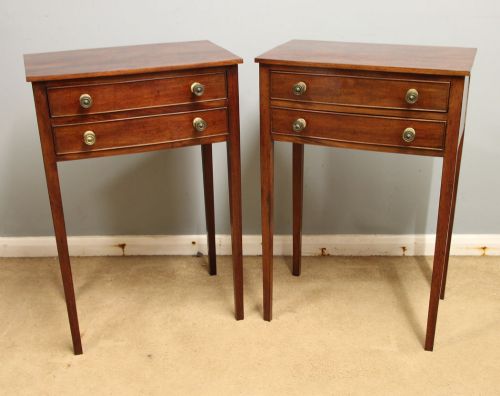
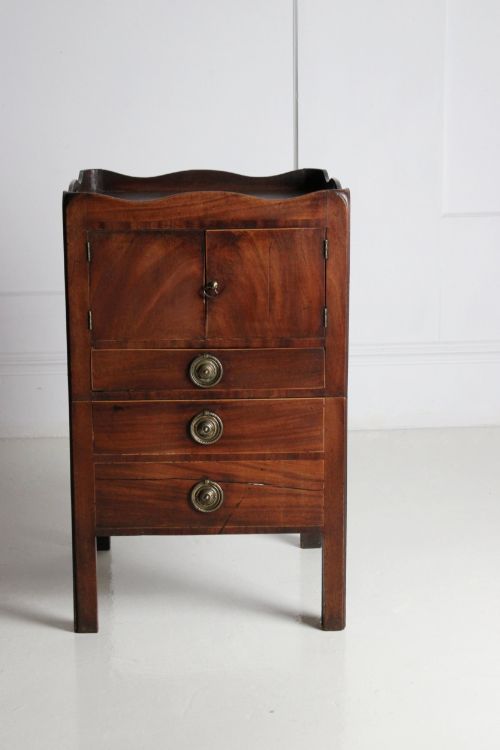
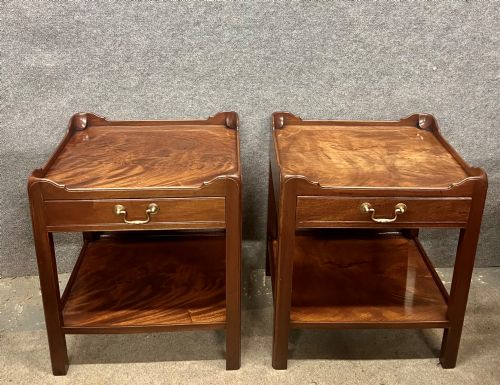
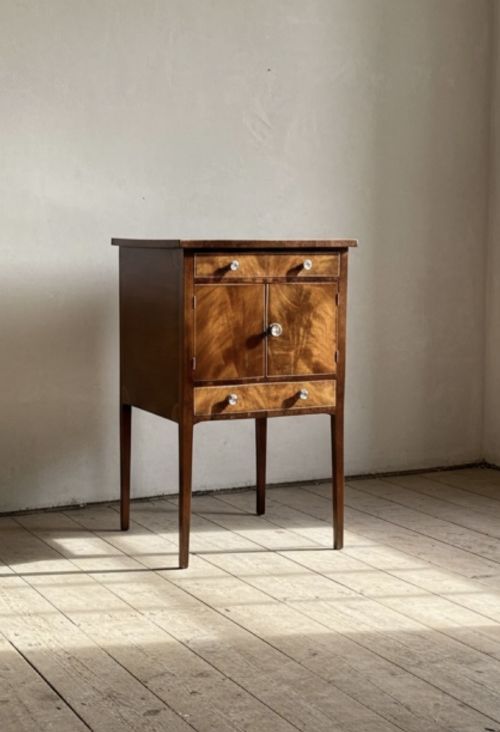
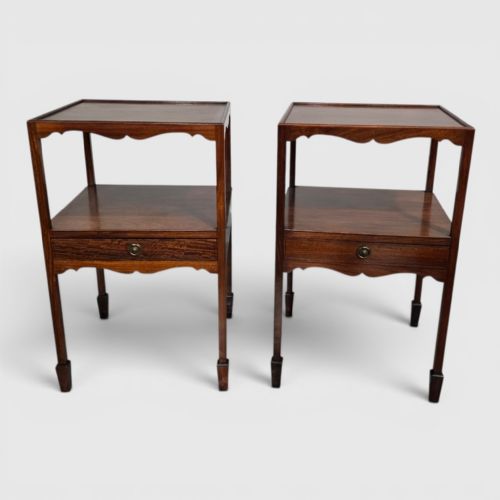
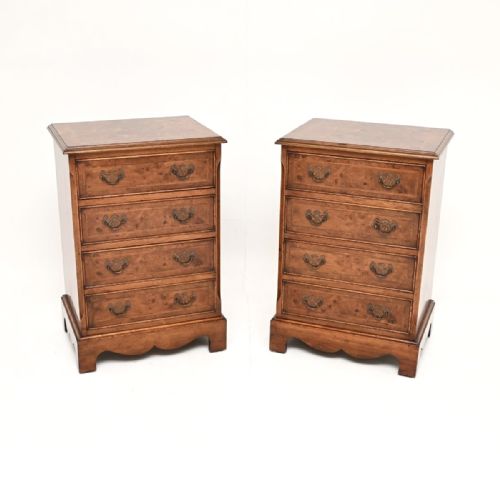

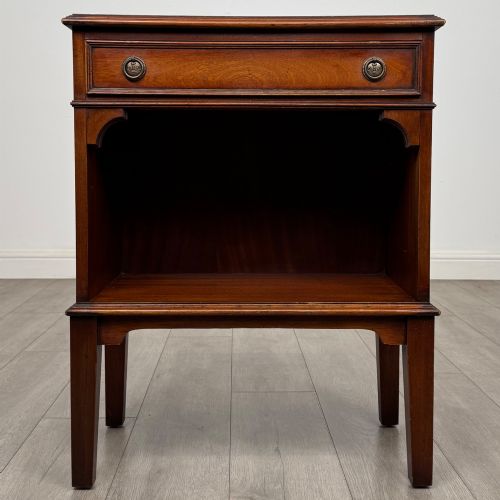
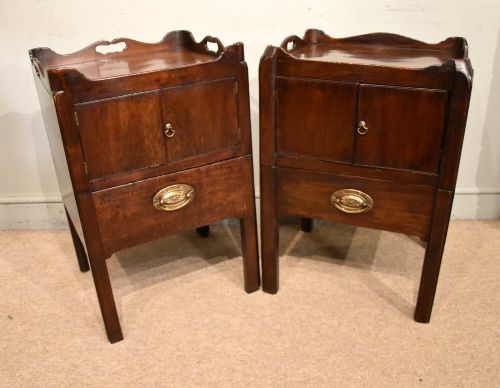
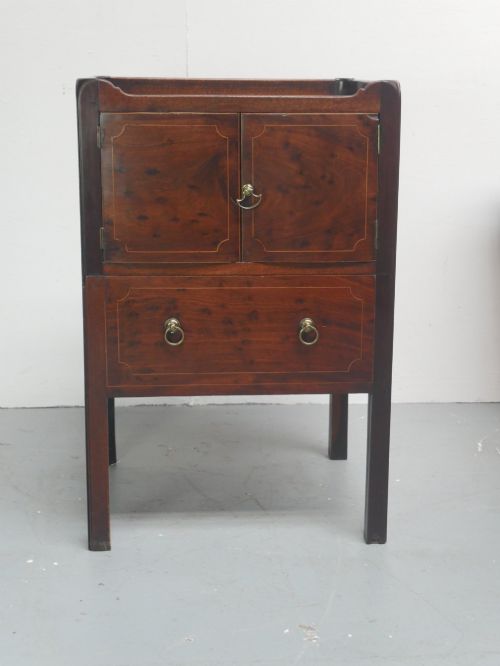
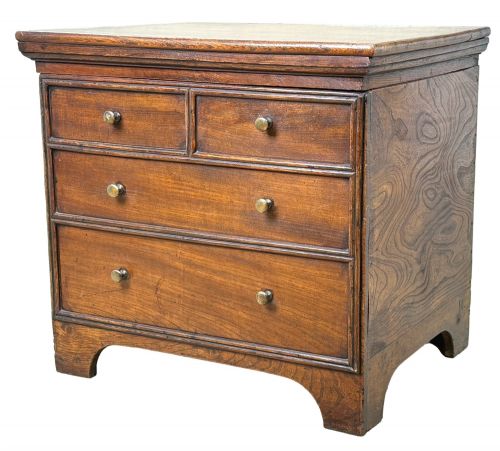
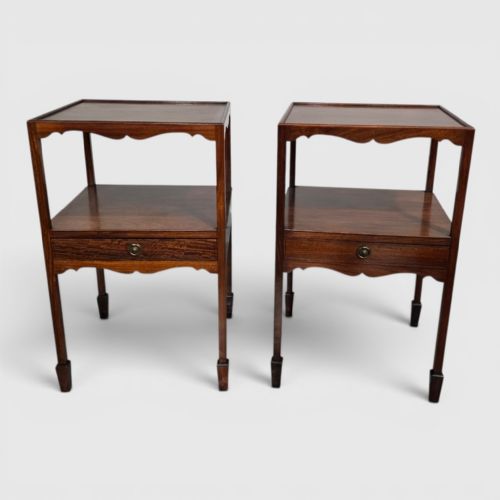
Georgian Night Cabinet
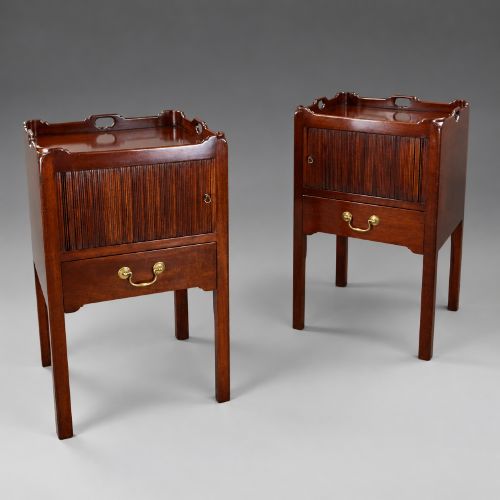
These georgian night cabinet pieces are compact bedside cupboards and tables built to hold chamber pots or wash gear, offering timeless timber storage.
Georgian Night Cabinet
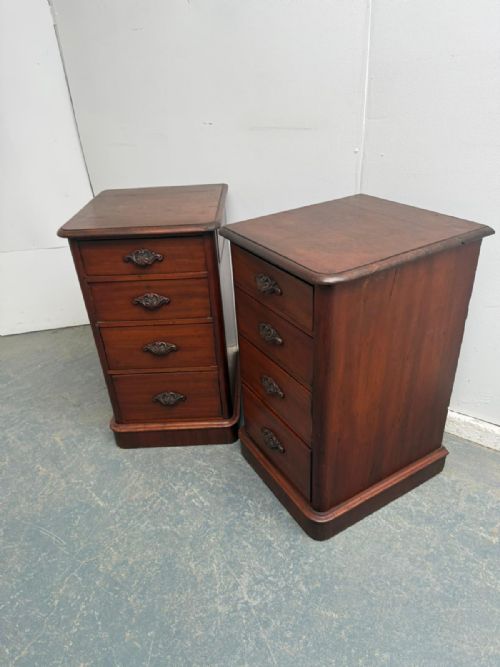
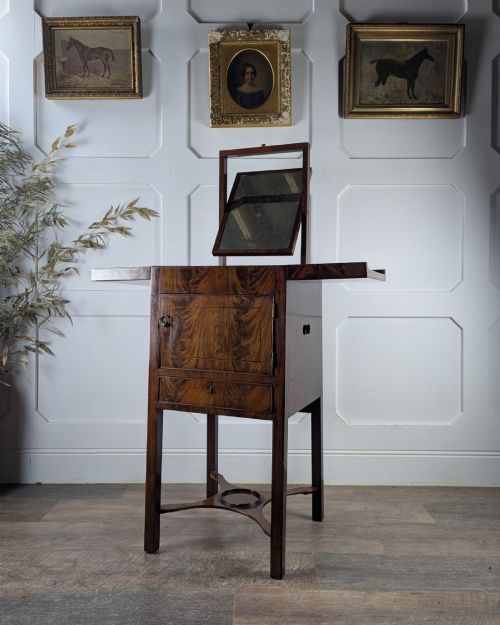
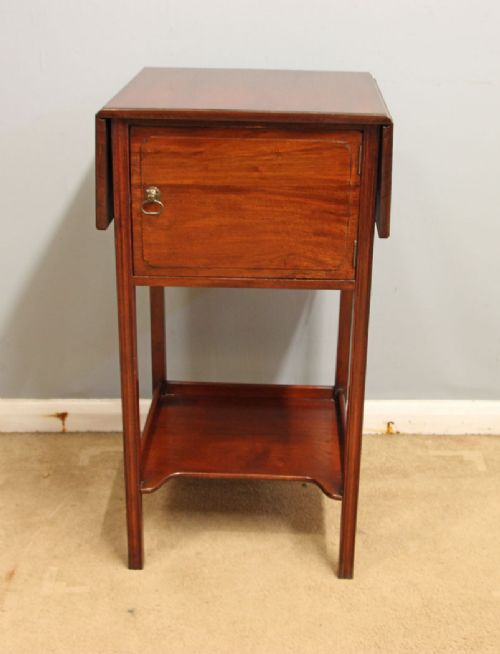
When you search for a georgian night cabinet, you examine compact bedside furniture designed for eighteenth and nineteenth century bedrooms. The most frequent versions you meet here are mahogany bedside cupboards, pot cupboards, and tray-top commodes from the Georgian and Regency periods.
Makers produced these forms to conceal chamber pots or hold washing equipment beside the bed, giving them enclosed lower cabinets or drawers. Alongside genuine period examples, you will encounter later revival pieces from the twentieth century built in Georgian and Sheraton styles.
What varies in quality
Timber selection separates standard production from superior pieces, with dense Cuban mahogany and well-matched burr walnut veneers commanding greater attention. The crispness of boxwood inlay and the fidelity of revival joinery dictate the visual weight of each cabinet.
Proportion and utility also separate examples, as neat domestic dimensions and clever folding mechanisms reflect higher workshop ambition. Original brass hardware and undisturbed interior compartments maintain the integrity of the piece.
Listings span pieces from the Georgian era through nineteenth-century Regency and twentieth-century revival periods, constructed in mahogany, walnut, elm, and brass.
The Georgian Night Cabinet Glossary
- Pot cupboard
- A small bedside cabinet originally built to enclose a chamber pot. These pieces usually feature a door above a concealed lower section.
- Commode
- A enclosed bedside chest or cabinet often housing a commode seat or pan. Eighteenth-century versions frequently employ serpentine or tray tops.
- Tray top
- A raised rim around the upper surface of a table or cabinet. This feature prevented water jugs and bottles from sliding off.
- Tambour
- A flexible shutter made from narrow strips of wood glued to canvas. It slides in tracks to close off a cabinet opening.
- Cuban mahogany
- A dense, dark hardwood imported from the Caribbean. Cabinet makers favoured it for its rich grain and durability during the eighteenth century.
Georgian Night Cabinet: Frequently Asked Questions
What is a georgian night cabinet used for?
These cabinets served bedrooms by holding chamber pots, wash basins, or nighttime necessities out of sight.
Today they function as compact bedside tables or lamp tables that bring historical timber into modern rooms.
How do I date a georgian night cabinet?
Dating relies on timber species, construction methods, and hardware styles found across the piece.
Eigteenth-century examples display solid mahogany and hand-cut dovetails, while twentieth-century revivals show later secondary woods.
Are all these cabinets from the eighteenth century?
The selection includes genuine eighteenth-century and Regency pieces alongside twentieth-century revival interpretations.
Revival pieces from the 1900s to the 1930s replicate earlier Georgian and Sheraton proportions using period materials.
What timber was used most often?
Mahogany dominates the evidence, appearing in plain, Cuban, and flame varieties across multiple decades.
Walnut and burr walnut veneer also appear alongside decorative boxwood inlay and brass fittings.