
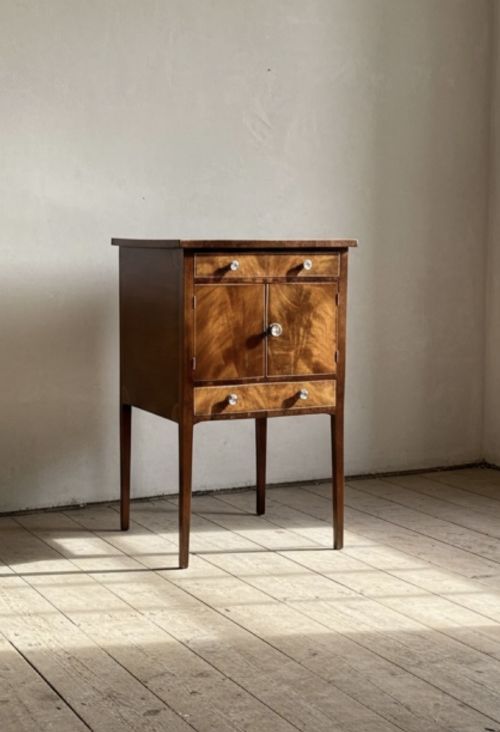

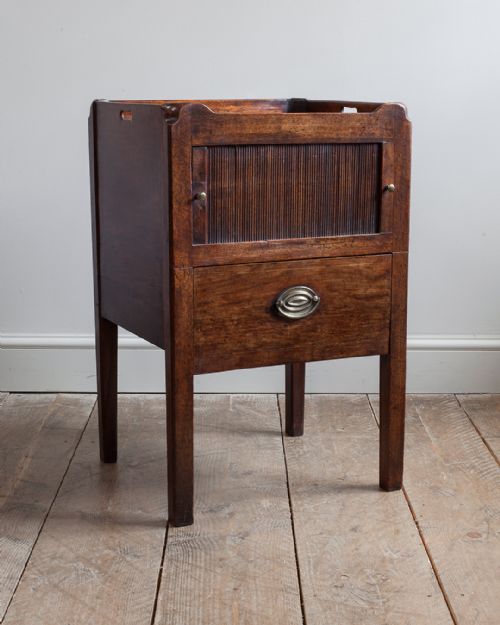
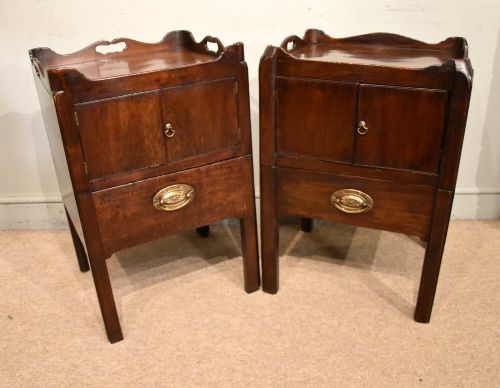
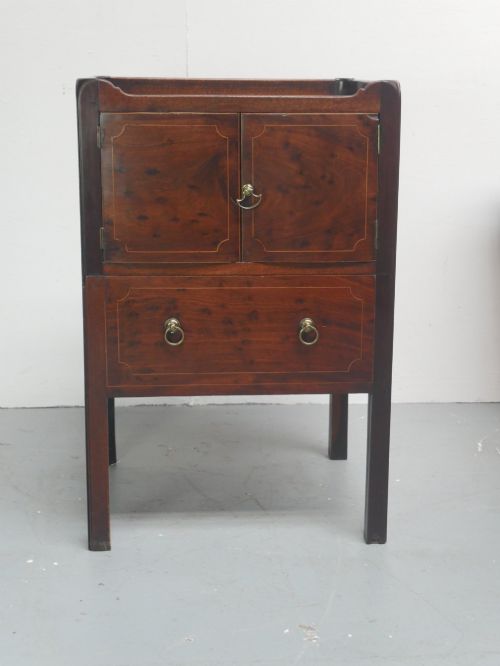
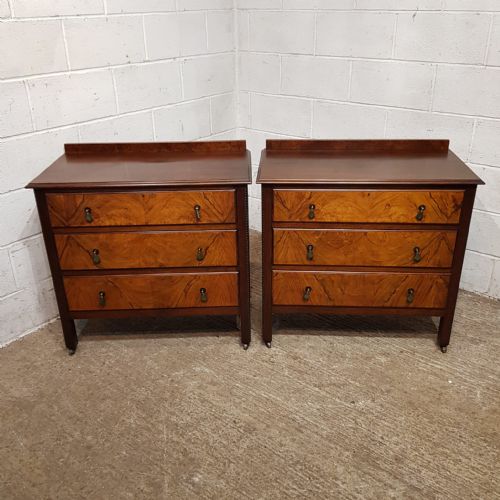
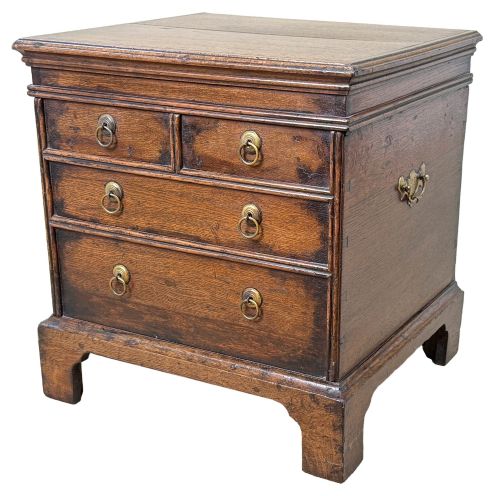
Georgian Commode Table
A georgian commode table offers sturdy timber construction and compact proportions, serving bedside or occasional use with period elegance.
Georgian Commode Table
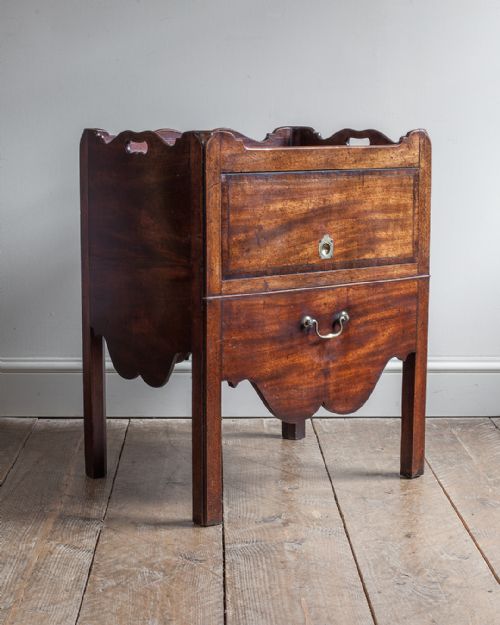
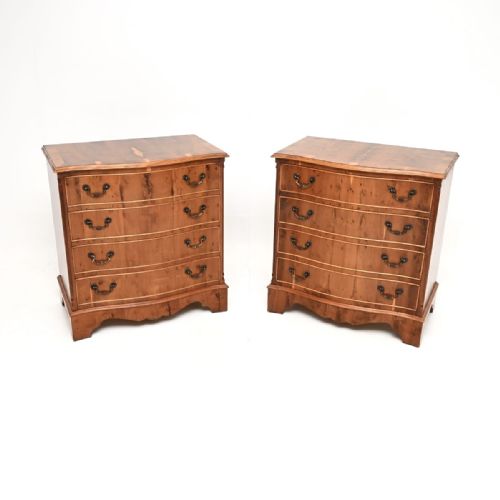
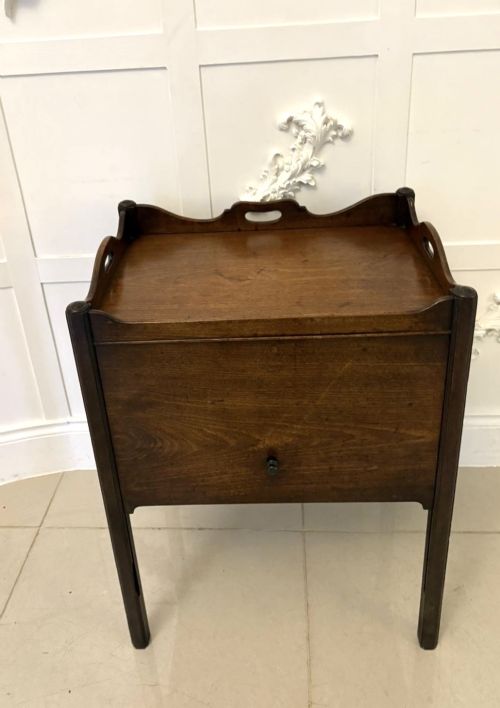
When searching for a georgian commode table, you are looking at small domestic furniture pieces primarily designed as bedside cabinets, nightstands, and close stools. The evidence shows these forms span the Georgian, 18th century, and Regency periods, alongside later revival pieces.
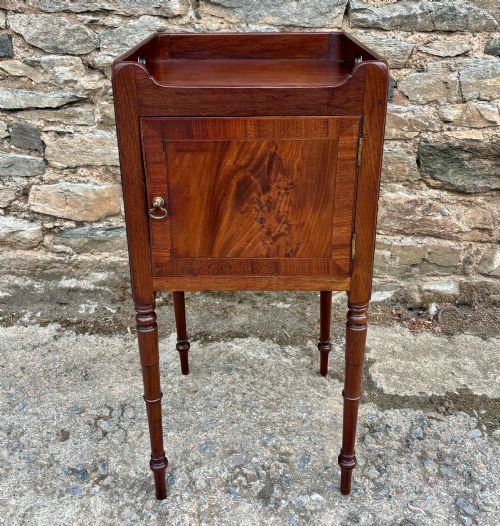
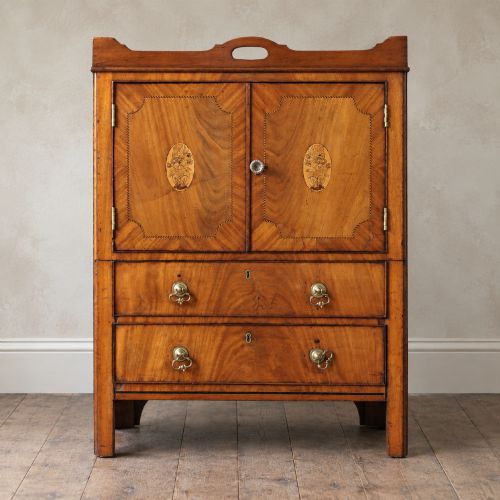
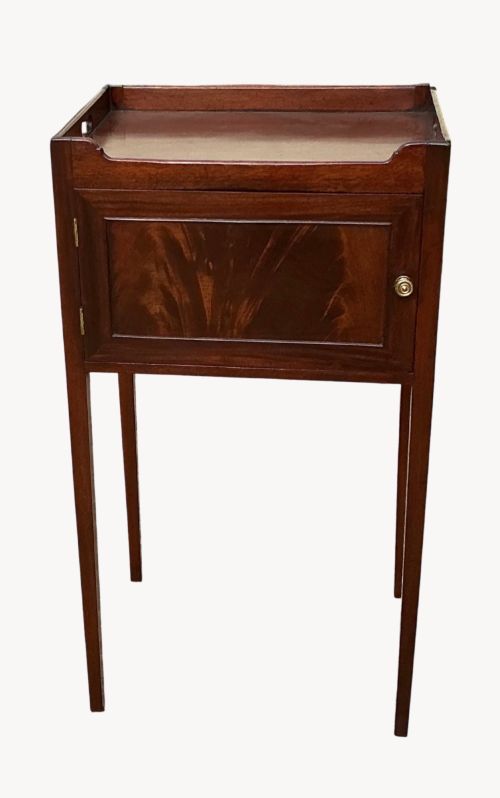
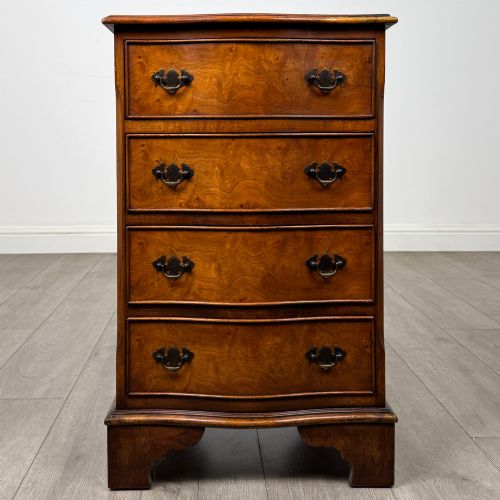
You are most likely to meet mahogany bedside cupboards and tray top commodes on this page, as these timber forms dominate the current listings. Other variations include side tables, occasional tables, and small chests of drawers originating from both the 18th and 19th centuries.
The selection ranges from George III period pieces to Edwardian and 1920s revivals, giving you a mix of original antique items and later interpretations. Forms such as the tray top pot cupboard and the cylindrical bedside cupboard appear frequently in the recorded stock.
Materials and construction methods
Makers utilised solid timbers predominantly, with mahogany forming the primary structural material across the majority of pieces. Flame mahogany veneer, burr walnut, walnut, and oak also appear, providing varied grain patterns and rich surface textures.
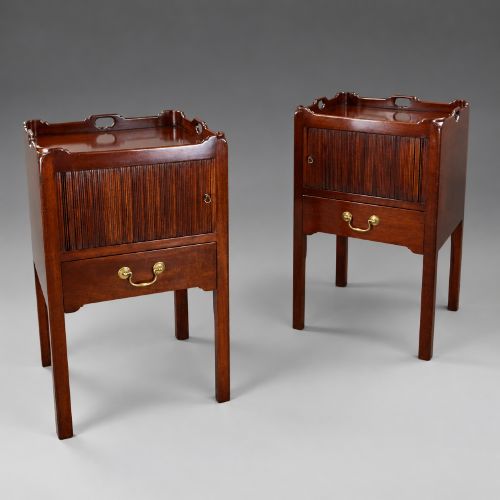
Decorative details rely on boxwood inlay and brass hardware, adding subtle contrast to the dark wood surfaces. Construction techniques include tray tops designed to secure items placed on the upper surface, alongside tambour fronts and fitted cupboards.
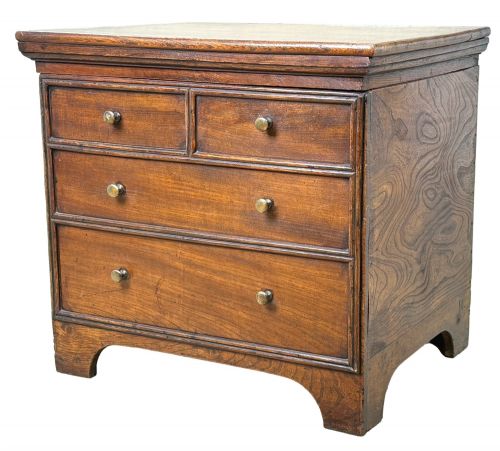
An elm close stool hides its practical origins behind the charming facade of a tiny bedside chest.
Distinctions in quality
The standard of a georgian commode table rests on the selection of timber, such as figured flame mahogany veneer or burr walnut, paired with crisp boxwood inlay. Superior pieces display refined proportions and deliberate attention to secondary woods used in internal framing.
Execution of functional elements like tambour fronts, close stool interiors, and tray top edges demonstrates the maker's skill. Original brass fittings and the preservation of authentic surface patination further distinguish higher-tier examples from later revivals.
The Georgian Commode Table Glossary
- Tray top
- A raised rim around the upper surface designed to prevent items from rolling off. This feature appears frequently on 18th century bedside commodes.
- Close stool
- A piece of furniture enclosing a commode pan for sanitary use, often disguised as a small bedside chest. These date primarily from the 18th century.
- Tambour
- A flexible shutter made of narrow vertical strips of wood glued to canvas, allowing curved cupboard doors to slide open smoothly. It is seen on select George III pieces.
- Nightstand
- A small bedside table or cabinet utilised for holding a candle, chamber pot, or personal items during the night. The category includes pot cupboards and bedside tables.
- Serpentine
- A gently undulating curved line found on the front edges of drawers and tabletops. This outline demands precise woodworking skill.
Georgian Commode Table: Frequently Asked Questions
What is a georgian commode table used for?
These pieces function primarily as bedside cabinets, nightstands, or small storage cupboards within the bedroom. Historically, many served as close stools or washstands before adapting to general lamp and side table use.
Their compact size allows them to sit beside a bed or in small reception spaces while providing enclosed storage behind doors or drawers.
How do I tell an original 18th century piece from a revival?
Original pieces display authentic period construction methods, timber ageing, and hand-cut joinery consistent with 18th or early 19th century workshops. Revival pieces, such as those from the Edwardian era or the 1920s, often utilise machine-made elements and standardised secondary woods.
Examining the interior linings, drawer runners, and block letters or labels helps confirm the actual period of manufacture recorded in the listing.
What is the difference between a commode and a bedside cabinet?
In the context of these listings, the terms often overlap to describe small enclosed wooden stands placed beside a bed. A traditional commode might conceal a close stool or chamber pot, whereas a bedside cabinet focuses on shelf storage.
Both forms share similar heights and footprints, making them interchangeable for modern domestic placement.
How do I care for mahogany and walnut furniture?
Maintain these timber surfaces by keeping them away from direct sunlight and sudden temperature changes that cause wood to warp or dry out. Dust regularly with a soft, dry cloth and apply occasional natural wax to nourish the polish.
Avoid liquid polishes containing silicone, which can build up and degrade the antique finish over time.