
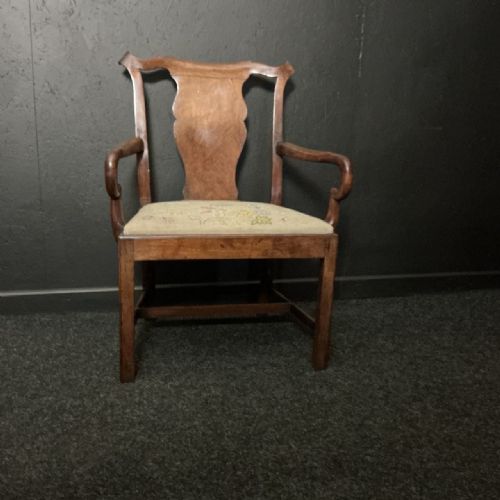
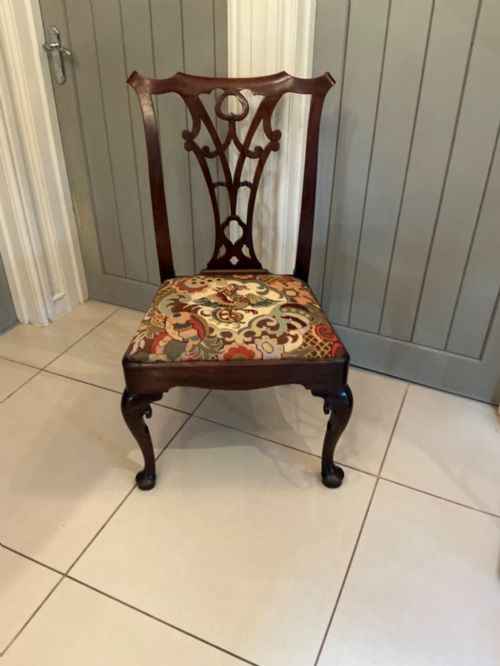


Georgian Needlepoint Tapestry
Georgian needlepoint tapestry covers hand-worked textile panels and upholstered seating from the eighteenth and nineteenth centuries, offering tactile historic character to a room.

Georgian Needlepoint Tapestry
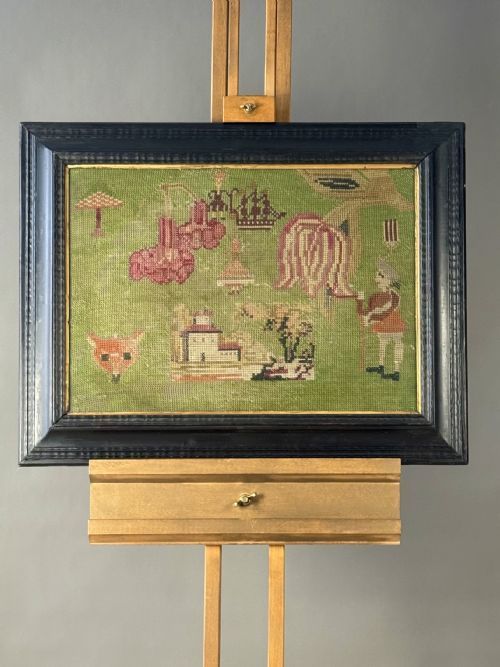
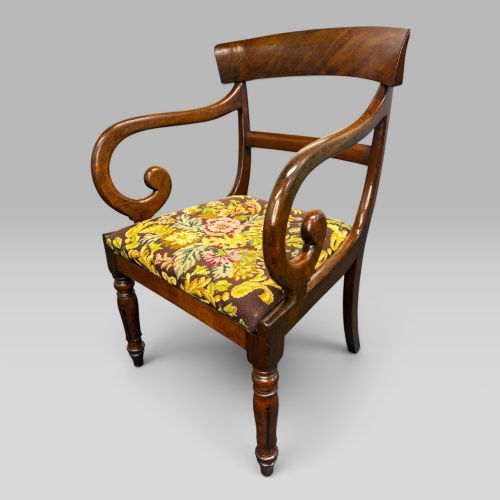
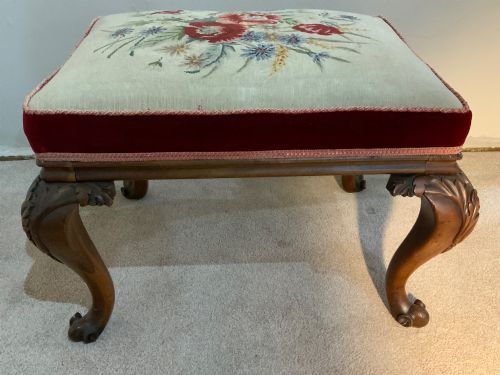
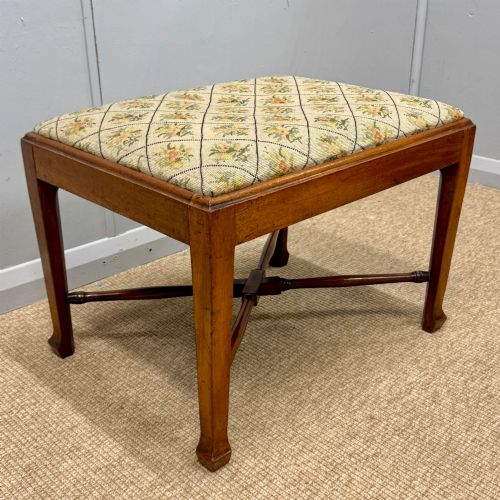
When searching for a georgian needlepoint tapestry, buyers encounter framed wall pictures, privacy screens, fire screens, and upholstered seats on chairs and stools. These textiles record needlework techniques executed in wool, silk, and linen across periods spanning the eighteenth century, the Regency era, and the nineteenth century.
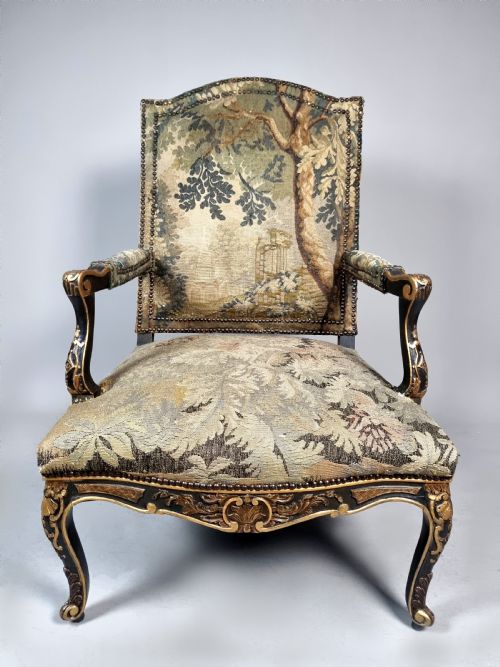
The selection ranges from detailed embroidered panels and samplers to chairs retaining period needlework covers. Many pieces combine needlepoint with mahogany, walnut, or giltwood frames, whilst others survive as standalone textile art intended for display.
Earlier examples reflect George II and George III styles, whilst later pieces show William IV, Victorian, and revival influences. The primary forms remain seating furniture and framed wall pictures depicting pastoral scenes, figures, and floral compositions.
Judging quality in needlework and frames
Quality rests upon the fineness of the needlework and the tightness of the stitch density across the textile panel. Superior examples display intricate colour shading, steady hand tension, and well-preserved thread pile without excessive thinning.
The supporting woodwork determines the overall calibre of furniture and screens, with crisp carving and stable joints distinguishing finer items. Original frames and undisturbed mounting add substantial integrity to framed needlework pictures and privacy screens.
A Newfoundland dog once stared out from a large tapestry panel, proving that historical needleworkers loved their pets just as much as we do.
The Georgian Needlepoint Tapestry Glossary
- Needlepoint
- A type of embroidery stitched on a stiff open-weave canvas ground, covering the entire foundation fabric. It forms durable panels used for upholstery and wall hangings.
- Fire screen
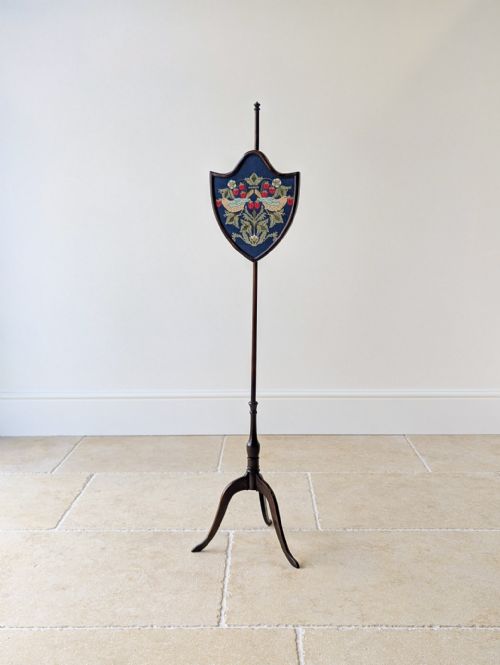
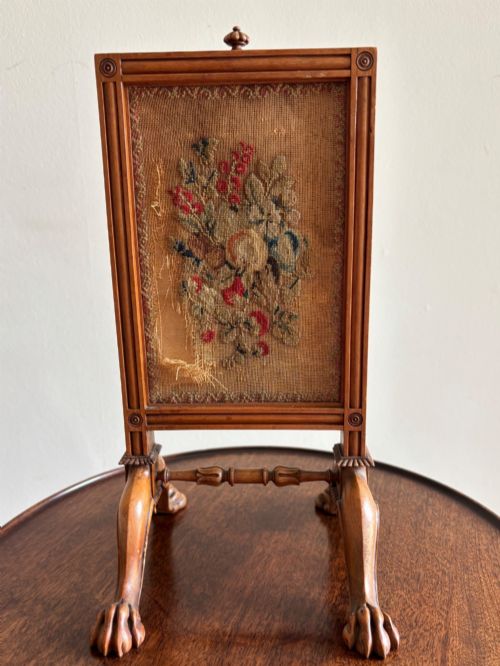
- A movable wooden frame fitted with a textile panel, placed in front of a fireplace to block radiant heat when a fire was not burning.
- Sampler
- A piece of needlework produced to demonstrate proficiency in various stitches and patterns. These often include alphabets, dates, and decorative motifs.
- Long stitch
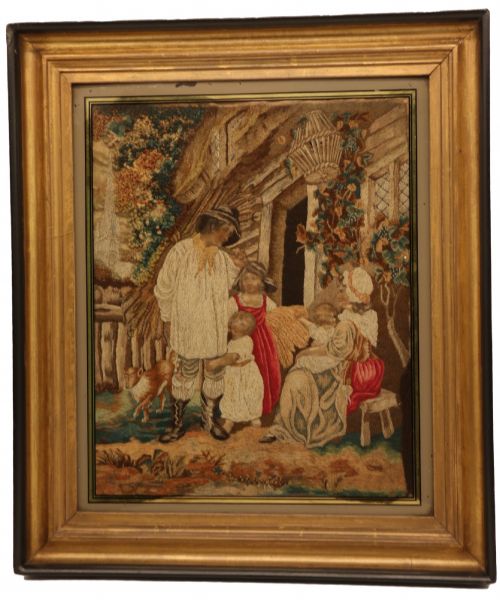
- An embroidery technique using parallel stitches of varying lengths to create smooth pictorial effects. It appears frequently in nineteenth-century silk pictures.
- Verre églomisé
- A process of applying cold painting and metal leaf to the reverse side of glass. It creates a reflective, decorative border around antique pictures.
Georgian Needlepoint Tapestry: Frequently Asked Questions
What is a georgian needlepoint tapestry?
A georgian needlepoint tapestry encompasses hand-stitched wool or silk textile panels and upholstered furniture produced during the eighteenth and early nineteenth centuries. These works include framed pictures, privacy screens, and chair coverings.
They represent domestic handicraft and professional embroidery of the period, executed on canvas or linen grounds.
How were fire screens used?
Fire screens stood before hearths to protect individuals from the intense heat of open coal or wood fires. They shielded delicate complexions and varnished furniture from direct thermal radiation.
As rooms warmed or fires died down, the freestanding screens were repositioned around the interior.
How do I care for antique needlework?
Protect antique needlework and tapestries by keeping them out of direct sunlight to prevent silk and wool threads from fading. Maintain stable room humidity to protect the underlying wooden frames and natural fibres.
Dust gently with a soft brush and avoid hanging textile art in damp environments.
How to tell periods apart?
Distinguish periods by examining the wood type, frame carving style, and colour palette of the embroidery. Eighteenth-century pieces often feature robust mahogany frames and rich woolwork, whilst Regency and Victorian items frequently incorporate silk, beadwork, and maple.
Construction methods and framing techniques offer further clues to the date of execution.