

Georgian Monochrome Print
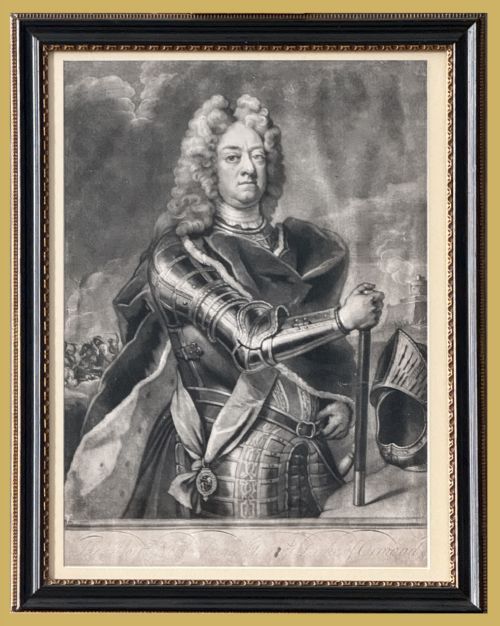
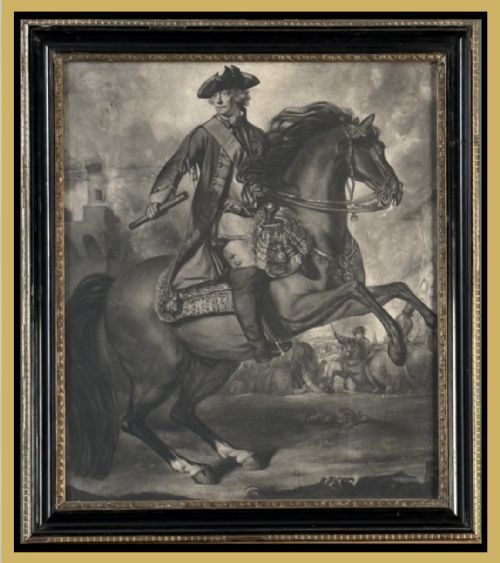
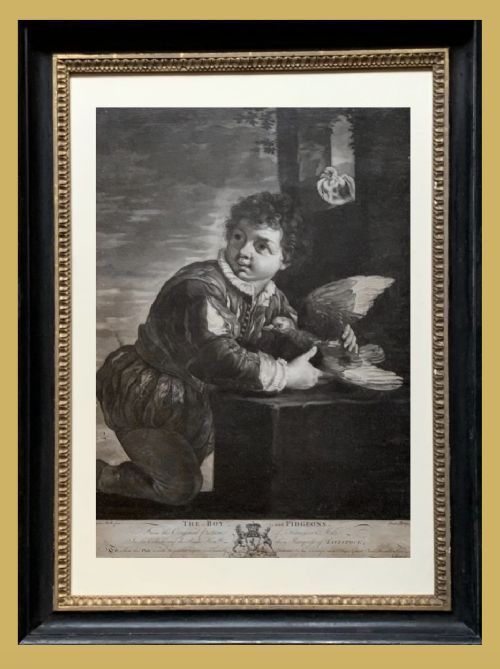
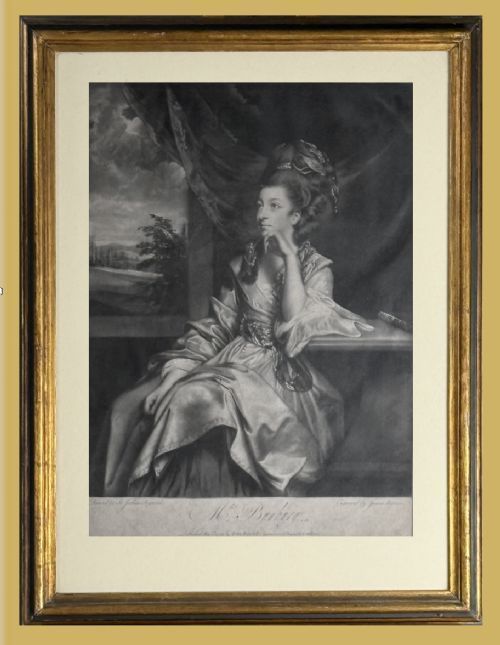
A georgian monochrome print brings historical depth to a wall through ink on paper, offering portraits and scenes preserved in period frames.
Georgian Monochrome Print
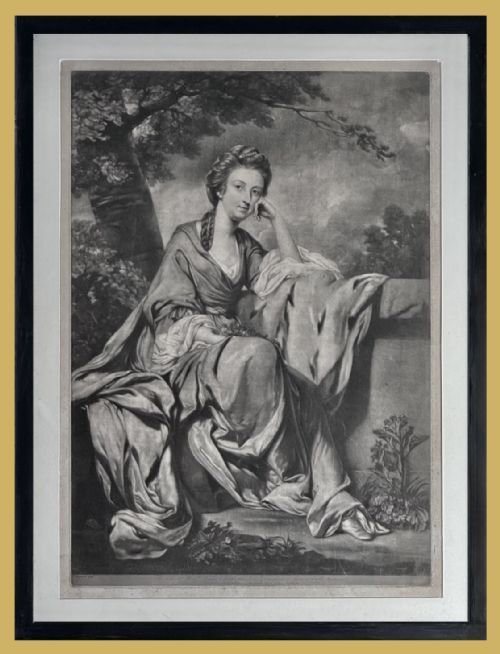
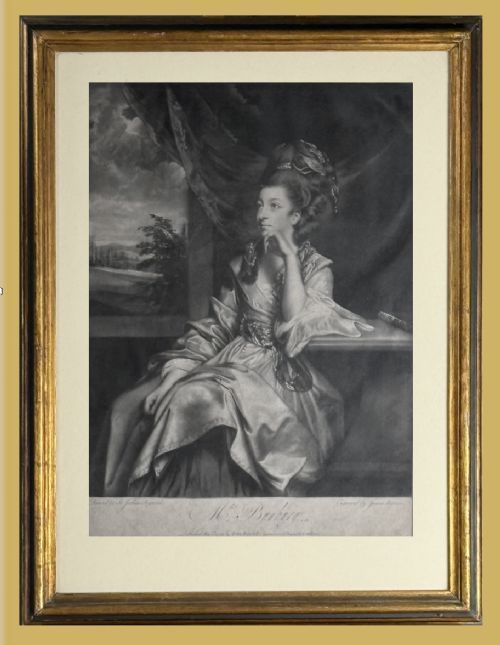
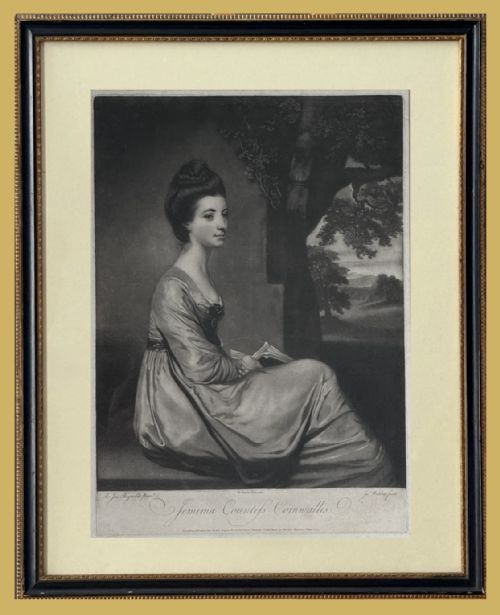
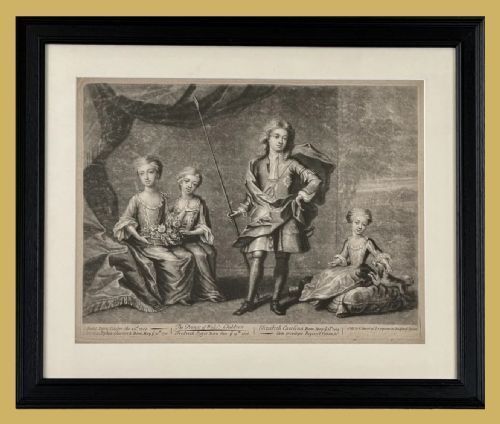
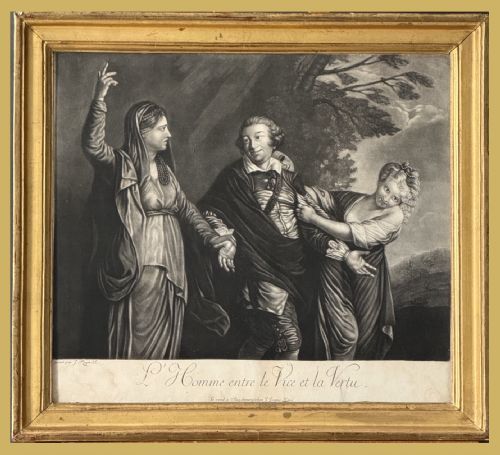
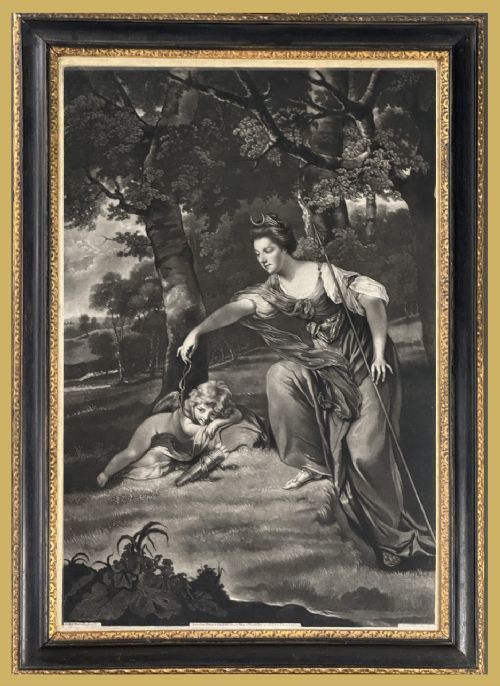
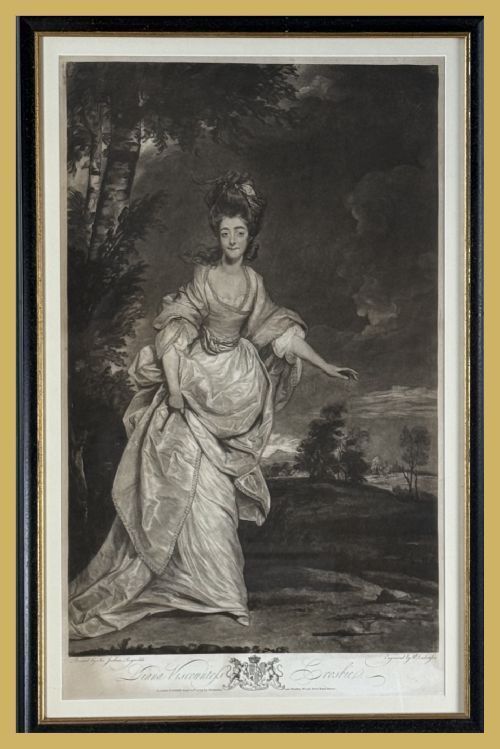
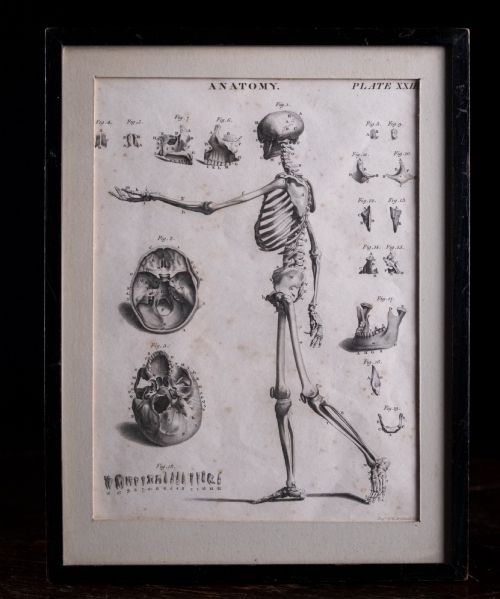
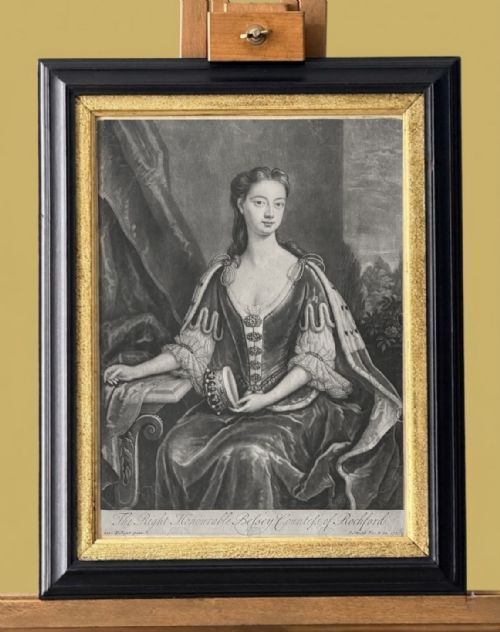
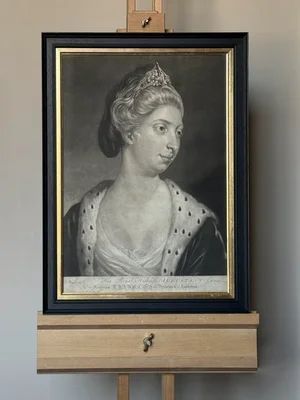
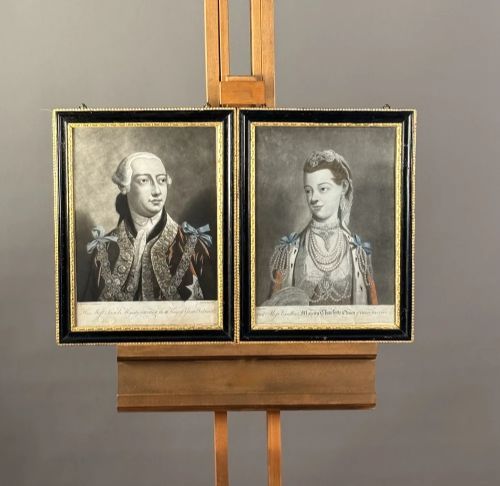
A georgian monochrome print encompasses framed portraits, social satires, and topographical maps created primarily during the eighteenth century. Most examples found here take the form of mezzotints and copperplate engravings rendered in black and white ink on paper.
Materials and technique
Printmakers utilised copper plates to engrave or scrape detailed imagery using specialised tools like rocker blades for mezzotints. The resulting plates received black ink, which transferred under pressure onto high-grade handmade paper.
Finished sheets were secured behind protective glass within wooden frames, frequently finished with gold leaf or giltwood mouldings to complement the interior tastes of the era.
The inventory spans the eighteenth century through the nineteenth century, uniting paper, ink, wood, and gold leaf into framed wall art.
Evaluating craftsmanship
The clarity of the ink impression determines visual fidelity, where early strikes from a fresh copper plate exhibit deep contrast and crisp detail. Later impressions show softened lines and reduced tonal range as the metal plate wears down.
The survival of the original frame and backing materials adds significantly to the integrity of the piece. Conservation state, including paper toning and margins, separates standard decorative sheets from works of collector interest.
John Simon·Edward Fisher·John Boydell·James Watson·John Smith·Thomas Frye·John Faber Jr·Valentine Green·James MacArdell·Jacobus Houbraken·Richard Houston·William Hogarth·Francesco Piranesi
The Georgian Monochrome Print Glossary
- Mezzotint
- A printmaking process where the copper plate is roughened uniformly to hold ink for rich dark tones, then scraped to create highlights.
- Engraving
- A technique involving cutting lines directly into a metal plate with a sharp tool called a burin to hold ink.
- Copperplate
- A flat sheet of copper utilised as the matrix for engraving or etching detailed imagery before printing onto paper.
- Giltwood
- Wood carved and coated with a thin layer of gold leaf or metallic powder, commonly utilised for eighteenth-century frames.
- Impression
- An individual copy of a print pulled from a prepared printing plate onto paper.
Georgian Monochrome Print: Frequently Asked Questions
How should I hang my print?
Protect the paper from direct sunlight by placing the framed artwork away from south-facing windows. Utilise stable wall anchors suited to the weight of the wood and glass frame.
Maintain consistent indoor humidity to prevent warping of the wooden frame and degradation of the paper substrate.
Are these prints original?
The works listed originate from the eighteenth century and nineteenth century, produced contemporaneously with the subjects depicted. Master engravers worked from portrait paintings by leading artists of the period.
Examination under magnification reveals the characteristic plate marks and ink absorption unique to period printing methods.
What frames are included?
Many items retain their period wood frames, often finished with gilt or gold leaf accents. These enclosures frequently feature old glass and backing boards that match the age of the print.
Minor wear on giltwood mouldings serves as evidence of genuine antiquity rather than a modern reproduction.
How do I identify a mezzotint?
A mezzotint displays velvety dark areas and smooth tonal graduations achieved by pitting the metal plate with tiny burrs. Unlike linear engravings, this technique builds images through fields of tone rather than distinct lines.
Close inspection reveals a soft, painterly quality that distinguishes it from standard line engravings and etchings.