



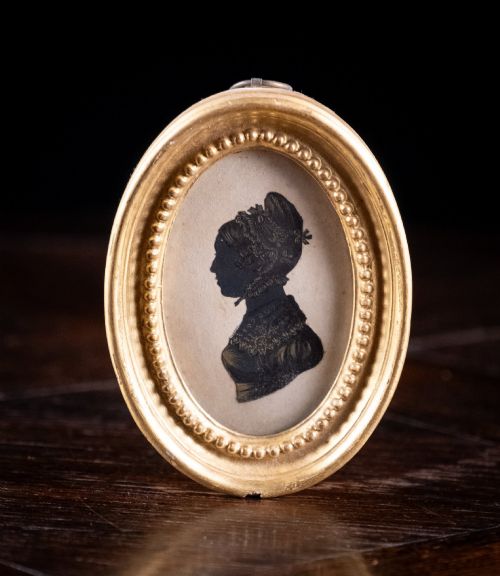

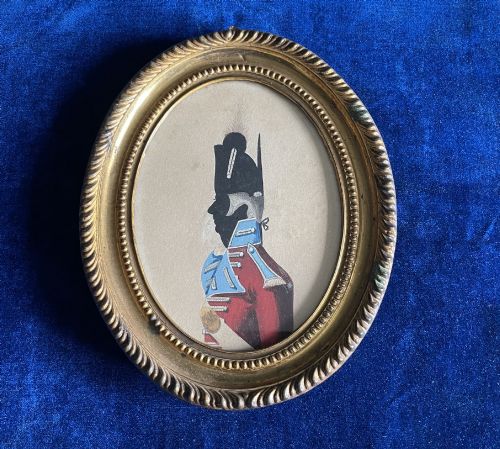
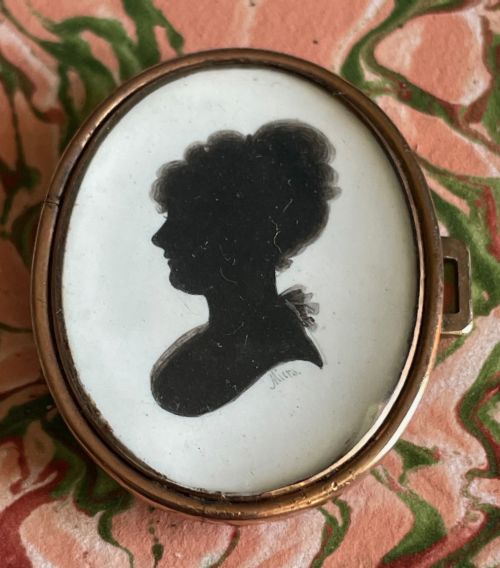

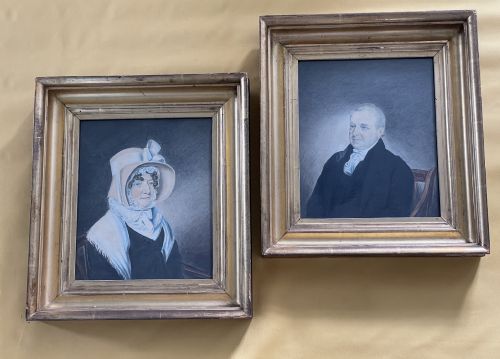
Georgian Miniature Painting Gold Frame
A georgian miniature painting gold frame holds a delicate portrait, capturing intimate likenesses in precious metal and glass.
Georgian Miniature Painting Gold Frame
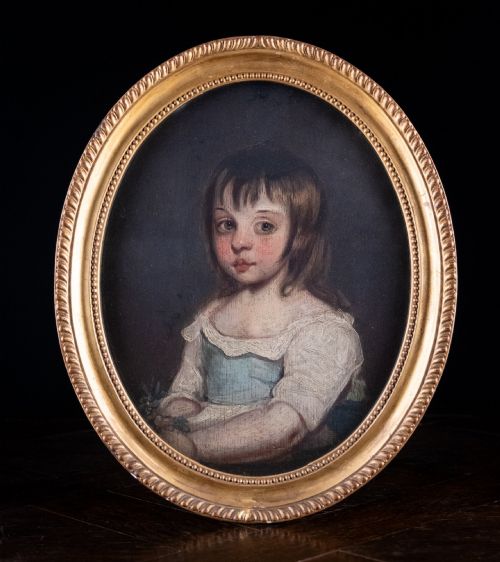
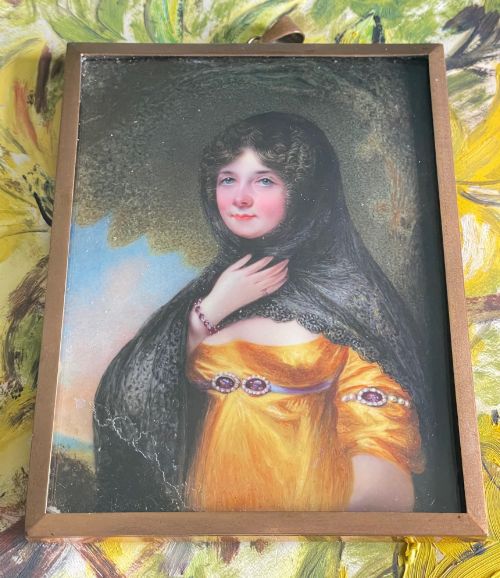
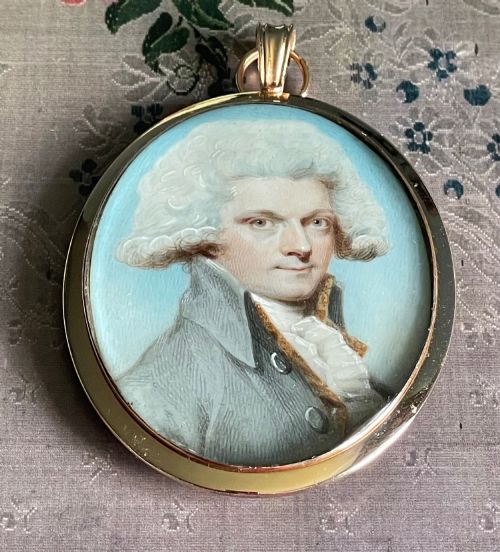
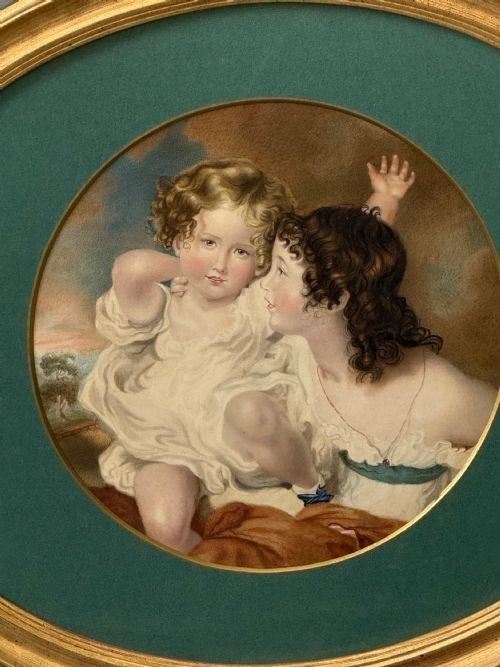
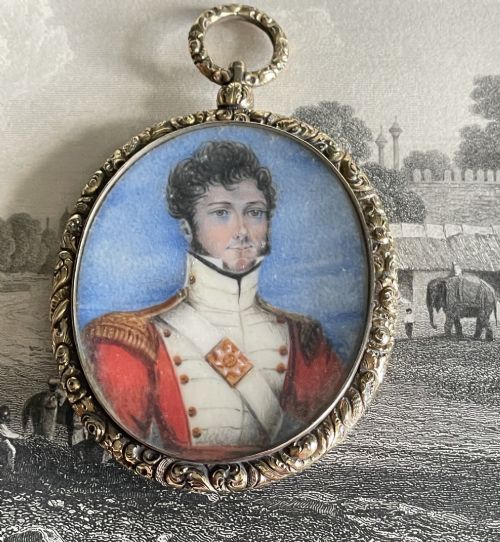
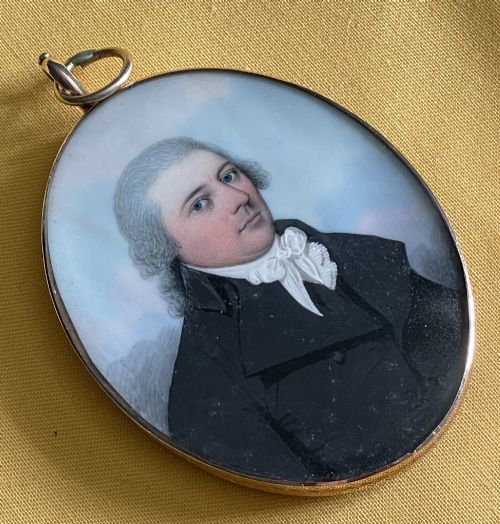
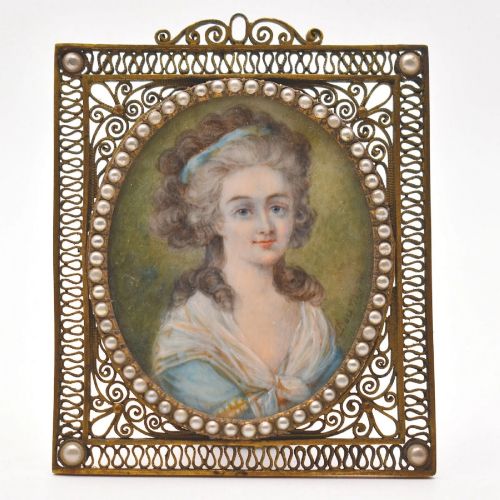
When searching for a georgian miniature painting gold frame, you encounter intimate portraiture executed during the eighteenth and nineteenth centuries. These works record the likenesses of gentlemen, ladies, children, and officers in portable formats designed for personal display or keepsake wear.
The objects on this page span the Georgian, Regency, and William IV eras, stretching from mid-eighteenth-century examples through to the nineteenth century. They appear as standalone paintings, jewellery pieces, and framed works housed in protective metal and wood encasements.
Portraits on this page utilise watercolours, enamel, pastel, gouache, and oil on substrates including paper, vellum, ivory, agate, and plaster. Many works remain unsigned, whilst others bear the attribution or signature of notable portraitists from British, Irish, and European schools.
Materials and construction
Makers constructed these works using delicate painting media applied to thin sheets of ivory, vellum, card, or prepared plaster. Watercolour, gouache, pastel, and enamel pigments required immense precision on such a restricted scale.
Protective mountings combined glass panes with frames fashioned from gold, gilt metal, gilt wood, and giltwood. Jewellers and framers frequently incorporated seed pearls, elaborate clasps, or hanging loops to transform miniature portraits into wearable pieces.
Listings feature works spanning the 18th Century, Regency, and 19th Century periods, incorporating materials such as ivory, gold, gilt metal, glass, and watercolour.
Assessing quality
The integrity and material richness of the surrounding frame also influence the piece, particularly where solid gold, precious stones, or seed pearls secure the glazed portrait.
James Sharples·Henry Bone·Horace Hone·Charles Shirreff·Richard Cosway·John Miers·Frederick Buck·Charles Hayter·Christian Friedrich Zincke·William Naish·Albin R Burt·George Engleheart·James Ferguson·William Egley·George Hargreaves·Thomas Woolnoth·John Smith of Edinburgh
The Georgian Miniature Painting Gold Frame Glossary
- Miniature painting
- A small-scale portrait executed with fine detail, typically on ivory, vellum, or card. These works required specialised magnifying lenses and steady hands to capture minute facial expressions.
- Enamel
- A glassy substance fused to a metal backing through high-temperature firing. Enamel miniatures resist fading over time and retain a glossy, durable finish.
- Gilt metal
- A base metal treated with a thin layer of gold leaf or wash to simulate solid gold framing. It provided a durable, decorative housing for portable portraits.
- Silhouette
- A profile portrait filled in with a solid dark colour or painted on plaster, card, or glass. Practitioners like John Miers popularised these stark likenesses.
- Vellum
- A fine parchment prepared from calfskin, used as a smooth painting surface for detailed watercolours. It offered a durable alternative to paper during the Georgian period.
Georgian Miniature Painting Gold Frame: Frequently Asked Questions
How were miniature paintings worn?
Many portraits functioned as jewellery, featuring loops or pins designed to secure the piece directly to clothing or wear around the neck.
Others remained housed in protective cases intended for pocket transport or desk placement.
What materials are beneath the glass?
Artists painted on various delicate surfaces including ivory, vellum, prepared paper, plaster, and agate panels.
Media ranged from watercolour and gouache to pastel and fired enamel.
How do I date a Georgian miniature?
Dating relies upon the sitter's costume, hairstyle, and framing style, alongside signature attribution where present.
Georgian and Regency fashions changed rapidly, providing reliable chronological markers for dress and uniform.
Are these portraits always signed?
Numerous fine examples remain unsigned or attributed to specific schools through stylistic comparison rather than direct signatures.
Signed works typically bear the artist's name along the border or upon the reverse paper backing.