

Gilt Portrait Miniature
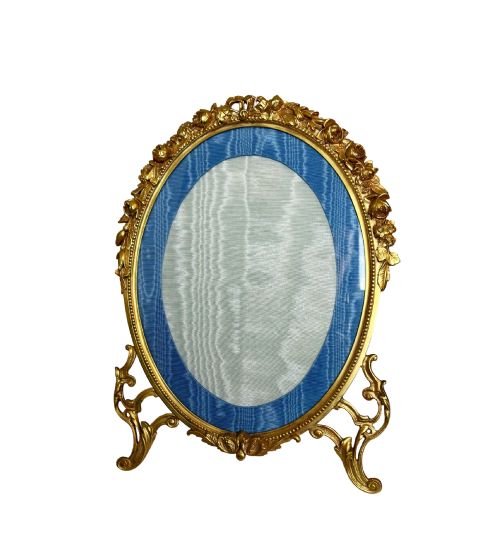
A gilt portrait miniature offers a glimpse into personal history through painted, silhouetted or pressed likenesses bound in shining metal.
Gilt Portrait Miniature
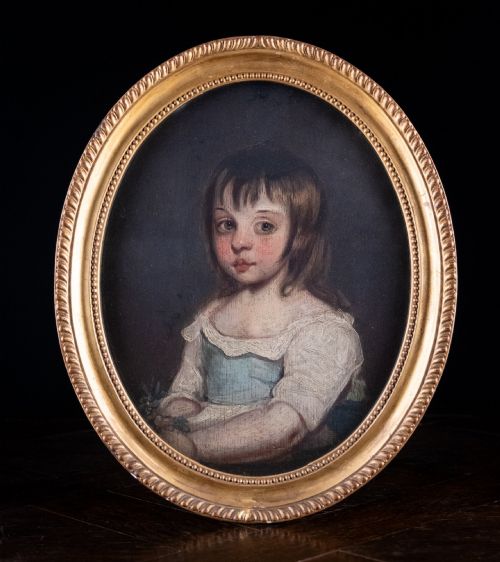
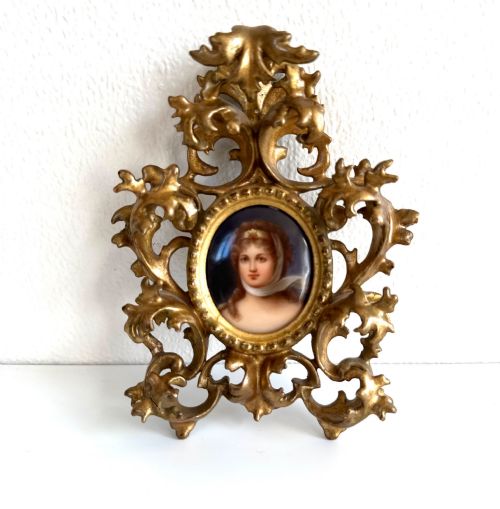
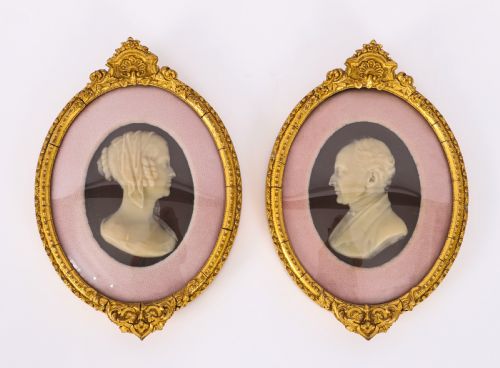
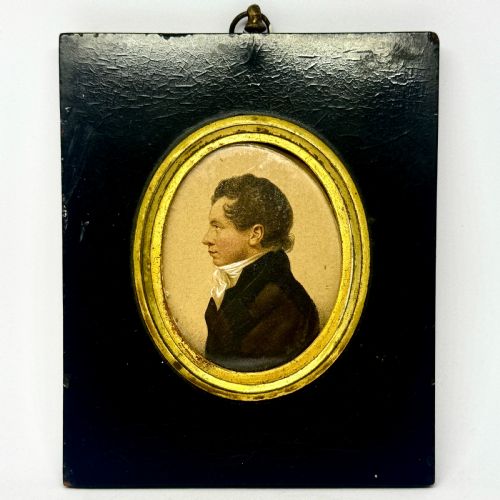
A gilt portrait miniature captures the likeness of an individual on a small scale, framed or cased in metal with a golden finish. When searching for a gilt portrait miniature, buyers encounter works executed in watercolour, pastel, gouache, enamel, porcelain and cut paper.
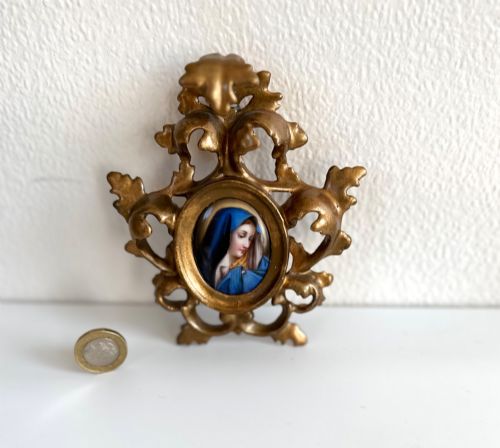
The selections span the Georgian, Regency and Victorian eras, alongside French Rococo Revival styles and Anglo-Indian or Mughal subjects. Pieces often take the form of oval framed works, standalone paintings or portrait plaques.
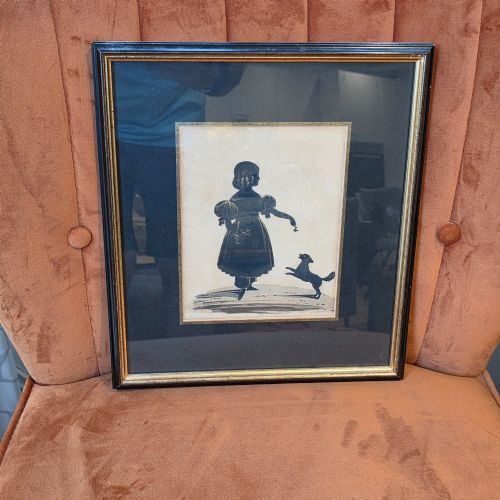
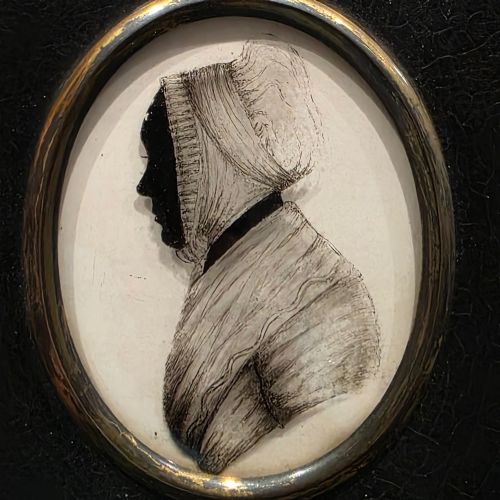
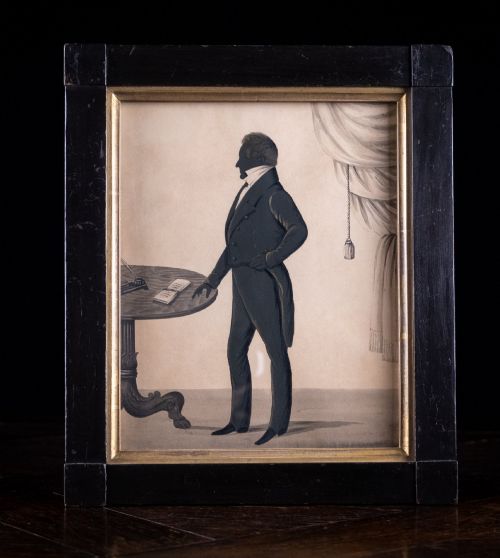
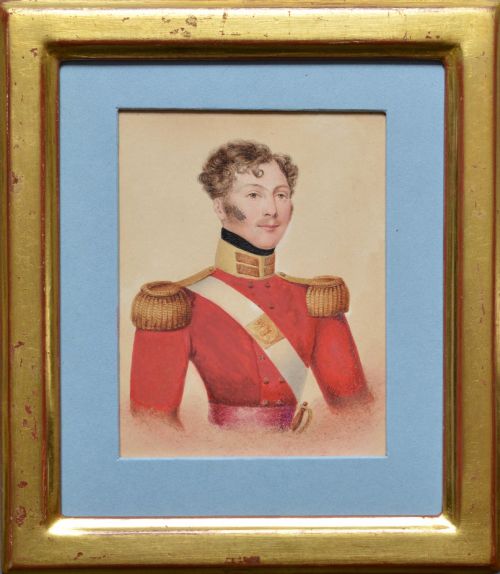
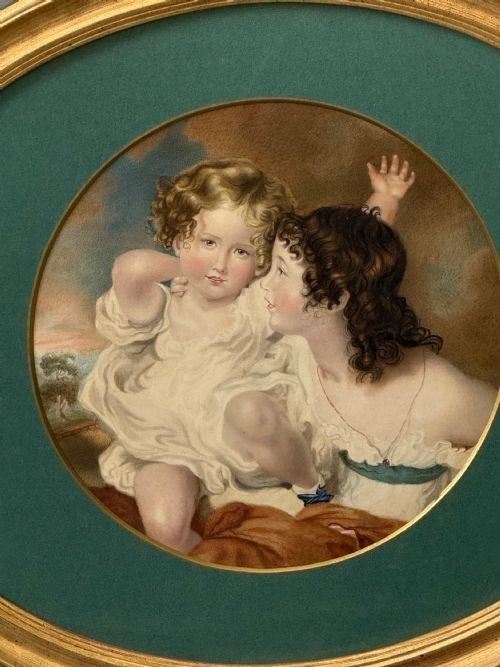
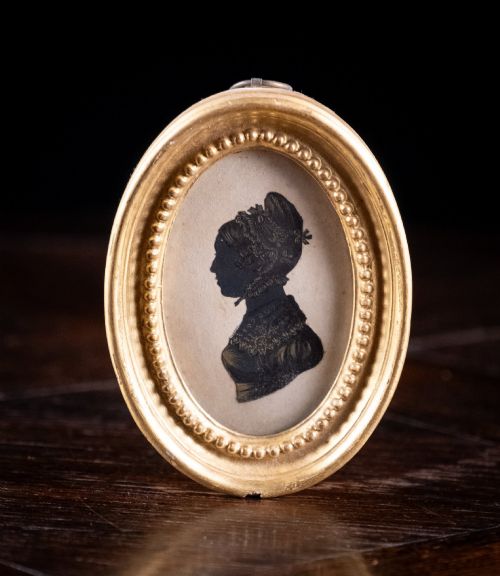
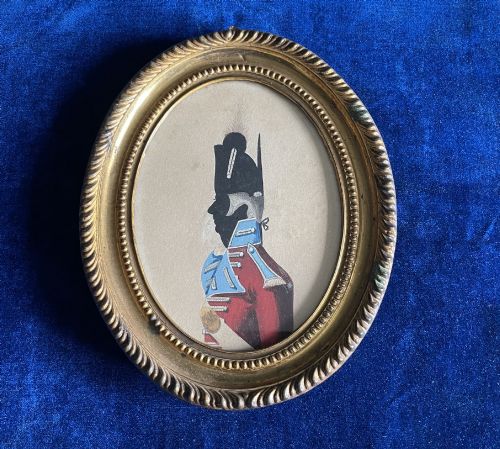
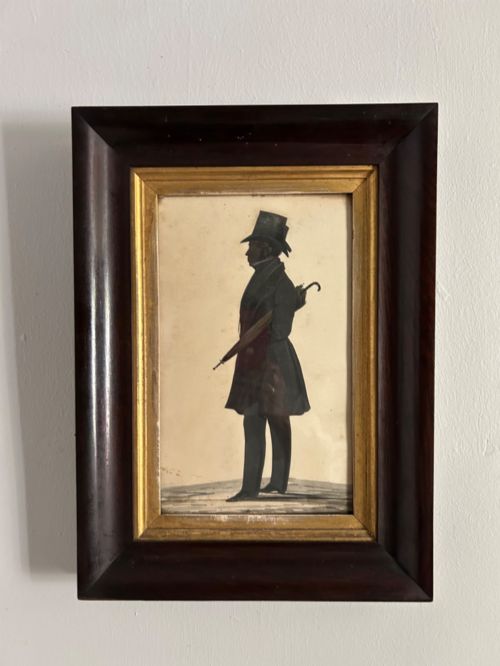
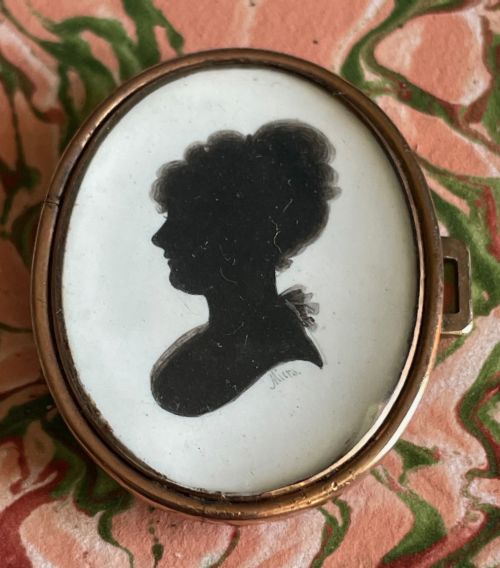
Silhouettes cut from paper or painted in reverse on glass appear frequently alongside detailed watercolour studies of officers, children and gentlefolk. Many retain their original brass, gilt metal, giltwood or bronze frames.
Materials and construction
Artists worked on paper, card, porcelain, enamel, copper and ivory surfaces using fine watercolours, gouache, pastels and oils. Silhouettes relied on precision cutting or reverse painting on glass to achieve sharp profiles.
Frames and housings were forged from brass, bronze and gilt metal, sometimes incorporating wood, gold leaf, seed pearls and velvet backing. Glazing protected delicate painted surfaces from atmospheric moisture and handling.
The listings span the eighteenth, nineteenth and early twentieth centuries, incorporating materials from glass and paper to gilt bronze and porcelain.
Distinguishing the work
The integrity of the housing contributes significantly to the piece. Original matched frames cast in gilt brass or bronze with intact glass and backing retain greater historical continuity than later replacement mountings.
William James Hubard·James Sharples·John Miers·John C D Engleheart·Charles Hayter·Christian Friedrich Zincke·William Naish
The Gilt Portrait Miniature Glossary
- Silhouette
- A portrait profile filled in with a solid dark colour, typically cut from paper or painted.
- Reverse painting on glass
- An art technique where the image is painted on the reverse side of a glass panel to be viewed from the front.
- Gilt metal
- Base metal treated with a gold wash or gilt finish to simulate solid gold.
- Enamel plaque
- A small plate fused with powdered glass colours through firing, seen in South Staffordshire productions.
- Regency
- The period in British history from 1811 to 1820, characterised by distinct neoclassical aesthetics.
Gilt Portrait Miniature: Frequently Asked Questions
How were these miniatures displayed originally?
Miniatures were often hung in small groupings on walls or carried as personal tokens inside pockets and travel cases.
Some examples were mounted into jewellery pieces, table boxes or mantel clocks to be admired within domestic interiors.
How do I identify a Regency period piece?
Regency items often feature specific clothing styles such as high-waisted dresses for women and tailored cravats for men.
The framing and portrait technique typically align with the neoclassical tastes prevalent during the early nineteenth century.
Are silhouettes considered portrait miniatures?
Profile silhouettes cut from paper or painted on card form a distinct category within miniature portraiture.
They capture likenesses through shadow and outline rather than full polychrome painting.
What care do painted miniatures require?
These works demand protection from direct sunlight to prevent the fading of delicate watercolours and paper components.
Keeping them in stable environmental conditions preserves the fragile pigments and metallic frames.