



Georgian Mezzotint on Glass
Georgian mezzotint on glass works combine printmaking and reverse painting to create luminous portraits and seasonal allegories.
Georgian Mezzotint on Glass
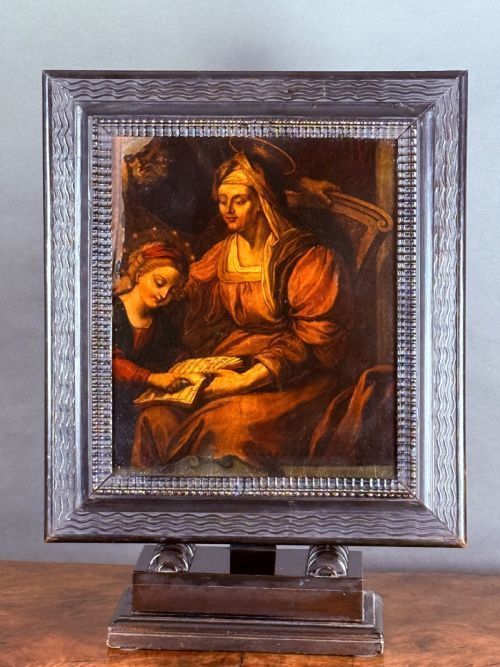
When you search for georgian mezzotint on glass, you encounter sophisticated decorative items produced during the eighteenth and nineteenth centuries. These works present printed imagery adhered and painted behind glass panels rather than mounted in conventional frames. The visual presentation includes royal portraits, religious scenes, and allegorical pairs depicting the seasons.
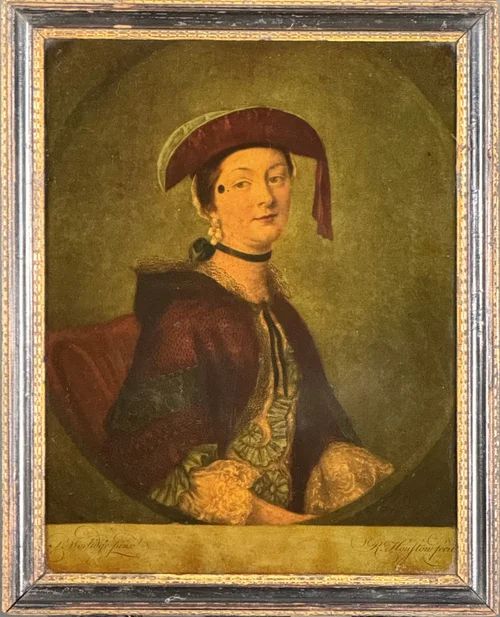
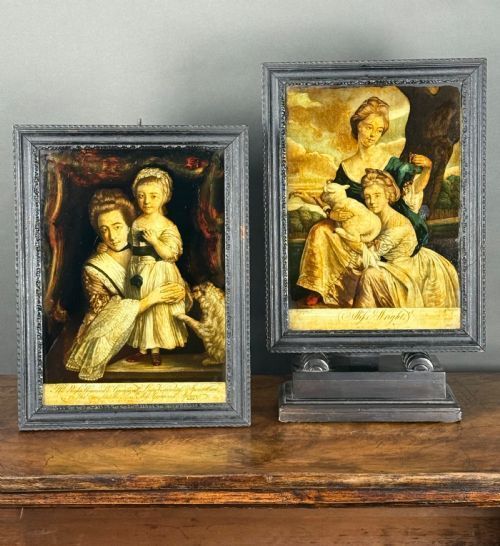
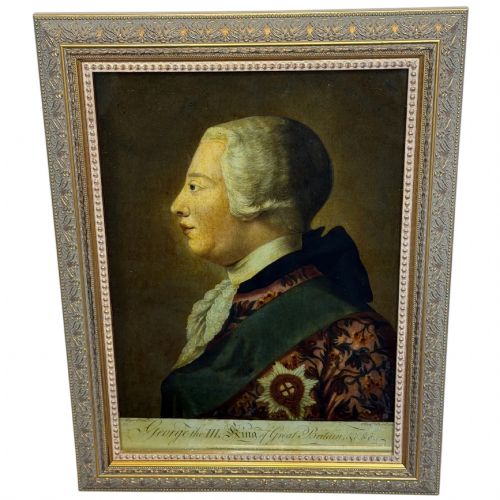
The version you are most likely to meet on this page is a framed wall art piece originating from the Georgian or Regency eras. Subjects range from named sitters like Mrs Brooks and King George III to domestic and pastoral genre scenes. Many survive as pairs or sets, particularly those representing seasonal cycles.
Makers and publishers represented in the record include Charles Spooner, Richard Purcell, and Robert Sayer. These prints demonstrate the crossover between traditional print publishing and specialised glass decoration during the period. Surviving examples retain their original wooden frames, often enhanced with gold leaf or gilt details.
How they were made
The creation of a georgian mezzotint on glass involved transferring a printed mezzotint onto a glass sheet and carefully applying oil paint or oil pigment by hand behind the glass. Artisans utilised gold leaf and gilt to highlight jewellery, frames, and decorative borders within the composition.
The finished glass panel was secured within a wooden housing, frequently supported by paper backings to protect the delicate pigments. This technique demanded precise reverse painting, as details applied first would appear at the front of the finished picture.
Even domestic poultry find themselves elevated to high art when feeding the poor under an eighteenth-century glass panel.
What varies in quality
The distinction between tiers of work rests upon the precision of the hand colouring applied behind the glass and the preservation of the underlying print. Finer examples display subtle gradations of oil paint and pigment that complement the delicate tones of the mezzotint engraving.
Another factor is the integrity of the original frame and backing materials, particularly where gilt wood and gold leaf are intact. Pieces that retain their contemporary framing and undisturbed glass panels command greater interest from collectors.
Charles Spooner·Richard Purcell·Robert Sayer·W Bishop
The Georgian Mezzotint on Glass Glossary
- Mezzotint
- A printmaking process where the copper plate is roughened to produce dark tones and scraped to produce light areas. This technique allows for smooth gradations of shade well suited to portraiture.
- Reverse glass painting
- The practice of applying paint and pigment to the back of a glass panel so the image is viewed through the front. This method protects the pigment from atmospheric dirt and dust.
- Gilt
- A thin layer of gold applied to wood or other surfaces to simulate solid gold decoration. It appears frequently on the frames of these pictures.
- Regency
- A period in British history spanning the early nineteenth century associated with neoclassical design and refined domestic interiors. Pieces from this era often feature classical motifs.
Georgian Mezzotint on Glass: Frequently Asked Questions
How do you clean a georgian mezzotint on glass?
Cleaning requires extreme caution because the paint and print are applied directly to the rear of the glass. Moisture or commercial cleaners can seep behind the panel and damage the fragile pigments.
Dust the frame gently with a dry cloth and avoid touching the glass surface entirely. Professional conservators should handle any deep cleaning or restoration work.
Where were these displayed in period homes?
These works hung in principal reception rooms and parlours alongside oil paintings and needlework. Their reflective glass surfaces helped catch and multiply candlelight in dimly lit interiors.
Pairs and sets, such as seasonal allegories, were arranged symmetrically on walls to balance the decorative scheme of a room.
Are these prints or paintings?
They are a hybrid medium that incorporates both printed and painted elements. A mezzotint print forms the foundational image, which is then hand coloured with oil paint from behind.
This dual technique creates a distinct translucent quality that distinguishes them from standard paper prints mounted behind glass.
How do you identify a genuine period piece?
Examination of the backing materials, frame construction, and glass characteristics provides key indicators of age. Eighteenth and nineteenth-century glass often exhibits subtle bubbles, striations, and slight irregularities.
Old wooden frames secured with traditional fixings and aged paper backings further support period authenticity.