



Georgian Mezzotint Glass Print
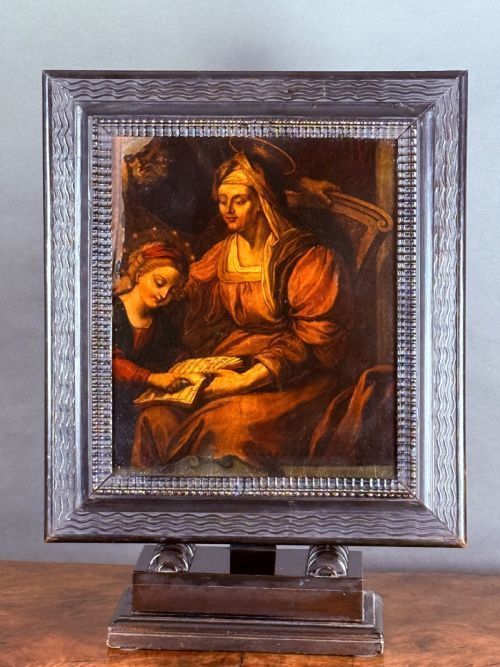
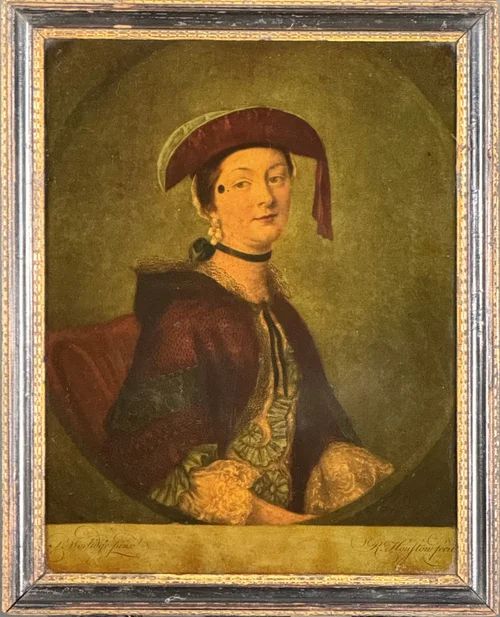
A georgian mezzotint glass print brings luminous eighteenth-century portraiture and pastoral allegory into a room through a captivating technique of reverse-painted glass.
Georgian Mezzotint Glass Print
When you search for a georgian mezzotint glass print, you encounter framed wall art that applies printmaking and painting directly to the reverse side of a glass sheet. These works span the eighteenth century, the Regency era, and into the nineteenth century, capturing a distinct period of portraiture and narrative scenes.
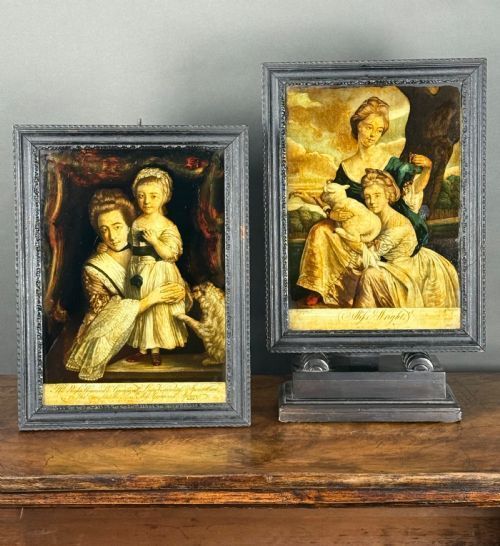
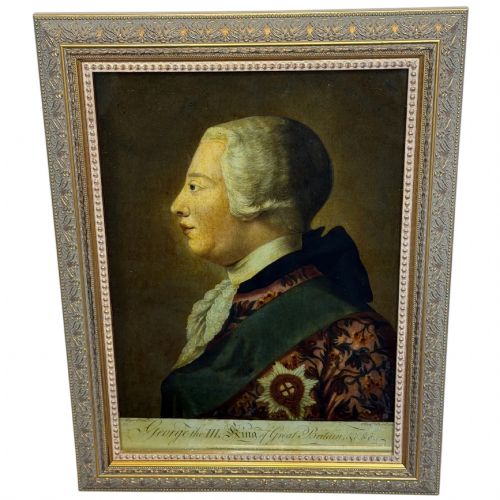
The subjects on this page include notable figures such as King George III and Princess Caroline, alongside allegorical pairings like the seasons and genre scenes such as The Match Boy. You meet both individual portraits and paired decorative sets housed in traditional wood frames.
The visual character relies on transparency and light passing through the glass to illuminate the pigments and gold leaf applied behind it. This method creates a depth quite distinct from conventional paper prints hung on a wall.
Materials and construction
Makers utilised transparent glass as the primary substrate, applying oil paint, oil pigment, and gold leaf directly to the rear surface. This reverse method meant the artist painted fine details and highlights first before laying down broader background colours.
Mezzotint engravings and paper elements were carefully transferred or applied to the glass before being worked over with paint and gilt. The finished glass panel was then secured within a wood frame to protect the delicate painted surface from damage.
Look closely for Feeding the Poor, where historical charity meets the meticulous challenge of painting backwards on a sheet of glass.
Assessing quality and execution
The distinction between standard and superior pieces lies in the precision of the brushwork and the delicacy of the mezzotint transfer beneath the glass. Finer examples display meticulous facial expressions and intricate drapery handled with accomplished oil painting.
The preservation of the original pigments and gold leaf heavily influences the visual impact of each work. Pieces that retain their vibrant colour without extensive flaking or modern restoration demonstrate superior historical integrity.
Fletcher·Charles Spooner·Richard Purcell·Robert Sayer·W. Bishop
The Georgian Mezzotint Glass Print Glossary
- Mezzotint
- A printmaking process of the tonal category that allows smooth gradations of light and shade. This technique formed the foundational image before reverse painting took place.
- Reverse glass painting
- The art of applying paint and metallic leaf to the back of a piece of glass so the image is viewed through the transparent front. It requires the artist to work in reverse order from foreground to background.
- Gilt
- Gold leaf or powdered gold applied to surfaces to provide decorative highlights. It catches light behind the glass to accent frames and pictorial details.
- Regency
- The stylistic period spanning the early nineteenth century following the Georgian era. Pieces from this time often exhibit refined neoclassical design elements.
Georgian Mezzotint Glass Print: Frequently Asked Questions
How do I hang a glass print safely?
These pieces require secure wall fixings and a stable environment away from direct sunlight and damp conditions. The glass and underlying pigments remain sensitive to radical changes in temperature.
Ensure the hanging wire and frame backing are regularly inspected to support the weight of the framed glass panel securely against the wall.
Why are seasons common subjects?
Allegorical representations of Spring, Summer, Autumn, and Winter were immensely popular decorative themes during the Georgian and Regency periods. Artists frequently produced them as balanced pairs or complete sets of four.
These seasonal narratives allowed makers to showcase varied palettes and domestic or pastoral imagery suitable for principal rooms in period homes.
Are these works original prints or paintings?
They represent a hybrid craft combining printed mezzotint foundations with direct hand-painting in oils. The maker transferred an engraved image onto the glass before applying pigment by hand.
This dual technique means each finished example possesses unique hand-painted enhancements over the standard printed lines.