
Georgian Mahogany Wine Chest
A georgian mahogany wine chest holds bottles in secure, traditional style, offering heavy timber construction and brass fittings that anchor a dining room.

Georgian Mahogany Wine Chest
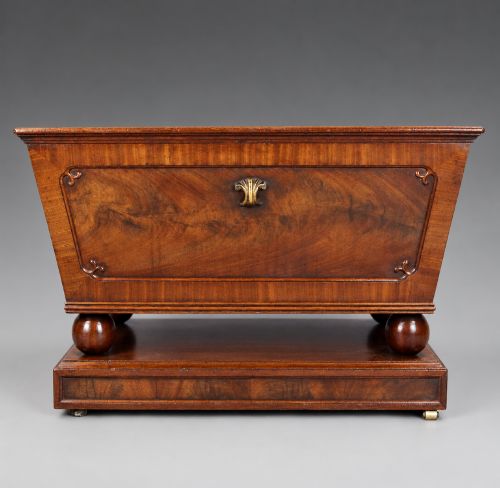
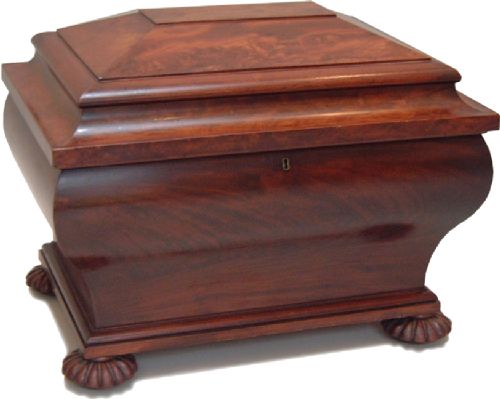
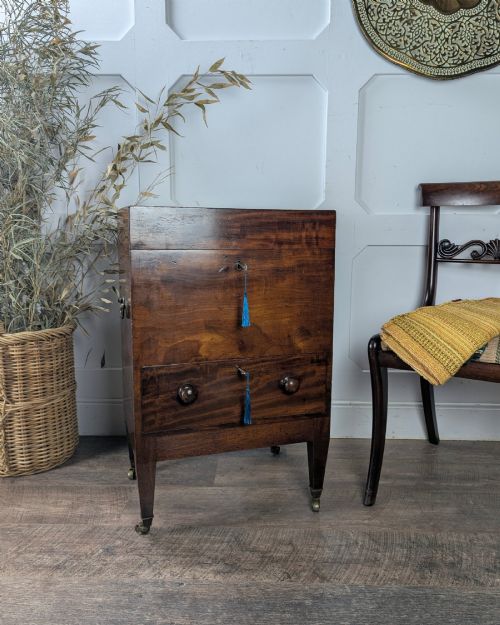
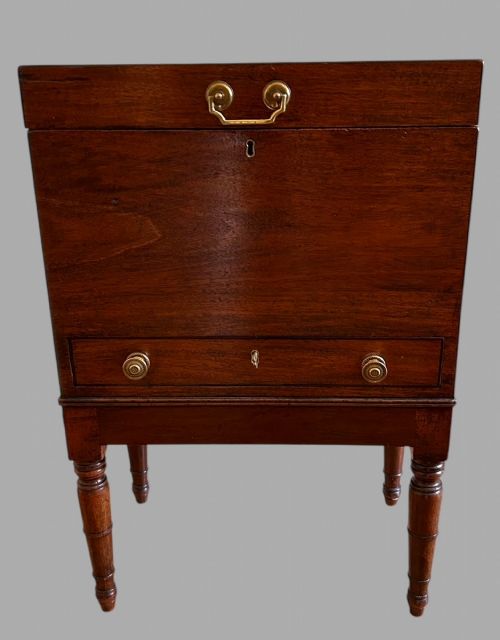
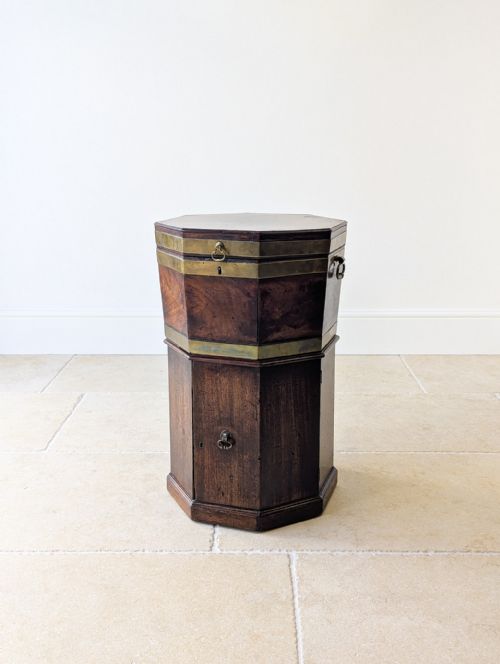
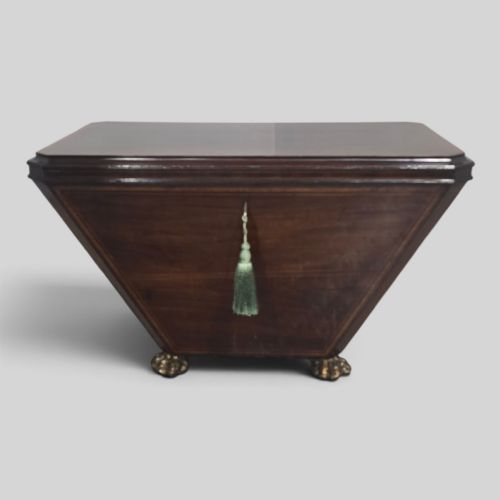
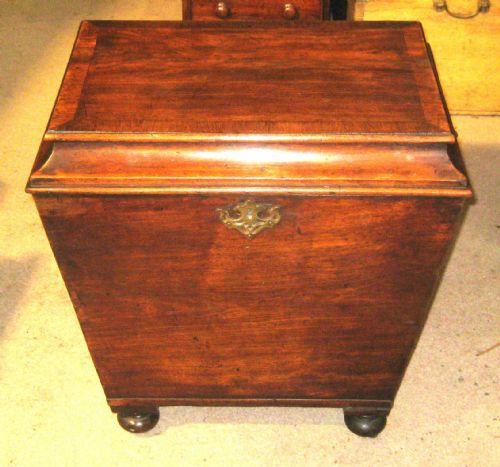
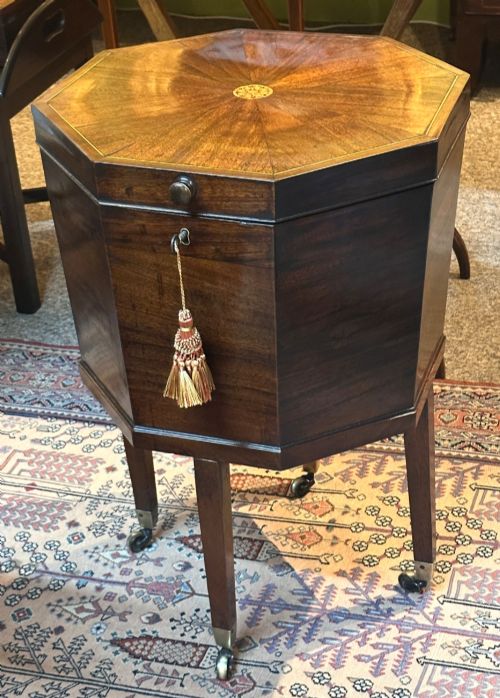
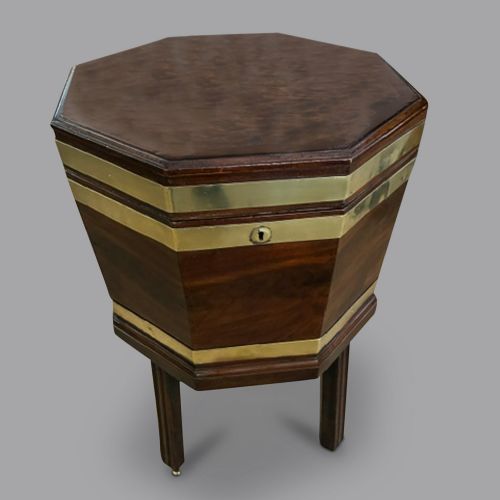
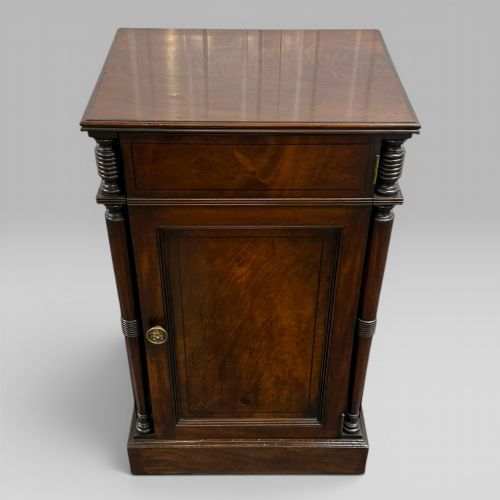
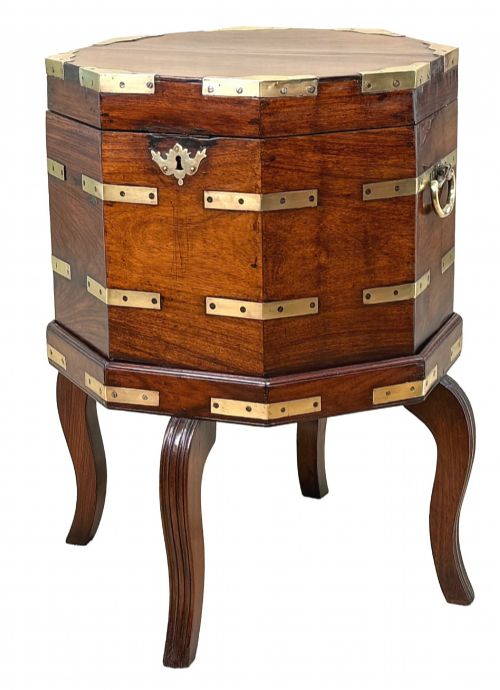
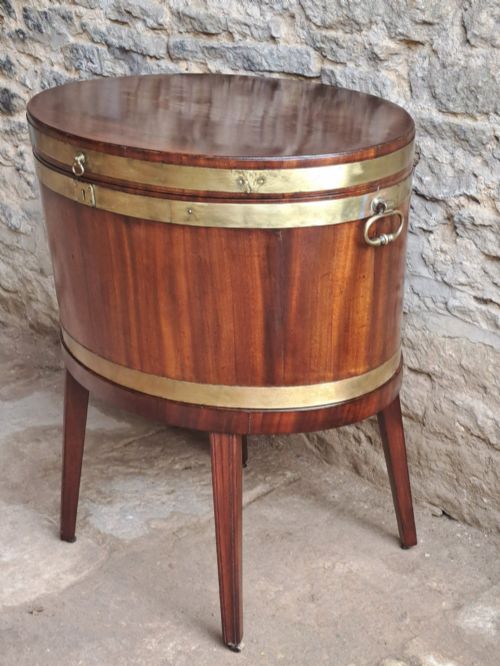
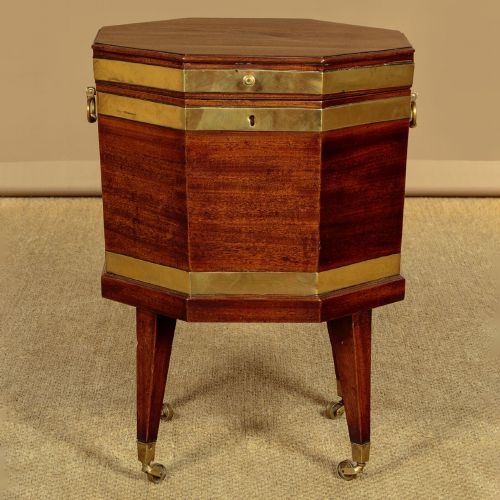
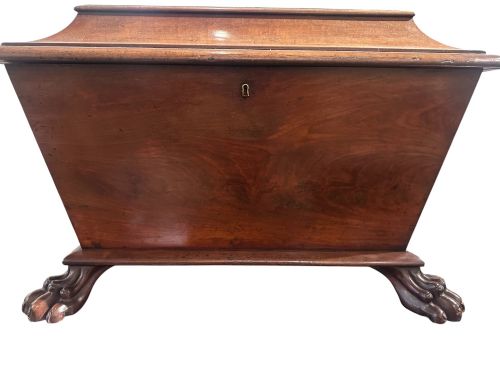
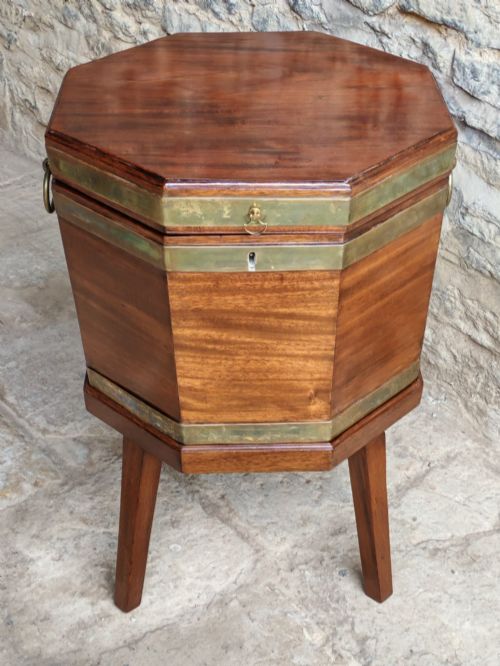
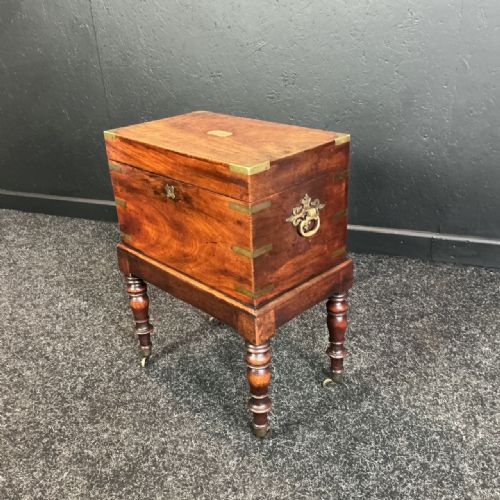
A georgian mahogany wine chest serves as a cellar substitute in the dining room, designed to hold bottles and sometimes ice near the table. The listings show forms ranging from octagonal boxes to sarcophagus shapes and oval bodies, often raised on stands or short legs.
Most examples date across the Georgian and Regency periods, spanning the eighteenth and early nineteenth centuries. Makers built these pieces to house wine securely, frequently incorporating lead linings to catch melting ice or drips from the bottles.
The objects appear under several historical names including cellarettes, wine coolers and wine boxes. Buyers encounter distinct regional variations, such as Anglo-Indian pieces in padouk timber alongside standard English mahogany.
Timbers and Mounts
Makers relied primarily on mahogany, frequently selecting flame mahogany and figured grain veneers to create striking lid patterns. Workshops enhanced these primary timbers with contrasting boxwood and satinwood inlay.
Metal components provide structural reinforcement and functional strength. Brass bands, castors, handles and ormolu mounts appear regularly across the pieces to secure the heavy wooden staves and corners.
Georgian Mahogany Wine Chest Retail Price Guide 2026
Typical asking prices for georgian mahogany wine chest among the pieces listed under this phrase on Sellingantiques today, from the lower quarter to the upper quarter. They describe what is for sale here now, not the wider market.
Some nineteenth-century variants doubled as plate-warmers, keeping heavy dinner services ready for grand feasts.
Construction and Detail
The standard of timber selection and veneer matching defines the upper tier of pieces. Grain patterns that flow symmetrically across lids and panels distinguish finer workshops from simpler utility boxes.
The presence of original internal fittings, such as lead liners, dividers and matching stands, separates complete pieces from altered examples. Precision in brass binding and delicate string inlay further distinguishes master cabinet work from standard production.
Edwards and Roberts·Gillows·Gillingtons
The Georgian Mahogany Wine Chest Glossary
- Cellarette
- A lockable container used for storing wine bottles in a dining room. It typically sits on the floor or on its own integrated stand.
- Sarcophagus
- A monumental coffin-shaped furniture form popular during the Regency period. These wine chests feature curved, heavy profiles with classical moulding.
- Flame mahogany
- A highly figured timber veneer showing a flickering, flame-like pattern. Cabinet makers reserved this expensive cut for prominent exterior surfaces.
- Lead lining
- A protective metal interior inserted into wine coolers to hold ice and water. It prevents moisture from rotting the surrounding mahogany structure.
- String inlay
- A narrow, contrasting line of wood set flush into the surface of the primary timber. Boxwood and satinwood served as common materials for this delicate decoration.
Georgian Mahogany Wine Chest: Frequently Asked Questions
How do I use a wine chest today?
These pieces function well as side tables or corner storage units in a modern dining room or living space. Their internal compartments also suit contemporary bottle storage or general household organisation.
The sturdy timber lids provide a flat surface for lamps, books or serving trays. Placing a protective mat beneath modern items preserves the historic polish on the top panels.
Did all wine chests have stands?
Many examples rest directly on the floor using short feet, castors or a plinth base. Other variants sit securely upon dedicated wooden stands supplied as part of the original design.
Floor-standing models often adopted heavier sarcophagus or octagonal shapes. Elevated versions on stands typically date from the earlier George III period.
What is the difference between a cellarette and a wine cooler?
Historical makers used both terms interchangeably to describe bottle storage furniture. A cellarette strictly implies a lockable box container, whereas a wine cooler historically referenced vessels designed to hold ice.
In practice, surviving pieces from the eighteenth and nineteenth centuries share identical internal divisions and functions. Both types served elite dining rooms to keep beverages close at hand.
How do I date a mahogany wine chest?
Cabinet style provides the clearest indicator of age, moving from straight-sided octagons in the eighteenth century to curved sarcophagus forms during the Regency era. Timber choice, hardware design and internal construction methods also align with specific decades.
Sharply angled brass bands and delicate string inlay point towards earlier George III workshops. Heavier ormolu mounts and bold classical proportions suggest the later Regency period.