
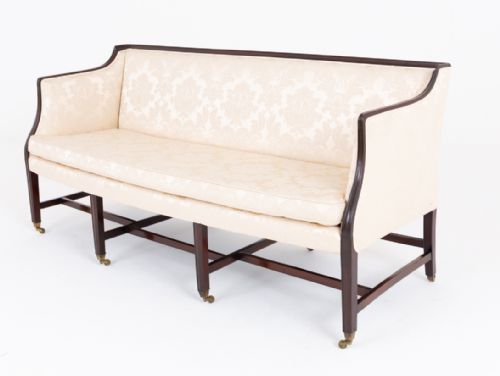


Georgian Mahogany Settee
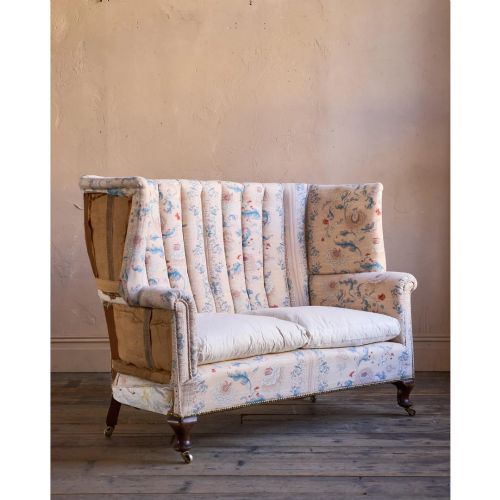
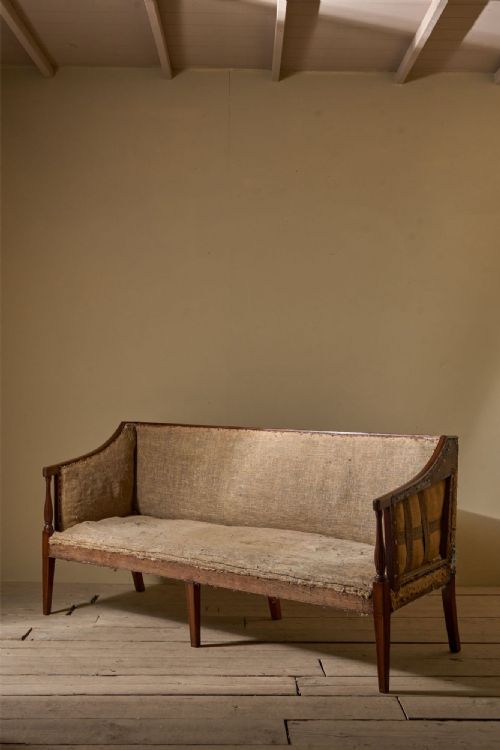
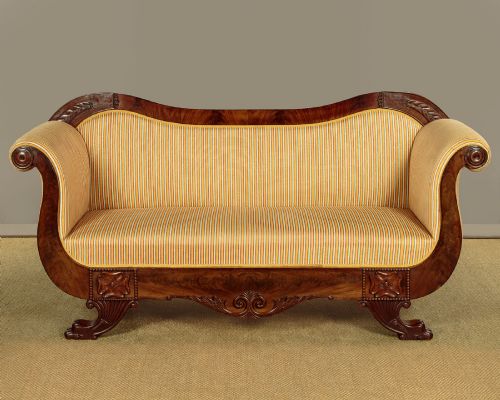
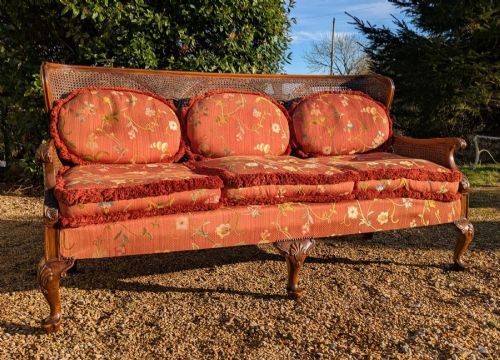
These pieces are a georgian mahogany settee, offering substantial seating shaped by the cabinetmakers of the eighteenth and nineteenth centuries.
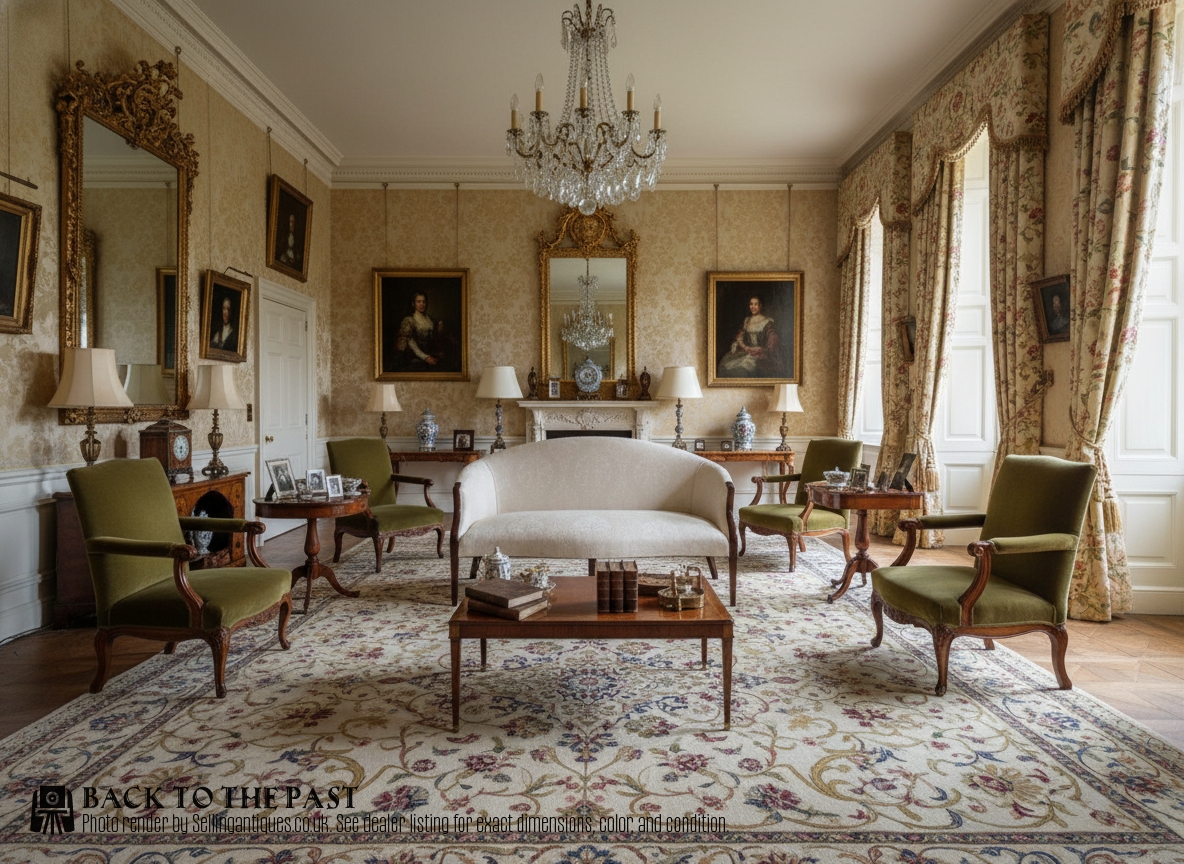
Georgian Mahogany Settee
A georgian mahogany settee encompasses formal seating designed for principal rooms, appearing in various configurations such as camel back, scroll end, and chair back designs. Buyers searching this phrase meet examples spanning the eighteenth century through to later revival periods, including pieces reflecting Chippendale and Hepplewhite manners.
The construction typically involves a hardwood frame built to seat two or more individuals, often accompanied by matching armchairs in larger suites. Surviving pieces range from authentic eighteenth-century examples to nineteenth-century interpretations and twentieth-century revival pieces.
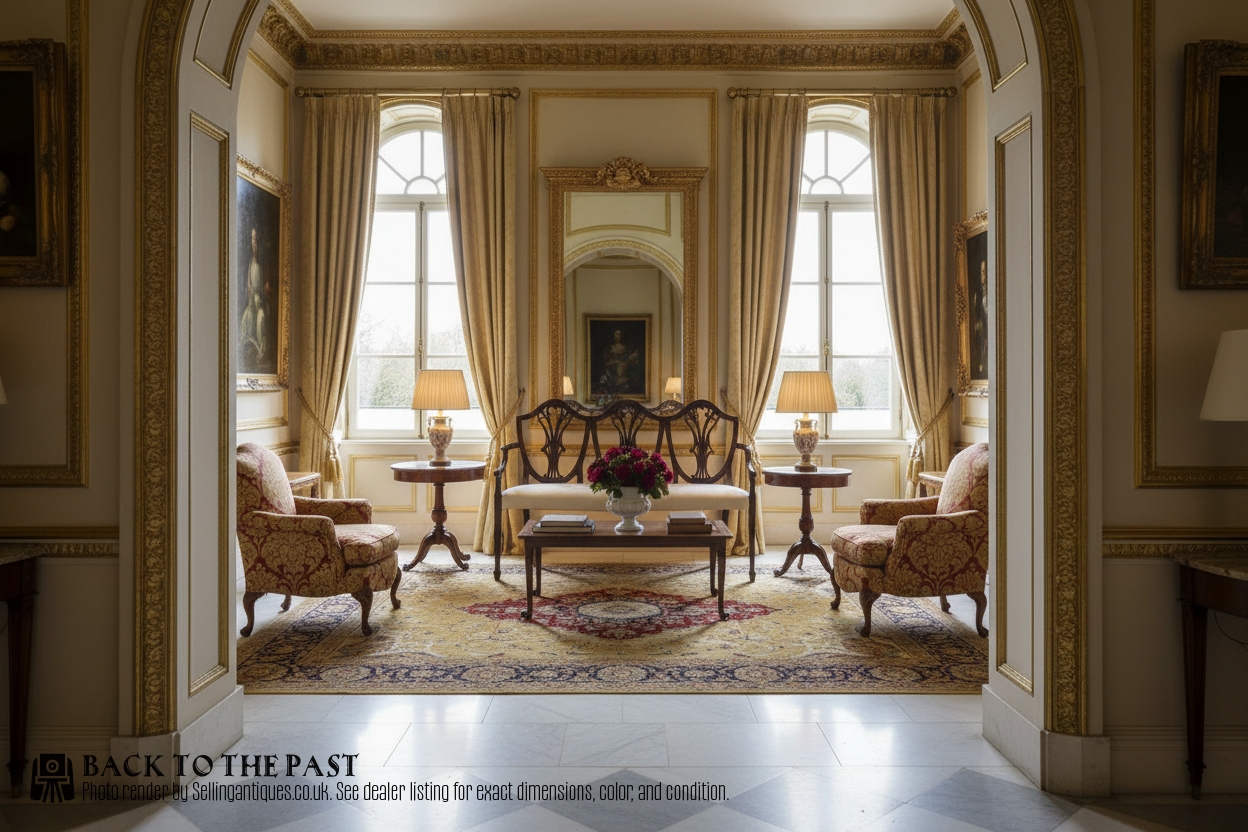
Quality and Proportion
The refinement of the carved detail and the elegance of the proportions distinguish superior examples from standard production. Crispness in the execution of stylistic motifs on the mahogany frame indicates superior workshop output.
The integrity of the structural timber and the retention of original framing configuration dictate the desirability of an individual piece within this category.
Georgian Mahogany Settee Retail Price Guide 2026
Typical asking prices for georgian mahogany settee among the pieces listed under this phrase on Sellingantiques today, from the lower quarter to the upper quarter. They describe what is for sale here now, not the wider market.
Listings include mahogany frames upholstered in fabric, damask, velvet, and leather, spanning the eighteenth to the twentieth centuries.
The Georgian Mahogany Settee Glossary
- Camel back
- A serpentine curved top rail resembling the humps of a camel, popular on eighteenth-century seating. This profile provides both aesthetic elegance and ergonomic support.
- Scroll end
- An arm design curving outward and downward in a continuous scroll motif. It frequently appears on Regency period couches and settees.
- Chippendale
- A style originating from the designs of Thomas Chippendale, characterised by carved mahogany frames and cabriole legs. These pieces often feature elaborate fretwork and ribbon-back motifs.
- Hepplewhite
- A neoclassical style associated with lighter forms, shield-backs, and tapered legs. Furniture in this manner displays refined proportions and delicate inlay or carving.
- Chair back
- A settee design where the backrest resembles a series of conjoined chair backs. This form appears across Georgian and revival periods.
Georgian Mahogany Settee: Frequently Asked Questions
What is a georgian mahogany settee?
A georgian mahogany settee is a formal upholstered seat framed in mahogany, produced during the eighteenth century or in subsequent revival periods.
These pieces served as principal seating in polite drawing rooms and parlours, reflecting the prevailing architectural styles of their time.
How do I identify a genuine period piece?
Examination of the timber construction, joinery methods, and tool marks reveals the age and manufacturing techniques of the frame.
Comparing the decorative carving and stylistic proportions against documented examples from specific eras helps confirm authenticity.
What fabrics were originally used?
Original upholstery materials included woven damasks, heavy wools, and plain fabrics suited to the interior decoration of wealthy households.
Most surviving pieces have been recovered or restored multiple times using traditional or contemporary textiles.
How should I care for the mahogany frame?
The exposed wooden elements require minimal maintenance, benefiting from occasional gentle dusting and application of appropriate wax polish.
Keeping the furniture away from direct sunlight and extreme temperature fluctuations preserves the finish and prevents the timber from drying out.