
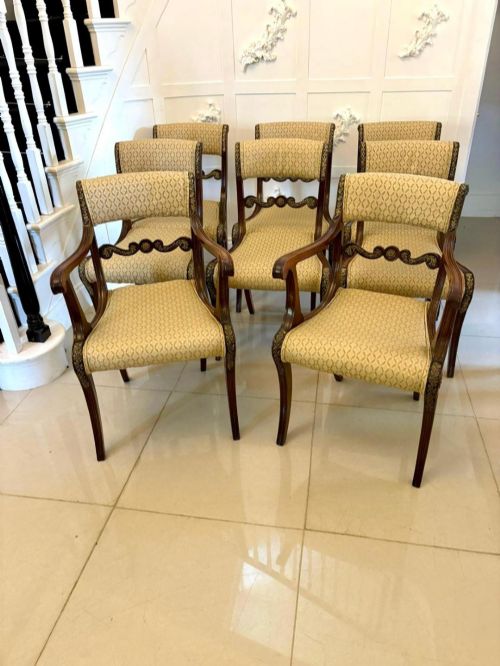
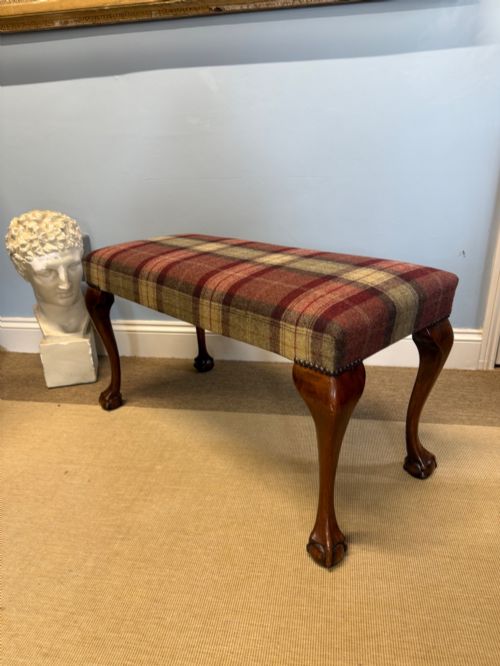
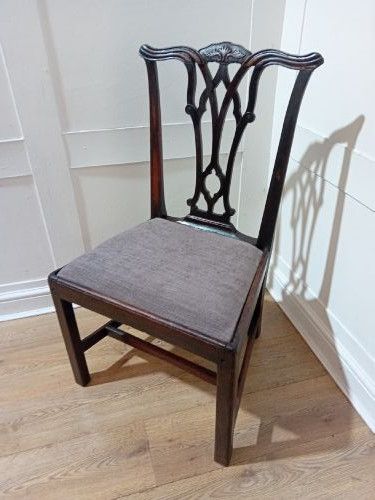


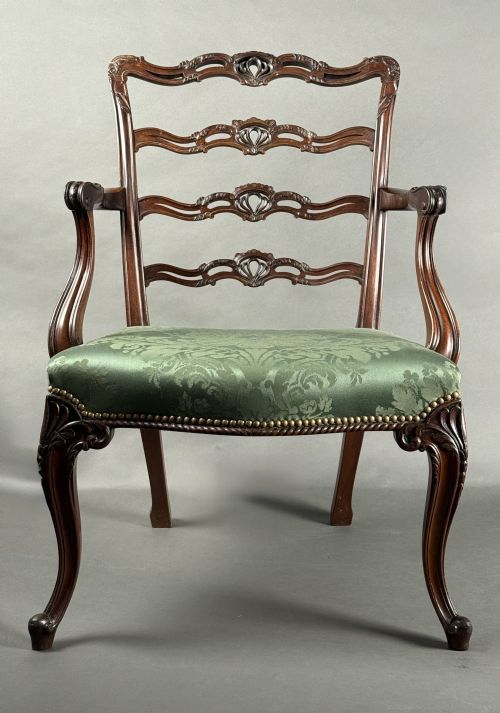
Georgian Mahogany Seating
Georgian mahogany seating brings solid timber and proportion to a room, offering dining chairs, armchairs, and benches built to last.
Georgian Mahogany Seating
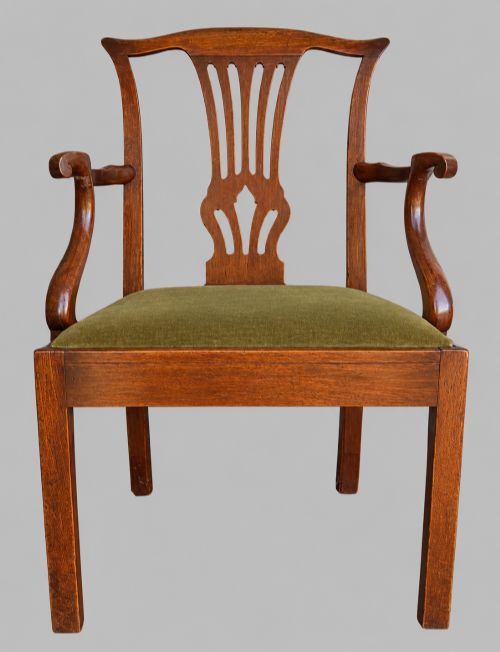
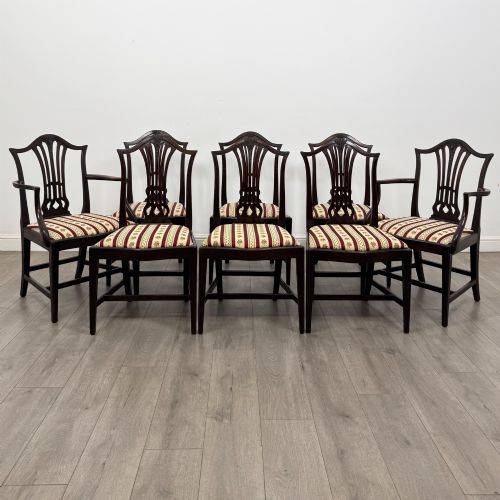
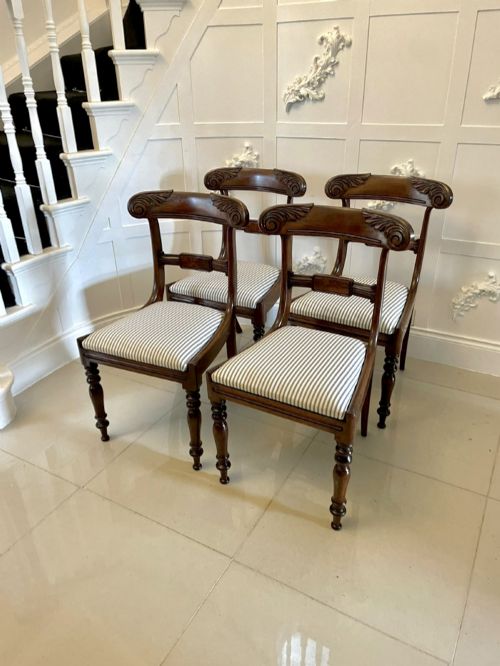
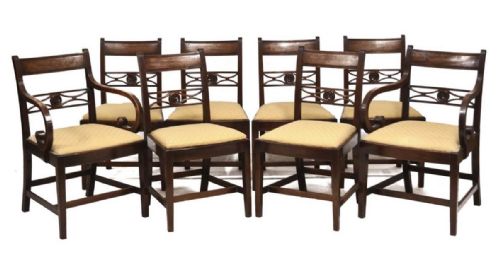
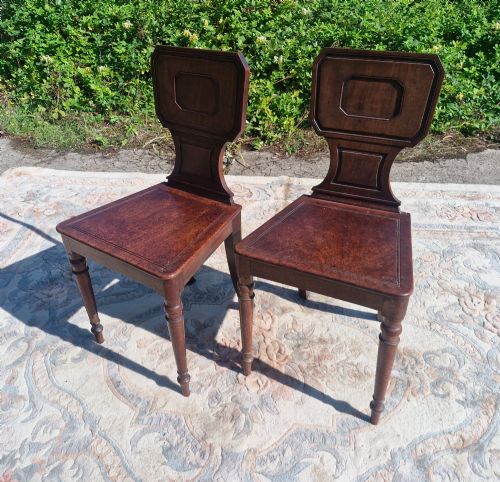
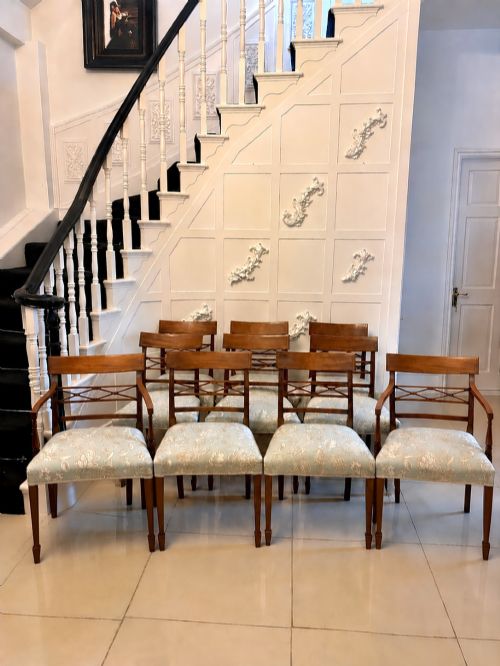
When you search for georgian mahogany seating, you encounter dining chairs, armchairs, hall chairs, and benches spanning the eighteenth and nineteenth centuries, along with later revival pieces.
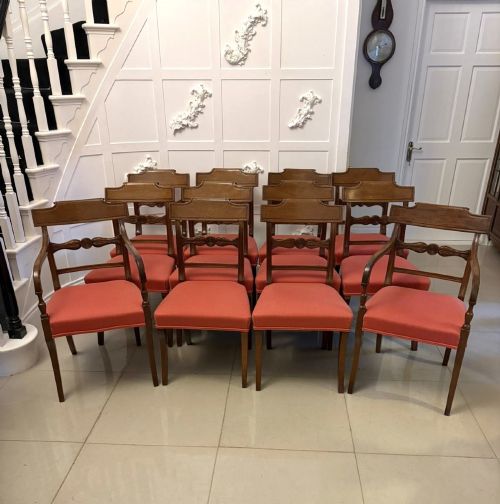
The most common forms on this page are sets of dining chairs and individual armchairs, originating from the Georgian, Regency, and William IV periods, supplemented by later Georgian Revival pieces.
Makers utilised dense timber to create sturdy seats for dining rooms, halls, and libraries, incorporating styles such as Chippendale, Hepplewhite, and Sheraton.
Materials and construction
Makers relied primarily on mahogany timber, prized for its strength and rich grain, often combined with brass inlay for decorative emphasis in Regency pieces.
Upholstery involved materials like leather, velvet, fabric, and cane seats, supported by webbing and horsehair stuffing within the wooden frames.
Joinery methods such as mortise and tenon joints ensured stability across dining chairs, stools, and benches without relying on metal fasteners.
Georgian Mahogany Seating Retail Price Guide 2026
Typical asking prices for georgian mahogany seating among the pieces listed under this phrase on Sellingantiques today, from the lower quarter to the upper quarter. They describe what is for sale here now, not the wider market.
Listings feature mahogany timber alongside brass, leather, velvet, and cane across eighteenth and nineteenth-century forms.
Judging the standard
Quality rests on the crispness of the carved details on backs and legs, distinguishing hand-carved depth from softer, later machine work.
The integrity of the timber frame, uniformity across a large set of chairs, and the preservation of original or period upholstery materials elevate certain examples above others.
Gillows·Whytock & Reid
The Georgian Mahogany Seating Glossary
- Carver
- An armchair, often designed with elbows to match a set of single dining chairs.
- Shield back
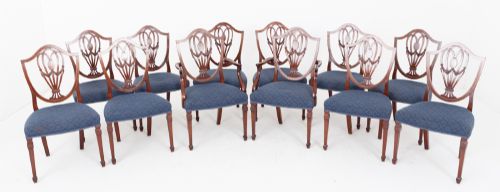
- A chair back shaped like a shield, popularised in the late eighteenth century by designers like Hepplewhite.
- Bar back
- A horizontal wooden slat across the upper back of a chair, characteristic of the William IV period.
- Elbow chair
- An armchair with wooden supports for the arms, suitable for a desk or dining table.
Georgian Mahogany Seating: Frequently Asked Questions
How do I identify a genuine period piece?
Examine the timber colour, tool marks, and construction joints beneath the seat to assess age. Period pieces show hand-cut joinery and natural timber ageing that modern reproductions cannot replicate.
Compare the style and proportions against documented examples from the eighteenth and nineteenth centuries to confirm authenticity.
Can I use these chairs for daily dining?
Solid mahogany construction provides the sturdiness required for regular seating use around a dining table. Many sets remain fully functional for everyday meals.
Check that the joints remain tight and the upholstery stable before placing them into heavy daily service.
What is the difference between single chairs and carvers?
Single chairs feature no arms and were designed to line up neatly around a dining table. Carvers include armrests and typically sat at the head and foot of the table.
A matching set usually pairs several single chairs with two carvers.
How do I care for mahogany timber and upholstery?
Maintain the wood by applying appropriate wax polish periodically to preserve the sheen and nourish the timber. Avoid placing pieces near direct heat sources or strong sunlight.
Protect fabric or leather upholstery with gentle cleaning methods suited to the specific textile.