
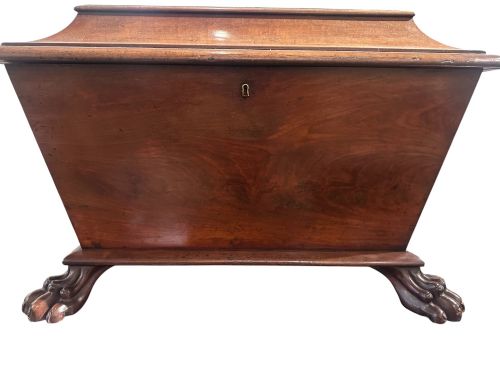
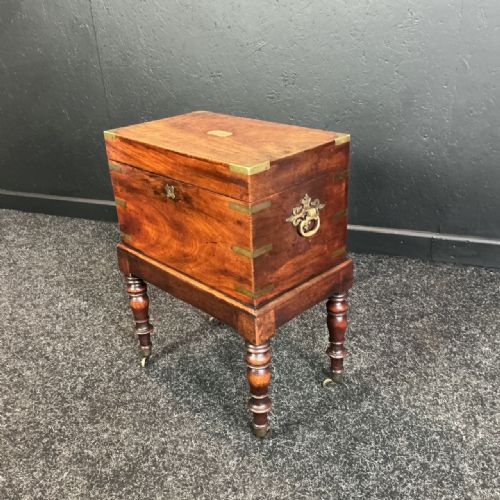
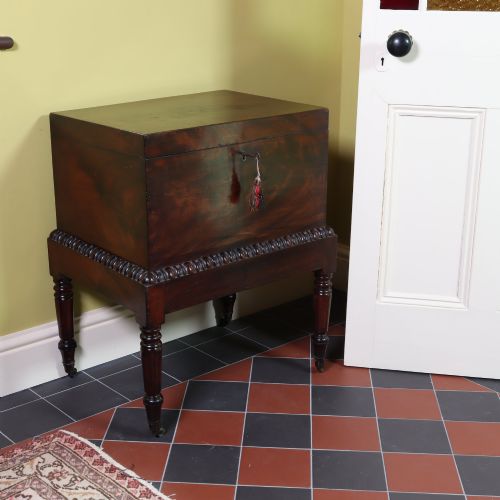

Georgian Mahogany Sarcophagus
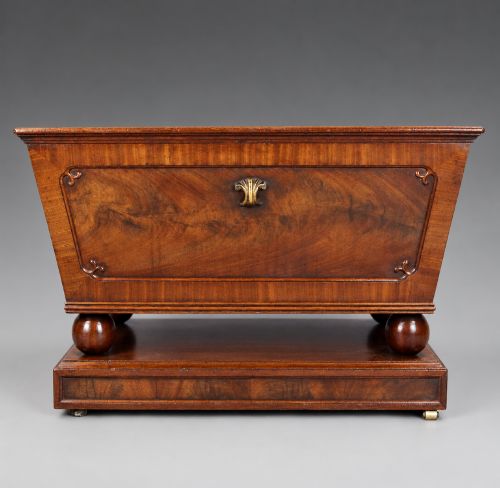
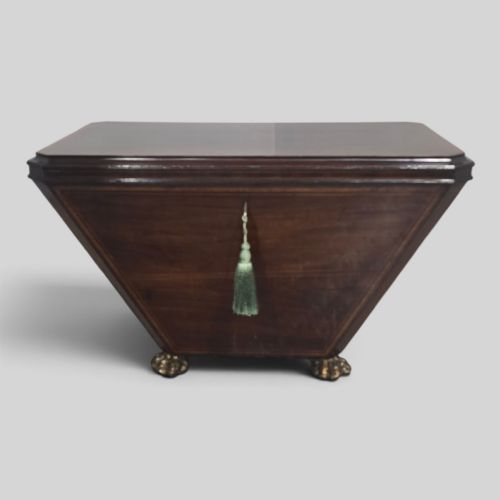
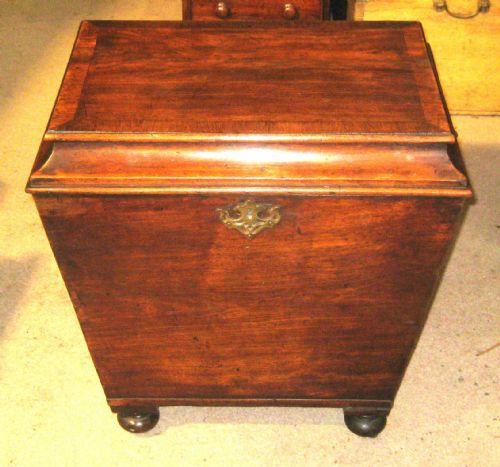
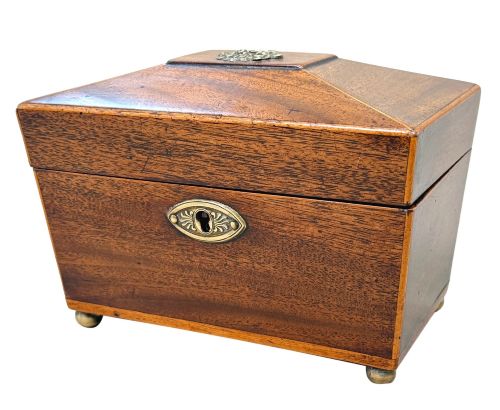
A georgian mahogany sarcophagus brings classic architectural presence to a room, serving primarily as a substantial wine cooler, cellarette or tea caddy.
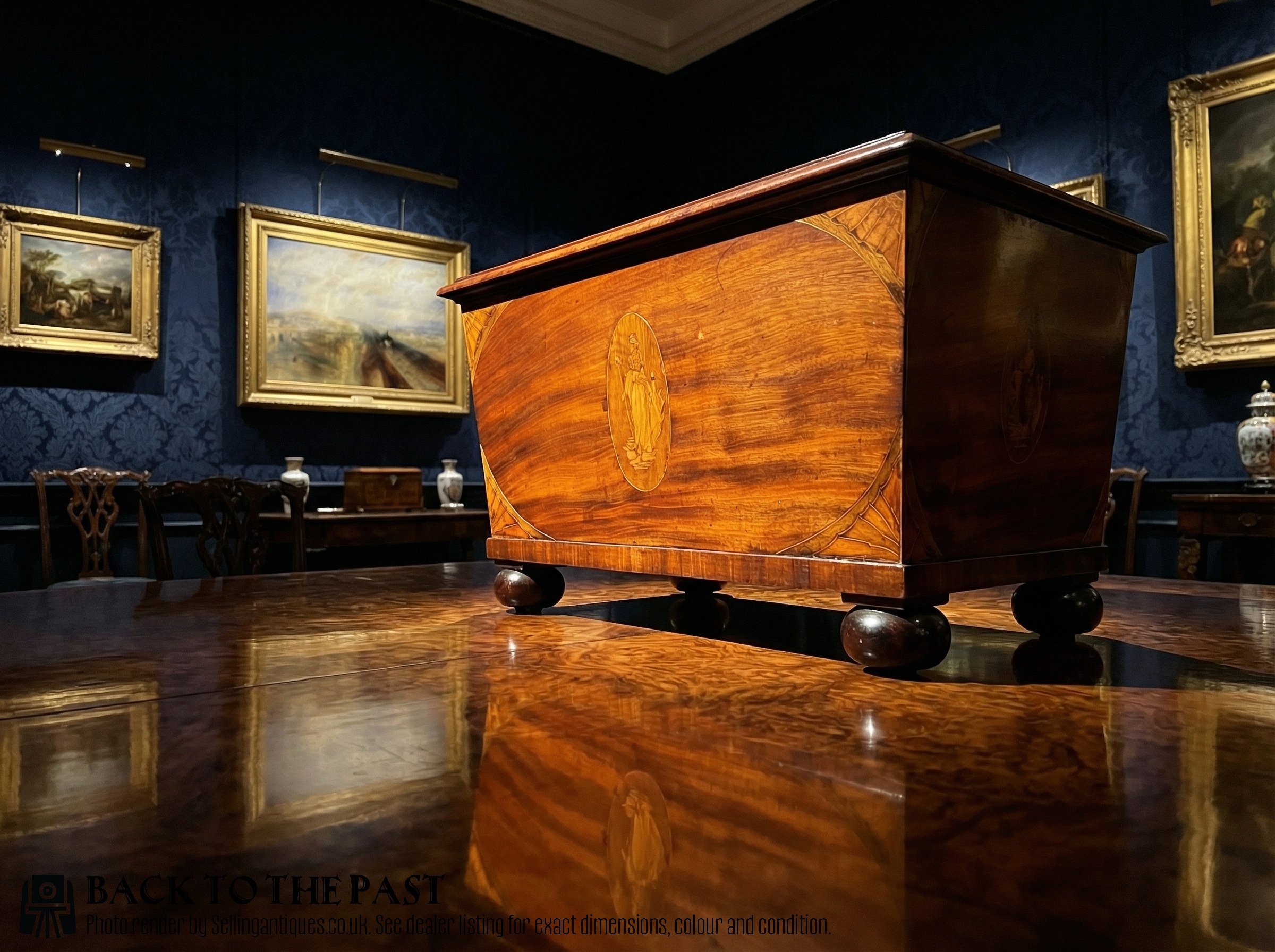
Georgian Mahogany Sarcophagus
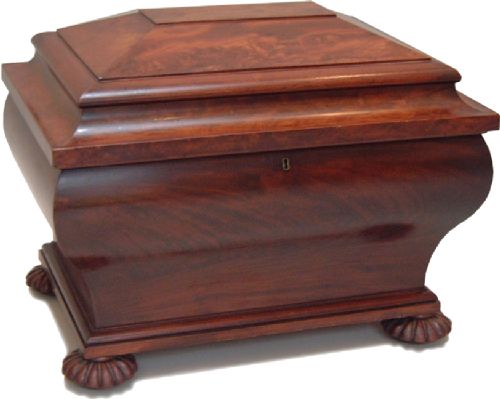
When you search for a georgian mahogany sarcophagus, you encounter heavy timber containers modelled after ancient monumental tombs, adapted for domestic service in the dining room or drawing room. The evidence shows these pieces span the eighteenth century, the Regency era and the nineteenth century, taking the form of large wine coolers, cellarettes and smaller tea caddies.
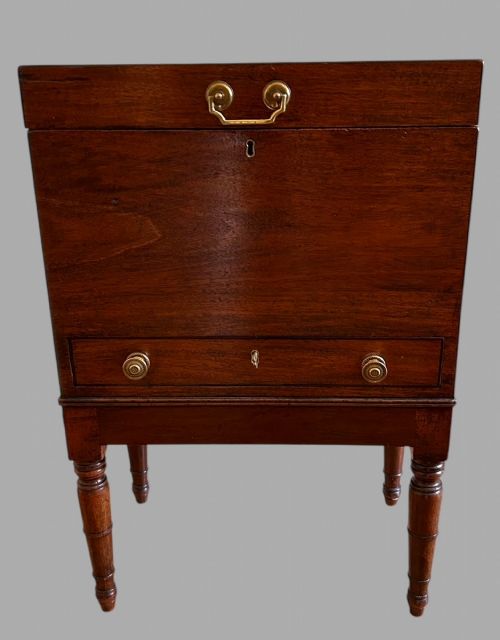
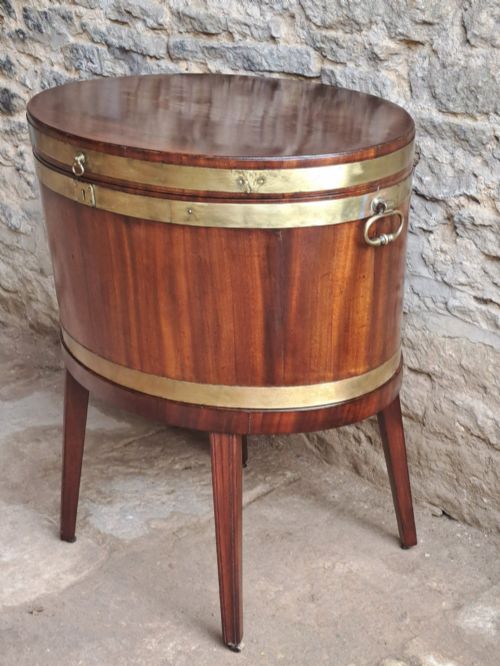
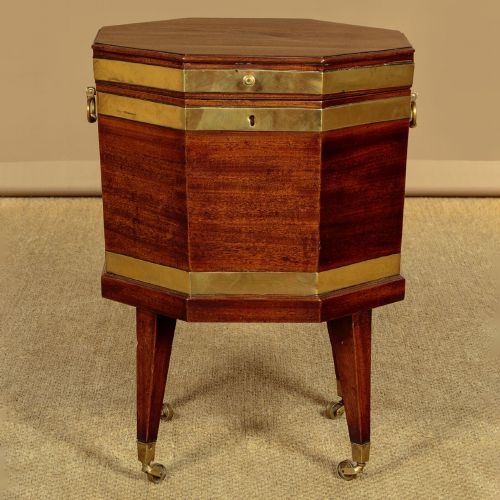
The version you are most likely to meet on this page is the freestanding wine cooler or cellarette standing on paw feet or a plinth base. These domestic containers often retain internal lead linings or dividers designed originally to chill bottles or store tea leaf varieties.
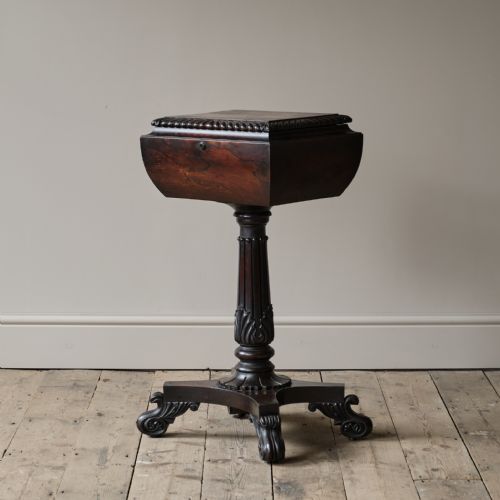
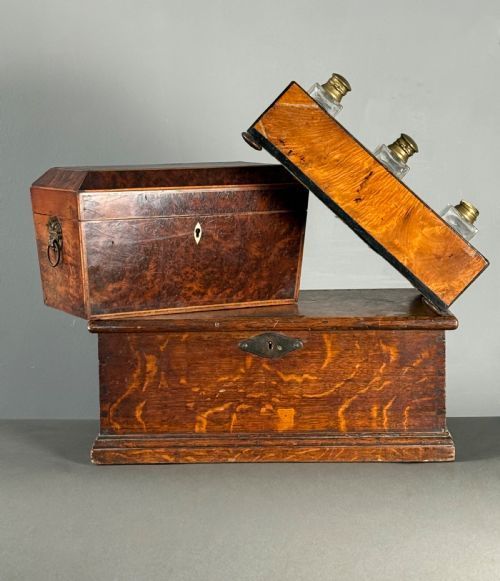
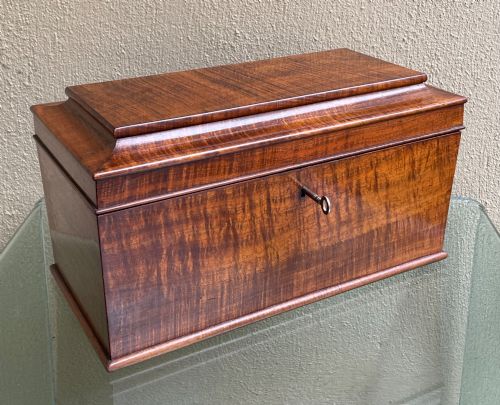
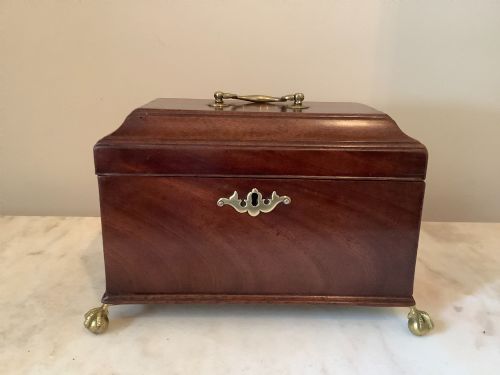
Makers applied the sarcophagus shape to tea containers as well as drinks chests, resulting in portable boxes with hinged lids and fitted interiors. Alongside standard cabinet work, the listings record specialised forms such as teapoys and spirits cellarets.
How they were made
Cabinet makers selected dense timber stocks, utilising figured flame mahogany and standard mahogany veneers over solid secondary woods. Workshops enhanced these surfaces with contrasting stringing and banding in boxwood, ebony and bone.
Structural hardware played a vital role in construction, with heavy brass carrying handles, lion mask rings and brass banding securing the heavy timber joints. Internal fitments often included glass mixing bowls, secret drawers and lead linings soldered at the seams.
Several boxes contain cunning secret drawers designed to outsmart tea-stealing servants.
What varies in quality
The distinction between ordinary production and top tier work rests on timber selection and decorative restraint. Pieces utilising highly figured flame mahogany veneers demonstrate superior cabinet work compared to plain stock.
Attention to detail in the mounts separates standard boxes from masterworks. Quality examples integrate original cast brass handles, well executed boxwood inlay and intact internal fitments such as lead liners and glass bowls.
Edwards and Roberts·Gillows
The Georgian Mahogany Sarcophagus Glossary
- Cellarette
- A lockable container used for storing wine and spirits within the dining room. These boxes typically stood beneath the sideboard or on the floor.
- Teapoy
- A small stand or box designed to hold multiple varieties of tea leaves. They often sat on a central pillar or rested on table surfaces.
- Flame mahogany
- A highly decorative veneer cut from the branch junction of the mahogany tree. The grain pattern creates a distinctive flickering flame effect.
- Boxwood inlay
- Contrasting light wood inserted into recesses cut into the darker mahogany surface. This technique created geometric borders and fine lines.
- Lead liner
- A waterproof metal insert placed inside wine coolers to hold melting ice and cooling water. Surviving liners indicate original domestic function.
Georgian Mahogany Sarcophagus: Frequently Asked Questions
What was a sarcophagus wine cooler used for?
These large timber boxes held bottles of wine and spirits inside the dining room during formal meals. Servants packed ice and water around the bottles inside the lead lined interior to chill the drink before serving.
Over time the containers evolved into fixed pieces of furniture often placed beneath sideboards or beside the dining table. Their heavy construction kept beverages cool for hours during long dinner parties.
How do I tell a tea caddy from a cellarette?
Tea caddies are generally smaller boxes designed to sit upon tabletops or tea tables, featuring internal compartments for loose tea leaves and sometimes a glass mixing bowl. Cellarettes are substantially larger freestanding chests meant to rest on the floor and hold heavy glass bottles.
While both share the characteristic tomb shape when matching this search, their scale and internal fittings immediately separate the portable tea container from the dining room drinks chest.
Where should I place one in my home?
A large cellarette works well freestanding in a dining room or hallway, functioning as a low side table or decorative container. Smaller tea caddy versions suit tabletops, sideboards or desks where their inlaid timber surfaces remain visible.
Their architectural proportions allow them to sit comfortably in both traditional and contemporary interiors as focal storage pieces.
How do I date a mahogany sarcophagus?
Dating relies on examining the timber grain, construction methods, hardware and decorative motifs present on the piece. Eighteenth century and Regency examples often feature heavy brass lion mask handles, paw feet and elaborate boxwood stringing.
Later nineteenth century revival pieces tend to utilise different secondary woods and mechanical joinery methods while imitating earlier Georgian and Regency designs.