
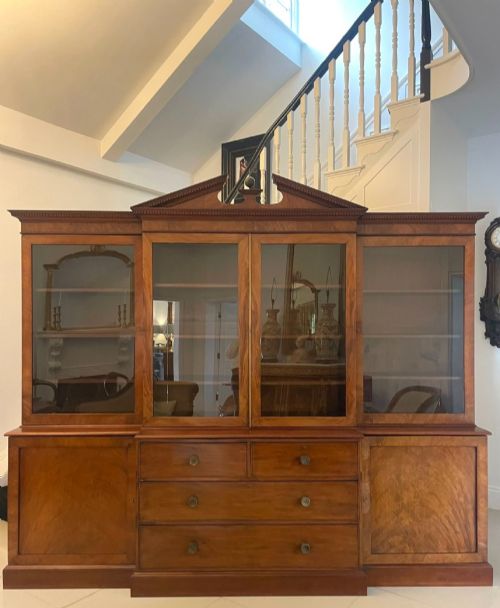
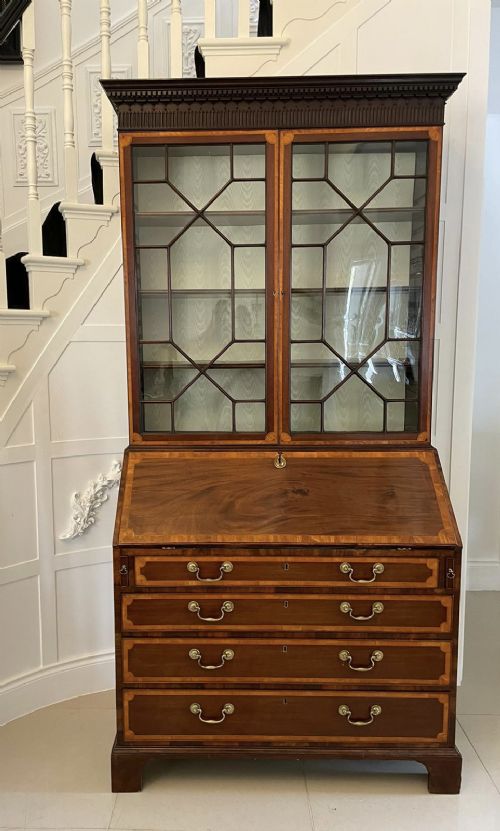
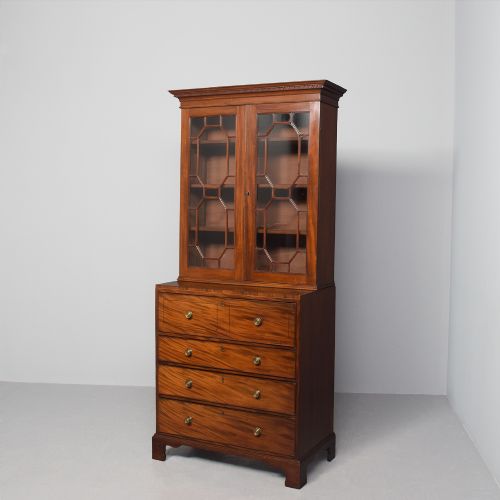
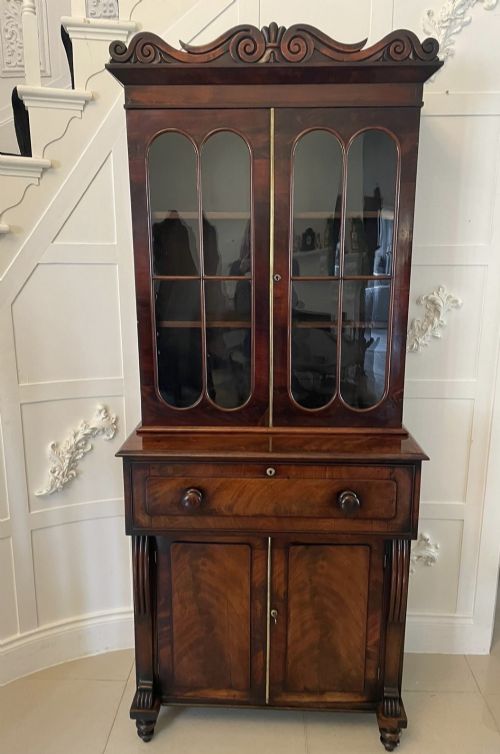
Georgian Mahogany Glazed Cabinet
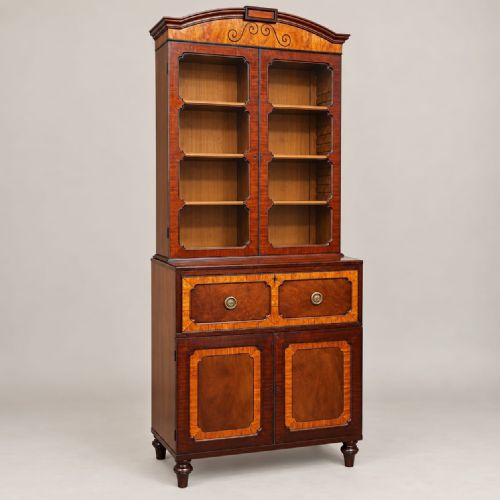
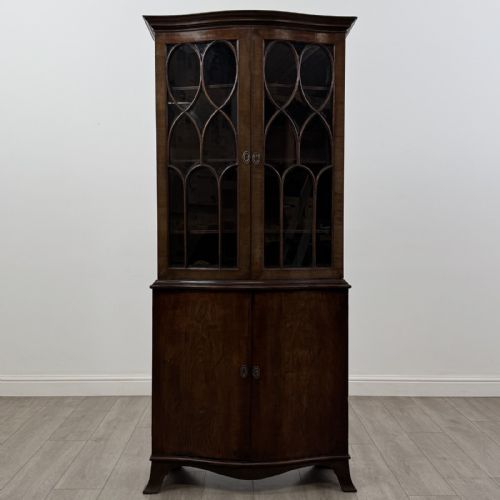
A georgian mahogany glazed cabinet brings rich timber, classical proportions and clear glass together to display and store prized volumes or porcelain.
Georgian Mahogany Glazed Cabinet
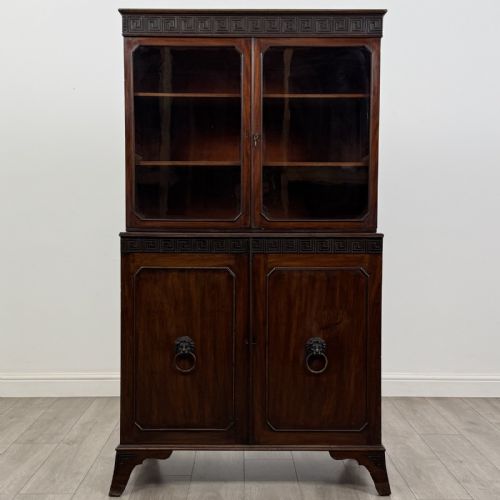
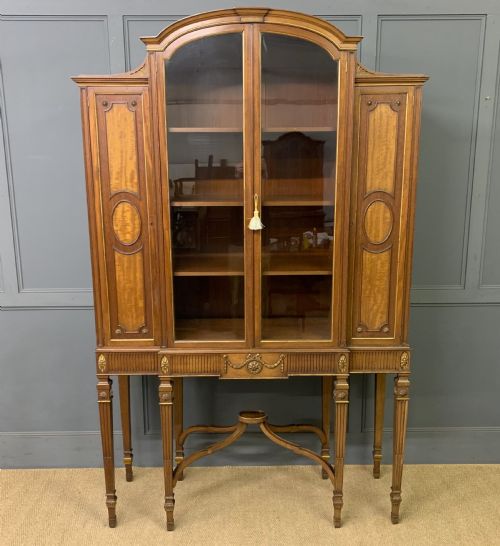
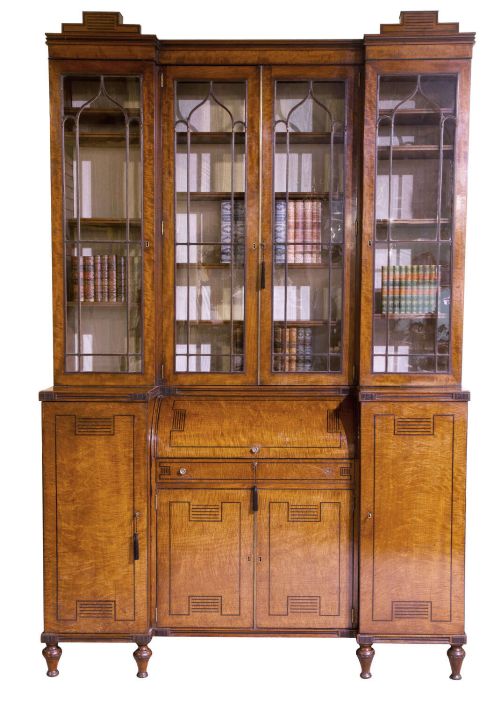
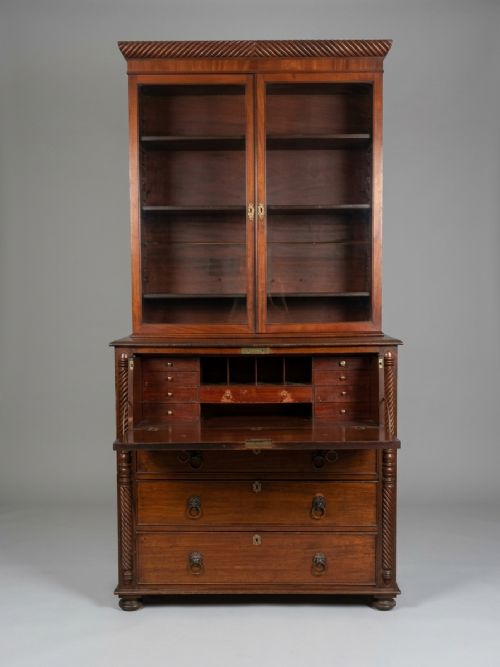
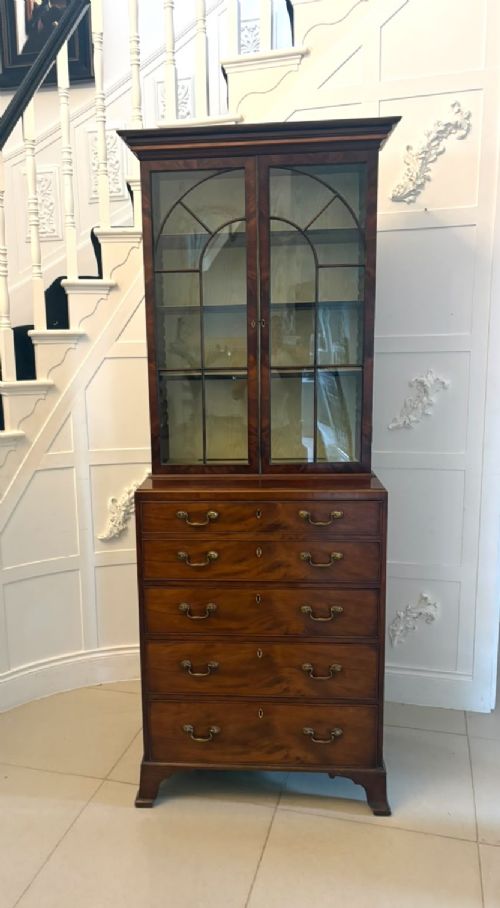
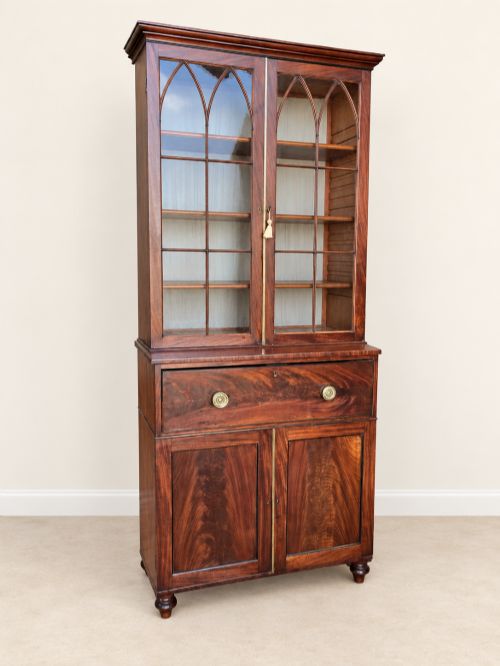
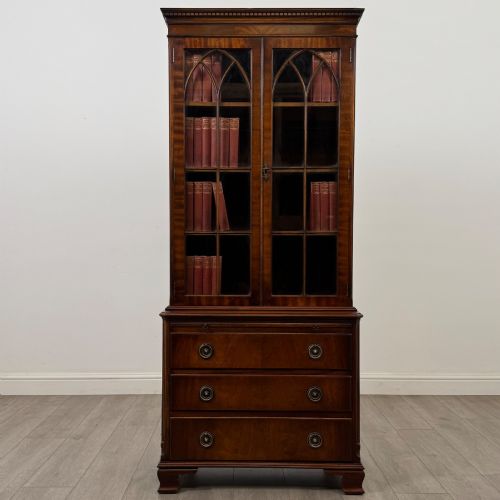
A georgian mahogany glazed cabinet encompasses bookcase forms, secretaire bookcases, tall breakfront libraries, side cabinets, and corner cupboards designed for domestic interiors.
The pieces span the georgian, regency, and victorian eras, alongside later revival interpretations in the 19th and 20th centuries.
Examples range from grand full-height standing furniture down to small hanging wall cupboards and miniature display pieces.
Materials and construction
Carpenters utilised solid mahogany and figured veneers, frequently enhanced with satinwood, ebony, and marquetry inlay alongside brass hardware.
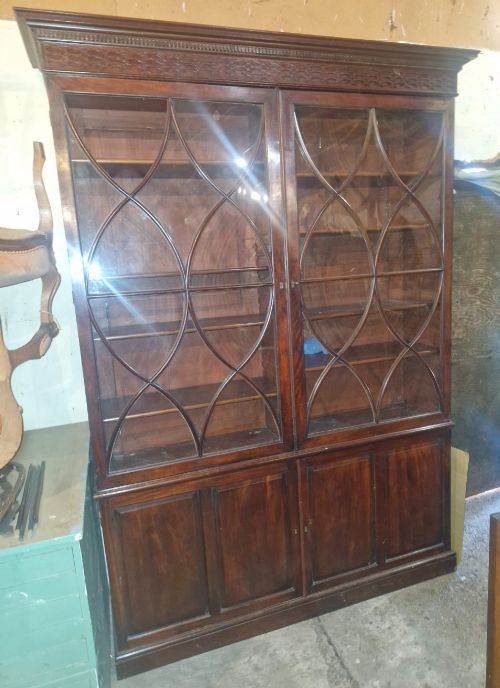
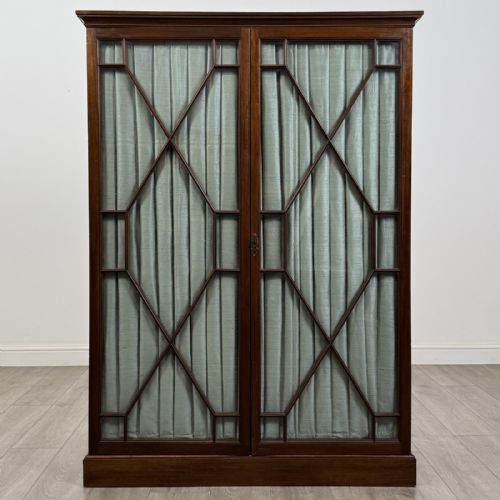
Glazing frames took the form of delicate wooden astragal bars arranged in geometric or gothic tracery to support individual panes of glass.
Secret compartments inside secretaire drawers meant important letters remained hidden right behind the library books.
Standards of craftsmanship
Superior execution shows in the choice of highly figured timber, precise hand-cut inlay work, and finely moulded astragal bars framing the glass.
Interior refinement distinguishes finer items, including fitted secretaire drawers with leather writing surfaces, pigeonholes, and adjustable shelving.
The Georgian Mahogany Glazed Cabinet Glossary
- Astragal glazed
- Descriptive of glass doors divided into small panes by narrow wooden glazing bars. These intersecting bars create delicate geometric patterns across the cabinet front.
- Breakfront
- A large piece of furniture where the central section projects forward from the flanking wings. This architectural arrangement adds depth and shadow to bookcases and display cabinets.
- Secretaire bookcase
- A tall cabinet featuring a pull-down writing drawer that conceals small drawers and pigeonholes. Above this fall-front desk sit the traditional glazed doors of a bookcase.
- Corner cabinet
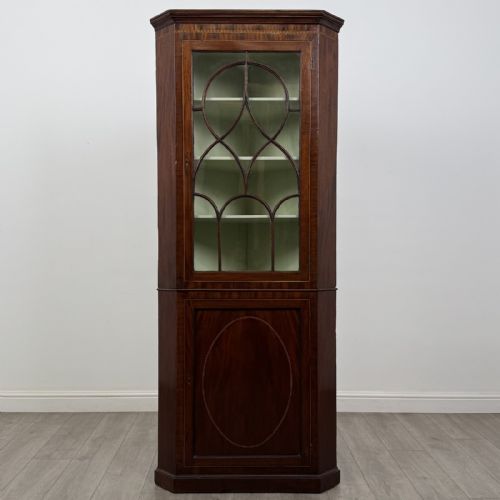
- A triangular piece designed to fit neatly into the corner of a room. Versions include standing floor units, hanging wall cupboards, and two-part constructions.
- Marquetry inlay
- Decorative patterns formed by fitting contrasting veneers into wooden surfaces. Craftsmen utilise woods such as satinwood and ebony to create floral or geometric motifs.
Georgian Mahogany Glazed Cabinet: Frequently Asked Questions
What is a secretaire bookcase?
A secretaire bookcase combines a shelved upper display section with a pull-down writing drawer at the centre. This fall-front drawer opens to reveal compartments, small drawers, and occasionally a leather writing surface.
Beneath this writing section, these pieces typically provide enclosed cupboard storage or additional drawers. This dual function made them essential multi-purpose furniture for studies and libraries.
How do I identify a georgian piece?
Authentic georgian pieces display proportions and timber selections characteristic of the 18th and early 19th centuries. Look for dense, aged mahogany surfaces, hand-cut dovetail joints, and traditional bracket or plinth feet.
Revival pieces made during the victorian and 20th-century eras often replicate these styles. Examining the interior construction and secondary woods helps clarify the actual period of manufacture.
Where were corner cabinets used?
Corner cabinets were built to utilise awkward room angles in dining rooms, parlours, and drawing rooms. Hanging versions fastened securely to wall studs, while standing models rested directly on the floor.
Their glazed upper doors allowed owners to exhibit fine porcelain and glassware while keeping dust away. The lower cupboards provided concealed storage for household items.
What is astragal glazing?
Astragal glazing refers to the narrow wooden mouldings that divide a large glass opening into smaller individual panes. These delicate bars formed geometric, arched, or gothic patterns across the cabinet doors.
Cabinetmakers constructed these frames by hand to securely hold the glass without obstructing the view inside. The refinement of these wooden bars often indicates the quality of the piece.