
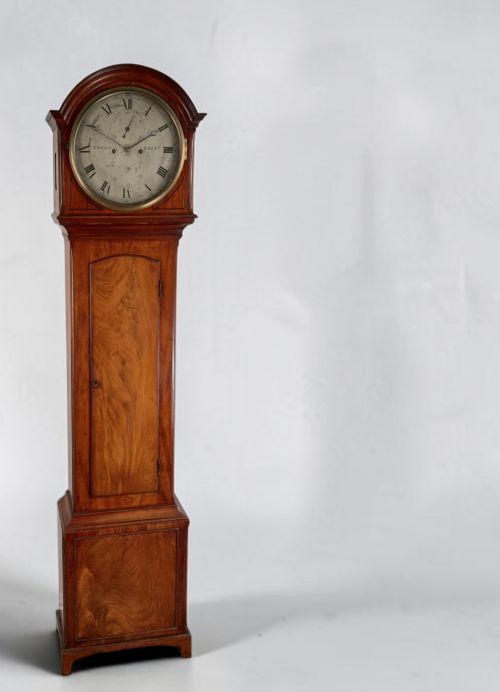
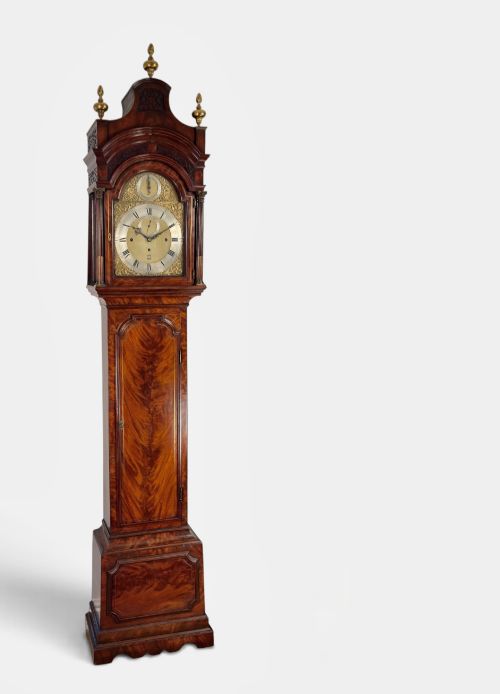

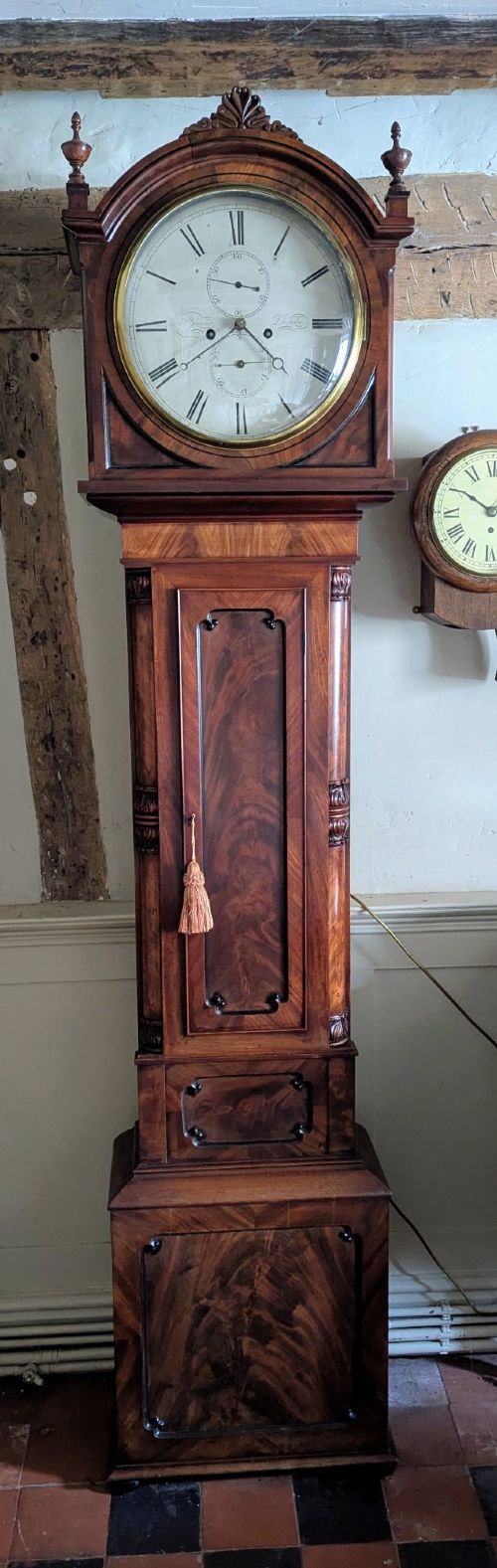
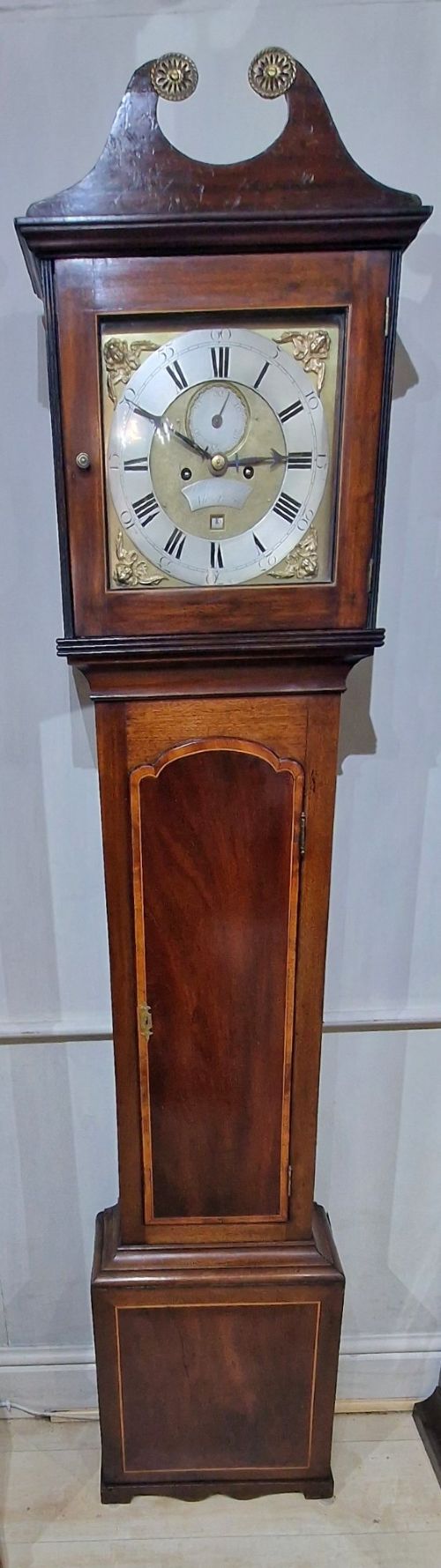
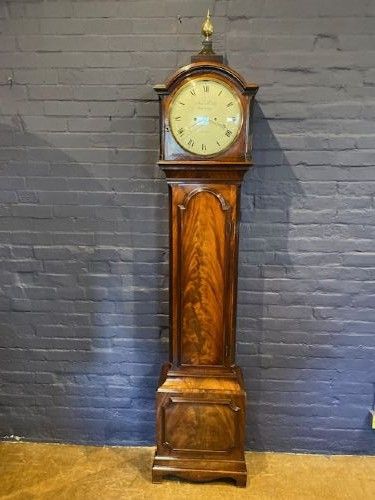
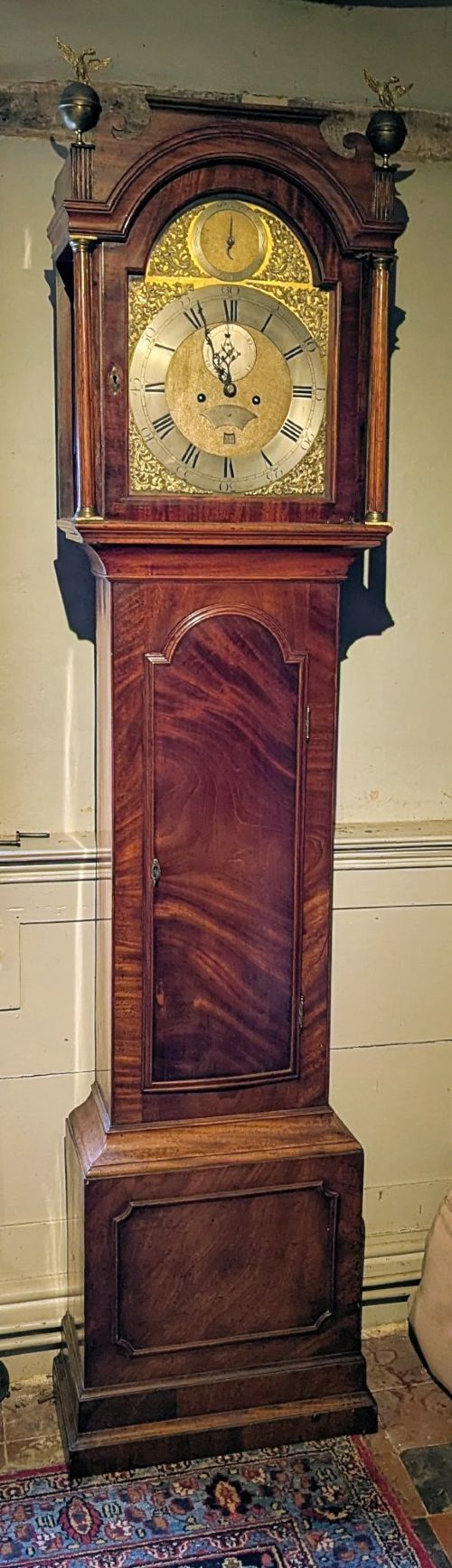
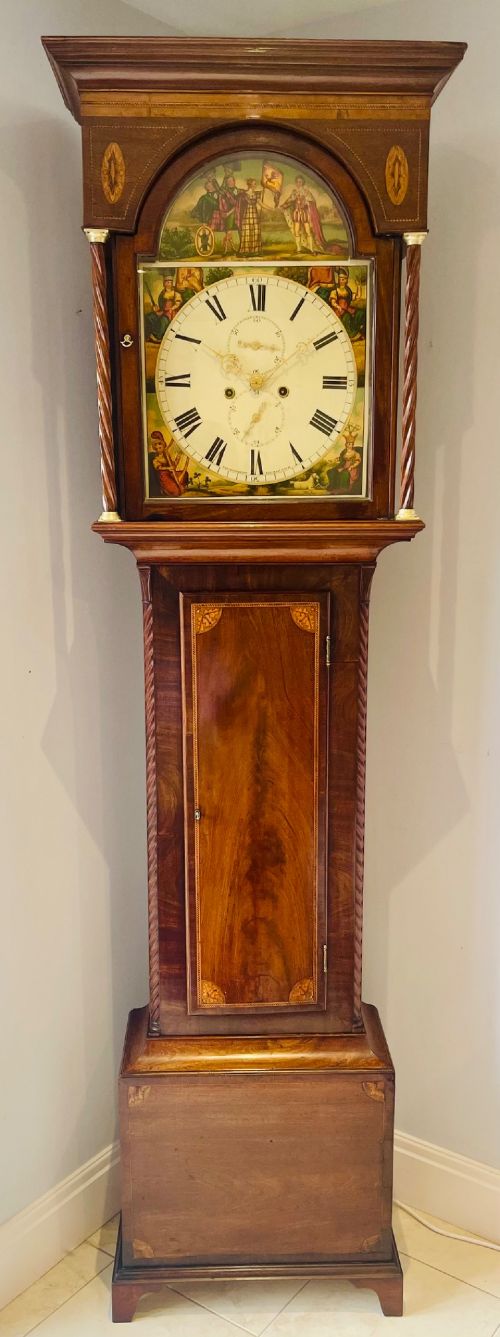
Georgian Mahogany Floor Clock
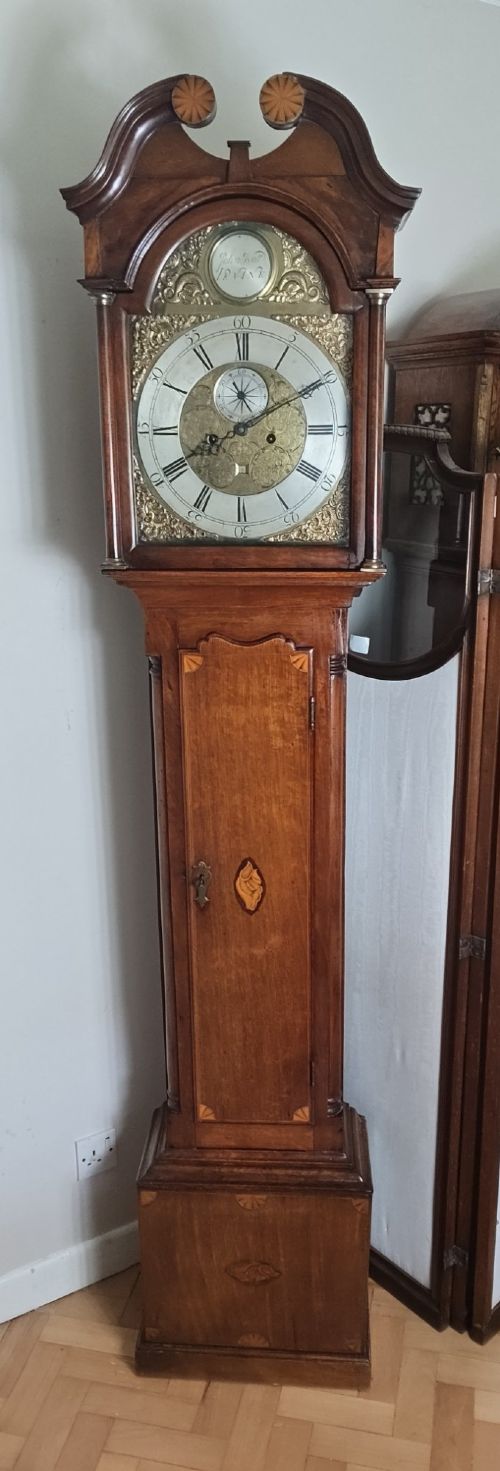
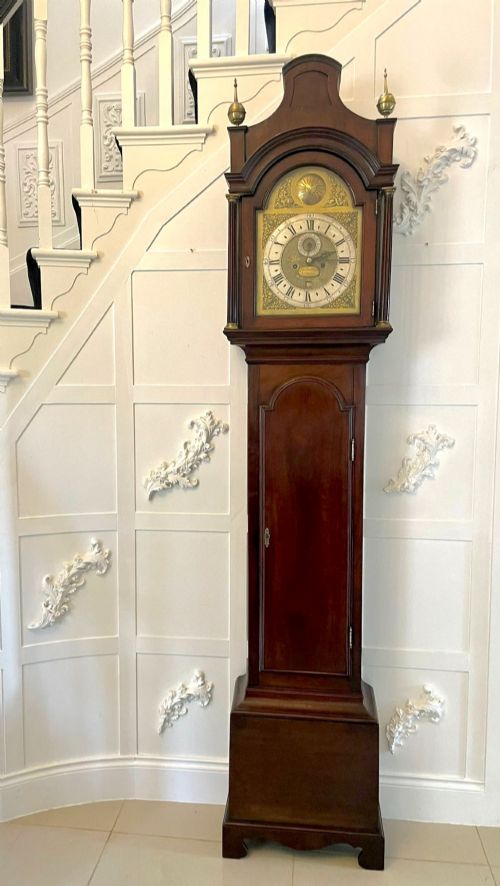
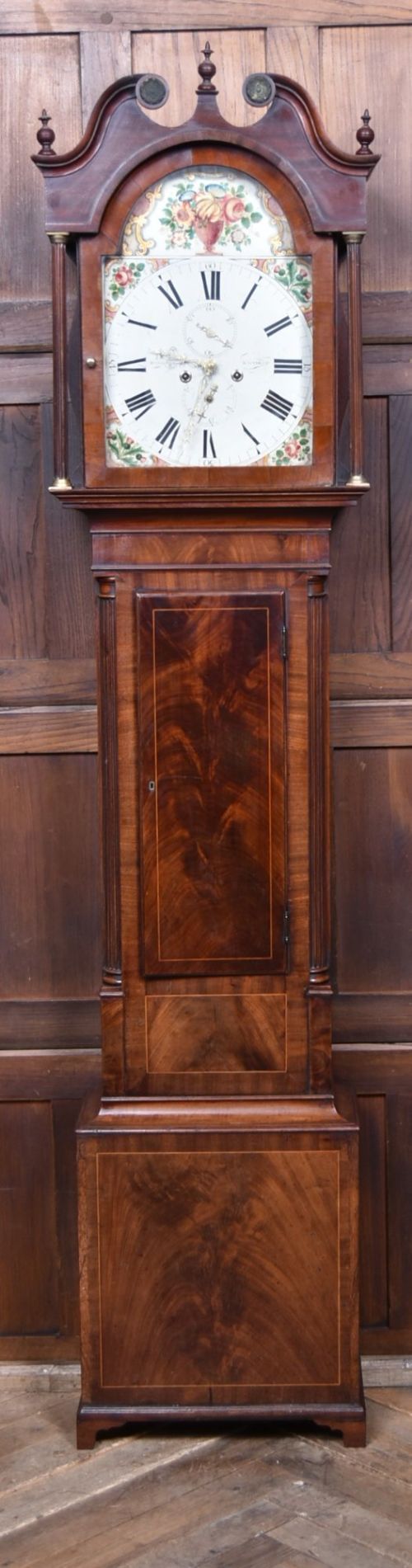
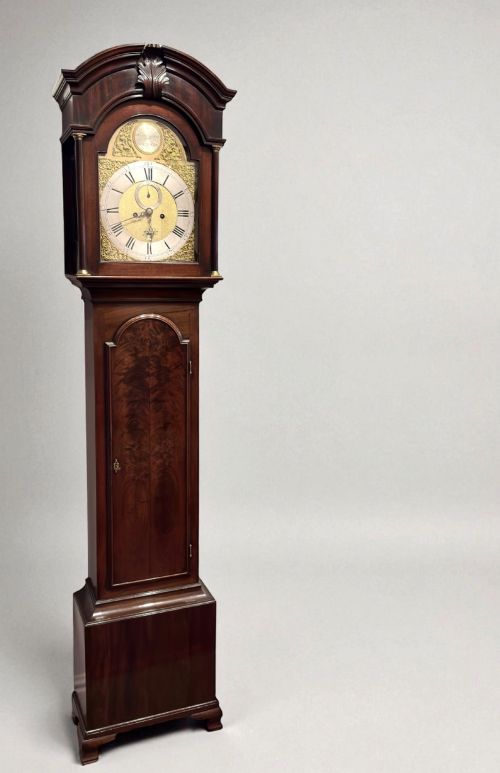
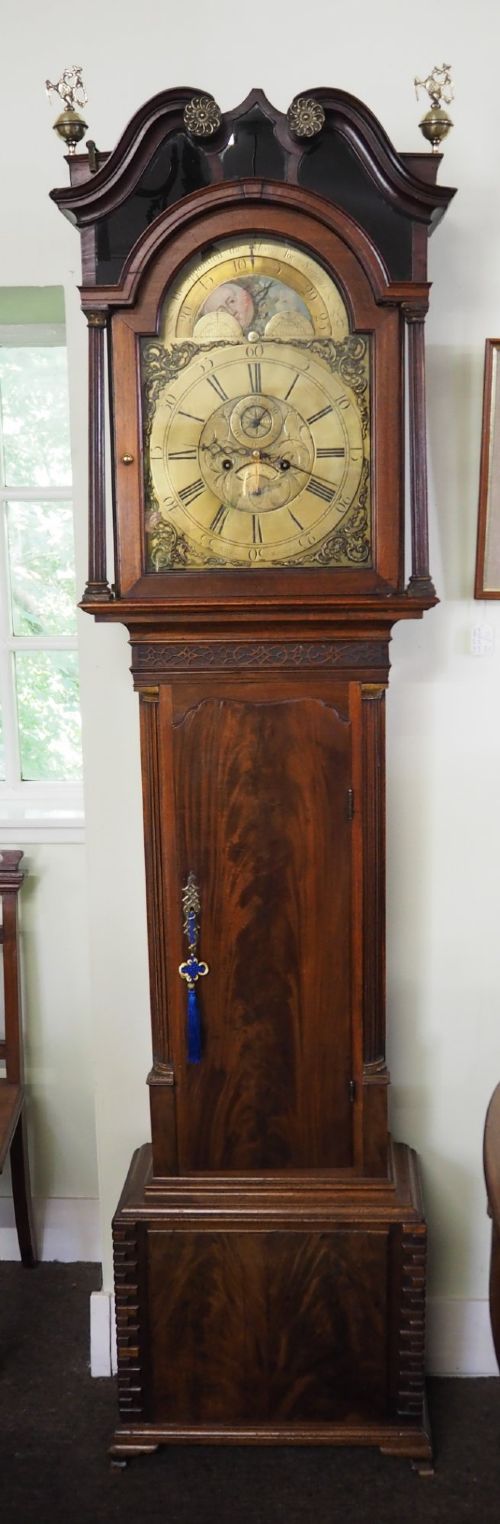
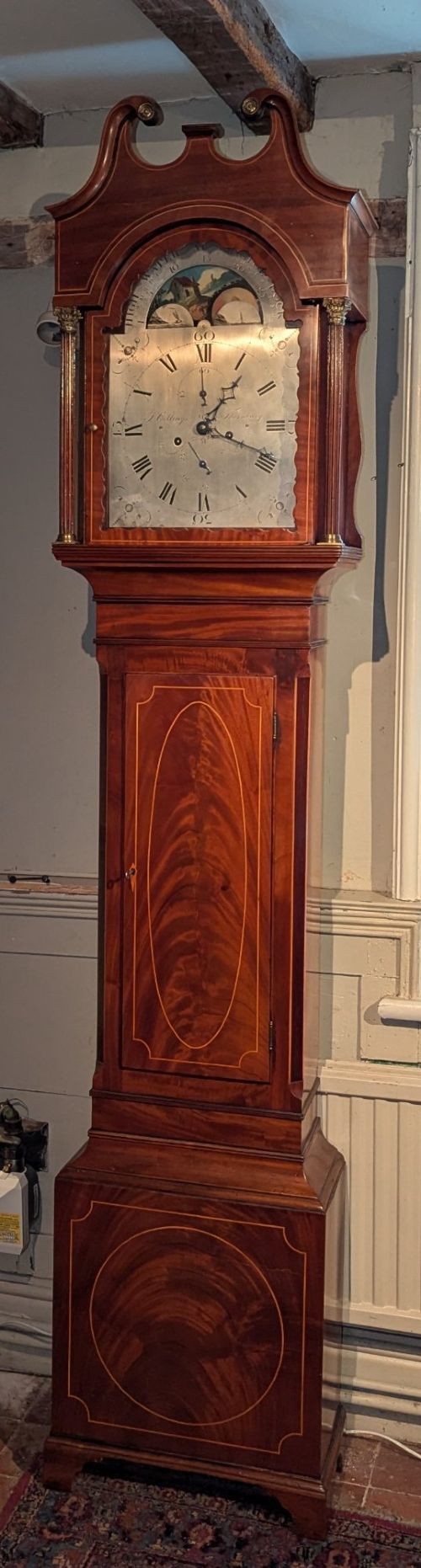
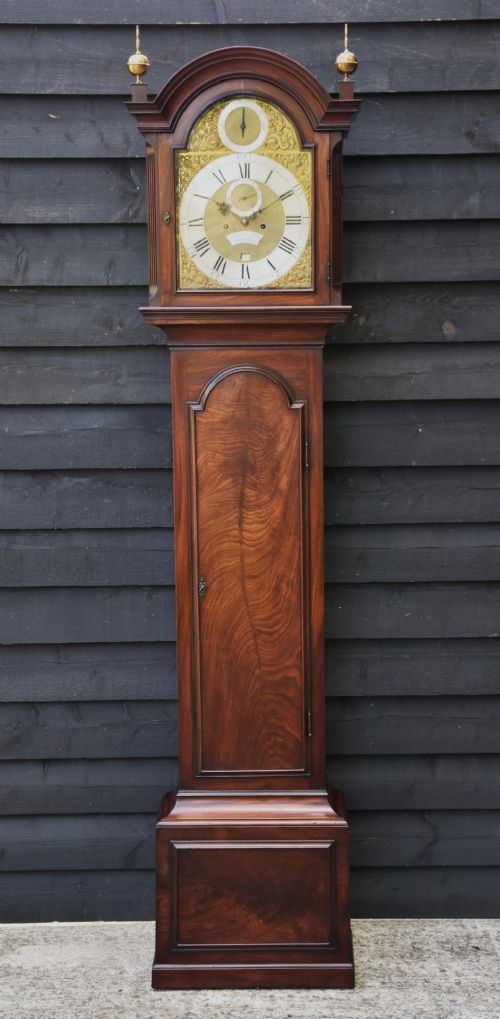
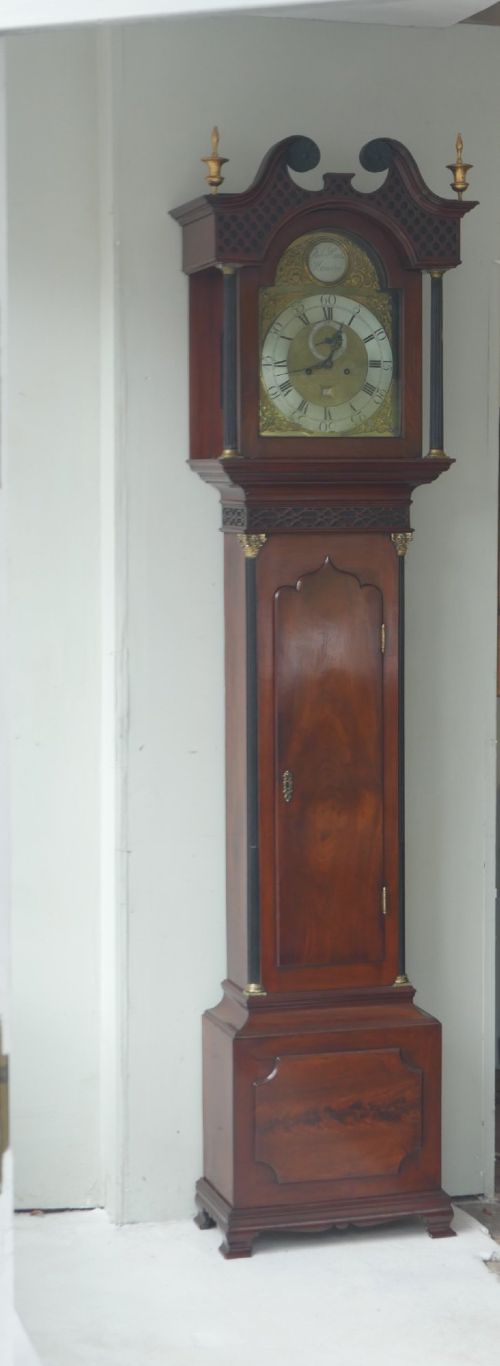
A georgian mahogany floor clock stands tall in a hall, measuring time with steady brass movements inside rich timber cases.
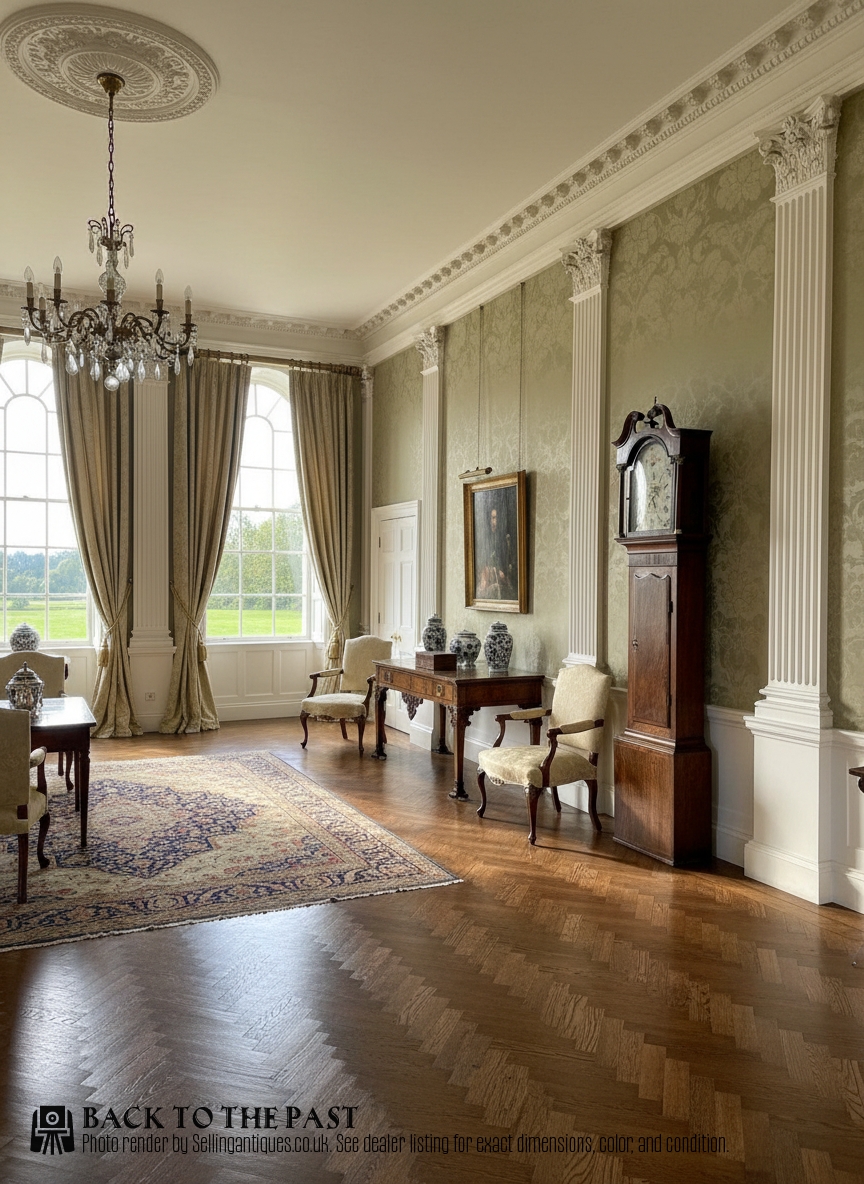
Georgian Mahogany Floor Clock
A georgian mahogany floor clock brings traditional timekeeping into a room through tall wooden cases enclosing weights and pendulums. These tall pieces also answer to the names of longcase or grandfather clocks.
Most examples appearing here date from the Georgian and 18th century periods, alongside later 19th century interpretations. Formats vary from London eight-day models to regional Scottish and Welsh variants.
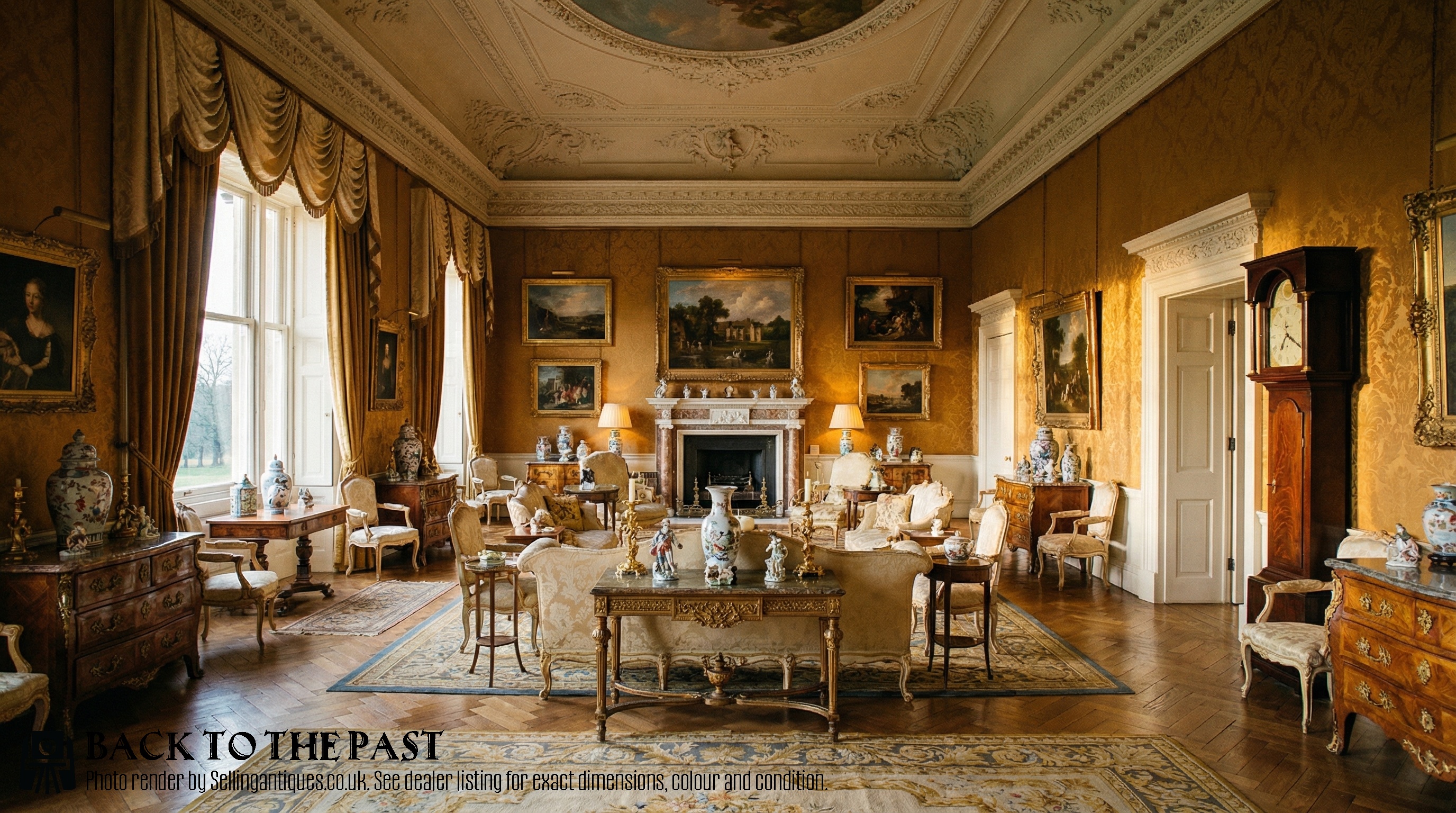
Materials and construction
Cabinetmakers built these tall cases primarily using solid mahogany, flame mahogany, and occasionally oak, pairing the timber with brass dials, steel works, and glass hood doors. Painted iron and enamel dials also appear frequently.
Georgian Mahogany Floor Clock Retail Price Guide 2026
Typical asking prices for georgian mahogany floor clock among the pieces listed under this phrase on Sellingantiques today, from the lower quarter to the upper quarter. They describe what is for sale here now, not the wider market.
Listings feature movements ranging from standard thirty-hour durations to complex eight-day mechanisms housed in mahogany and oak.
Determinants of quality
The refinement of the cabinetwork dictates the initial impression, separating plain pine-lined carcases from richly figured flame mahogany fronts with detailed inlay and paterae. Dial execution also plays a major role, distinguishing standard painted faces from finely engraved brass works.
The reputation of the maker inscribed on the dial elevates certain pieces, particularly those signed by notable London or provincial makers. Movement complexity, such as eight-day durations and quarter striking capabilities, further separates standard examples from superior pieces.

Charles Shuckburgh·John Ellicott·James Field·Handley and Moore·William Jourdain·Benjamin Taylor·Henry Weedon
The Georgian Mahogany Floor Clock Glossary
- Longcase clock
- A tall freestanding pendulum clock enclosed in a wooden case. This term serves as the formal description for grandfather clocks.
- Moon dial
- A rotating disc showing the phases of the moon through an arched opening on the clock face. It tracks lunar cycles alongside standard time.
- Strike silent
- A mechanism that allows the hourly chime to be muted without stopping the clock's movement. This function proves useful in sleeping quarters.
- Flame mahogany
- Timber cut from the fork of the mahogany tree to create a distinctive flickering flame pattern. Cabinetmakers reserved this veneer for prominent surfaces on high-grade cases.
- Paterae
- Small circular decorative reliefs carved or inlaid into furniture surfaces. They frequently accent the hoods and friezes of Georgian clock cases.
Georgian Mahogany Floor Clock: Frequently Asked Questions
How do I wind a longcase clock?
Open the waist door to access the weights suspended inside the trunk. Use the winding key to raise the weights slowly until they reach the top.
Take care not to overwind the mechanism, as this strains the lines and internal springs. Regular winding at consistent intervals keeps the pendulum swinging accurately.
Where should I place a floor clock?
Position the clock against a sturdy interior wall away from direct sunlight, heating vents, and damp doorways. Fluctuations in temperature and humidity affect the wooden case and movement.
Ensure the floor beneath the clock is level so the pendulum swings with an even beat. Adjust the feet if the tick sounds irregular.
How do I tell if a clock is Georgian?
Examine the proportions, timber selection, and dial construction for characteristics typical of the eighteenth and early nineteenth centuries. Cabinetmakers during this era favoured solid mahogany and restrained classical proportions.
Look at the maker signature inscribed on the dial face and cross-reference the name with known working dates. Regional styles from Scotland and Wales also exhibit distinct local cabinetmaking traits.
What is a moon phase dial?
A secondary dial painted with two moons rotates once every lunar month behind an arched aperture. This mechanical display tracks the waxing and waning of the moon.
Clockmakers added this complication for farmers and travellers who relied on moonlight for night journeys. It adds visual movement and colour to the upper portion of the dial.