


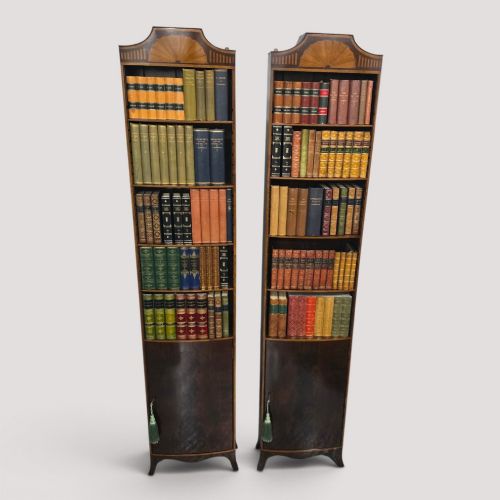
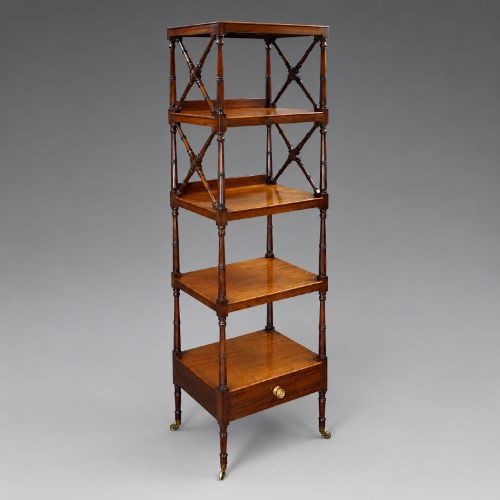
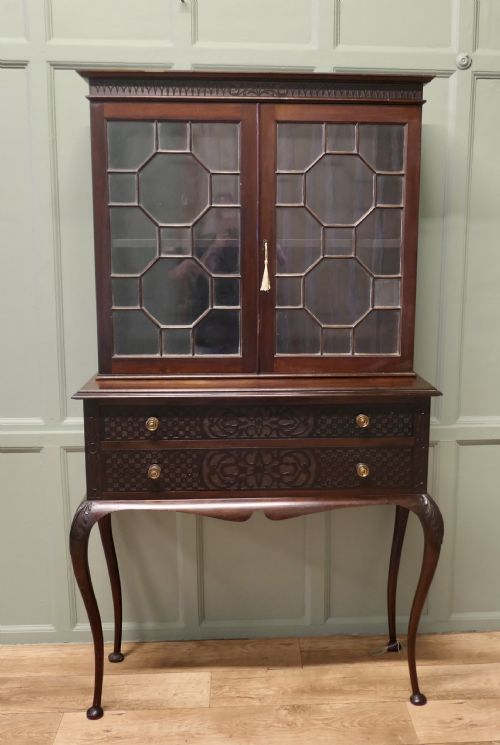
Georgian Mahogany Display Stand
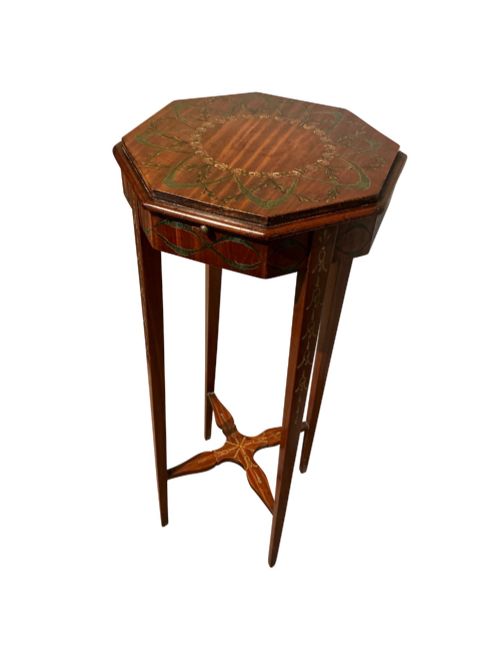
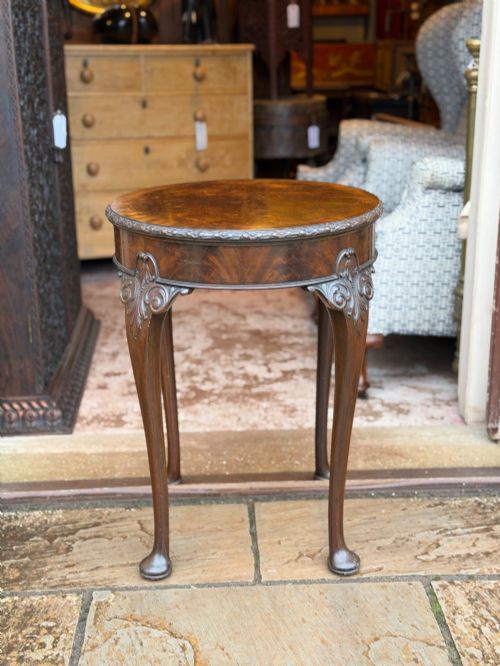
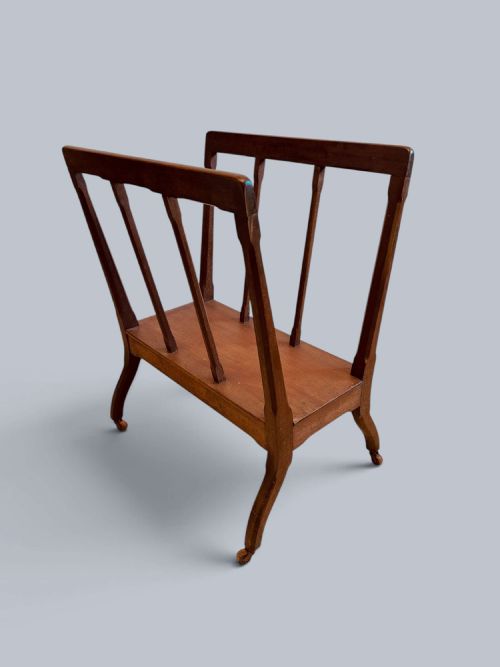
A georgian mahogany display stand brings timber warmth and practical surface space into a room.
Georgian Mahogany Display Stand
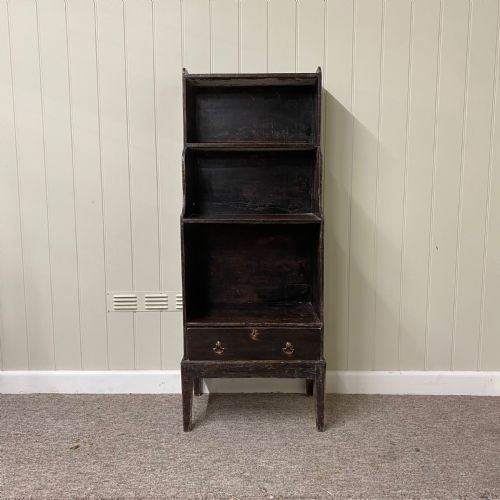
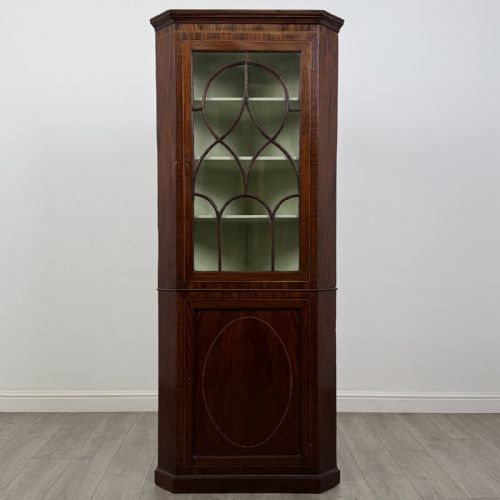
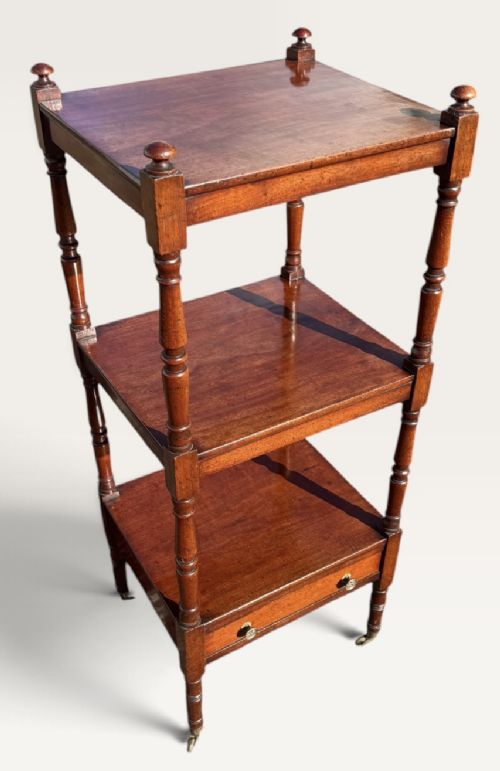
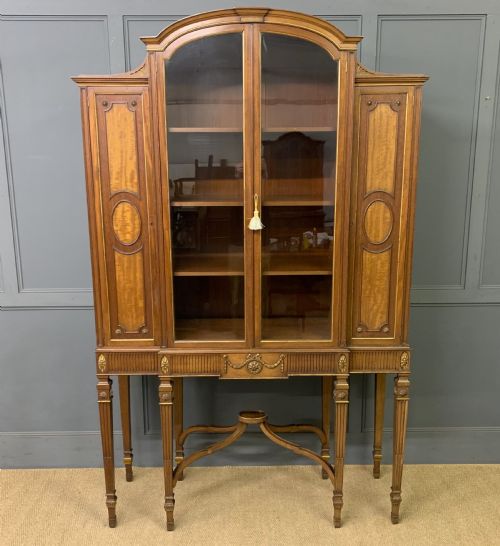
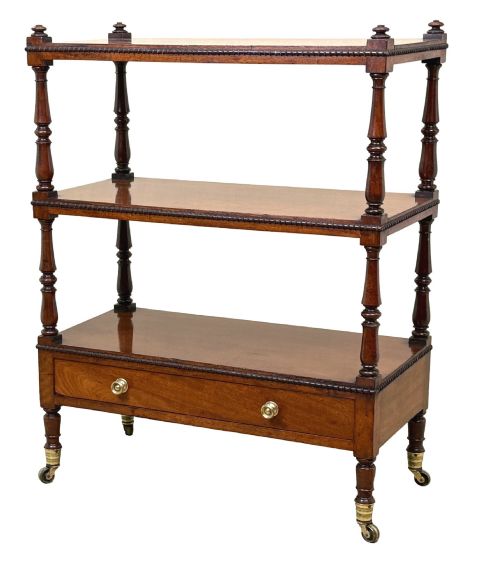
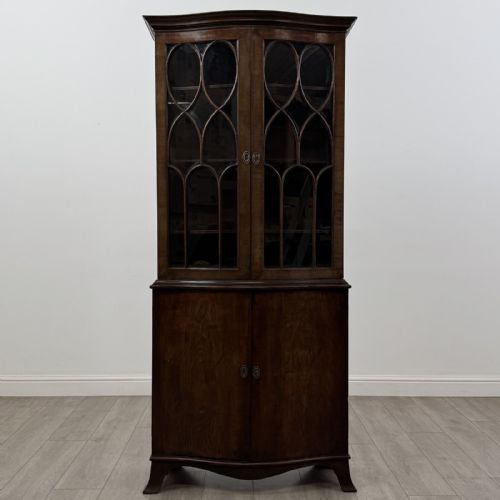
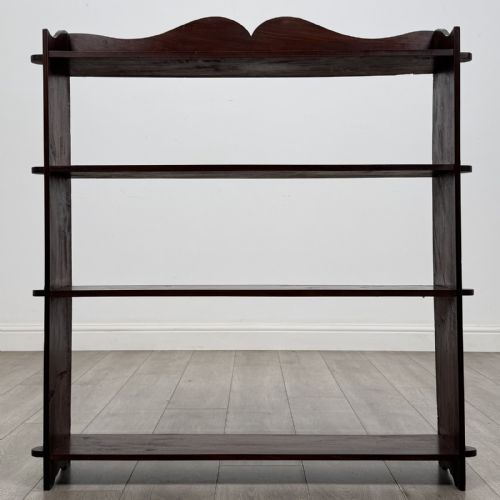
When searching for a georgian mahogany display stand, buyers encounter a diverse selection of tiered furniture designed to hold books, ceramics and decorative objects. These items range from open bookcases and corner cabinets to multi-tiered what-nots, etageres and plant stands.
The pieces appearing on this page span the Georgian, Regency and Edwardian periods, alongside later reproductions built in the Georgian style. Cabinets on stands and tiered shelf units predominate, offering vertical storage with modest floor footprints.
Originating in the eighteenth and nineteenth centuries, these stands served utilitarian and display functions in domestic interiors. Surviving examples reflect changing tastes in cabinet-making across the Georgian and subsequent eras.
Factors of quality
Quality in these stands rests on the selection of timber and the precision of the cabinet-making. Dense mahogany with rich figuring separates standard production items from finer workshop pieces.
Proportion, restraint in carving and the crispness of inlay work determine the visual success of a piece. Original glass, fittings and stable tiered construction indicate careful historic maintenance.
Georgian Mahogany Display Stand Retail Price Guide 2026
Typical asking prices for georgian mahogany display stand among the pieces listed under this phrase on Sellingantiques today, from the lower quarter to the upper quarter. They describe what is for sale here now, not the wider market.
The inventory includes bookcases, corner cabinets, etageres, plant stands and music stands.
Gillows·Edwards and Roberts·Maple and Co
The Georgian Mahogany Display Stand Glossary
- Mahogany
- A durable tropical hardwood prized for its deep reddish-brown colour and stable grain. It forms the structural and surface foundation for the majority of these pieces.
- What-not
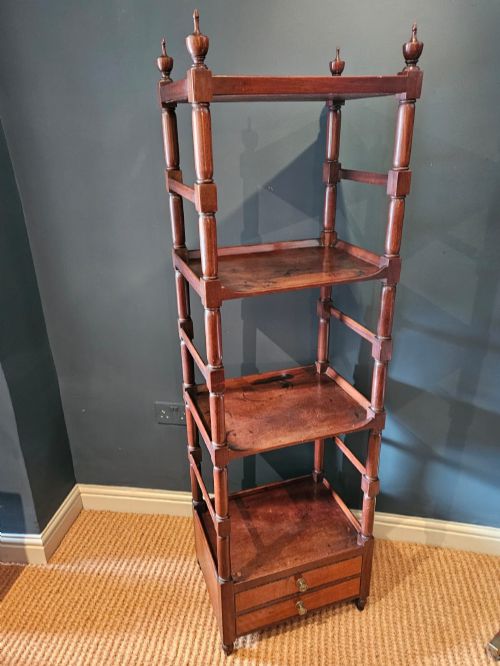
- A piece of furniture comprising multiple open shelves supported by pillars, used for displaying small objects. These tiers are common in multi-level stands.
- Astragal
- A moulding profile used to hold glass panes within a door frame. This framework divides cabinet doors into geometric glazed sections.
- Torchere
- A tall stand designed to support a candle, lamp or decorative plant. These slender supports form a distinct subgroup among display stands.
- Inlay
- A decorative technique where contrasting woods such as satinwood or boxwood are inserted into recesses in the mahogany surface. This method creates geometric or floral borders.
Georgian Mahogany Display Stand: Frequently Asked Questions
What is a whatnot stand?
A whatnot is a tiered open shelving unit designed for holding books, ornaments and small collectables. It provides accessible display space across several vertical levels.
These pieces appeared frequently in Georgian and Regency interiors, where floor-standing display furniture gained popularity for organising domestic items.
How do I identify a Georgian piece?
Georgian furniture displays proportions, timber selection and construction methods characteristic of the eighteenth and early nineteenth centuries. Cabinet makers relied on solid mahogany, hand-cut dovetails and restrained decorative carving.
Later revival pieces built in the Georgian style often utilise machine-cut elements or different secondary timbers beneath the mahogany veneer.
Where were corner cabinets placed?
Corner cabinets fitted directly into room angles to utilise awkward wall space for storage and display. They existed in hanging formats or standing on dedicated floor bases.
Many featured glazed doors to protect china and glassware from dust while keeping them visible within the room.
Are etageres and what-nots the same?
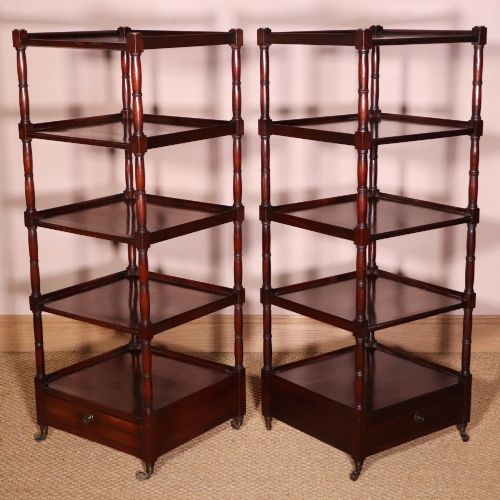
An etagere is a French-influenced open display stand with multiple shelves, while a what-not is the British equivalent developed during the same period. Both serve the same primary function of tiered display.
Differences lie mainly in the terminology used by cabinet makers and the specific regional stylistic details applied to the corner supports and finials.