

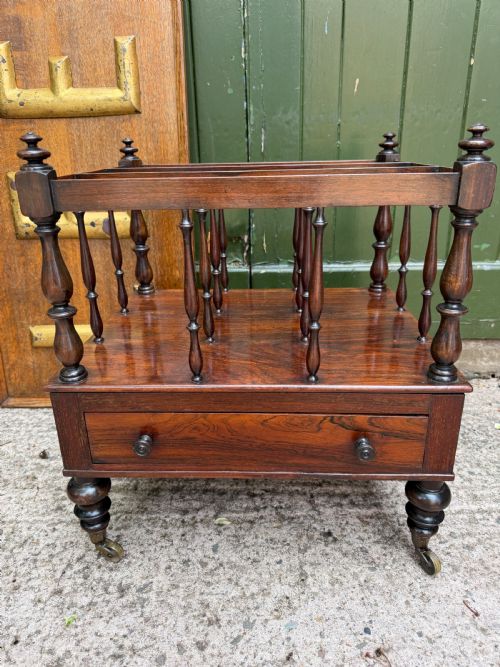


George IV Music Stand
A george iv music stand brings architectural timber and mechanical adjustment into the sitting room.
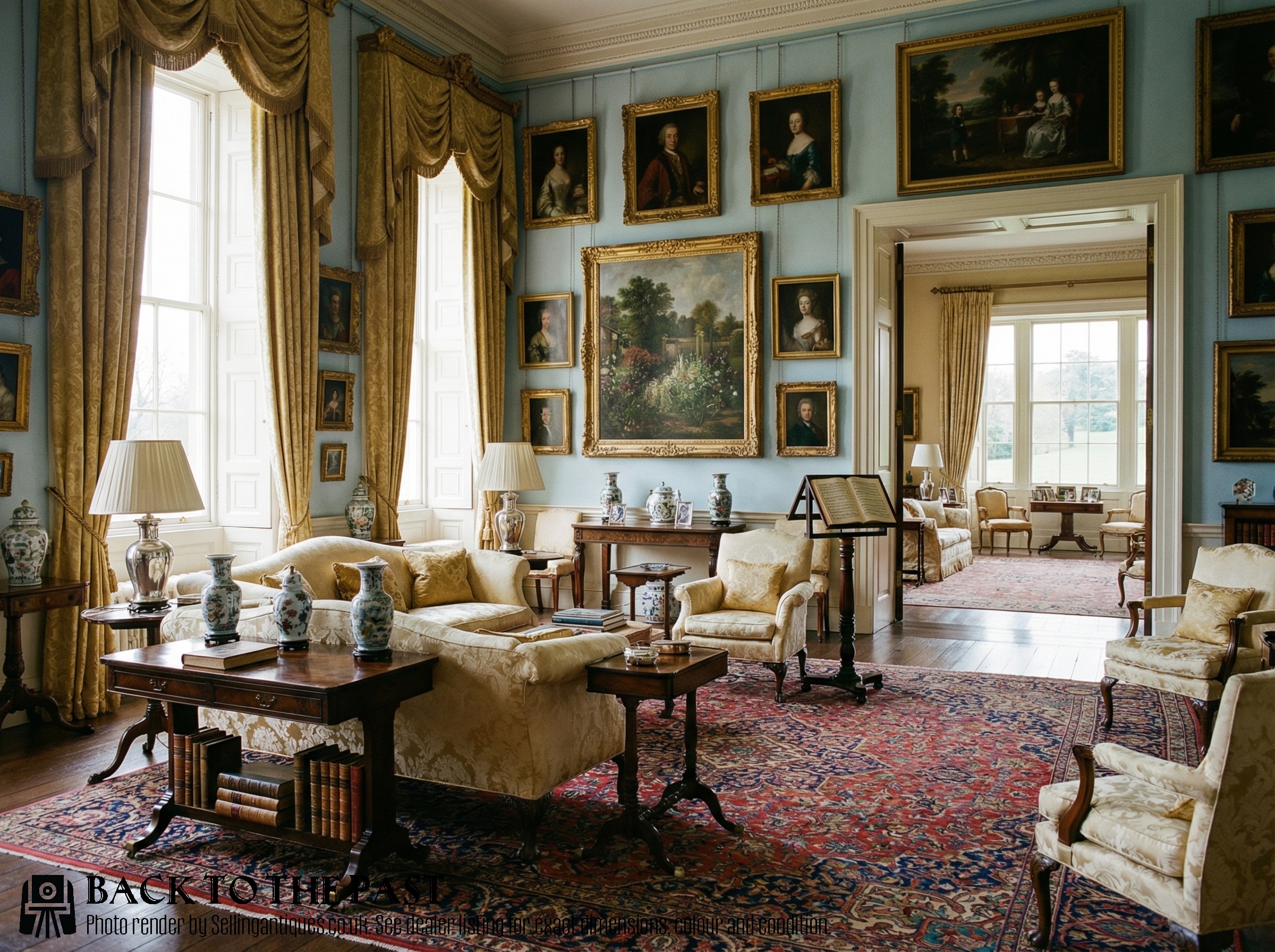
George IV Music Stand
When you search for a george iv music stand, you encounter pieces spanning the Georgian and Regency periods alongside later revivals, primarily constructed in mahogany and rosewood. These objects encompass adjustable duet stands, reading tables, combinded music stands, and related canterburys.
The version you are most likely to meet on this page is a mahogany music stand or a mahogany canterbury from the nineteenth century. These forms reflect the domestic musical pursuits of the period, combining sheet music storage with adjustable ledges.
How they were made
Cabinet makers utilised solid and veneered mahogany and rosewood, shaping timber with brass fittings to create adjustable mechanisms and carrying handles. The construction relies on traditional joinery suited to supporting scores and heavy volumes.
Makers integrated brass hardware for reading ledges and ratchets, allowing the stands to alter in height and angle. Rosewood examples often employ finely figured grain, paired with division frames for canterburys.
George IV Music Stand Retail Price Guide 2026
Typical asking prices for george iv music stand among the pieces listed under this phrase on Sellingantiques today, from the lower quarter to the upper quarter. They describe what is for sale here now, not the wider market.
One extraordinary survival combines a music stand, a fire screen, and a foot rest into a single piece of furniture.
What varies in quality
The distinction between standard domestic pieces and finer examples lies in the execution of mechanical adjustments and the choice of timber. Rosewood and figured mahogany denote higher ambition than plain secondary woods.
Sophistication in turning, the integration of brass components, and multi-functional designs such as combination music stands and fire screens elevate certain forms above simpler reading tables.
Gillows
The George IV Music Stand Glossary
- Canterbury
- A low stand with vertical divisions used for holding sheet music or books. This form often includes a carrying handle and low castors.
- Duet stand
- A music stand designed to hold two scores simultaneously for shared playing. These incorporate wider ledges and robust adjustable stems.
- Whatnot
- An open set of multi-tiered shelves used for displaying or storing small items. Examples frequently combine this shelving form with music storage.
- Reading table
- A domestic table surface equipped with an adjustable ratcheted book rest. They served dual purposes for study and musical performance.
George IV Music Stand: Frequently Asked Questions
How do you use a music canterbury?
A music canterbury holds bound volumes and sheet music upright within its divided lower sections.
The carrying handle allows the stand to be moved easily around a room for practice or performance.
What woods were used for these stands?
Cabinet makers relied heavily on mahogany and rosewood for their rich grain and durability.
Brass was frequently utilised for adjustable ratchets, hinges, and carrying handles.
Are all these stands adjustable?
Many examples feature mechanical ratchets or screws to alter the height and angle of the reading surface.
Other forms, such as canterburys and combination pieces, prioritise fixed storage compartments over height adjustment.