




Georgian Mahogany Cistern
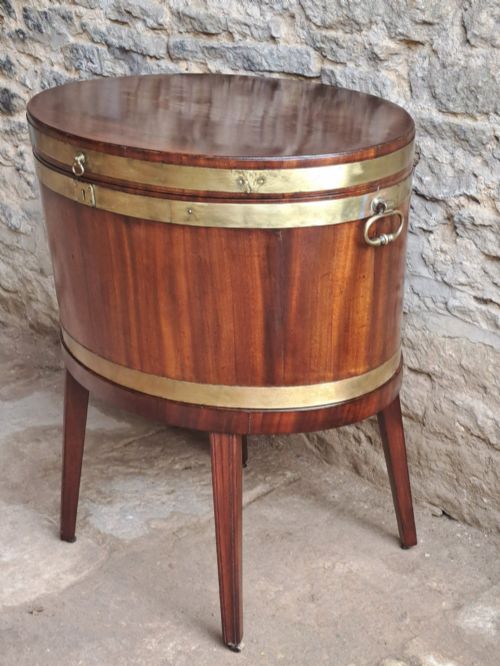
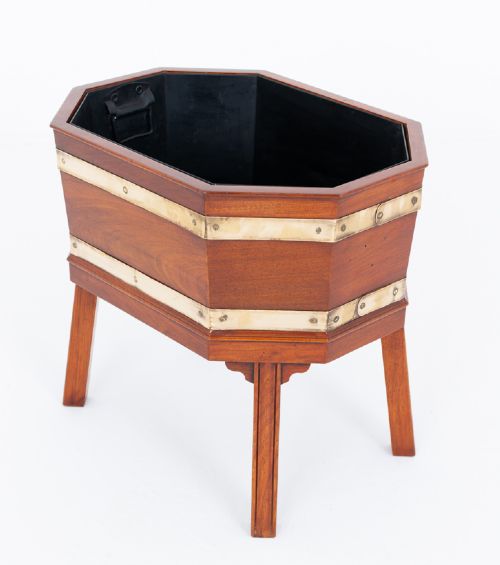
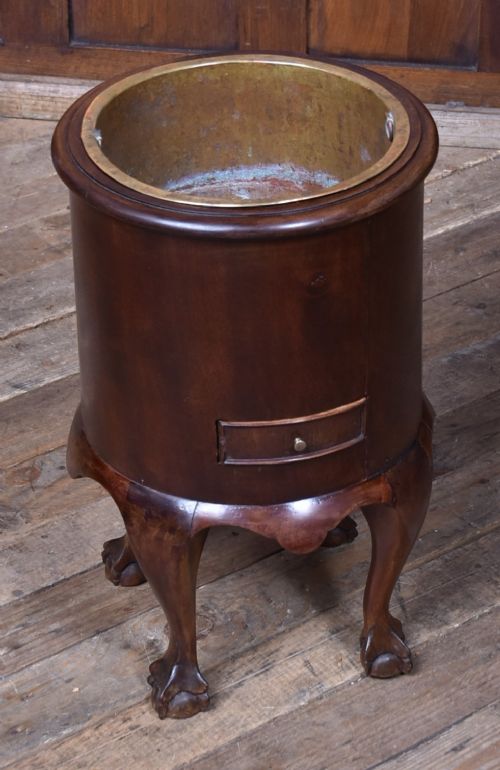
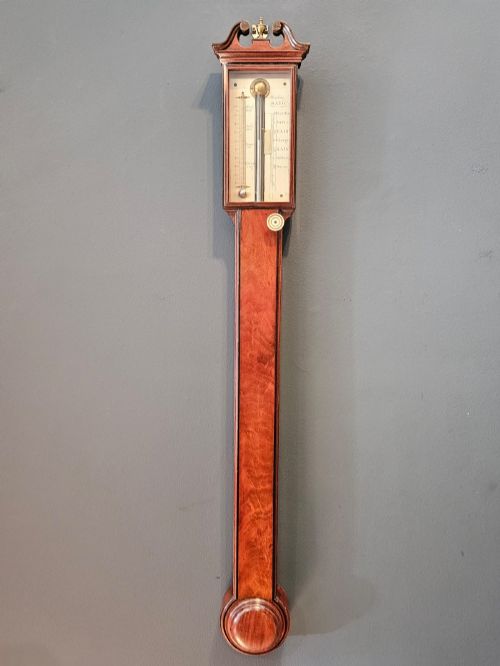
A georgian mahogany cistern, taking the form of wine coolers, cellarettes, and stick barometers, brings rich timber and refined proportion into a period interior.
Georgian Mahogany Cistern
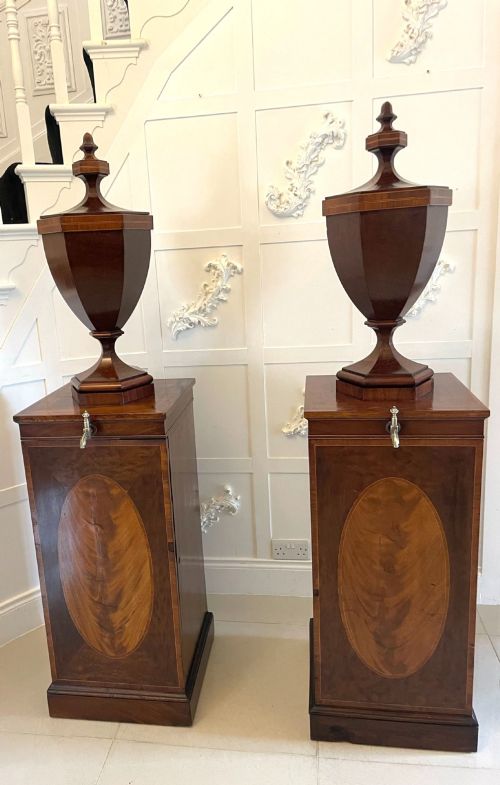
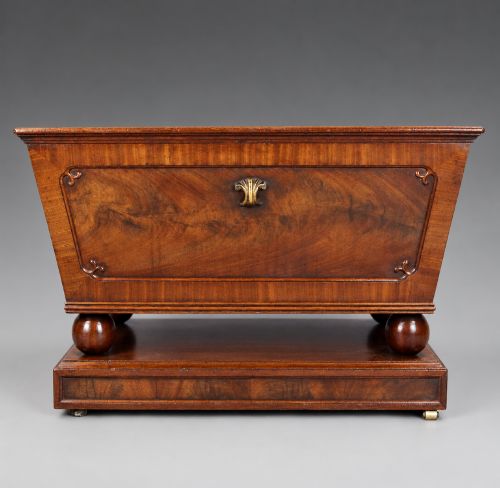
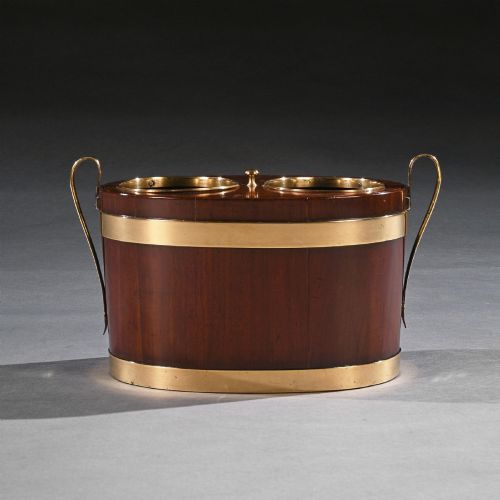
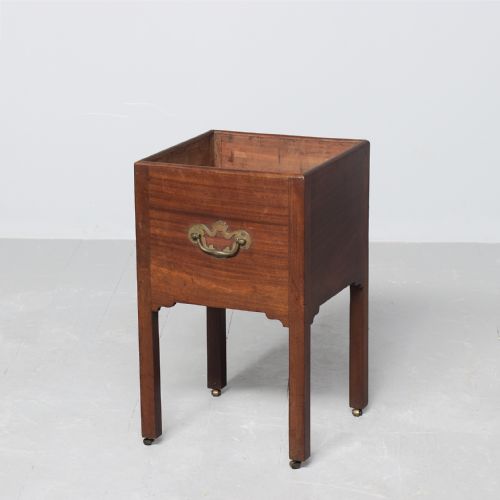
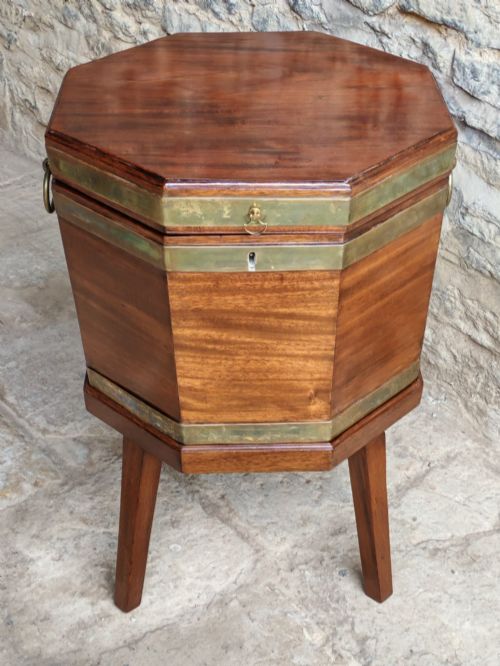
A georgian mahogany cistern appears predominantly as a wine cooler, cellarette, or stick barometer shaped by eighteenth and nineteenth-century cabinet makers. The pieces span oval, octagonal, and rectangular vessels designed for dining rooms alongside wall-mounted weather instruments.
Buyers meet George III and Regency examples most frequently, often featuring brass banding, inlaid satinwood, or original stands. These forms reflect the domestic priorities of upper-class households, dividing between liquid refreshment storage and atmospheric measurement.
Materials and Technique
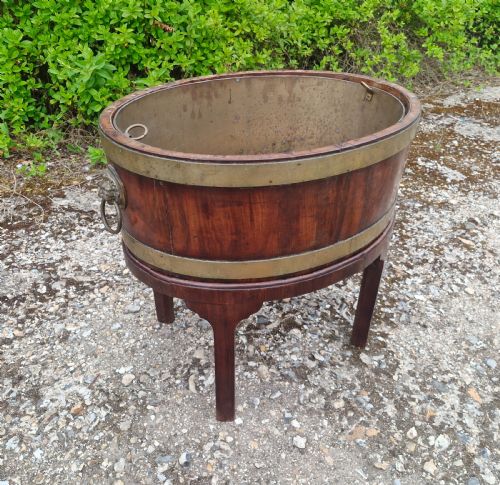
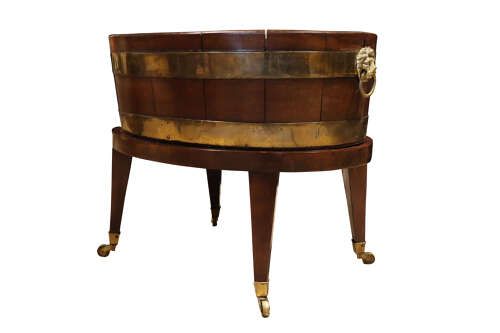
Construction relies heavily on dense mahogany, frequently enhanced with flame veneers or boxwood stringing and supported by boxwood, bone, or brass elements. Coopered techniques shape the staves of wine coolers to hold ice and bottles securely.
Metal components include heavy brass binding, carrying handles, and silvered brass barometer plates protected by glass. Joinery incorporates precise dovetailing and structural framing on dedicated stands or pedestals.
Barometers occasionally retain mercury locked securely inside fragile glass tubes, whispering pressure changes from the seventeen-nineties.
Judging Quality
Quality rests upon the selection of timber figure, such as rich flame mahogany, and the crispness of inlaid satinwood or brass work. The survival of original stands, mounts, and interior zinc or metal linings elevates a piece considerably.
Proportion and execution separate standard domestic items from high-status commissions. Finer barometers and cellarettes display restrained carving, meticulous dovetailing, and signatures from recognised instrument makers.
George Adams London·Blunt·Dollond of London·JB Bergna Newcastle
The Georgian Mahogany Cistern Glossary
- Cellarette
- A lockable container used for storing wine bottles near the dining table. They frequently sit on low stands or feature brass binding.
- Coopered
- Built with curved wooden staves joined side by side, similar to barrel construction. This technique prevents water leakage in wine coolers and planters.
- Stick barometer
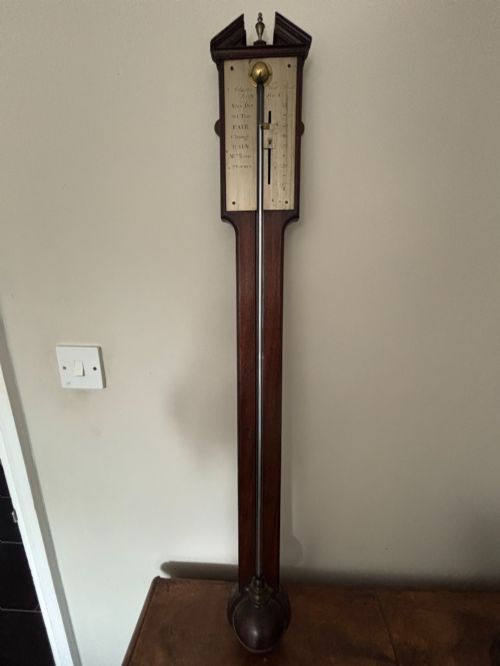
- A wall-mounted weather glass enclosed in a narrow wooden case with a visible mercurial tube. They often feature a vernier scale on silvered brass.
- Stringing
- Thin inlay lines of contrasting timber, such as boxwood, set into the mahogany surface. This technique outlines panels and drawers.
- Brass bound
- Secured with heavy metal hoops or bands fastened by screws. This reinforcement provides both structural strength and decorative contrast.
Georgian Mahogany Cistern: Frequently Asked Questions
How were wine coolers used?
Wine coolers and cellarettes stood in dining rooms during formal meals to keep bottles cool before serving. They were packed with ice and water to chill wine and champagne.
Many featured lead or metal linings to contain moisture and protect the surrounding mahogany frame from water damage.
Where should I place a barometer?
Stick barometers require stable interior walls away from direct sunlight, drafts, and heating vents to maintain the accuracy of the mercury column. Hallways or studies provide ideal environments for viewing the silvered brass dial.
Mounting must be secure, as these instruments depend on a precise vertical alignment to function correctly.
How do I identify a George III piece?
George III pieces display characteristic proportions, conservative neoclassical lines, and high-grade timber selection such as flame mahogany or satinwood inlay. Brass mounts tend to be heavy and cast by hand rather than stamped.
Details like hand-cut dovetails and period hinges help distinguish eighteenth-century examples from later Regency or Victorian revivals.