
Antique Planter Tub
An antique planter tub brings character and depth to green spaces, combining utilitarian heritage with enduring metal and ceramic craftsmanship.
Antique Planter Tub
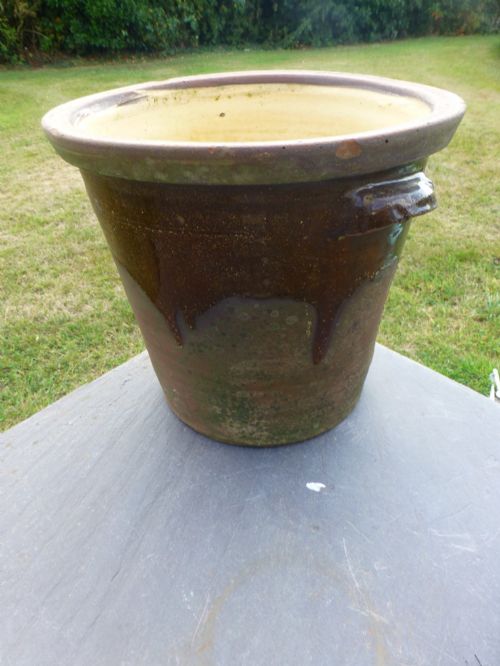
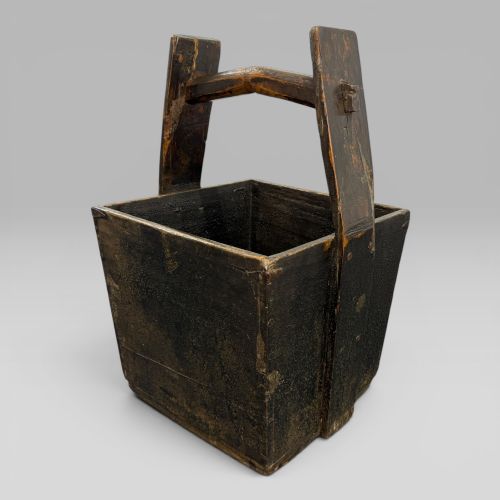
When searching for an antique planter tub, buyers encounter a diverse selection of vessels originally built for utilitarian domestic, culinary or agricultural tasks. These repurposed items range from heavy metal vessels and dairy crocks to coopered wooden buckets.
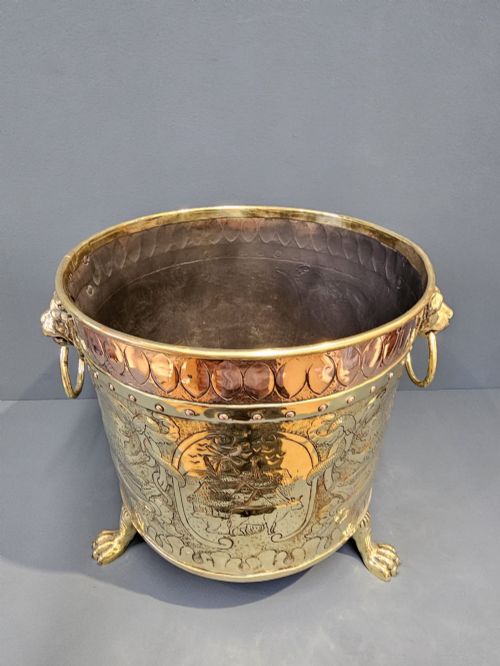
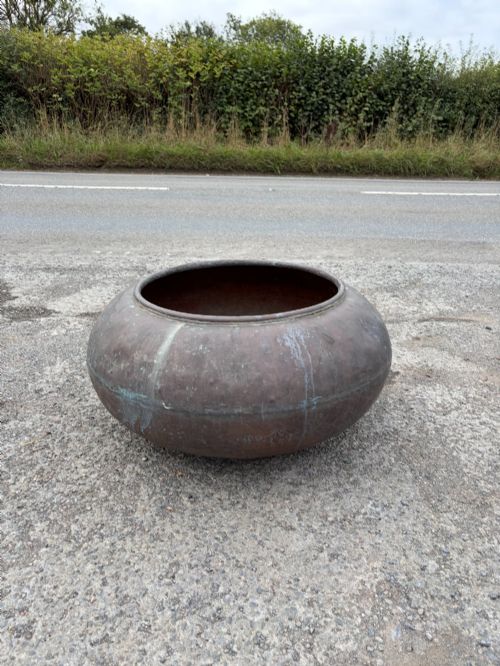
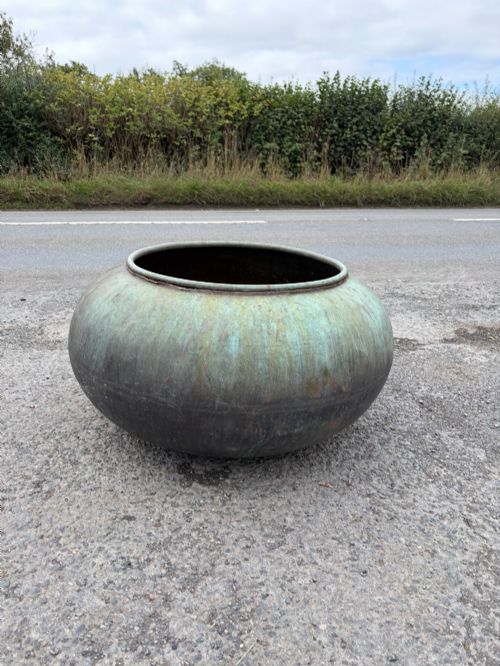
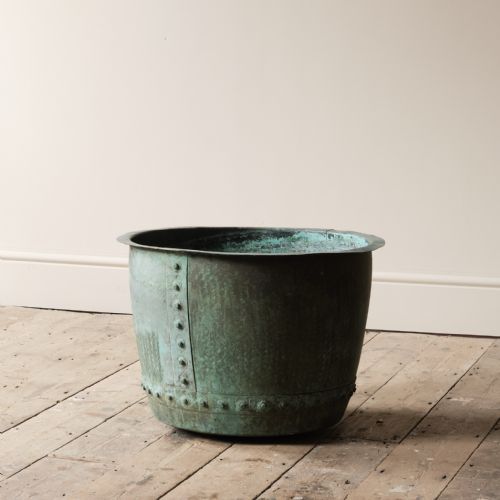
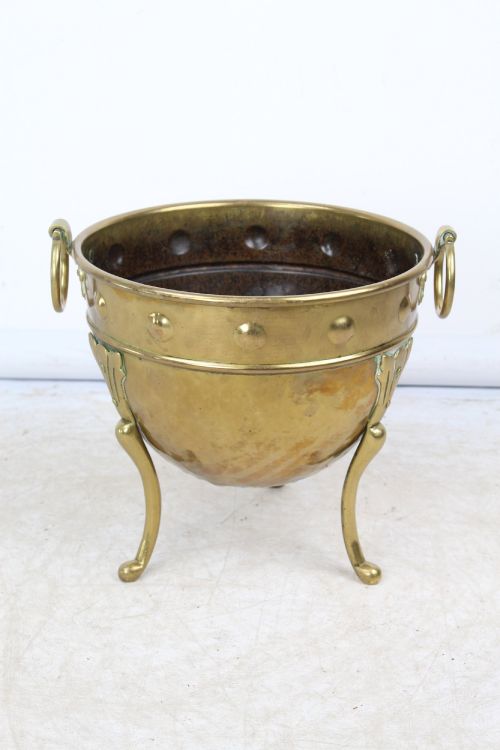
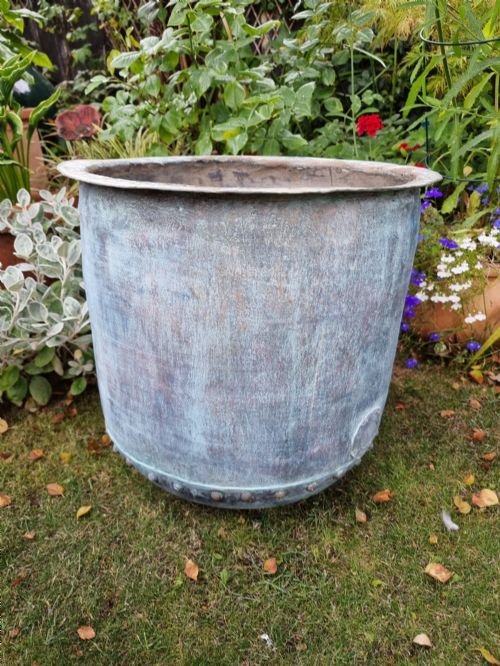
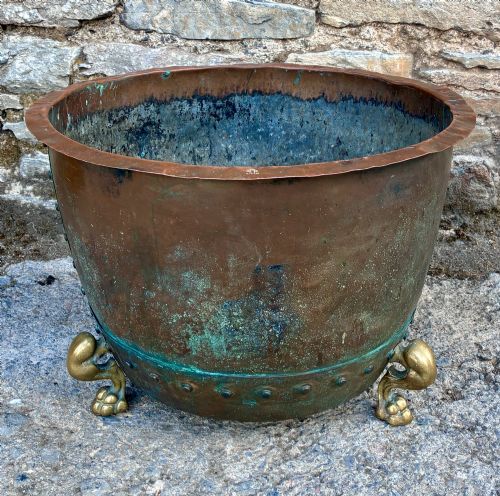
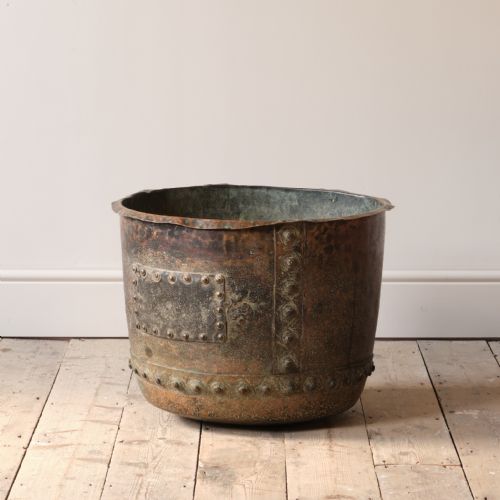
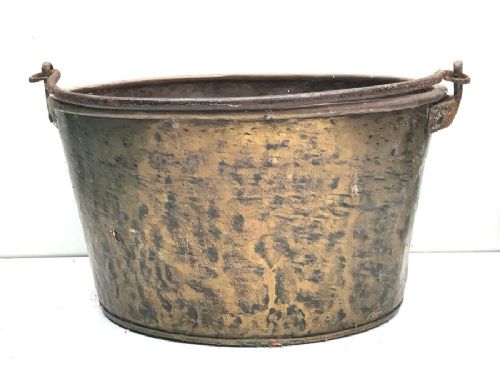
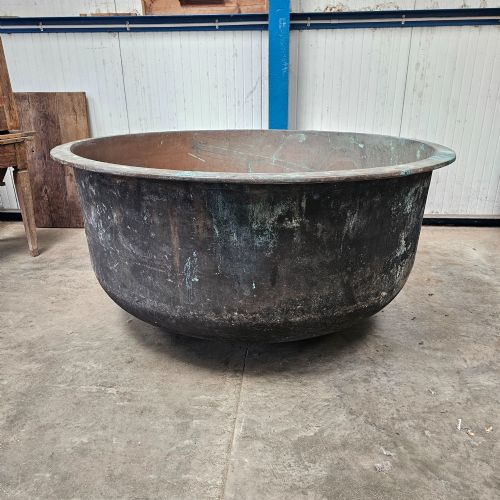
The most common examples on this page are metal vessels, particularly nineteenth-century copper pots, brass log bins and riveted wash tubs. These industrial and domestic pieces bring robust textures to gardens and interiors.
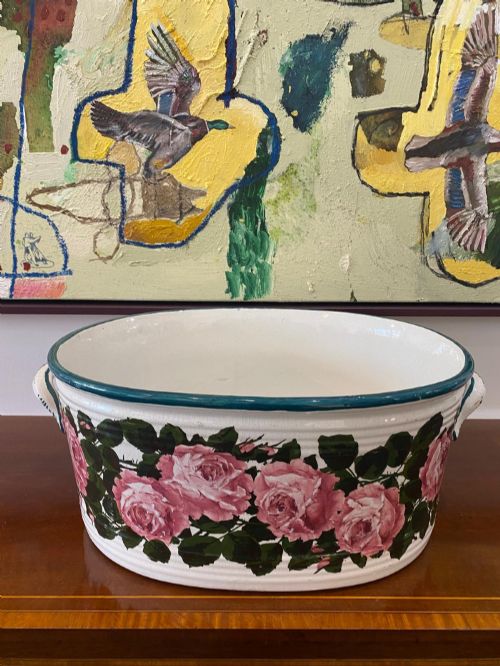
Pieces span several periods, with Victorian and Georgian examples appearing frequently alongside rustic country wares. Forms include jardinières, footbaths, cheese vats and grain measures adapted for modern horticulture.
How they were made
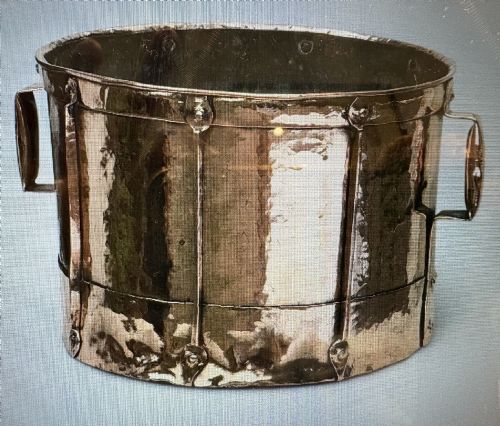
Metal vessels rely on hand-riveting, hammering and joining techniques, often combining copper sheets with brass bands, iron handles or cast elements. Artisans shaped these heavy-gauge metals to withstand demanding daily use in dairies, kitchens and firesides.
Wooden examples utilise traditional cooperage methods, binding staves of oak, pine, elm or mahogany with secure metal hoops to contain liquids or bulk materials. Ceramics and porcelain are thrown or moulded, then glazed and fired.
Surface finishes develop organically through age and use, leaving natural patinas, verdigris and tooling marks that record the manufacturing process.
What varies in quality
The standard of construction largely dictates a piece's standing, separating heavy-gauge, hand-riveted metalwork and tight cooperage from lighter, purely decorative items. Integrity of joints, thickness of materials and the quality of brass bands or handles reveal the original maker's intent.
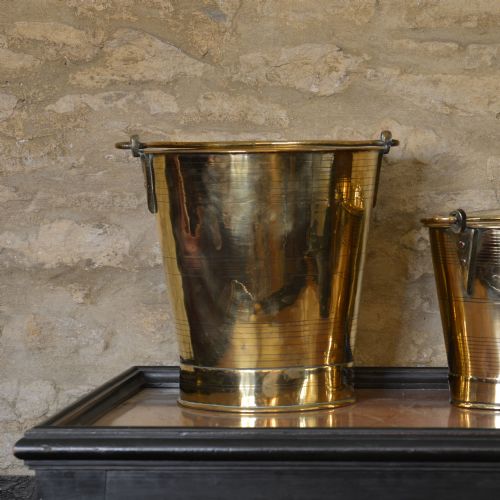
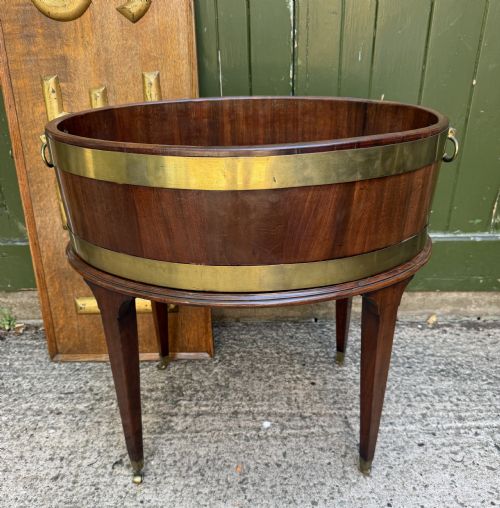
Proportion and decorative detailing also differentiate the range, from simple utilitarian grain measures to formal mahogany wine coolers bound in brass and fitted with crests. Pieces retaining original surface textures, liners or patination hold greater visual weight.
Henry Loveridge·Wemyss·Barr, Flight and Barr
The Antique Planter Tub Glossary
- Coopered
- Made by a cooper using wooden staves fitted together and bound with metal or wooden hoops. This technique created watertight vessels such as buckets, tubs and vats.
- Jardiniere
- An ornamental pot or stand for holding plants or flowers. These vessels are typically manufactured from ceramic, porcelain or metal.
- Verdigris
- A green or bluish patina formed naturally on copper, brass or bronze surfaces through atmospheric oxidation. It develops over decades of exposure to moisture.
- Log bin
- A sturdy container designed for storing firewood near a hearth. Many survive in heavy brass or copper and translate well to holding large indoor plants.
Antique Planter Tub: Frequently Asked Questions
What were antique planter tubs originally used for?
Many items listed as planter tubs began life as copper boilers, cheese vats, footbaths, wine coolers or agricultural grain measures. Their robust construction and waterproof capacities made them ideal for containing liquids, coal or bulk goods.
Over time, collectors and gardeners repurposed these utilitarian vessels into planters because their deep proportions and durable materials suit modern flora.
How do I care for a copper planter?
Copper vessels develop a natural verdigris and dark patina when exposed to moisture and soil. Most owners prefer to leave this aged surface untouched.
If planting directly into antique metal, ensure adequate drainage and consider using a plastic liner to protect the interior metal from prolonged dampness and acidic soil.
How do I distinguish Georgian pieces from Victorian ones?
Georgian pieces often display restrained classical proportions, such as mahogany wine coolers with fine brass banding and formal oval shapes. These items frequently reflect eighteenth-century cabinet-making standards.
Victorian examples tend to embrace heavier industrial techniques, featuring bold riveted copper, embossed brass decoration and robust handles suited to domestic service or Arts and Crafts ideals.
Can wooden coopered tubs hold soil and water?
Coopered oak, pine and mahogany buckets rely on tight joints between wooden staves and metal hoops to remain stable. While many retain structural integrity, old wood can shrink or dry out.
Using a modern inner pot or plastic liner helps preserve antique timber tubs by preventing continuous contact with wet compost.