

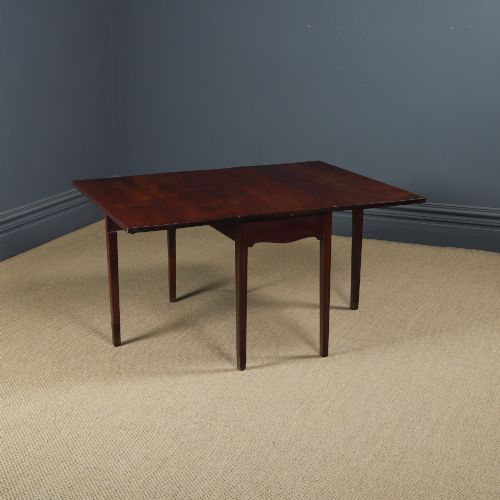
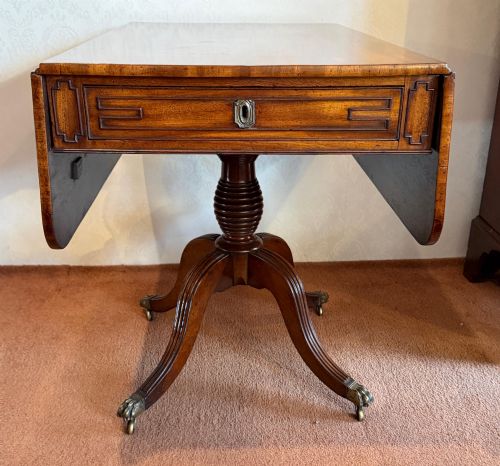

Georgian Mahogany Centre Table
A georgian mahogany centre table stands free in a room, offering rich timber, solid construction, and practical versatility for daily use.

Georgian Mahogany Centre Table
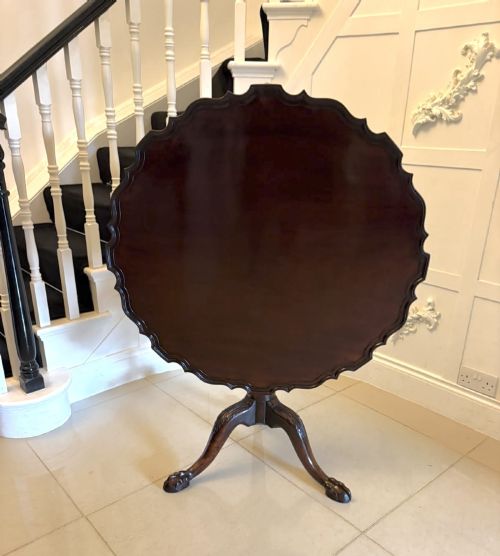
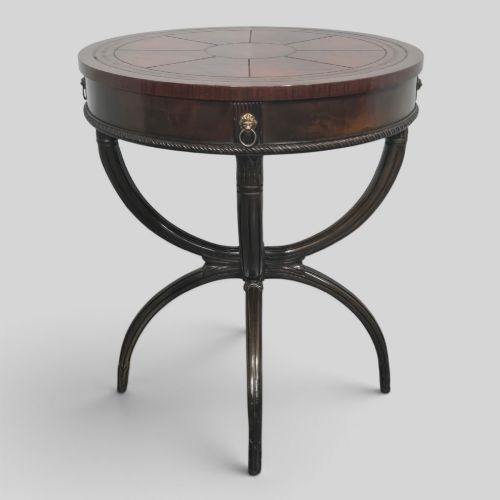
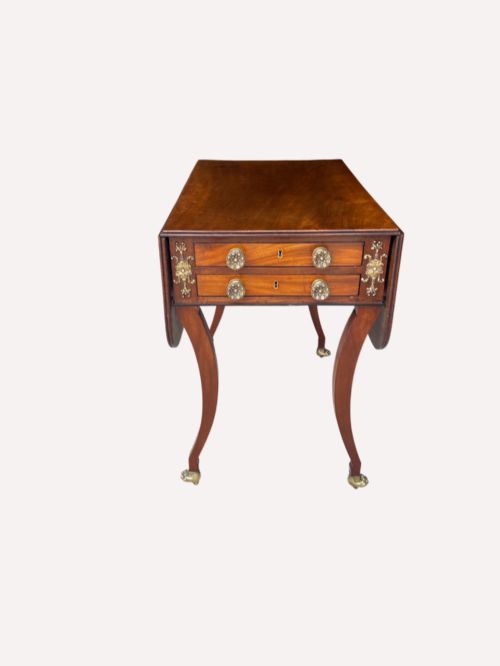
When searching for a georgian mahogany centre table, a buyer encounters pieces originating from the eighteenth and nineteenth centuries, spanning George III, Regency, and later revival periods. These standalone items include circular tilt-top breakfast tables, drum libraries, drop-leaf dining versions, and occasional designs intended to sit in the middle of a room rather than against a wall.
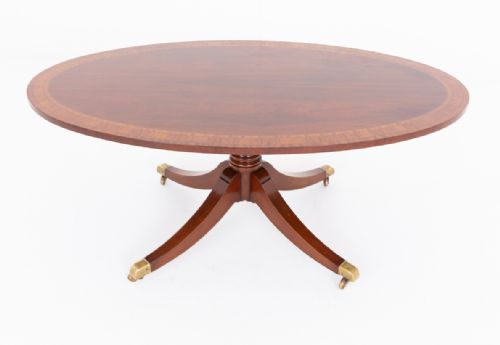
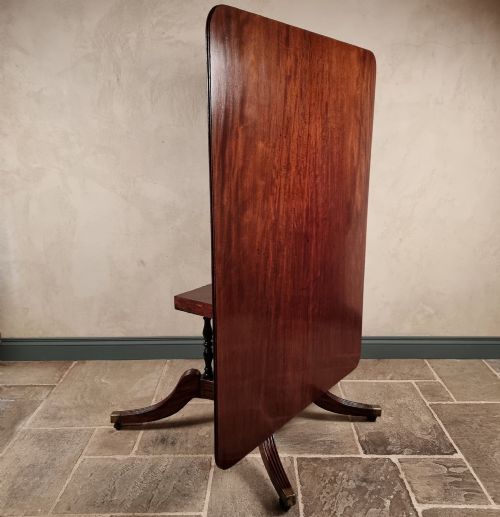
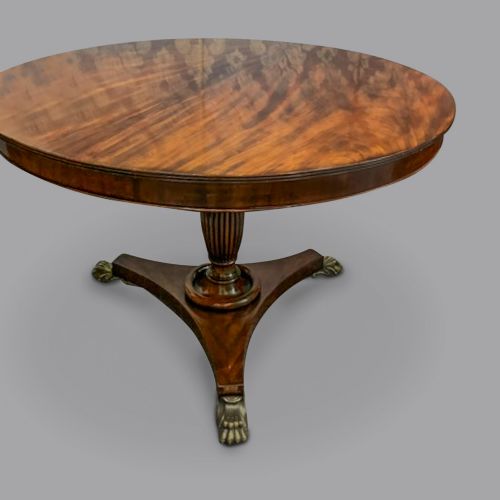
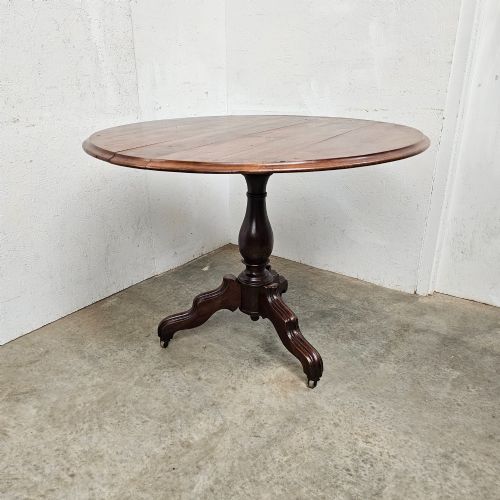
The version most commonly met on this page is the circular or oval tilt-top breakfast table resting on a central pillar with a tripod or triform base. Such forms reflect the domestic habits of the period, constructed to serve multiple functions from dining to writing.
Makers and workshops of the era designed these pieces to be viewed from every angle, employing freestanding formats with polished backs and refined timbers. Alongside breakfast and dining formats, the selection holds occasional tables, sofa tables, and writing desks.
How they were made
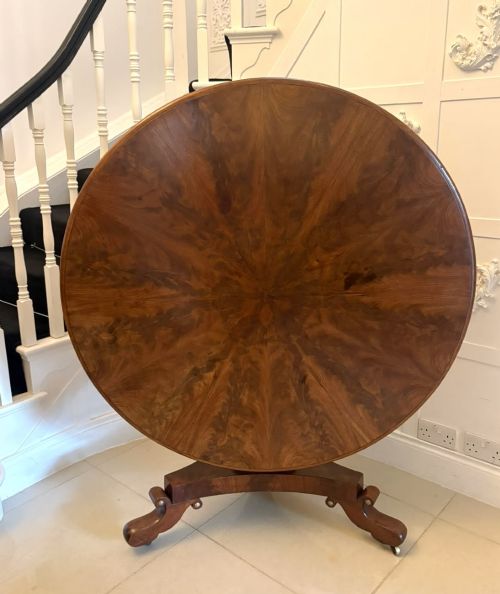
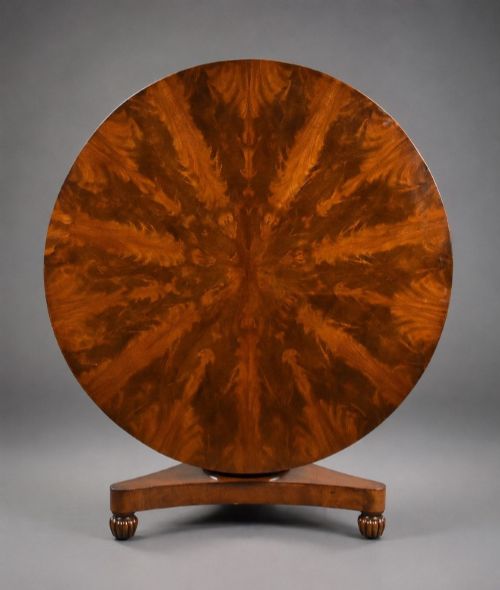
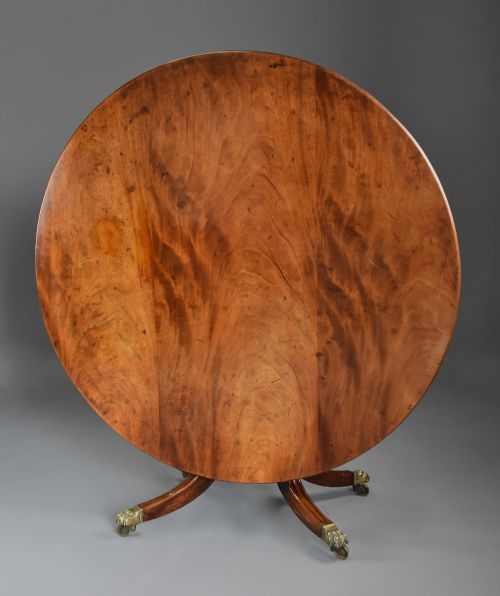
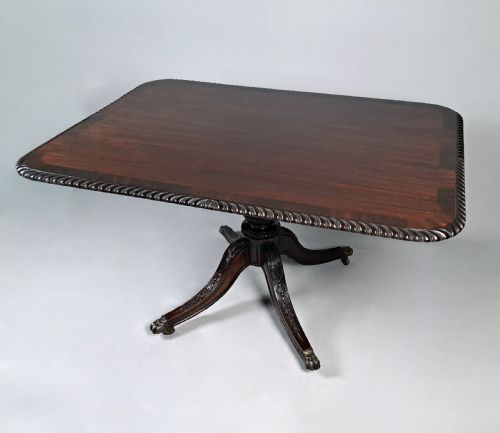
Cabinet makers utilised solid mahogany alongside flame mahogany veneers to build these surfaces, frequently incorporating contrasting timbers such as satinwood for banding and inlay. Brass components appear on castors, paw feet, and structural mounts, adding both weight and mobility to larger library and drum tables.
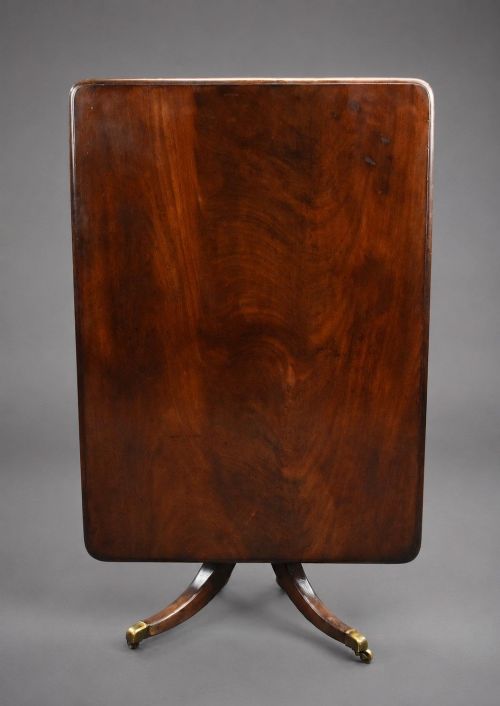
Construction techniques relied on sturdy central columns, tripod legs, and drop-leaf mechanisms designed for daily manipulation without losing stability. Timber was selected for grain movement and figure, resulting in surfaces that respond to polishing and age with a mellow lustre.
Georgian Mahogany Centre Table Retail Price Guide 2026
Typical asking prices for georgian mahogany centre table among the pieces listed under this phrase on Sellingantiques today, from the lower quarter to the upper quarter. They describe what is for sale here now, not the wider market.
Listings feature woods like flame mahogany, rosewood, walnut, and satinwood alongside brass mounts.
What varies in quality
The distinction between tiers rests upon the choice of timber and the articulation of the grain, where figured mahogany, plum-pudding variations, and precise satinwood banding elevate a piece above plain stock. Construction subtlety also dictates standing merit, visible in the carving of pillar bases, the integration of brass fittings, and the seamless movement of tilt mechanisms.
Proportion and execution separate standard domestic output from high-workshop production attributed to makers such as Gillows. Superior examples maintain balance and crisp detailing across feet, friezes, and tops, ensuring the table functions effectively as a focal point in an interior.
Gillows·Walker-Lancaster
The Georgian Mahogany Centre Table Glossary
- Tilt-top
- A table mechanism allowing the surface to pivot to a vertical position when not in use. This saved floor space in period rooms.
- Drum table
- A circular library table with a deep frieze containing drawers, resembling the shape of a drum. They typically rest on a single central pedestal.
- Crossbanded
- A border technique where veneer is applied perpendicularly to the main grain of the top. It frames the central panel with contrasting grain direction.
- Triform base
- A three-sided support structure underneath a central column. It provides stability for heavy circular breakfast tables.
Georgian Mahogany Centre Table: Frequently Asked Questions
What is a georgian mahogany centre table used for?
These tables served various domestic duties including breakfast dining, evening reading, and general display in the middle of a principal room. Their freestanding nature allowed them to move where needed.
Over time, owners adapted them into coffee tables or writing surfaces while retaining their original structural character.
How do I tell a George III table from a Regency one?
George III pieces often lean towards simpler tripod bases and straight lines, reflecting earlier neoclassical tastes. Regency examples introduce bolder pedestals, brass inlay, and heavier classical influences.
Examining the turning on the central column and the style of the feet helps clarify the period of manufacture.
Can I use a tilt-top table every day?
Daily use is entirely practical provided the locking mechanism and pivot block remain secure and well-maintained. The original design intended for the top to tilt away when clearing the room.
Care should be taken when lowering heavy single-piece timber tops to protect the brass catch.
What maintenance does mahogany require?
Routine dusting with a dry cloth keeps the polished surface clean without building up heavy wax residues. Direct sunlight and extreme radiator heat should be avoided to prevent timber splitting.
Occasional application of traditional beeswax preserves the mellow colour and natural sheen of the wood.