
Georgian London Sterling Silver
Georgian london sterling silver encompasses items forged in the capital during reigns spanning the eighteenth and early nineteenth centuries.
Georgian London Sterling Silver
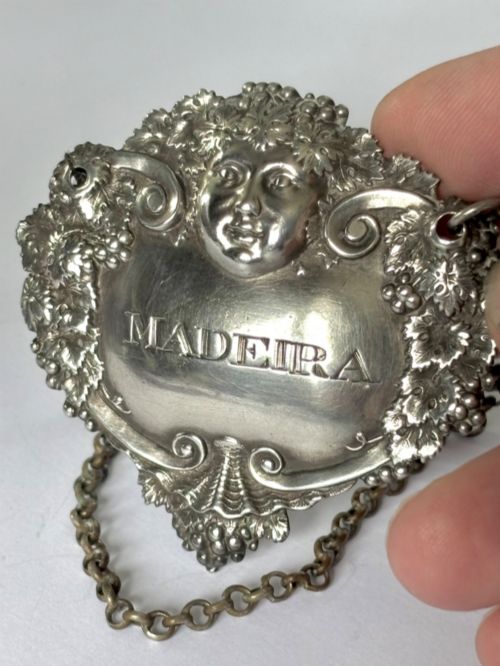
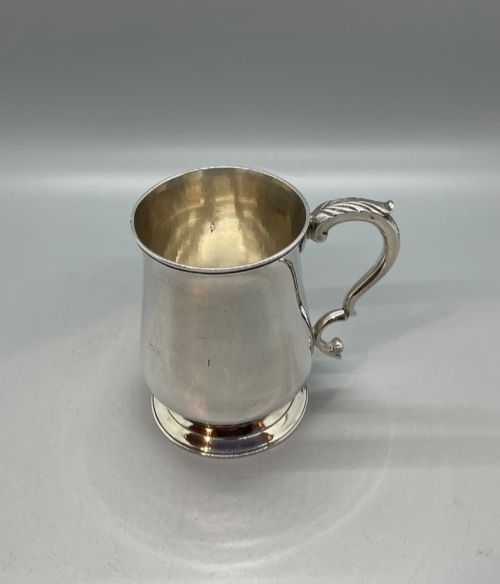
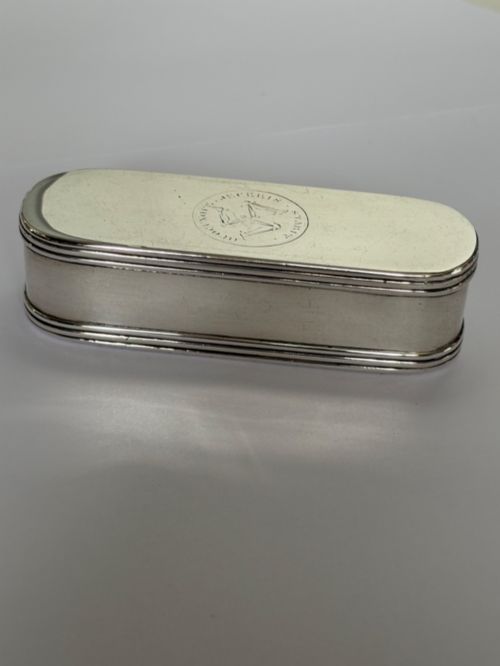
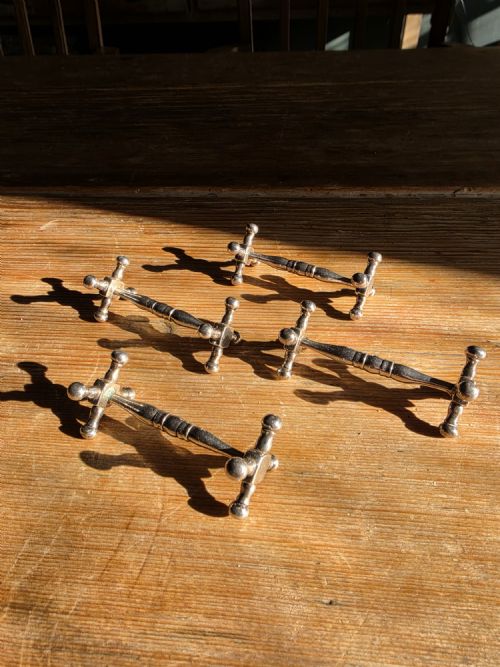
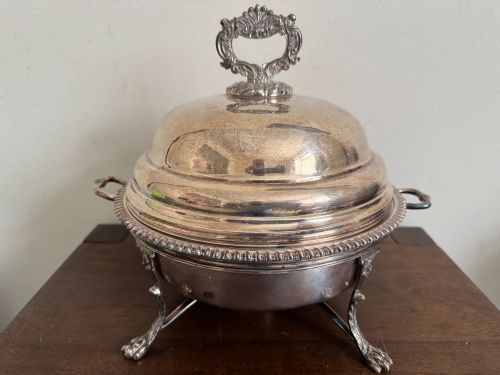
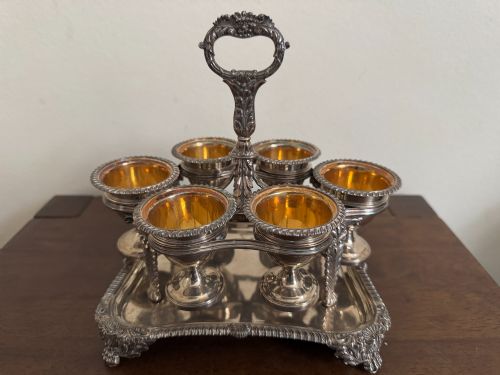
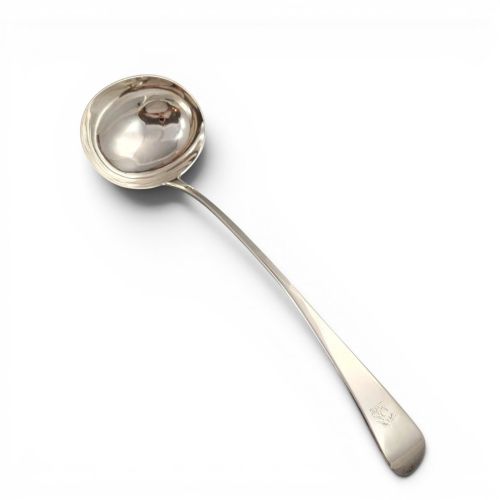
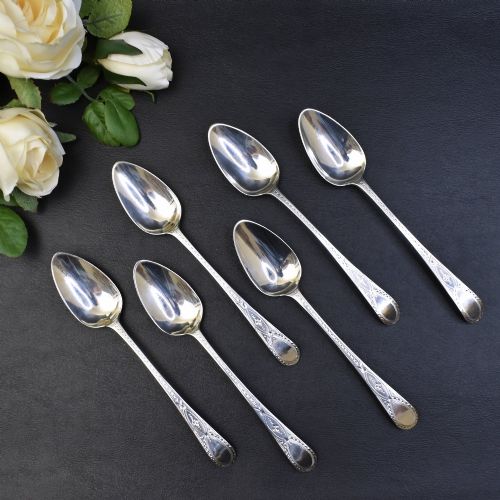
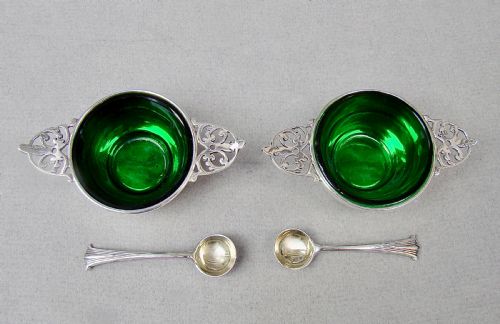
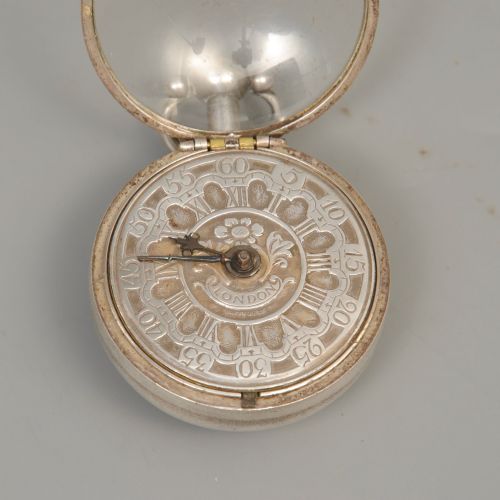
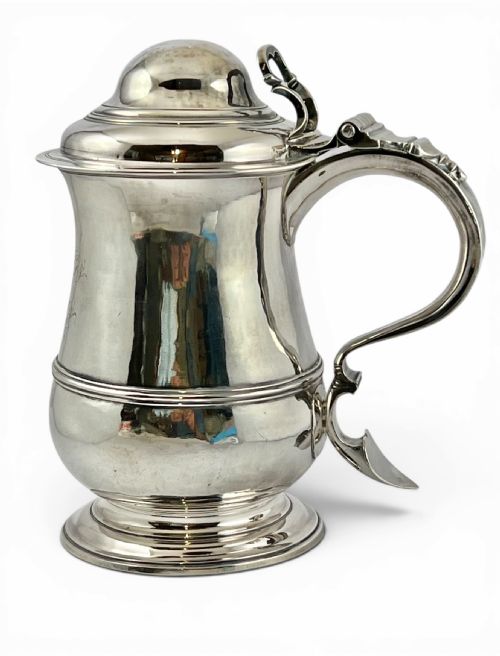
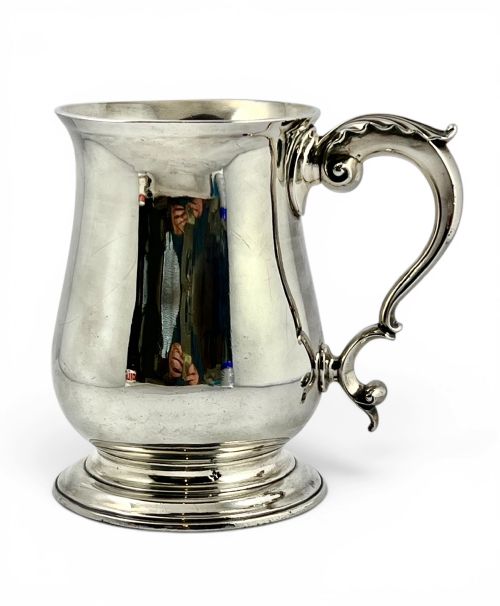
Georgian london sterling silver includes functional tableware, flatware, and decorative drinking vessels produced in workshops across the capital. Buyers encounter items ranging from teaspoons and caddy spoons to heavy lidded tankards, cruet stands, and marrow scoops stamped with London hallmarks. These pieces reflect the domestic habits and dining rituals of households operating during the Georgian era and subsequent Regency and William IV periods.
How They Were Made
Silversmiths utilised sterling silver alongside components of silver gilt, cut glass, and wood to construct these objects. Techniques involved hammering sheet silver, casting handles and spouts, and assembling components through soldering before applying punches for makers marks and city hallmarks.
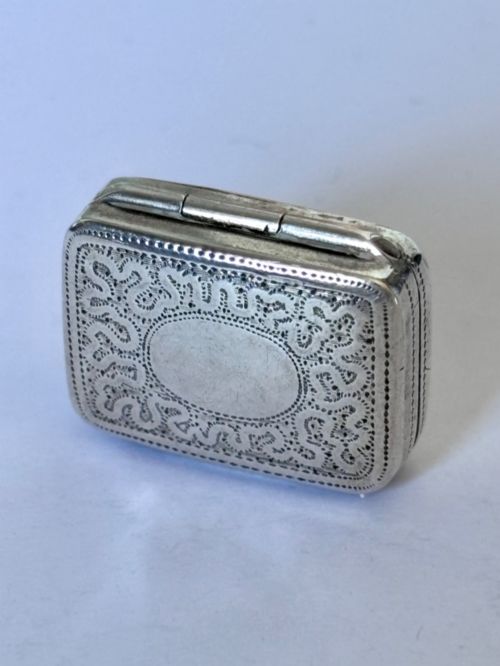
Surface decoration relied on hand engraving, bright-cut hatching, and piercing. Craftsmen shaped intricate forms such as bread baskets, wine funnels, and caster bodies by hand, often incorporating cast armorial crests and applied wire borders.
Listings feature items spanning the reigns of George I, George II, George III, George IV, and William IV.
What Varies in Quality
Quality rests upon the crispness of the London hallmarks, the weight of the silver relative to the object type, and the precision of the hand engraving. Superior pieces retain clear maker stamps, sharp cast details without polishing wear, and original structural joints.
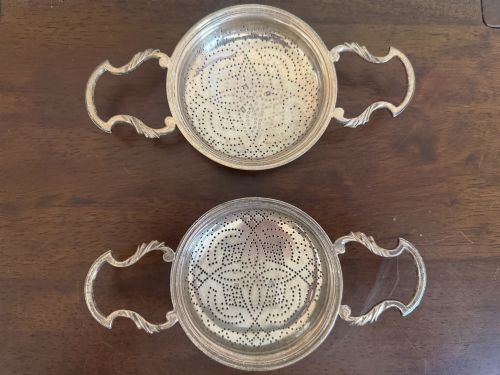
The distinction between standard output and finer work lies in the delicacy of piercing, the balance of assembled elements such as lampstands and handles, and the survival of secondary materials like gilding and glass inserts.
Digby Scott Benjamin Smith·Thomas Johnson·Cornelius Bland·David Hennell·Solomon Hougham·William Burwash·Josiah Williams And Co·John Payne·William Grundy·Jonathan Hayne·Robert Hennell I·John Emes·John Hunt·Charles Thomas Fox·Thomas Tookey·Charles Reily George Storer·Stephen Adams·James Goodwin·Wilkes Booth·William Bateman·P A W Bateman·Samuel Herbert·Peter William Bateman·Samuel Meriton II·William Sumner Richard Crossley
The Georgian London Sterling Silver Glossary
- Hallmark
- A set of official marks stamped into the silver to indicate the standard of purity, the assay office, the maker, and the year of production. These stamps provide the primary evidence for dating London silver.
- Silver Gilt
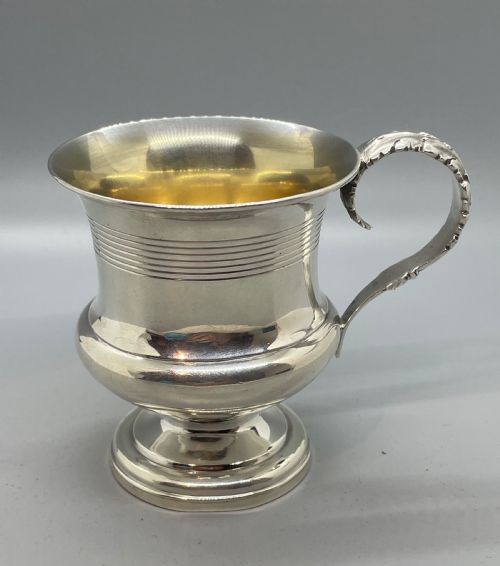
- Sterling silver that has been coated with a thin layer of gold, often used on the interior surfaces of vinaigrettes, mugs, and dessert flatware. This technique protected the silver from corrosive substances.
- Caddy Spoon
- A small scoop designed for measuring dry tea leaves from a storage caddy into a teapot. These implements frequently feature pierced bowls and decorative handles.
- Marrow Scoop
- A double-ended utensil featuring narrow troughs used for extracting marrow from animal bones during formal dining. Examples from London makers often display crested engraving on the reverse.
- Vinaigrette
- A small hinged box containing a perforated inner grille that held a sponge soaked in aromatic vinegar. These portable items were carried in pockets to counteract unpleasant odours.
Georgian London Sterling Silver: Frequently Asked Questions
How do I read London silver hallmarks?
London silver carries a leopard head assay mark alongside a lion passant indicating sterling standard. Additional punches reveal the maker initials and a date letter corresponding to the exact year of testing.
Matching these symbols against historical records allows collectors to verify the exact provenance and age of each piece.
What was a silver wine funnel used for?
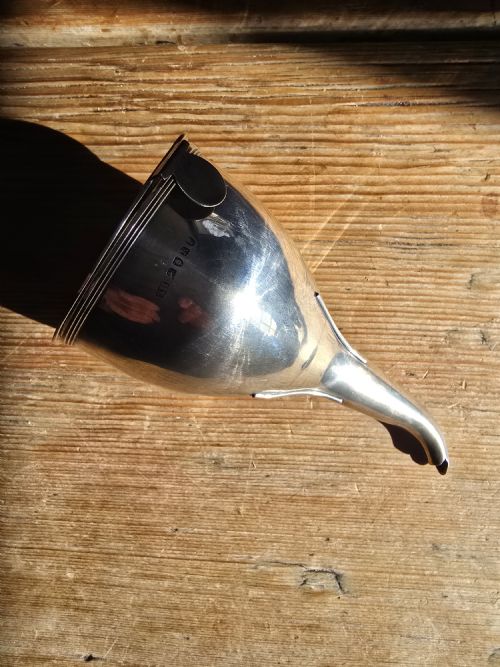
Wine funnels served to decant older vintage wines from bottles into serving decanters while trapping sediment in an integrated mesh strainer. They were essential accessories for formal dining tables.
Many examples include a removable pierced clip designed to hold a straining cloth during the decanting process.
How should I clean antique sterling silver?
Antique silver requires gentle washing with warm water and mild soap, followed by drying with a soft cotton cloth. Abrasive polishes and harsh chemical dips remove the underlying metal and destroy historical patination.
Allowing a natural tarnish to settle in recessed areas highlights the engraved details and maker marks.
What distinguishes George III silver from later periods?
George III silver spans a long reign defined by shifting design movements, moving from early rococo forms through strict neoclassical symmetry to heavier Regency styles. Items from this era reflect steady technical mastery in casting and engraving.
Later Victorian and Edwardian pieces often revived these earlier neoclassical patterns while employing industrial manufacturing methods.