
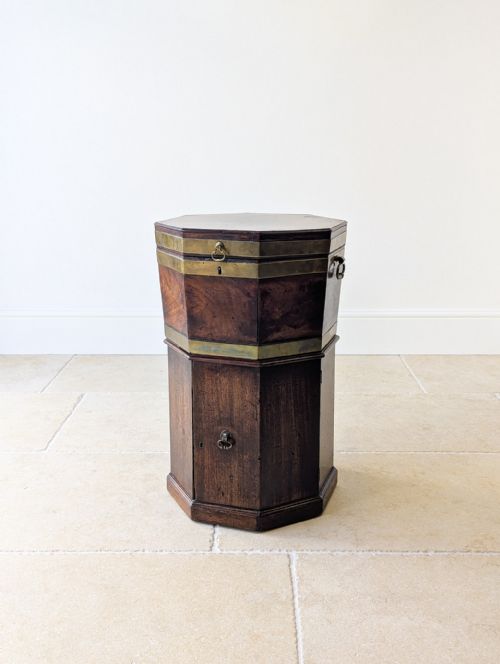
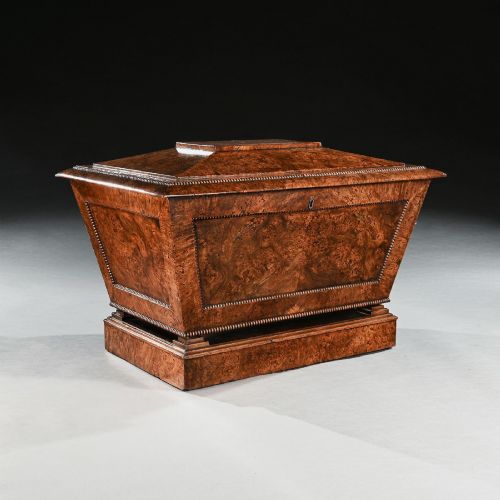
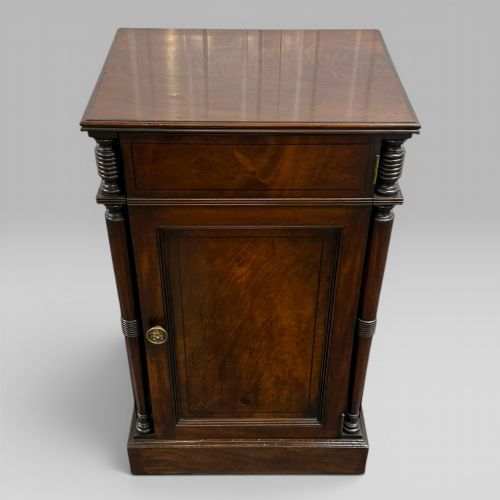
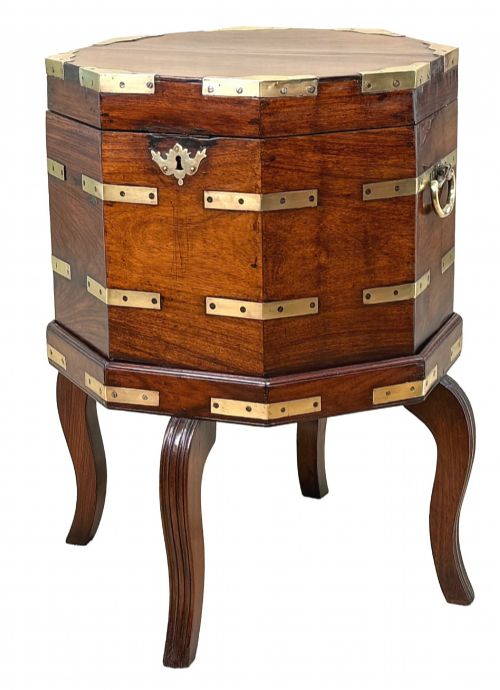


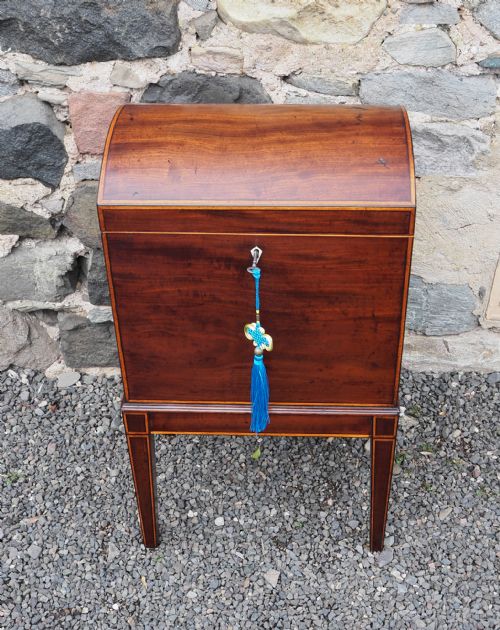
Georgian Liquor Chest
A georgian liquor chest is a handsome receptacle for wine and spirits, prized for disciplined timber and secure bottle storage.
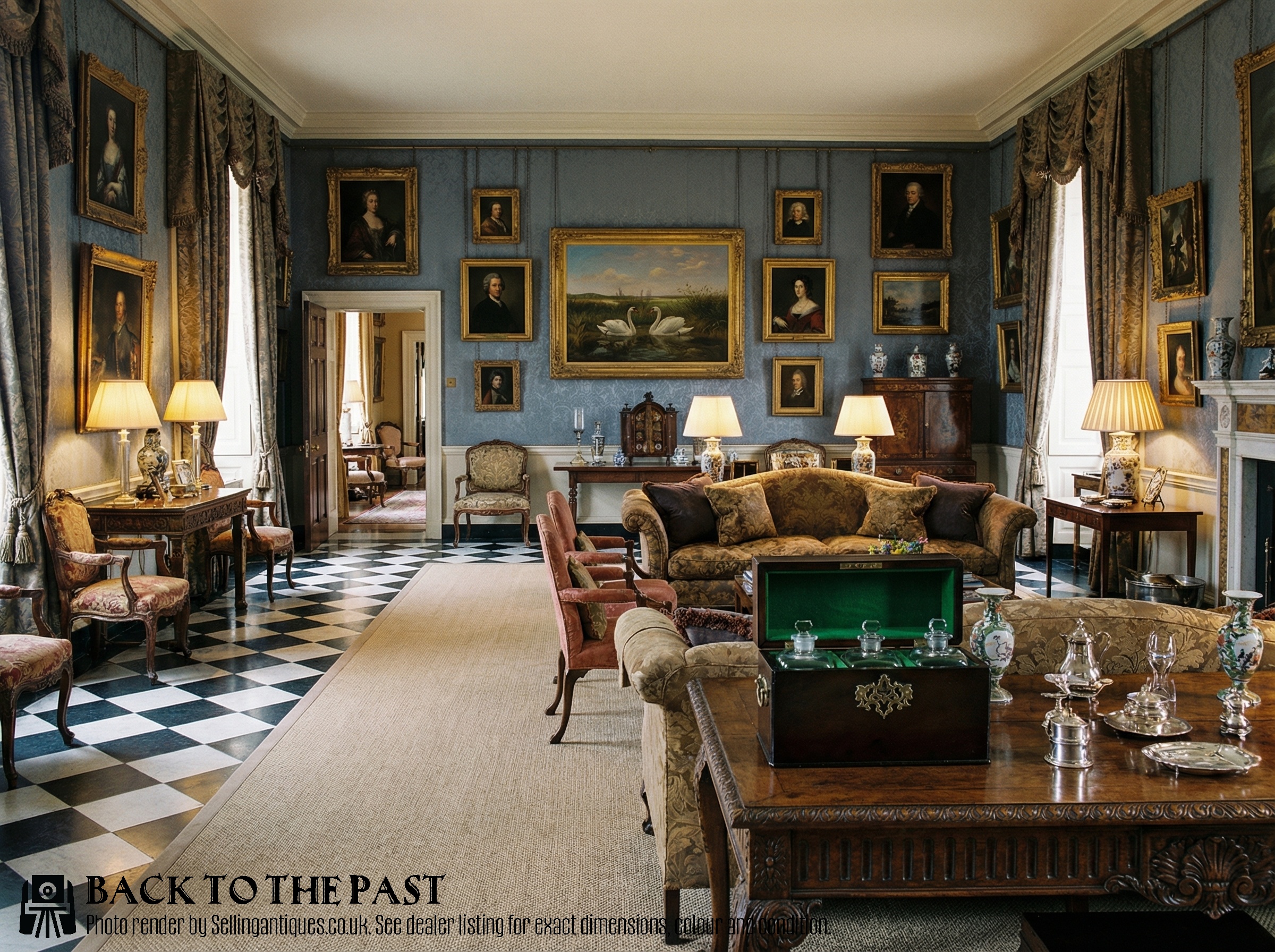
Georgian Liquor Chest
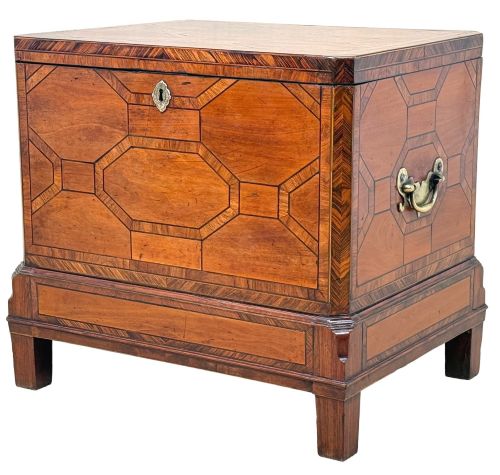
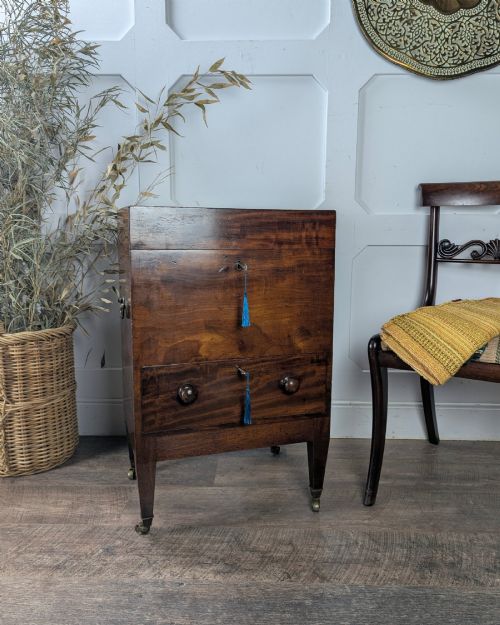
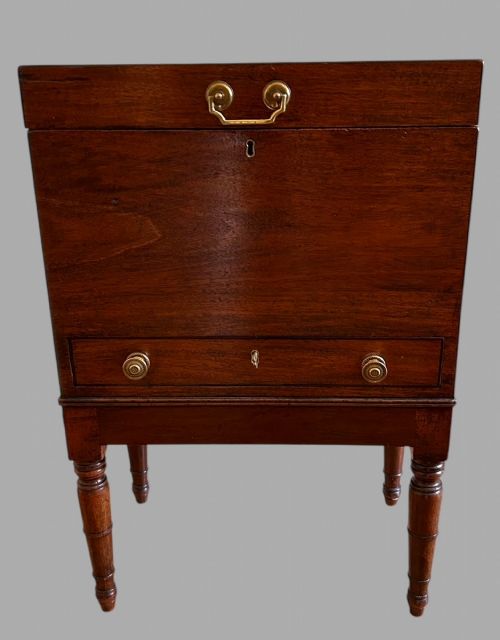
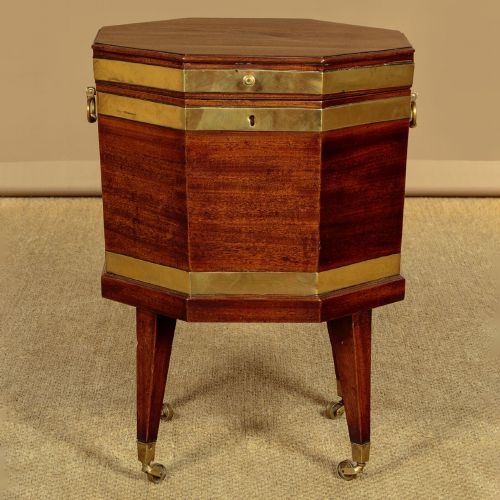
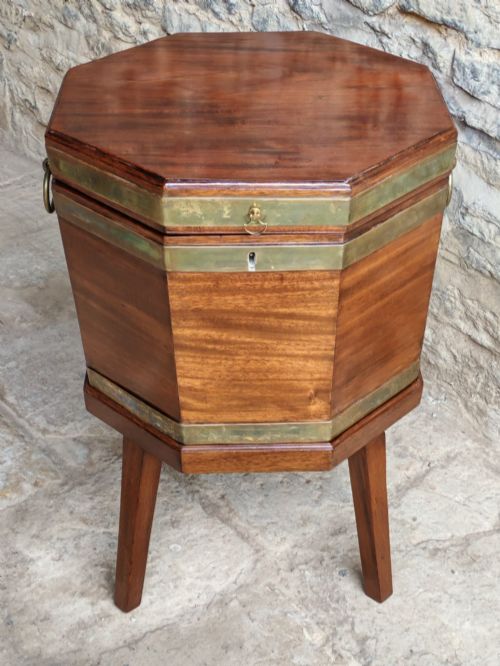
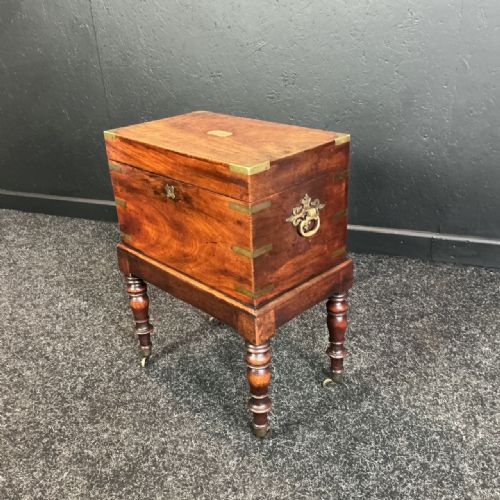
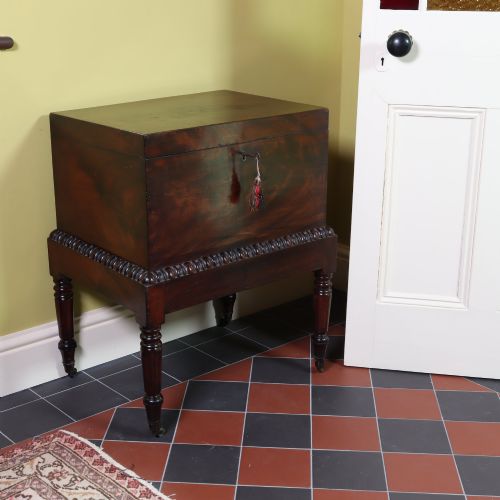
When you search for a georgian liquor chest, you encounter forms designed to safeguard and present valuable bottles during the eighteenth and nineteenth centuries. These pieces appear primarily as cellarettes, wine coolers, and decanter boxes intended for dining rooms and sideboards.
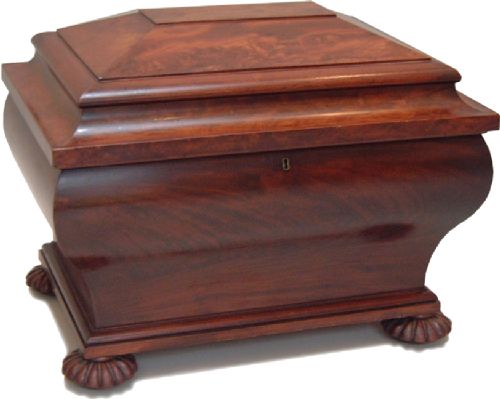
The versions you are most likely to meet on this page span the Georgian, Regency, and George periods, constructed in mahogany, pollard oak, and satinwood. They range from octagonal boxes to sarcophagus shapes and pedestals, sometimes featuring brass banding or boxwood inlay.
How They Were Made
Cabinet makers utilised dense hardwoods, predominantly mahogany and flame mahogany, often accented with satinwood, boxwood inlay, and kingwood veneers. These timbers were selected for durability and finished to highlight natural grain patterns.
Metalwork played a structural and decorative role, with brass bands, ormolu mounts, and carrying handles fitted securely to the timber carcasses. Interior partitions were constructed to hold glass decanters and bottles safely in place.
The listings show pieces spanning the Georgian, Regency, and 19th-century periods, constructed in mahogany, satinwood, pollard oak, and padouk.
What Varies in Quality
The distinction between tiers rests upon the choice of timber and the precision of the cabinet work. Superior examples display carefully selected flame mahogany or pollard oak with balanced figuring, whereas simpler items utilise plain stock.
Execution of secondary details such as brass banding, inlay work, and original internal fittings dictates the overall standard. Pieces attributed to prominent workshops demonstrate refined proportions and sophisticated joinery compared to standard provincial output.
Gillows·Gillingtons
The Georgian Liquor Chest Glossary
- Cellarette
- A lockable container or box designed to hold bottles of wine and spirits near the dining table. They frequently incorporate fitted interiors to separate individual decanters.
- Sarcophagus cellarette
- A large, architectural wine cooler shaped like a classical tomb, popular during the Regency period. These substantial pieces often rest on paw feet and feature carved or moulded decoration.
- Flame mahogany
- A timber veneer displaying a rippled, flickering grain pattern resembling flames. Cabinet makers prized this wood for visible exterior surfaces on high-status furniture.
- Brass-bound
- A technique where metal bands are secured around the perimeter of a wooden chest to provide reinforcement and contrast. This method is common on campaign and heavy storage pieces.
Georgian Liquor Chest: Frequently Asked Questions
What is a georgian liquor chest?
A georgian liquor chest is a specialised storage box created to keep wine and spirits secure and ready for service in the dining room.
These pieces typically feature internal divisions designed to cradle glass bottles safely beneath a lockable lid.
How were cellarettes used?
Cellarettes sat beneath sideboards or beside dining tables to hold bottles before servants poured drinks for guests.
Their heavy construction and locks protected expensive imported wines and spirits from unauthorized access.
How do I identify a Regency piece?
Regency pieces often display classical architectural influences, including sarcophagus shapes, heavy brass paw feet, and bold mahogany veneers.
They generally date from the early nineteenth century and possess a distinct visual weight compared to earlier Georgian designs.
Where should I place one?
These chests function effectively as side tables, coffee table alternatives, or standalone decorative accents in a living space or study.
Their substantial timber tops provide a stable surface for lamps or display items while offering concealed interior storage.