


Brass Mounted Decanter Box
Brass mounted decanter boxes are secure wooden caskets designed to house and display spirits, appearing here in rich timbers like coromandel and mahogany.
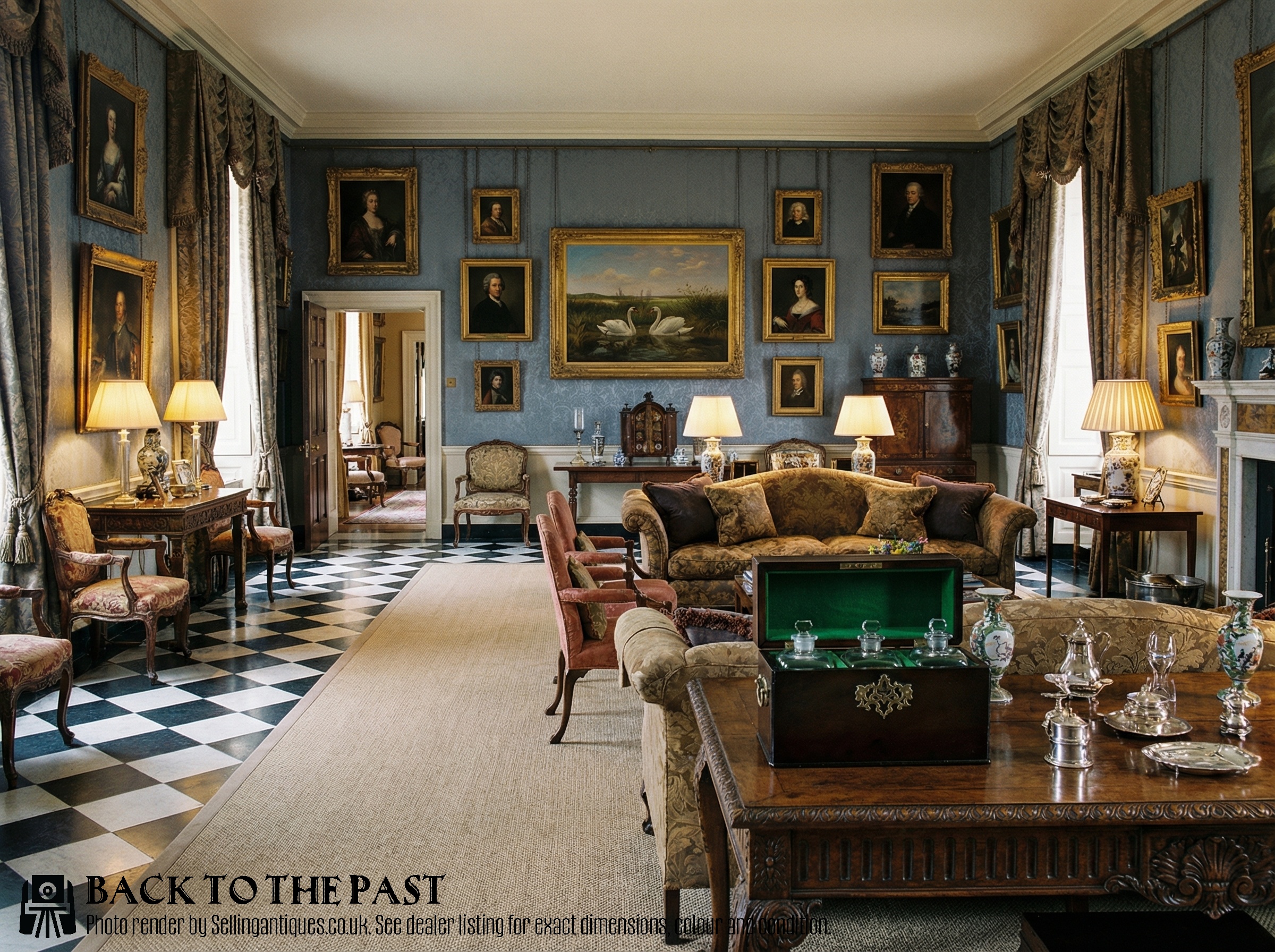
Brass Mounted Decanter Box
A brass mounted decanter box serves as a portable container for wine, spirits and occasionally games, designed to protect precious bottles under lock and key. When you search for a brass mounted decanter box, you encounter items intended for formal entertaining and domestic comfort during the Georgian, Victorian and Edwardian eras.
The selections available on this page span several distinct periods, reaching from 18th-century pieces through Regency and Victorian examples up to Edwardian compendiums. Oak, mahogany and coromandel form the primary carcasses, enhanced by brass mounts that reinforce the corners and secure the lids.
Many of these containers combine drinks storage with games, housing decanters alongside compartments for cards or counters. You will find standard decanter boxes sitting alongside complex tantalus systems and cellarettes across the listed items.
Materials and construction
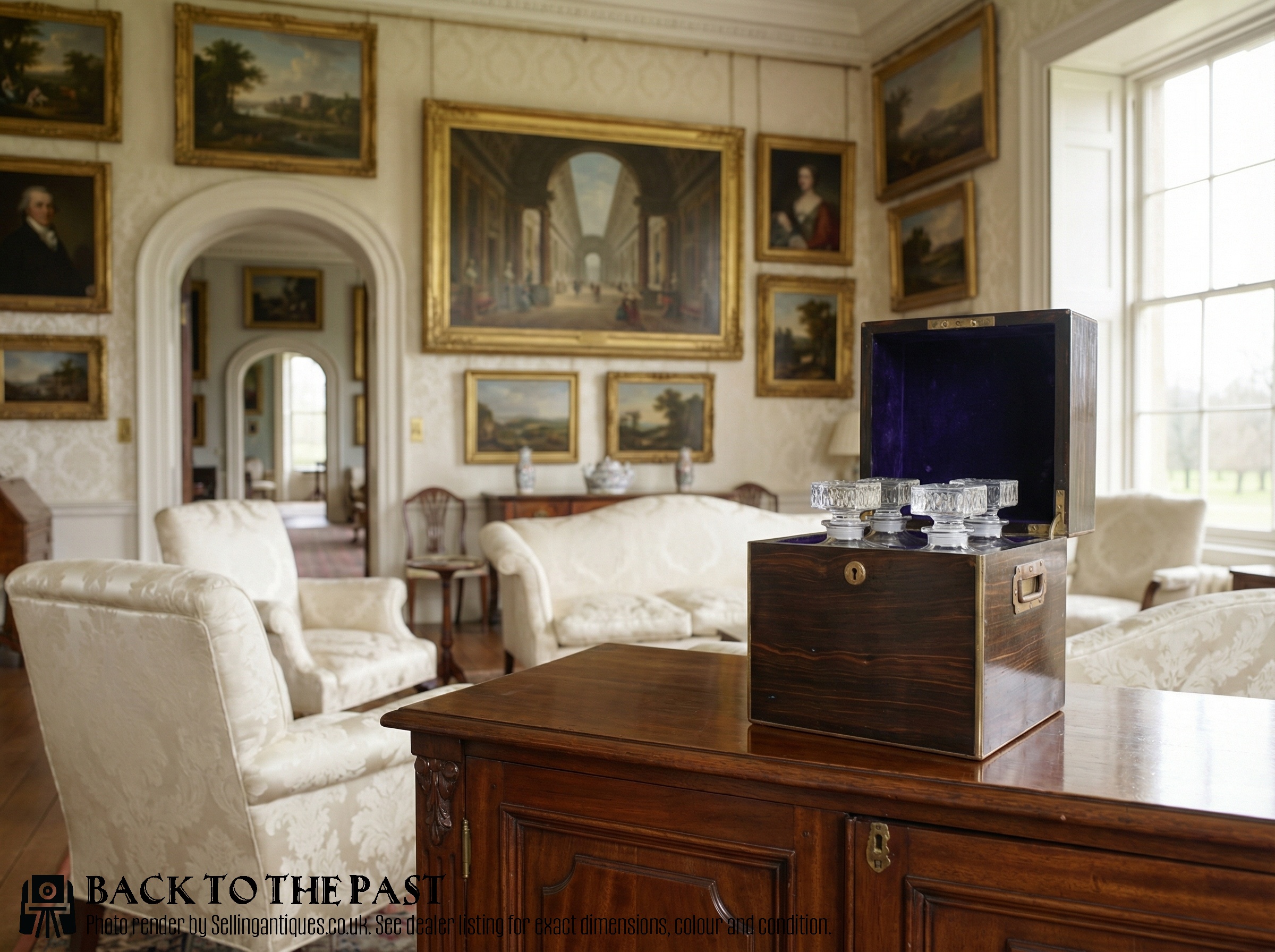
Cabinet makers utilised dense hardwoods including mahogany, oak and exotic coromandel to build robust frames capable of supporting heavy glass decanters. These timbers receive fine polishing to accentuate their natural grain patterns.
Brass straps, corners and escutcheons are applied to vulnerable edges, providing structural reinforcement while creating a visual contrast against the dark wood. Fitted interiors utilise precision carpentry to hold cut glass and crystal bottles securely in place.
Brass Mounted Decanter Box Retail Price Guide 2026
Typical asking prices for brass mounted decanter box among the pieces listed under this phrase on Sellingantiques today, from the lower quarter to the upper quarter. They describe what is for sale here now, not the wider market.
A locked tantalus famously keeps guests staring at the whisky while keeping the key safely in the host's pocket.
Assessing quality and execution
Quality reveals itself in the density and choice of timber, with exotic woods like coromandel and figured mahogany indicating higher status pieces. The precision of the joinery and the weight of the brass mounts also signal superior craftsmanship.
The complexity of the interior fittings elevates certain examples above standard containers. Fitted sections for multiple crystal decanters, combined games compendiums and original locking mechanisms demonstrate advanced cabinet making.
The Brass Mounted Decanter Box Glossary
- Tantalus
- A locking drink cabinet that displays decanters while preventing access until the key is turned. The frame holds the stoppers firmly within a locked bar.
- Cellarette
- A low cabinet or box designed to hold bottles of wine, originating in the Georgian period. They often sat beneath the sideboard or beside the dining table.
- Compendium
- A multi-purpose box housing several different pastimes or functions together. These frequently combine drinks storage with cards, games or scent bottles.
- Escutcheon
- A flat plate of brass surrounding a keyhole that protects the surrounding wood from wear. On these boxes, they often double as decorative hardware.
Brass Mounted Decanter Box: Frequently Asked Questions
What is a decanter box?
A decanter box is a secure wooden container built to hold glass bottles and prevent breakage during travel or storage. They protect valuable spirits and often feature integrated locks.
These pieces range from simple single-bottle holders to elaborate combinations incorporating games and multiple crystal decanters.
How did people use them?
Owners kept these boxes in drawing rooms or dining areas to dispense after-dinner drinks to guests. The lock kept household staff and uninvited guests from sampling the contents.
Many examples doubled as games compendiums, providing cards and counters alongside the spirits for evening entertainment.
How do I date these pieces?
Dating relies on timber choice, hardware style and overall design proportions. Georgian and Regency pieces favour mahogany and classical lines, while Victorian examples often utilise coromandel and elaborate brass mounts.
Edwardian items frequently present as combined games compendiums and tantalus systems reflecting late nineteenth and early twentieth-century leisure habits.
How do I care for the wood?
Keep these boxes away from direct sunlight and extreme temperature fluctuations to prevent the timber from splitting. Regular dusting with a soft, dry cloth preserves the polished surface.
Avoid applying modern silicone polishes, using traditional beeswax sparingly if the timber appears dry.