




Antique Decanter Chest
An antique decanter chest holds fine spirits securely, offering a sophisticated portable bar housed in a sturdy wooden case.
Antique Decanter Chest
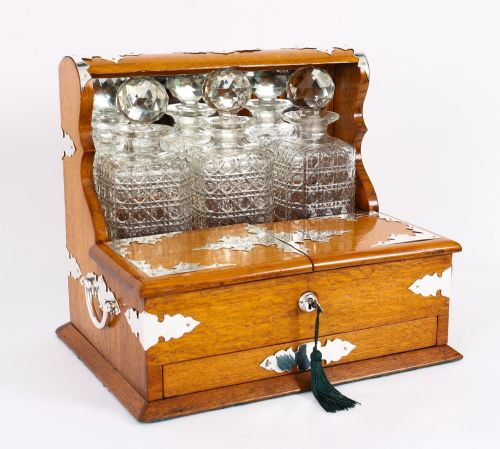
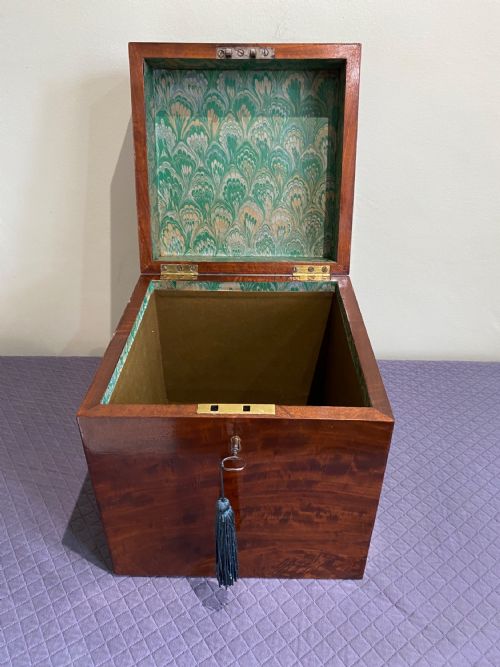
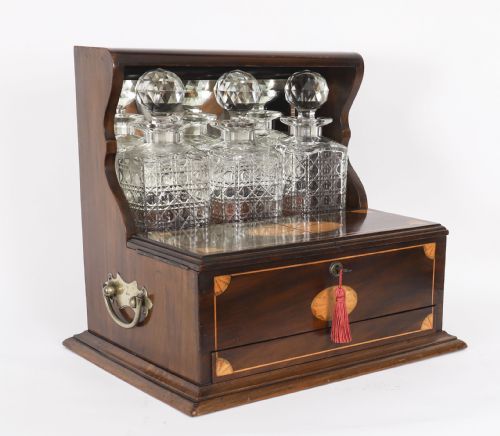
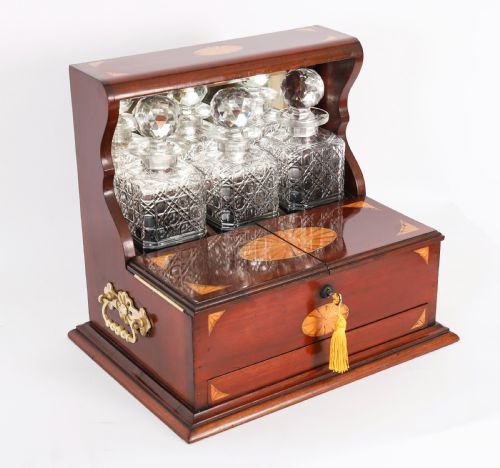
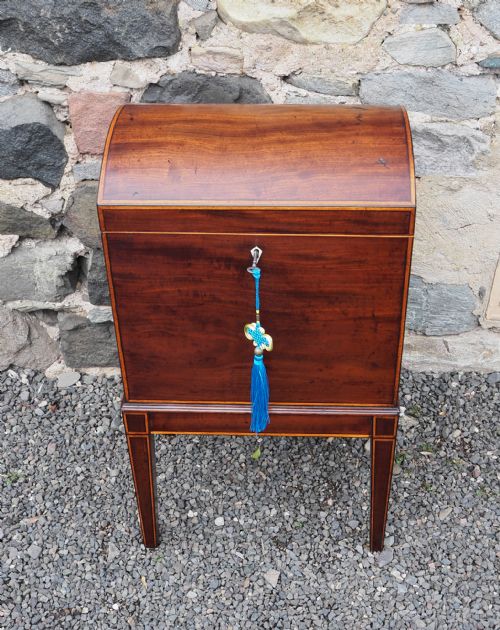
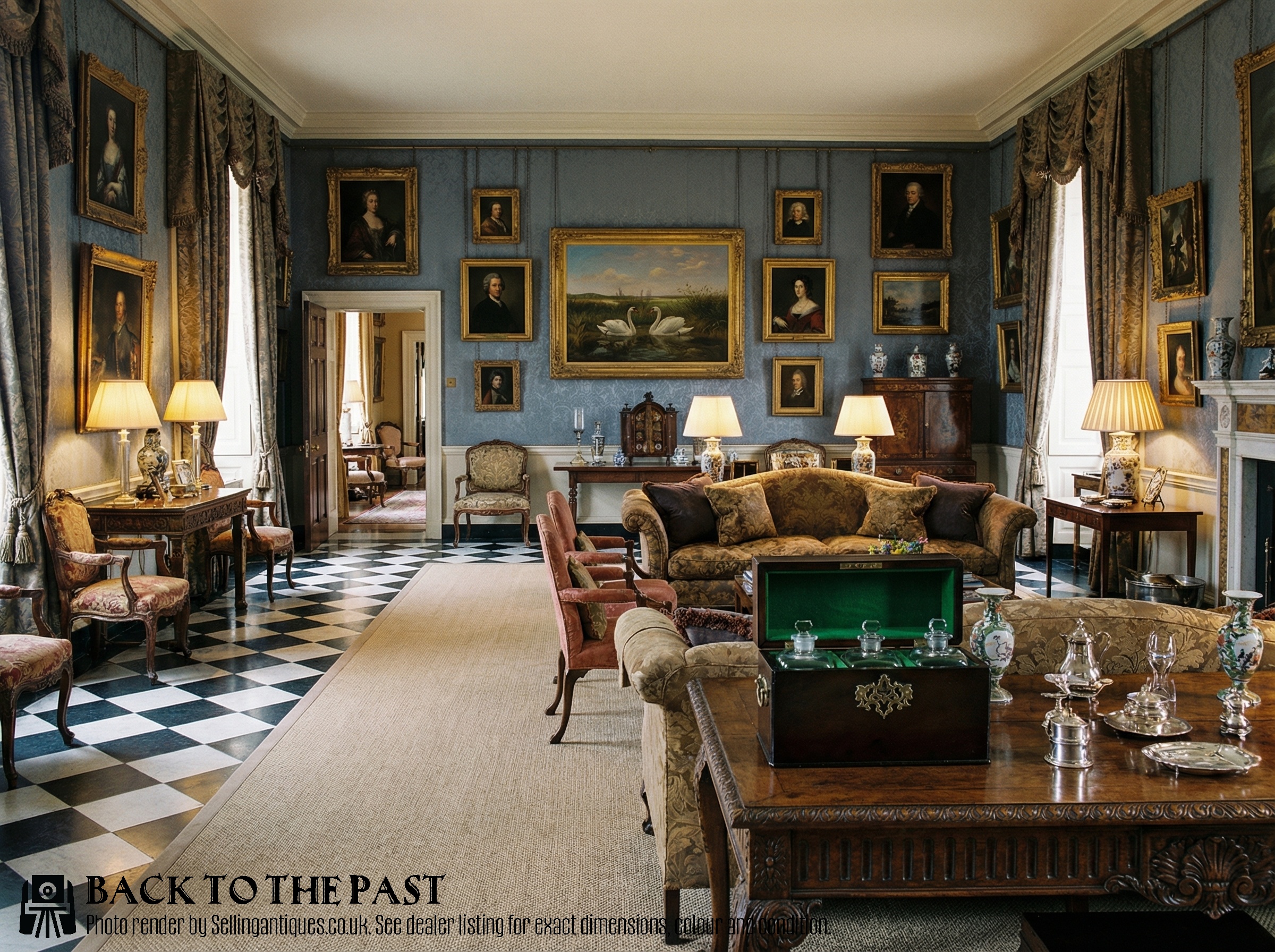
When you search for an antique decanter chest, you explore a diverse range of fitted boxes, tantaluses, cellarettes, and liqueur caves designed to house glassware and bottles securely. These pieces serve both as practical drinks cabinets and decorative furniture items for the home.
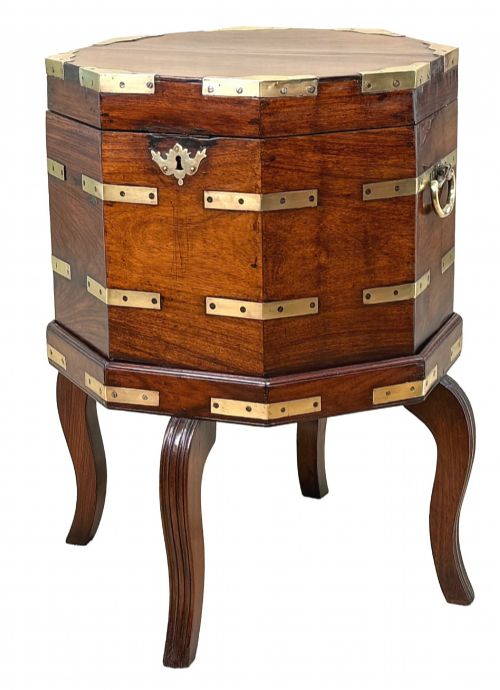
The selection on this page relies heavily on nineteenth-century and Georgian pieces, spanning styles from Victorian and Edwardian periods to Regency and Anglo-Indian designs. You encounter everything from compact table boxes to large games compendiums fitted with multiple bottles.
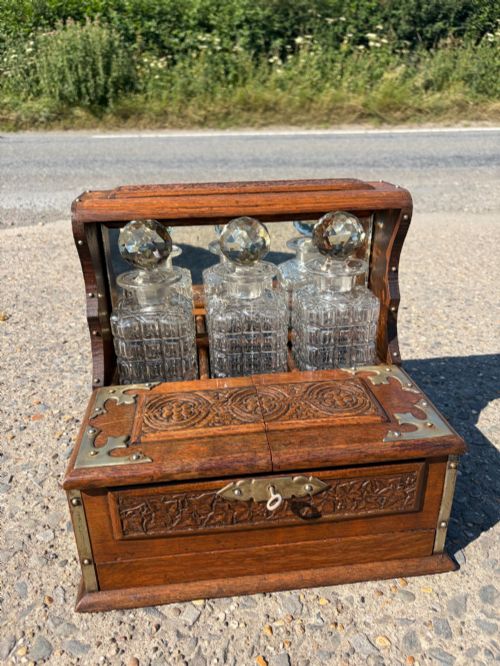
Mahogany and oak dominate the timber choices, frequently paired with cut crystal or cut glass decanters. Many examples integrate games equipment or specialised storage compartments alongside the primary bottle fitted interior.
How these pieces were constructed
Cabinetmakers utilised solid timbers such as mahogany, oak, padouk, coromandel, and burr birch, often enhancing the exterior grain with satinwood inlay or marquetry stringing. Structural integrity was paramount, requiring robust joinery to support the heavy weight of glass bottles and liquid contents.
Fittings frequently incorporated polished brass mounts, handles, and lock plates, alongside mirrored glass interior panels within French cave a liqueur boxes. Bottle storage relied on precise internal wooden dividers or metal locking mechanisms designed to secure cut crystal and cut glass decanters during transport.
Black Forest boxes bring carved wildlife charm to the drinks cabinet.
What separates the finest examples
Quality reveals itself in the choice of cabinet timbers and the precision of internal joinery, where dense hardwoods like coromandel and figured mahogany command greater attention. The inclusion of matching cut crystal decanters, original working locks with keys, and integrated games compendiums elevates a piece significantly.
The refinement of decorative details, such as intricate marquetry stringing, fine brass mounts, or hand-painted and gilt glass decoration, distinguishes superior workshop production from standard utility boxes. French and English examples demonstrate distinct regional standards in veneering and glass-blowing techniques.
The Antique Decanter Chest Glossary
- Tantalus
- A locking drink cabinet that displays decanters while preventing unauthorized access to the contents. The locking mechanism secures the stoppers in place until a key is turned.
- Cellarette
- A freestanding or floor-standing container designed to hold wine bottles and decanters. Georgian and Regency examples often feature lead linings or specialised interior dividers.
- Cave a liqueur
- A continental fitted box, often French or Black Forest in origin, containing a set of liqueur glasses and small decanters resting in a shaped wooden frame. These frequently feature ormolu mounts and mirrored glass interiors.
- Games compendium
- A multi-functional box that combines a spirit or decanter storage section with equipment for board games or card games. These units reflect nineteenth-century social entertaining habits.
- Marquetry
- The art of applying decorative veneer pieces in wood to form detailed patterns and pictures on a box surface. This technique highlights the skill of the cabinetmaker.
Antique Decanter Chest: Frequently Asked Questions
What is a tantalus?
A tantalus is a locking drinks cabinet that holds decanters securely within a wooden frame, preventing people from pouring drinks without a key.
The metal bar across the decanter stoppers locks in place, which inspired the name from the mythological figure Tantalus because the refreshment remains visible yet out of reach.
How were decanter chests used?
These chests were used in dining rooms and drawing rooms to store and serve fine wines, spirits, and cordials safely. Servants would bring the portable box into the room when guests gathered.
Many examples also doubled as games compendiums or contained specialised compartments for glasses, serving both hospitality and entertainment needs.
What is a liqueur cave?
A liqueur cave, or cave a liqueur, is a continental fitted box designed to hold small decanters and matching glasses. They were popular in France during the nineteenth century.
Interiors often feature contoured wooden tiers lined with velvet or mirrors to showcase delicate cut glass and crystal glassware.
How do I date an antique decanter chest?
Dating relies on identifying the prevailing furniture styles, timber choices, and hardware construction methods present in the piece. Georgian and Regency pieces show different proportions and joinery compared to Victorian or Edwardian examples.
Lock manufacturers' stamps, brass mount designs, and the style of the cut glass decanters also provide reliable clues to the decade of manufacture.