
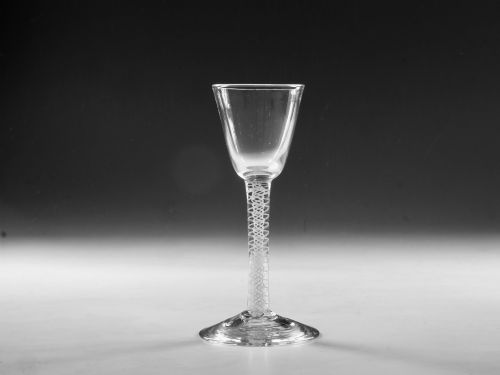
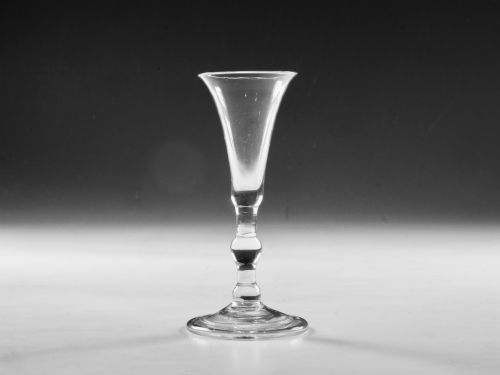
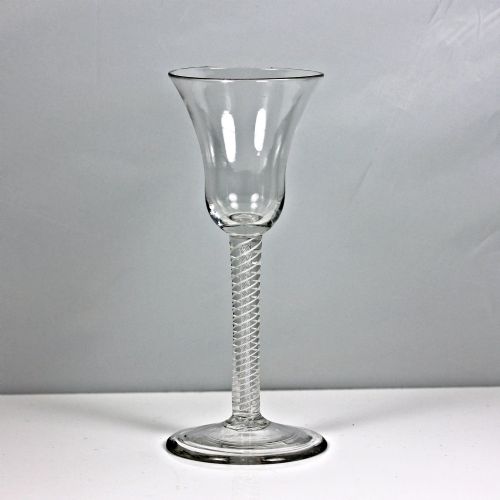
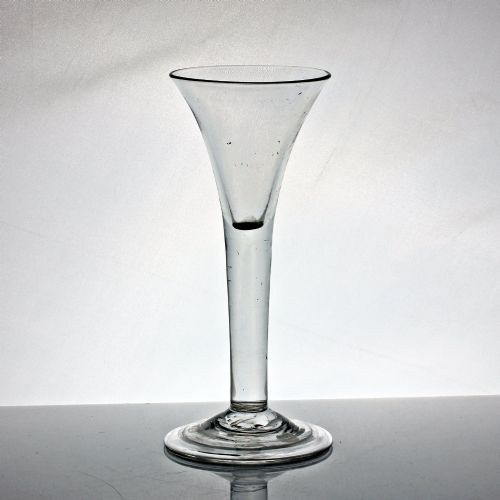
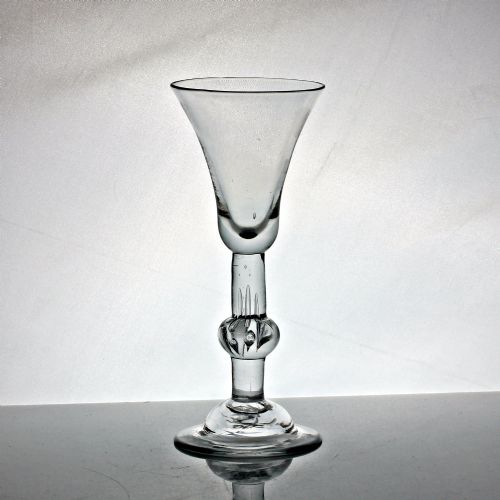
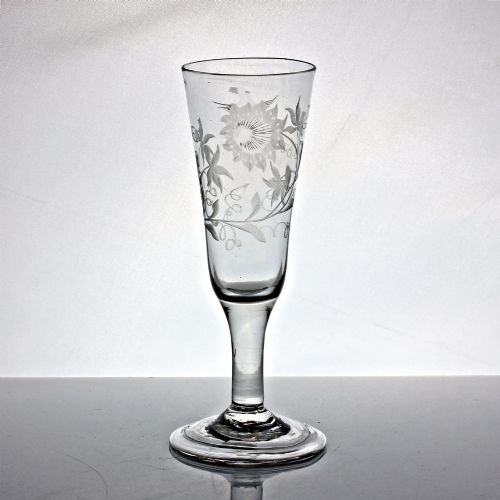
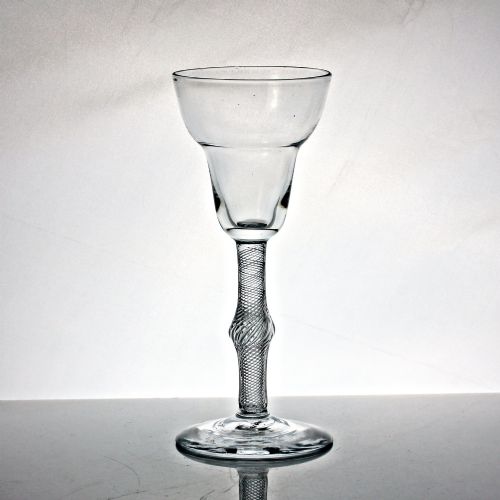
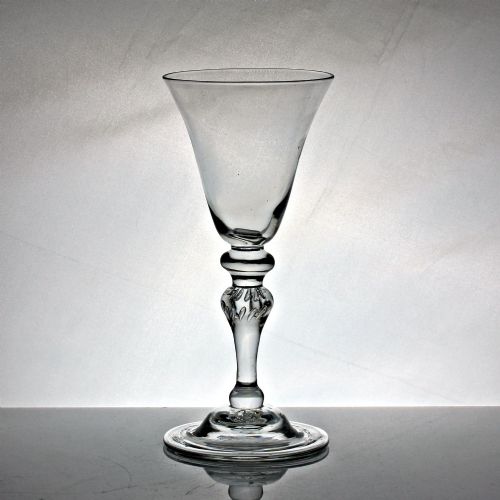
Georgian Lead Glass Bowl
A georgian lead glass bowl brings heavy clear metal and crisp facet cutting to a table, offering solid weight and bright light reflection.
Georgian Lead Glass Bowl
A georgian lead glass bowl encompasses heavy vessels designed for fruit, butter, and condiments, alongside standing footed forms from the eighteenth and early nineteenth centuries. The listings show substantial oval fruit bowls, lidded butter dishes, and standing Irish pieces alongside rummers and table glass.
Buyers will find pieces spanning the eighteenth century through the Regency period, with heavy cut glass and clear flint metal predominating. Forms vary from deep oval serving vessels to standing centrepieces with facet cutting.
Materials and production methods
Makers utilised lead glass, lead crystal, and flint glass to achieve high refractive index and heavy weight in each vessel. This heavy metal allowed deep wheel cutting without compromising the structural integrity of the bowl wall.
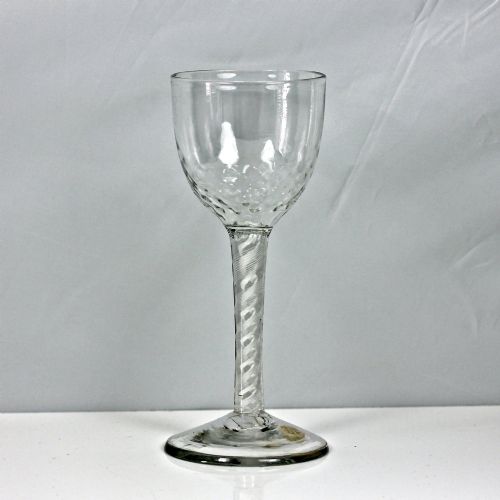
Surface decoration relies on wheel cutting, facet cutting, and hobnail patterns, alongside pressed and moulded details on butter dishes and condiment jars.
The material record on this page spans lead glass, lead crystal, flint glass, and clear glass across eighteenth-century and Regency periods.
Judging quality in domestic glass
Quality rests in the clarity of the metal and the precision of the facet cutting, where crisp edges catch the light sharply without softening. Heavy weight and deep ringing tone indicate a higher lead content in the batch.
Proportion and stability also divide standard production from finer output, particularly in standing bowls and heavy rummers where the foot must balance the mass of the upper body.
The Georgian Lead Glass Bowl Glossary
- Lead glass
- A heavy, brilliant glass formulation containing lead oxide that increases density and refractive power. This material forms the primary body of eighteenth-century tableware.
- Hobnail
- A pattern of raised, faceted pyramidal points cut into the exterior surface of a bowl or rummer. This tactile decoration catches light across multiple angles.
- Flint glass
- An early term for high-clarity lead glass possessing exceptional brilliance and weight. It allows deep wheel cutting and polished facets.
- Cut glass
- Glass decorated by holding the vessel against a rotating abrasive wheel to carve linear and geometric patterns. The resulting cuts are often polished to a high shine.
Georgian Lead Glass Bowl: Frequently Asked Questions
What were these bowls used for?
These vessels served domestic functions on dining tables, holding fruit, butter, or condiments during formal meals. Deeper standing bowls held centrepiece displays, while lidded butter dishes protected dairy at table.
Heavier rummers and fruit bowls handled daily service and hospitality in prosperous homes, combining practical utility with decorative display.
How do I care for a lead glass bowl?
Wash these pieces by hand in warm water using mild detergent, avoiding harsh scrubbing or sudden temperature changes. Soft cloths prevent scratching the softer surface of historic lead metal.
Store them securely on stable flat surfaces away from the edge of shelving to protect the heavy foot and rim from accidental impacts.
How can I tell a Regency bowl from an earlier piece?
Regency pieces often display heavier hobnail cutting and ovoid forms associated with the turn of the nineteenth century. Earlier eighteenth-century vessels tend toward simpler oval shapes or standing footed designs with distinct facet cutting.
The weight, form of the cutting, and overall proportions align with the stylistic shifts recorded across the Georgian and Regency eras.
Why is the glass so heavy?
The addition of lead oxide to the molten batch increases the density and weight of the finished vessel. This heavier metal creates a more durable wall that supports deep decorative cutting.
High lead content also produces the characteristic refractive brilliance and resonant ring when the rim is tapped gently.