

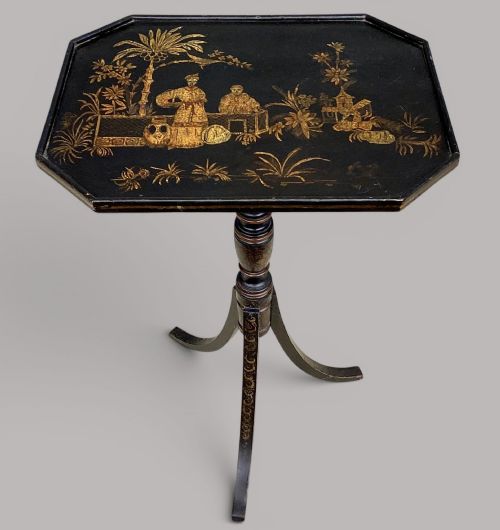


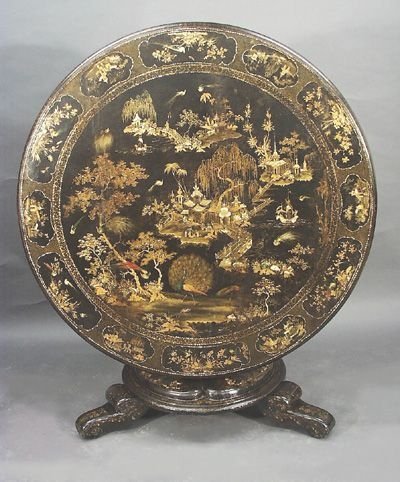


Georgian Japanned Table
A georgian japanned table brings lacquerwork and Chinoiserie ornament into a room through decorative surfaces built over wood.
Georgian Japanned Table
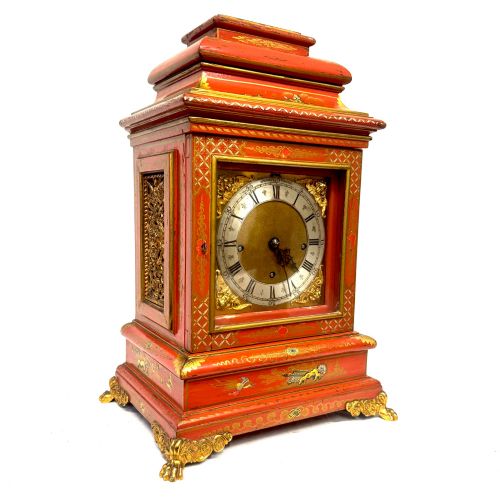
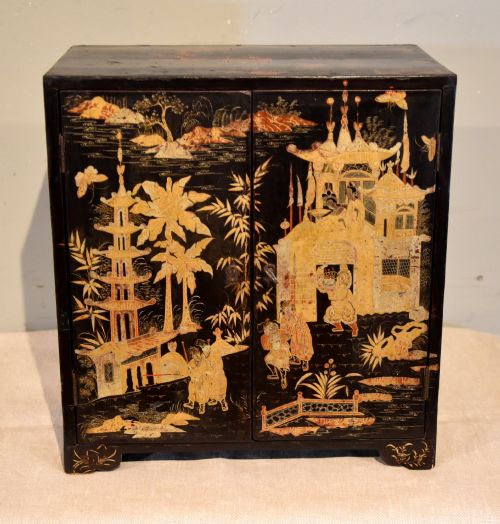
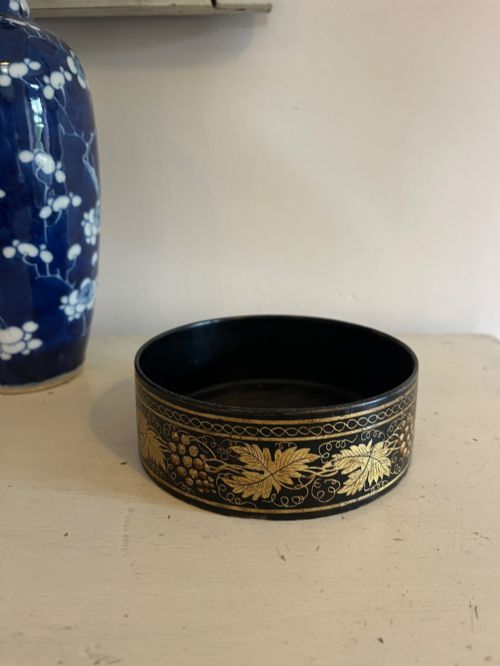
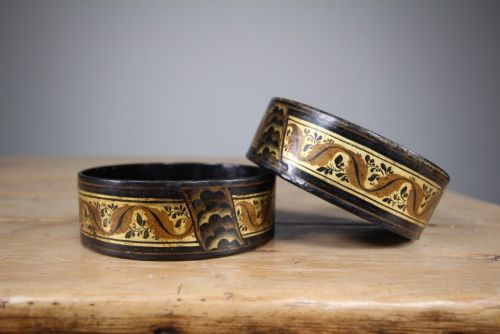
A georgian japanned table combines the forms of the eighteenth and early nineteenth centuries with applied lacquer decoration in the Chinoiserie taste. Pieces listed range from occasional tables and console tables to dressing tables and wine coasters, showing how this decorative finish appeared across domestic furniture.
The styles recorded span Regency, Queen Anne, George III, and Chinese Export designs, alongside later twentieth-century interpretations. Makers and craftsmen utilised lacquer, wood, papier-mache, and paint to achieve the distinctive painted and gilded surfaces characteristic of these items.
Materials and construction
Construction relies on timber carcasses prepared for lacquerwork, incorporating materials such as wood, papier-mache, and brass details. Craftsmen built up surfaces using layers of lacquer and paint before applying intricate gilding and gold leaf to create pictorial scenes.
Finishes vary from black and red grounds to green and yellow japanning, often paired with marble tops or toleware trays on stands. The application of paint and gold leaf required skilled handwork to render the figures and landscapes associated with Chinoiserie decoration.
Georgian Japanned Table Retail Price Guide 2026
Typical asking prices for georgian japanned table among the pieces listed under this phrase on Sellingantiques today, from the lower quarter to the upper quarter. They describe what is for sale here now, not the wider market.
Listings feature periods from the eighteenth century through the Regency era up to nineteen-twenty.
Assessing quality and craftsmanship
Quality rests upon the crispness of the painted and gilded detail and the preservation of the original lacquer surface. Finer examples display detailed figural scenes and balanced proportions across forms such as console tables and tilt-top tables.
The integration of materials like brass mounts and marble tops also distinguishes standard production from more ambitious pieces. Condition of the underlying wood and the stability of the japanned finish determine the overall integrity of the item.
Henry Clay·James Smith London·Chater And Son London
The Georgian Japanned Table Glossary
- Japanning
- European imitation of East Asian lacquerwork, created by building up layers of varnish and paint decorated with gilt figures and landscapes. This technique became popular during the seventeenth and eighteenth centuries for furniture and clocks.
- Chinoiserie
- European artistic style reflecting Chinese motifs and decorative patterns, frequently applied to furniture and interiors. The style appears across many pieces on this page in the form of painted figures and pavilions.
- Tilt-top table
- A small table featuring a top that pivots on a central pillar to store vertically against a wall when not in use. These tables often featured decorated surfaces designed to be viewed when flat.
- Console table
- A table designed to stand against a wall, sometimes supported by front legs or fixed directly to the wall structure. Examples in this inventory incorporate marble tops and japanned frames.
Georgian Japanned Table: Frequently Asked Questions
What is a georgian japanned table?
A georgian japanned table is a piece of furniture finished with European lacquerwork that imitates Asian designs. These items date primarily from the eighteenth and early nineteenth centuries and feature painted or gilded decoration.
They include occasional tables, console tables, and dressing pieces intended for display in principal rooms. The surface decoration typically depicts figures, landscapes, or floral motifs in gold against a coloured ground.
How do I care for japanned furniture?
Japanned surfaces require gentle dusting with a soft, dry cloth to protect the delicate lacquer and gilt layers. Avoid using chemical polishes, water, or abrasive cleaners that can damage the varnish.
Keep these pieces away from direct sunlight and sources of heat to prevent the wood and lacquer from cracking or fading over time. Stable indoor humidity helps preserve the finish.
What colours are common on these tables?
The colour palette includes black, red, green, and yellow grounds decorated with gold leaf or metallic paint. These hues were chosen to emulate imported Chinese lacquerware.
Darker backgrounds like black and red predominate in earlier pieces, while lighter yellow and green grounds appear across various Regency and later objects.
How do I identify the period?
Period identification depends on the furniture form, leg style, and construction methods used in the wooden carcass. Georgian and Regency pieces show distinct structural profiles that differentiate them from later revival items.
Examining the wear patterns on the lacquer and the materials beneath the paint also helps establish the age of the piece.