
Georgian Inlaid Box
When you handle a georgian inlaid box, you touch a small domestic receptacle built to hold tea, letters or valuables with consummate craft.
Georgian Inlaid Box
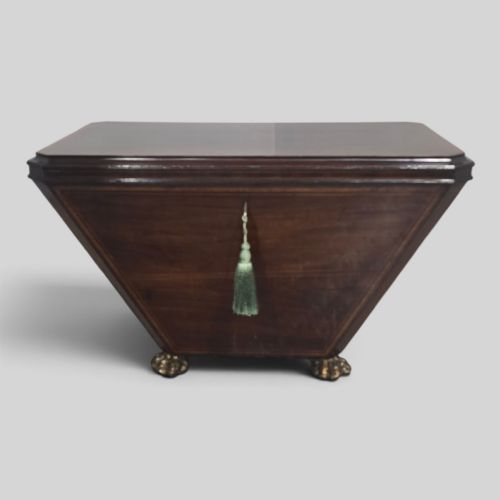
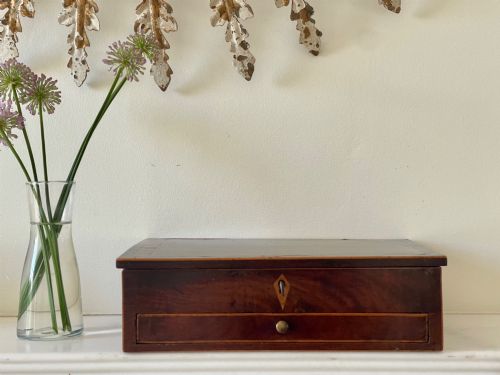
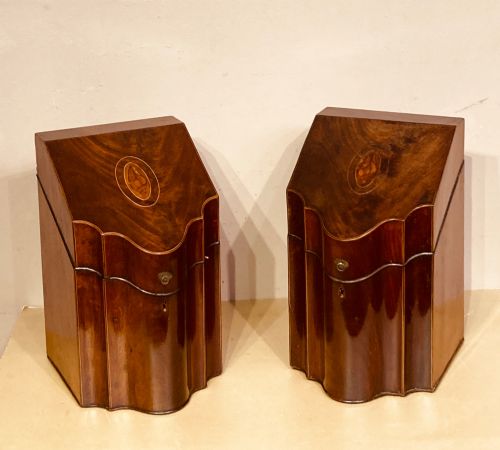
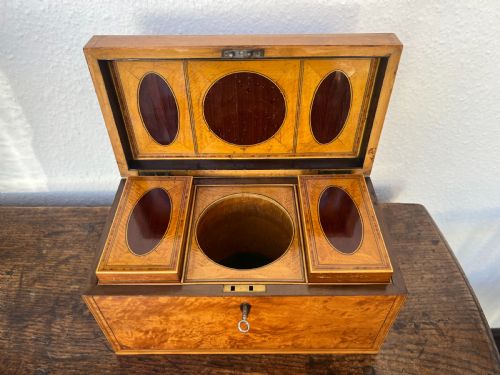
A georgian inlaid box is a functional small container fashioned during the eighteenth and early nineteenth centuries to organise valuables, documents, or consumables in the home. The most frequent examples encountered here are tea caddies, jewellery boxes, and writing slopes, reflecting the domestic habits of the period.
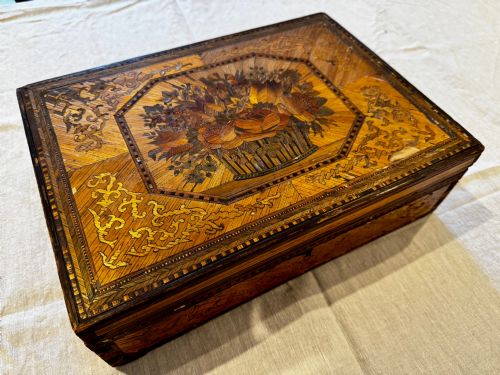
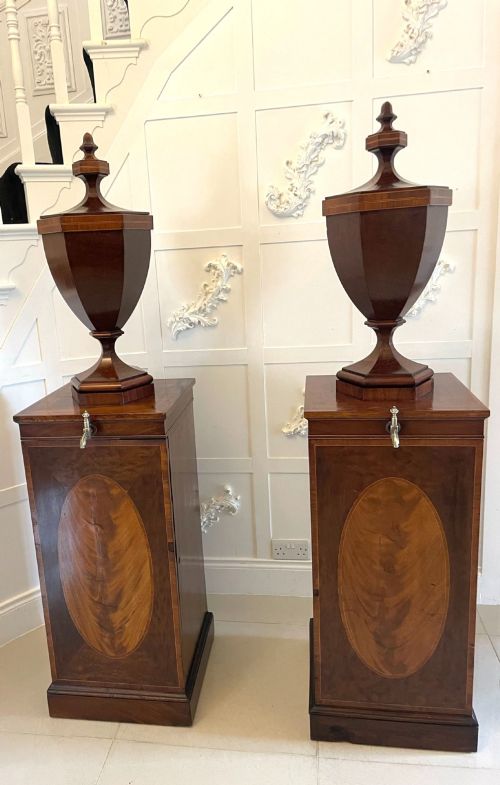
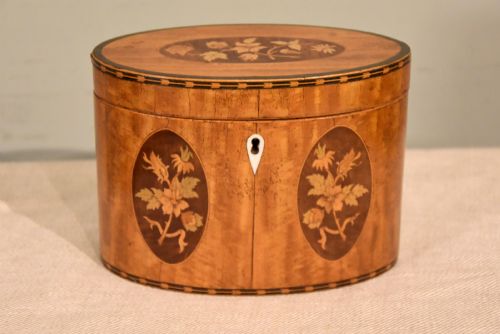
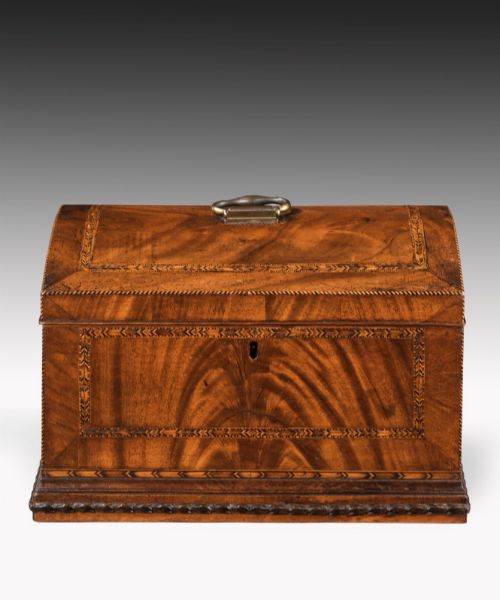
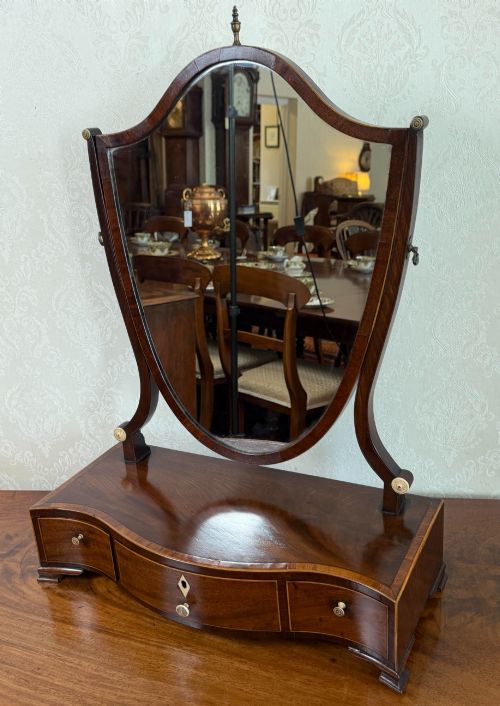
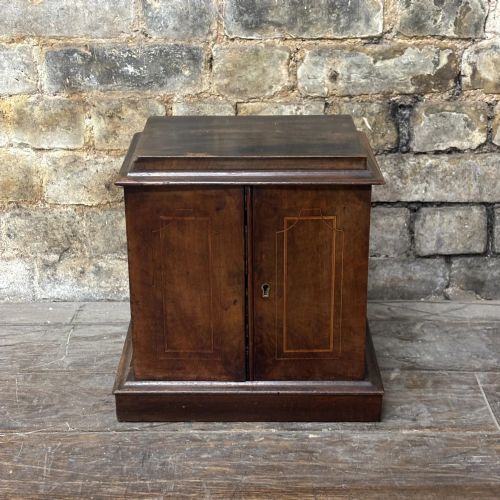
Makers constructed these vessels from sturdy timbers like mahogany, rosewood, and satinwood, enriching the surfaces with contrasting stringing and shell or floral motifs. They span the Georgian, Regency, and early nineteenth-century eras, incorporating shapes from simple rectangular receptacles to domed caddies and sloping desks.
How They Were Made
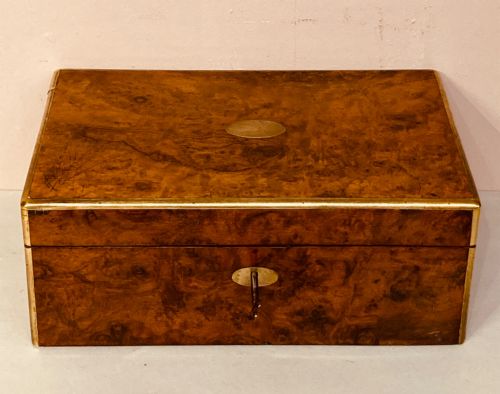
Cabinetmakers built the carcass using dense primary woods such as mahogany, walnut, or oak, often applying fine veneers of satinwood, harewood, or burr yew to the visible exterior surfaces. This method allowed craftsmen to contrast grain patterns and provide stable foundations for decorative enrichment.
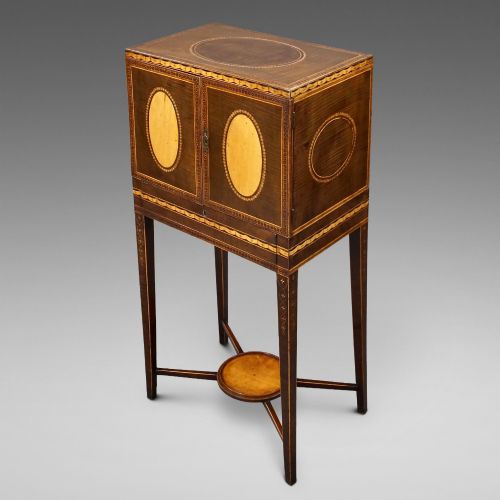
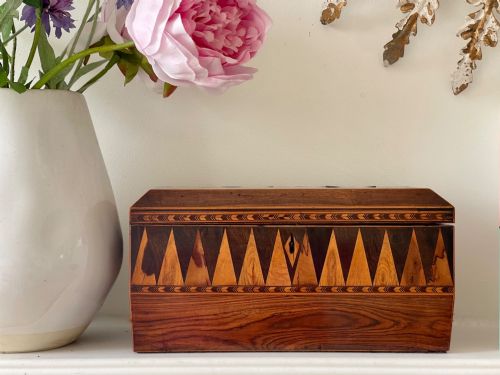
Decoration relied on precision woodworking techniques, incorporating boxwood, ebony, and bone stringing alongside intricate wood inlay and parquetry to define borders and central medallions. Interiors frequently received fitted compartments, hidden drawers, or velvet linings to suit the specific domestic function of the box.
Several boxes include secret compartments and hidden drawers designed to outsmart curious houseguests.
What Varies in Quality
Internal architecture and hardware also separate examples, where fitted compartments, original locks, and intact ivory or bone escutcheons indicate superior original commissioning. The crispness of the mitred joints and the survival of the original polished surface further mark the distinction between ordinary utility items and exceptional survivals.
Edwards and Roberts·Holtzapffel and Co·T.J. Morris
The Georgian Inlaid Box Glossary
- Stringing
- A narrow inlay of contrasting wood used to outline panels, drawers, or lids on a piece of furniture. This linear detail defines the geometric borders typical of the period.
- Caddy
- A small container designed originally to store loose tea leaves securely. They often featured internal lidded compartments to separate different varieties of tea.
- Writing Slope
- A portable desk with an angled hinged lid that opened to reveal a writing surface, inkwells, and storage compartments. These items were essential for correspondence before fitted desks were common in every room.
- Parquetry
- A geometric mosaic of wood pieces used for decorative veneer on floors, walls, and small boxes. It creates repeating patterns through the careful arrangement of contrasting timbers.
- Crossbanding
- A border veneer applied around the edges of a panel where the grain runs at right angles to the central wood. This technique creates a distinct framing effect.
Georgian Inlaid Box: Frequently Asked Questions
What did they store inside them?
These containers held precious items ranging from dry tea leaves and writing equipment to jewellery and personal letters. Each shape corresponded directly to its specific domestic function.
Tea caddies contained dry leaves, while writing slopes accommodated ink and paper. Jewellery boxes and workboxes protected trinkets and sewing supplies from dust and loss.
How do I identify the period?
Period identification relies on observing the combination of primary timbers, hardware styles, and the specific geometric or floral motifs used in the decoration. Late eighteenth-century pieces often favour satinwood and neoclassical shell paterae.
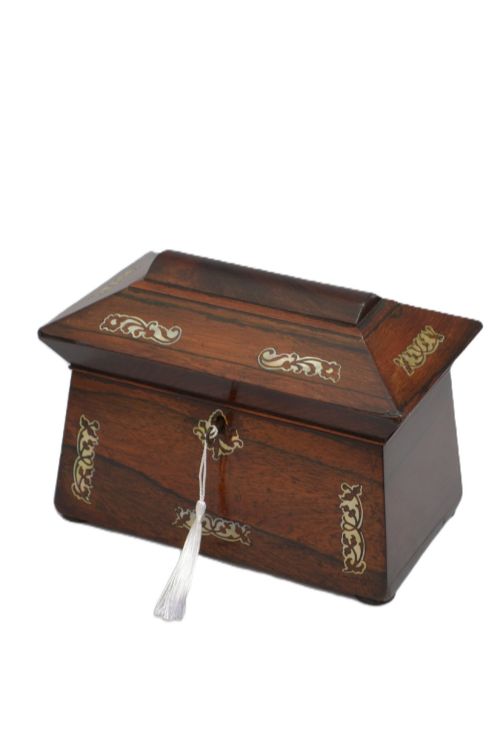
Regency examples frequently introduce bolder rosewood veneers, brass stringing, and sarcophagus forms with lion mask handles. Examining the interior construction and lock types provides further clues to the exact decade of manufacture.
Are keys usually included?
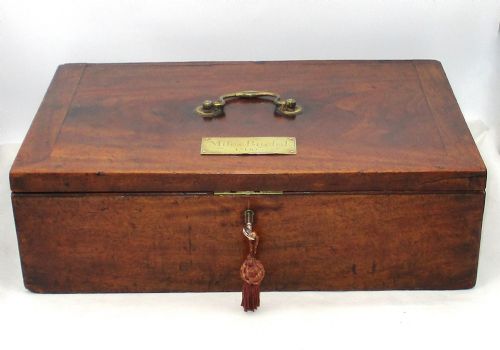
Many surviving examples retain their original working locks, though matching historical keys are less common. Locks were an essential feature for securing valuable contents like tea and family documents.
When a key does accompany the piece, it adds significantly to the historical integrity of the box. Even without a key, the presence of the original brass escutcheon and internal locking mechanism remains a key indicator of quality.
How should I care for the wood?
Maintenance requires keeping the piece away from direct sunlight and sudden changes in humidity to protect the delicate veneers and stringing. Gentle dusting with a dry cloth prevents accumulation without risking the antique polish.
Applying occasional appropriate wax preserves the moisture of the timber and highlights the grain variations. Avoid liquid cleaners and modern chemical polishes which can damage historical finishes.