


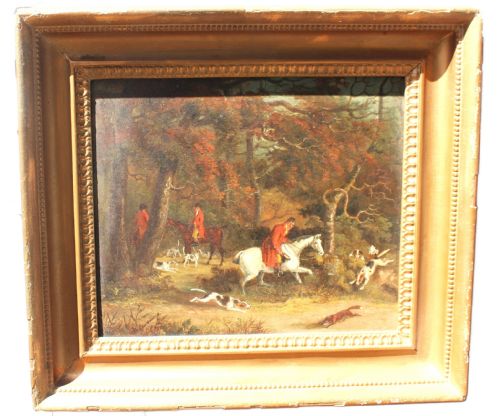


Georgian Hunting Scene
These pieces capture a georgian hunting scene in paint, print, paper, and pottery, offering a direct window into nineteenth-century sporting life.
Georgian Hunting Scene
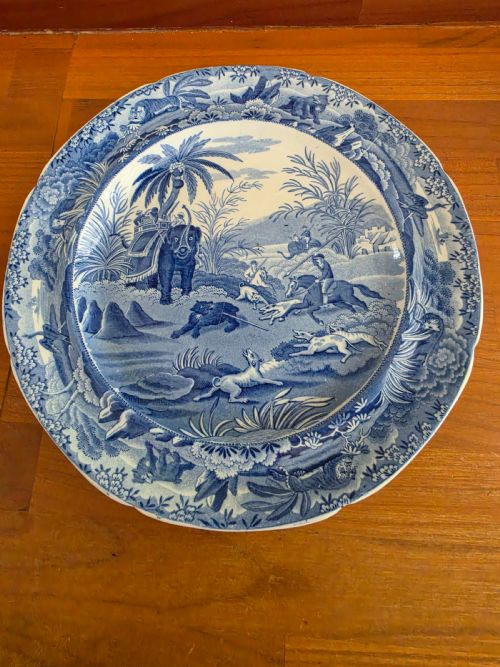
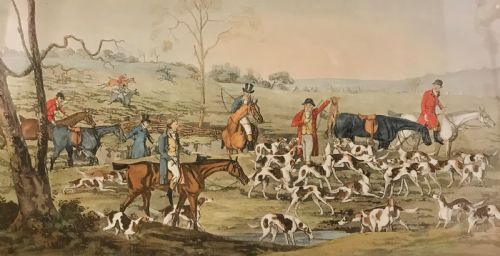
A georgian hunting scene encompasses oil paintings on canvas and wood, hand-coloured engravings, lithographs, and decorative plates that depict hounds, huntsmen, and sporting pursuits. These works originate primarily from the nineteenth century, including Georgian, Regency, and George III periods.
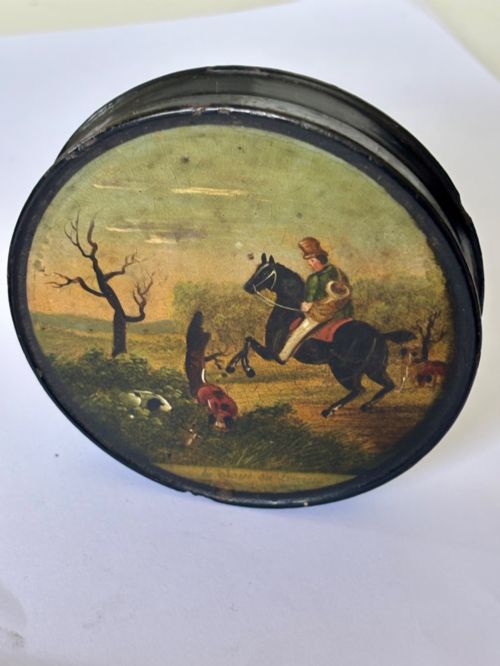
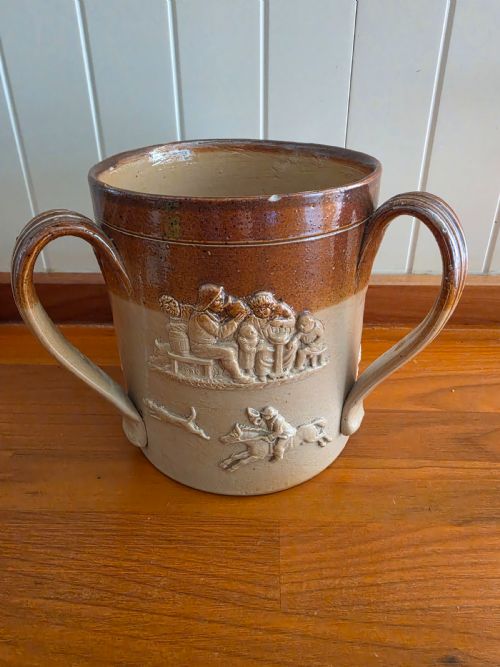
Buyers will encounter framed art prints alongside functional items such as papier-mâché and silver snuff boxes, stoneware jugs, glassware, and pottery vessels. The selection bridges fine art wall pieces and everyday domestic objects decorated with field sports.
The assortment draws heavily from British school sporting art, featuring subjects ranging from fox hunting and shooting parties to rural landscapes with sportsmen and their dogs.
What varies in quality
Execution in the painted works and engravings dictates the upper tier, where precision in depicting figures, horses, and hounds demonstrates superior draughtsmanship by named artists. Softer lines and generic compositions separate standard decorative items from masterworks.
The medium itself influences the grade of the piece, with solid silver gilt snuff boxes and fine oil paintings representing a more refined tier than mass-produced lithographs or standard pottery vessels.
Listings feature oil paintings, engravings, stoneware jugs, and silver snuff boxes across the Georgian and nineteenth-century periods.
Spode·Edward Smith·Samuel John Egbert Jones·Dean Wolstenholme·James Pollard
The Georgian Hunting Scene Glossary
- Lithograph
- A print produced by the process of printing from a flat stone or metal plate treated so as to absorb ink only where required. This technique allowed multiple impressions of sporting scenes to be published for wider circulation.
- Tyg
- A large drinking vessel with three or more handles, typically made of pottery or stoneware. They date back centuries and were designed for communal passing around a table.
- Papier-mâché
- A composite material consisting of paper pieces or pulp, sometimes reinforced with textiles, bound in an adhesive such as glue or paste and moulded when moist. It provided a lightweight yet durable base for pocket snuff boxes.
- Air Twist
- A form of decoration inside the stem of glassware created by drawing out air bubbles during manufacture. It appears in drinking glasses from the Georgian period.
- Relief Moulding
- A technique where ornament is raised above the background surface of pottery or metalwork. This method adds tactile depth to jugs and plates.
Georgian Hunting Scene: Frequently Asked Questions
What periods do these pieces date from?
The items span the late eighteenth and nineteenth centuries, encompassing the Georgian, Regency, and George III eras.
Most works cluster around the early eighteen-hundreds through to the mid-nineteenth century, aligning with the peak of British sporting art.
How were snuff boxes with hunting scenes used?
Gentlemen carried these portable containers in their pockets to hold dry tobacco snuff during outdoor pursuits and social gatherings.
Craftsmen decorated the lids with detailed hunting scenes in silver, papier-mâché, or horn to reflect the owner's sporting interests.
Are the prints original or later copies?
The inventory includes period engravings and lithographs bearing original publication dates from the early nineteenth century.
Hand-colouring applied to these paper works was standard practice for sporting prints of that era.
What materials are common in these vessels?
Makers utilised stoneware, pottery, glass, mahogany, and carved organic materials like coconut shell and horn.
Functional items ranged from ale jugs and three-handled tygs to drinking horns and etched glassware.