



Georgian Hot Water Vessel
A Georgian hot water vessel brings the gleaming weight of copper, brass and silver plate to the table, offering both period presence and functional design.
Georgian Hot Water Vessel
A georgian hot water vessel encompasses tea urns, samovars, coffee pots, ewers, and warming flasks produced during the eighteenth and early nineteenth centuries. These items served a practical domestic purpose in heating or holding water for tea and coffee service in wealthier households.
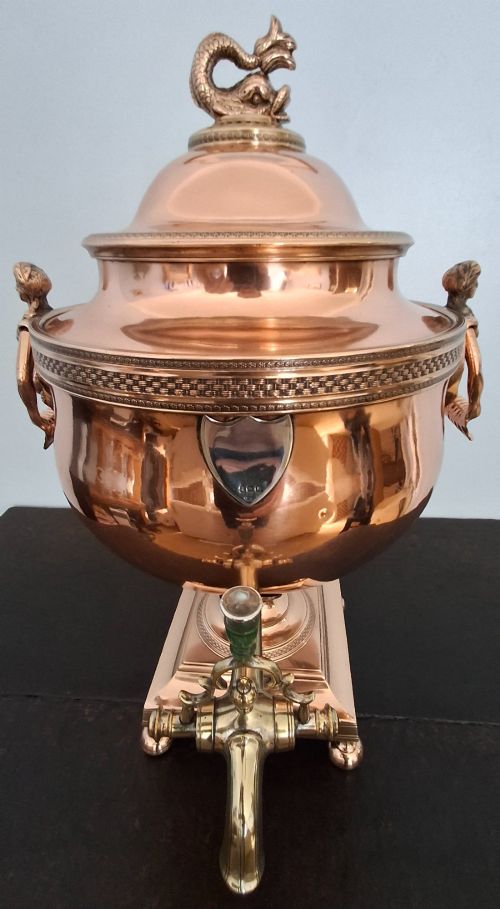
The versions most commonly met on this page are copper and brass samovars alongside silver-plated or sterling silver coffee pots. Pieces frequently date from the Georgian and Regency periods, spanning the eighteenth century through to the early nineteenth century.
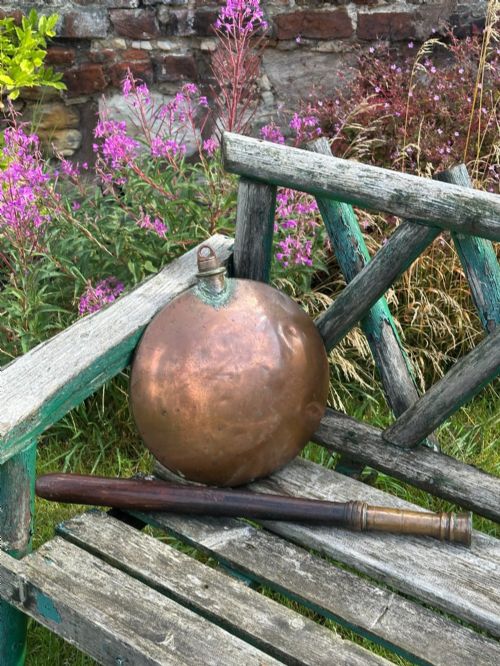
Forms range from moon-shaped warming flasks with detachable oak handles to pedestal-mounted tea urns with brass spigots. Neoclassical styling occasionally appears alongside utilitarian metalware and domestic kitchen brass.
Construction and materials
Makers utilised heavy-gauge copper and brass, often hand-beaten and joined with visible seams or rivets. Handles incorporate contrasting materials such as ebonised wood, bone, and oak to provide insulation against heat.
Silver plating on copper, known as Old Sheffield Plate, appears alongside solid sterling silver used for finer tablewares. Details like brass spigots, spouts, and feet were cast separately and attached to the main body.
Georgian Hot Water Vessel Retail Price Guide 2026
Typical asking prices for georgian hot water vessel among the pieces listed under this phrase on Sellingantiques today, from the lower quarter to the upper quarter. They describe what is for sale here now, not the wider market.
Assessing quality
The division between standard domestic kitchenware and high-table display pieces rests on the complexity of the metalworking and the grade of materials employed. Substantial weight in the copper or silver plate indicates a higher grade of manufacture.
Refinement of design separates basic utilitarian vessels from those displaying neoclassical decorative elements and well-turned wooden or bone insulators. Maker marks on silver and Old Sheffield Plate elevate historical interest.
John Scofield
The Georgian Hot Water Vessel Glossary
- Samovar
- A heated metal vessel traditionally used to boil and heat water for tea. These large containers usually feature an internal heating cylinder and a small spigot near the base.
- Old Sheffield Plate
- An early method of fusing a thin layer of silver onto a thicker copper base. This technique preceded electroplating and leaves characteristic edges where copper shows through.
- Ewer
- A large pitcher or jug with a wide spout, traditionally used for holding water. In silver or metalware, these pieces often feature neoclassical styling.
- Ebonised wood
- Timber that has been chemically treated or stained to resemble ebony. It provides a dark, hardwearing contrast for handles and knobs.
Georgian Hot Water Vessel: Frequently Asked Questions
What is a georgian hot water vessel?
A georgian hot water vessel is a metal container made in the eighteenth or early nineteenth century for heating or dispensing water. These items include samovars, tea urns, coffee pots, and warming flasks.
They were essential components of the formal tea and coffee service in period homes. Their construction combined practical metalworking with decorative domestic design.
How were these vessels used?
These vessels were filled with hot water and placed on the tea table or sideboard to replenish teapots throughout the day. Some featured internal heating elements or chambers for hot coals.
Smaller flasks were utilised for warming beds or personal use, whilst larger samovars remained stationary during social gatherings. The spigot allowed servants or hosts to pour water directly into cups.
How do I care for antique copper and silver plate?
Copper and silver plate require gentle cleaning to preserve their historic surfaces rather than aggressive polishing. A soft cloth and mild, non-abrasive cleaner will maintain the metal without stripping the patina.
Wooden and bone handles should be kept dry and protected from excessive heat or moisture. Regular dusting prevents tarnish buildup in decorative recesses.
How can I tell a Georgian piece from a later copy?
Georgian metalware displays specific construction traits such as hand-beaten seams, cast brass components, and older methods of silver application like Old Sheffield Plate. Tool marks and natural wear patterns offer clues to age.
Stylistic cues such as neoclassical proportions and period hallmarks help anchor the piece to the eighteenth or early nineteenth century.