


Victorian Copper Samovar
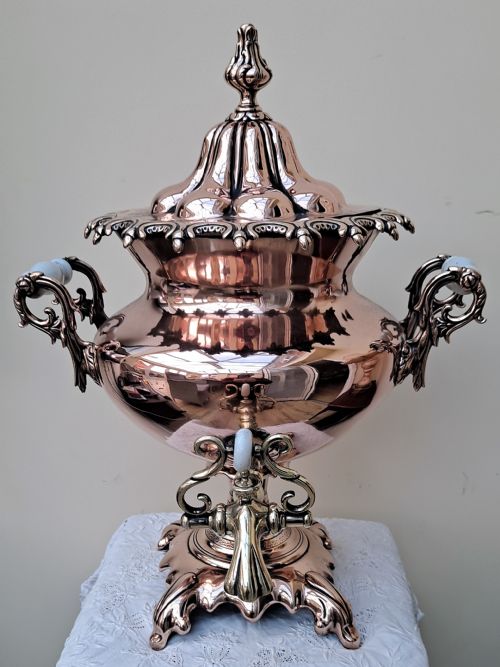
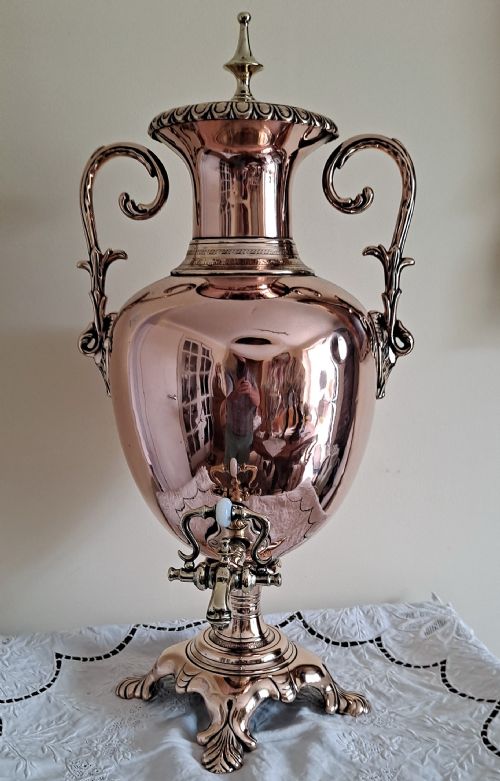
A victorian copper samovar is a heavy, water-heating vessel built to anchor a drawing room table.
Victorian Copper Samovar
When you search for a victorian copper samovar, you encounter large tea urns and kettle samovars originating from the nineteenth century. These vessels combine copper bodies with brass mounts, built to boil water for large households during the Victorian era.
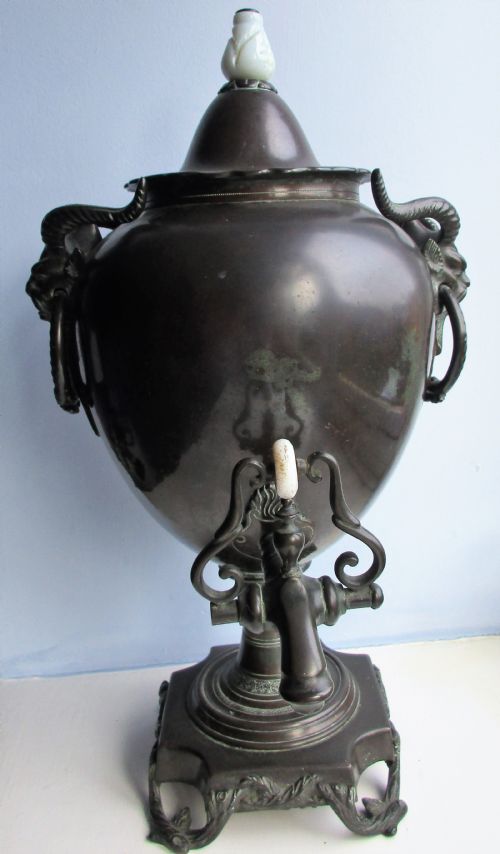
You are most likely to meet standard copper and brass tea urns alongside occasional japanned metal examples labelled as Pontypool ware. The forms span the Victorian period with roots stretching back into Georgian styles, designed to sit prominently on sideboards and tea tables.
How they were made
The makers formed the main bodies from beaten copper sheets, joining the seams carefully and mounting them on sturdy brass feet. Handles and spigots incorporated contrasting materials like bone, ceramic, wood, and ebonised wood to insulate against the heat.
Some examples utilised japanned metal finished with dark or decorative coatings, creating the Pontypool ware variation seen in the period. These techniques produced heavy, resilient vessels meant for daily use in large homes.
The listings combine nineteenth century pieces featuring copper, brass, bone, ceramic, wood, patinated metal, japanned metal, and ebonised wood.
What varies in quality
The distinction between ordinary pieces and the finest examples lies in the weight of the metal and the crispness of the brass mounts. Better pieces display heavier gauge copper and more substantial handles formed from bone, ceramic, or ebonised wood.
Makers' marks and retail stamps add distinction to certain urns, separating standard workshop production from signed pieces sold by established London merchants. The harmony between the copper body and the brass spigots dictates the visual balance.
Benetfink And Co·Benham And Sons·Adams And Sons
The Victorian Copper Samovar Glossary
- Samovar
- A heated metal urn traditionally used to boil and heat water for tea. These vessels typically feature an internal heating tube and a spigot near the base.
- Pontypool Ware
- Japanned metalware produced in Wales and England known for its glossy, lacquer-like finish. Pieces often exhibit dark grounds decorated with metallic dust or hand-painted details.
- Spigot
- A tap or faucet fitted near the bottom of the urn to draw off hot water. They are frequently cast in brass to contrast with the copper body.
- Japanned Metal
- Metal treated with a heavy, heat-resistant lacquer finish imitating Asian lacquerware. This technique protected the surface and provided a decorative dark sheen.
- Ebonised Wood
- Timber treated to resemble ebony, commonly used for insulating handles and knobs. It offers a dense, black finish that resists heat and wear.
Victorian Copper Samovar: Frequently Asked Questions
How did people use a samovar?
These vessels were filled with water and kept hot using internal heating cylinders or hot blocks dropped inside. Servants operated the spigot to dispense hot water into teapots during formal gatherings.
They stood on tea tables or sideboards as both a functional appliance and a striking centrepiece of nineteenth-century hospitality.
Are these urns still usable today?
While many retain their internal components, most modern buyers display them as decorative antiques rather than functional water heaters. The older soldered joints and internal pipes require careful assessment before attempting to boil water.
Using them as dry decorative objects preserves the copper surfaces and the delicate insulating handles.
What is the difference between copper and brass parts?
Copper forms the primary warmth-giving body of the vessel due to its excellent thermal properties and rich reddish tone. Brass is utilised for structural mounts, feet, spigots, and handles where extra rigidity is required.
This two-metal construction creates a distinct visual contrast typical of nineteenth-century tea equipage.
How do I care for the copper finish?
The metal benefits from gentle dusting and occasional cleaning with appropriate non-abrasive polishes if you prefer a bright shine. Many collectors prefer to leave the aged patinated metal untouched to preserve its historical character.
Keeping the pieces away from excessive moisture prevents active corrosion on the underlying iron or brass components.
How do I distinguish Georgian from Victorian examples?
Georgian forms tend to display classical urn proportions with simpler pedestals and restrained ornamentation. Victorian pieces often incorporate heavier proportions, more elaborate handles, and varied materials like ceramics and ebonised wood.
Retailer stamps and stylistic cues help narrow down the manufacturing decade within the nineteenth century.