



English Metal Tea Urn
An English metal tea urn brings heavy Georgian and Victorian craft to the table, offering warmth and historical weight.
English Metal Tea Urn
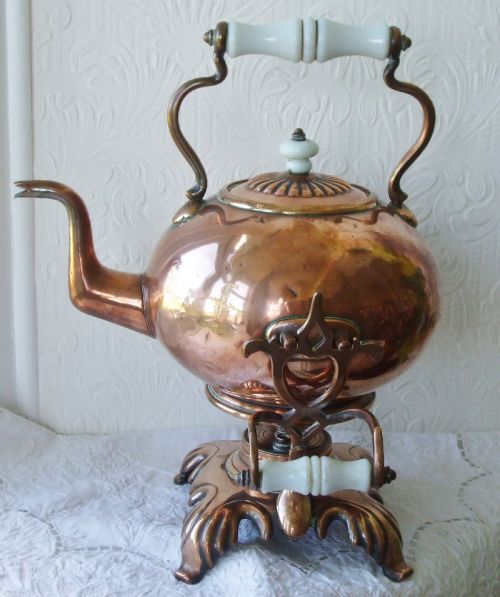
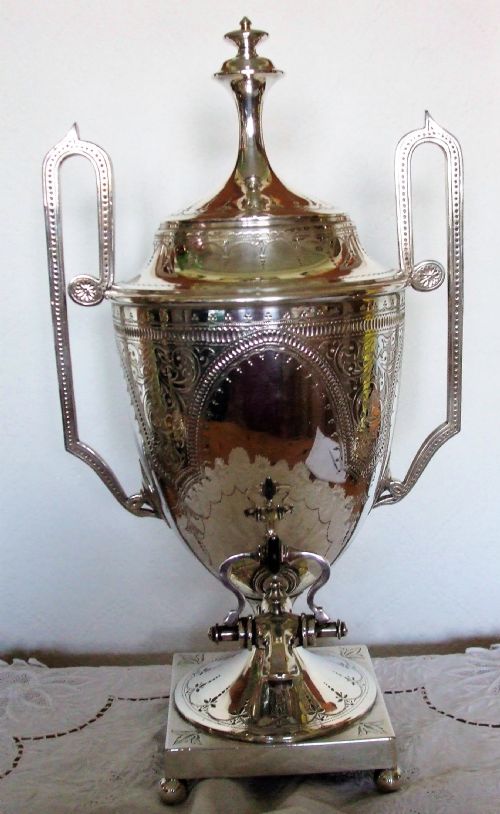
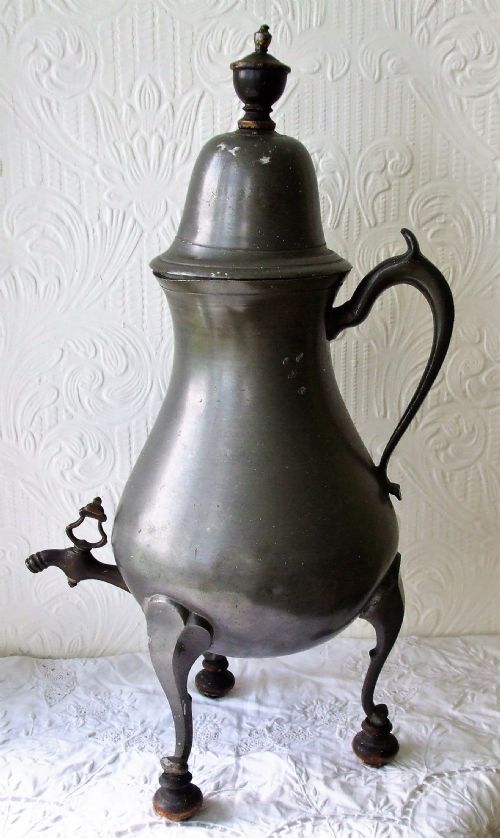
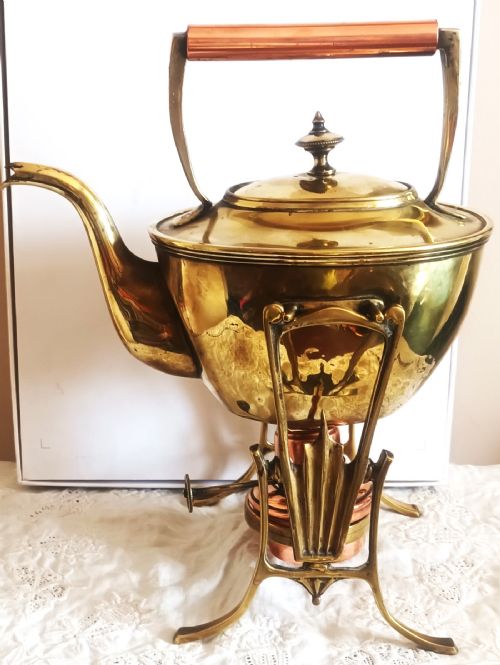
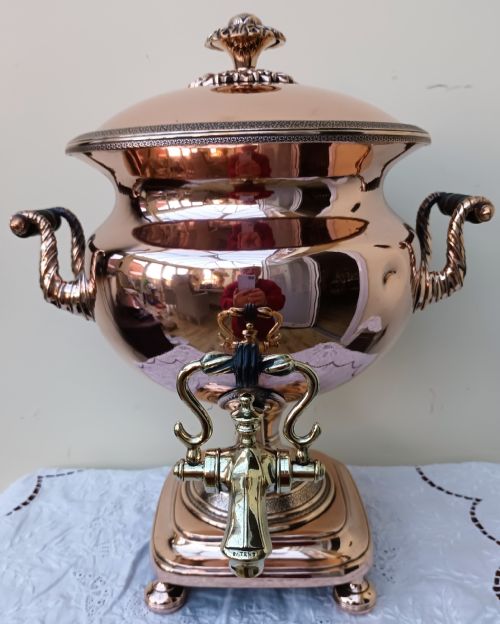
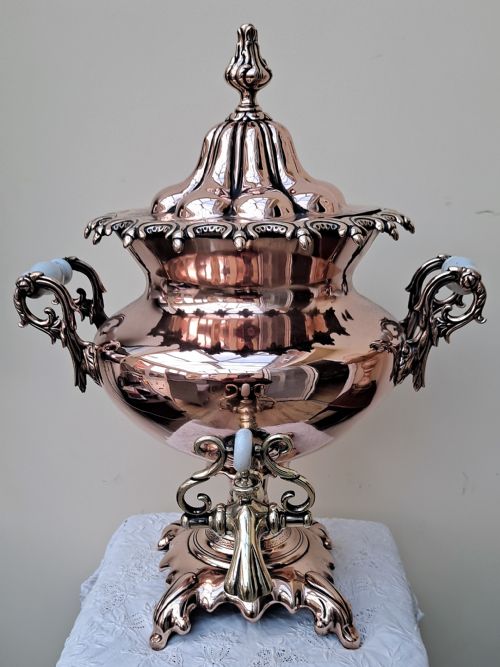
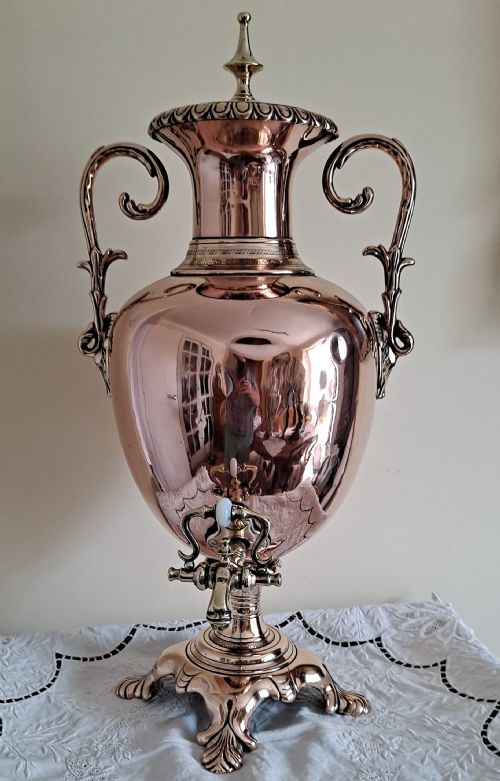
An english metal tea urn is a substantial vessel designed for heating and dispensing water, appearing mostly in copper, brass, and pewter forms across this selection. These pieces date from the 18th century through to the Edwardian period, encompassing Georgian, Regency, and Victorian styles.
The inventory on this page centres on samovars, spirit kettles, and coffee urns rather than domestic kettles alone. Buyers will frequently encounter copper samovars bearing period spigots and original fittings alongside spirit kettles from makers like William Soutter & Sons.
How they were made
Makers shaped these vessels primarily from heavy sheet copper and brass, often combining metals to create contrast between the body and fittings. Bell metal and pewter also appear, utilised for specific components like taps and internal chambers.
English Metal Tea Urn Retail Price Guide 2026
Typical asking prices for english metal tea urn among the pieces listed under this phrase on Sellingantiques today, from the lower quarter to the upper quarter. They describe what is for sale here now, not the wider market.
Some copper tea urns weigh enough to double as small fitness weights when full.
What varies in quality
The presence of original fittings dictates much of the standing of an english metal tea urn, separating altered examples from untouched pieces. Spigots, handles, and internal heating elements must correspond to the period of the body to hold true merit.
Surface patina and metal thickness set the baseline for visual appeal. Heavy copper and rich bell metal maintain integrity better than thin sheets, showing the hand of skilled workshops through balanced proportions and clean joinery.
William Soutter & Sons·Walker & Hall
The English Metal Tea Urn Glossary
- Samovar
- A heated metal container traditionally used to boil and heat water for tea. These large vessels often feature an internal central tube for charcoal or a heating block.
- Spirit Kettle
- A kettle mounted on a metal stand with an integrated spirit burner underneath to keep water hot. These portable units were popular for tea service.
- Bell Metal
- An alloy of copper and tin traditionally used for bells, known for its resonant quality and durability. Makers utilised this dense material for hard-wearing urn components.
- Ebonised Wood
- Timber treated to resemble ebony, providing a dark, contrasting finish for handles and knobs. This technique creates a striking visual against bright copper and brass.
English Metal Tea Urn: Frequently Asked Questions
How do you use a tea urn?
These vessels were traditionally filled with water and heated via internal elements or hot metal inserts to serve tea in a parlour setting.
Water is dispensed through a small tap or spigot near the base into waiting cups.
What is the difference between an urn and a kettle?
An urn is typically a larger, stationary vessel equipped with a spigot designed for continuous water service during large gatherings.
Kettles are smaller and often paired with stands and burners for direct table service.
How do I clean antique copper?
Gentle dusting and minimal intervention preserve the historic surface and natural oxidisation gathered over centuries.
Aggressive polishing strips away the character and patina that collectors look for on older metal.
Are these urns still water tight?
Many older vessels retain their original soldered joints and can hold water, though internal seals dry out over time.
Buyers intending to use them functionally should check for leaks before filling.