
Georgian Hanging Glass
Georgian hanging glass brings together polished mirrors and hanging lanterns, catching light to brighten rooms with historic charm.
Georgian Hanging Glass
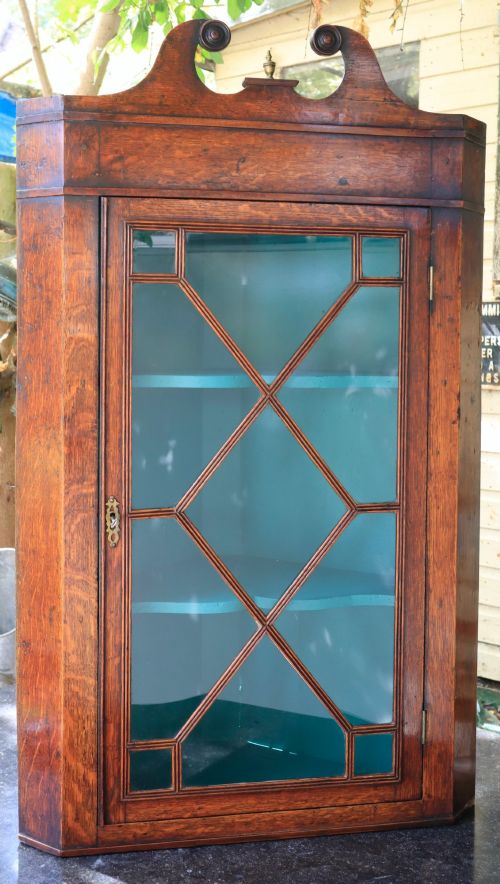
When you search for georgian hanging glass, you encounter wall mirrors, hall lanterns, and corner cabinets that reflect light and space. These pieces capture the domestic aesthetic of the eighteenth century and subsequent revival periods.
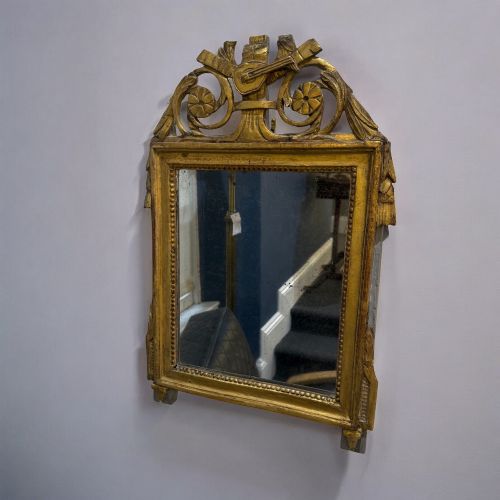
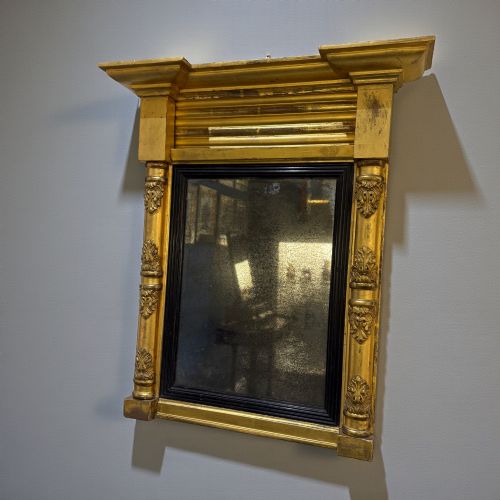
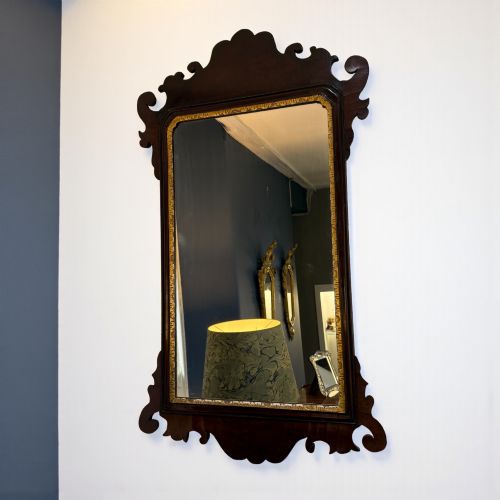
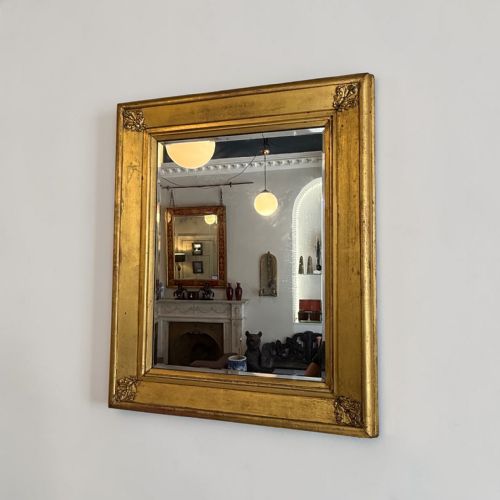
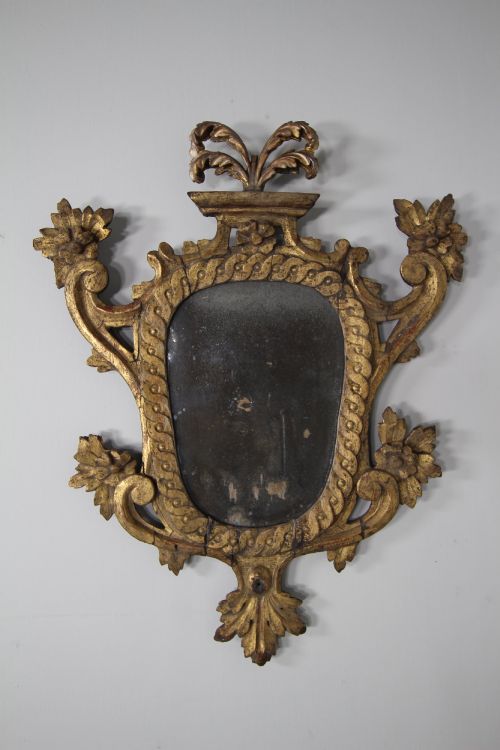
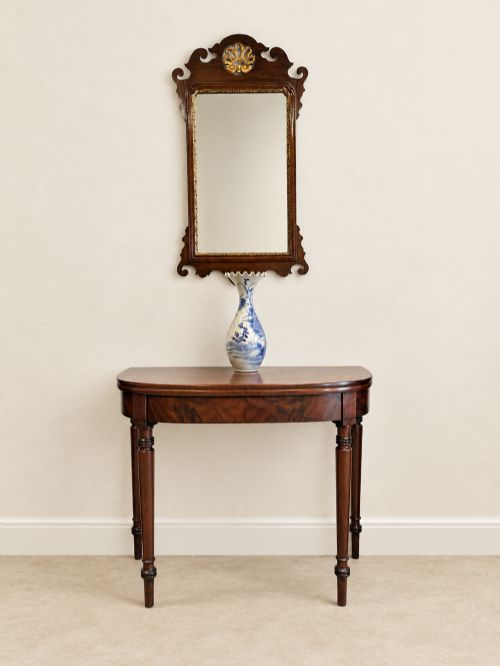
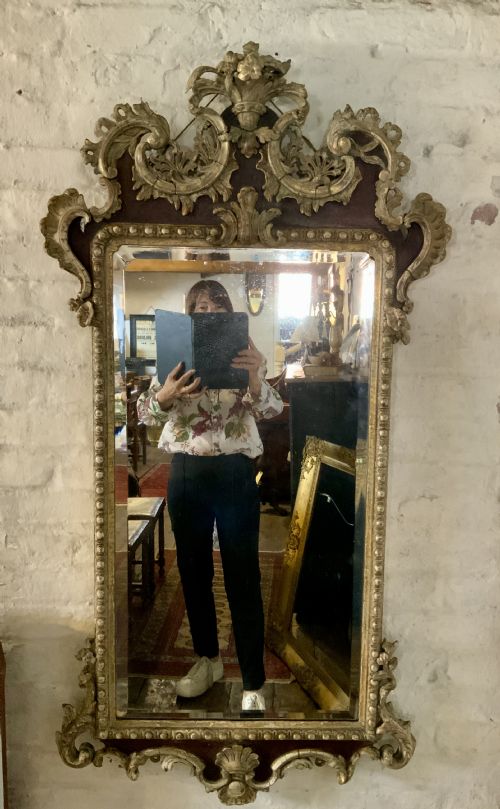
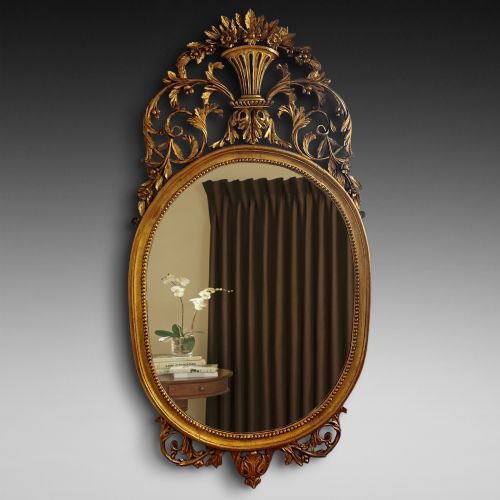
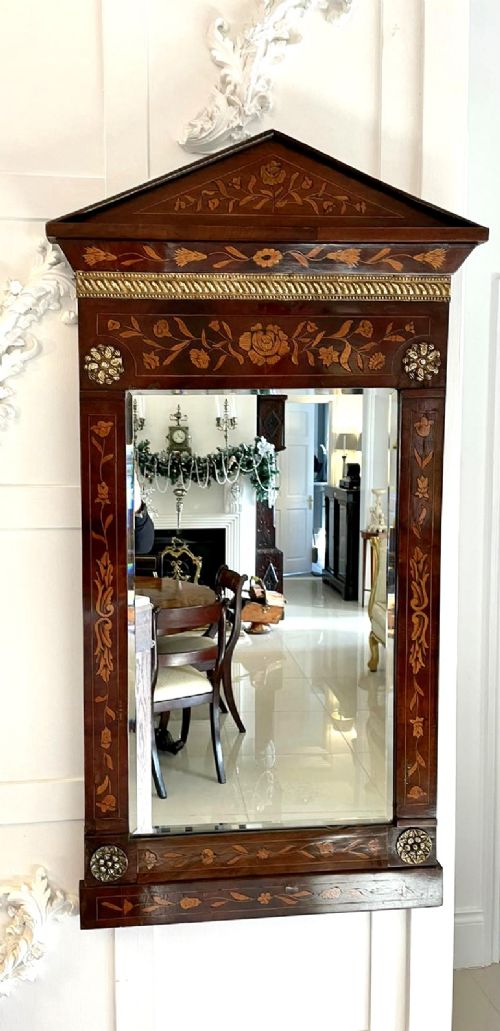
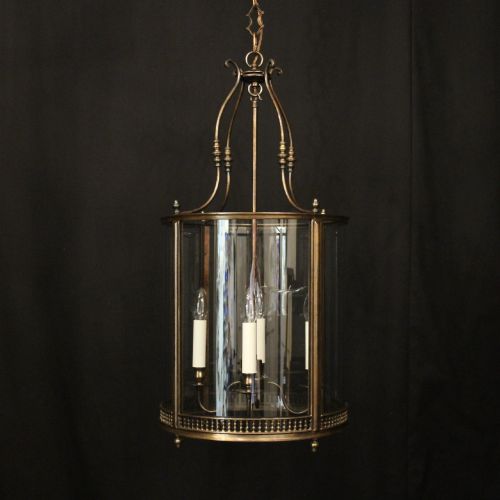
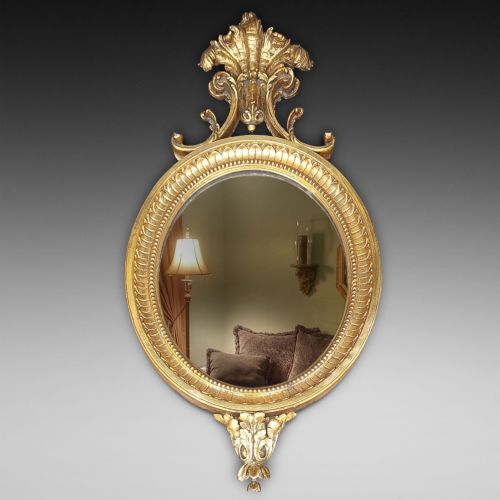
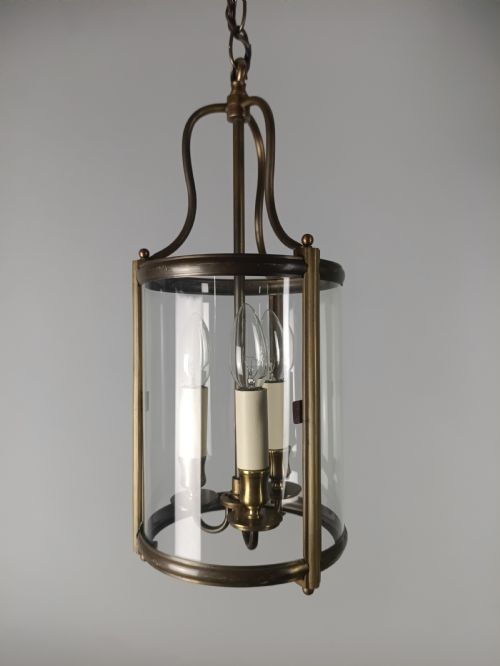
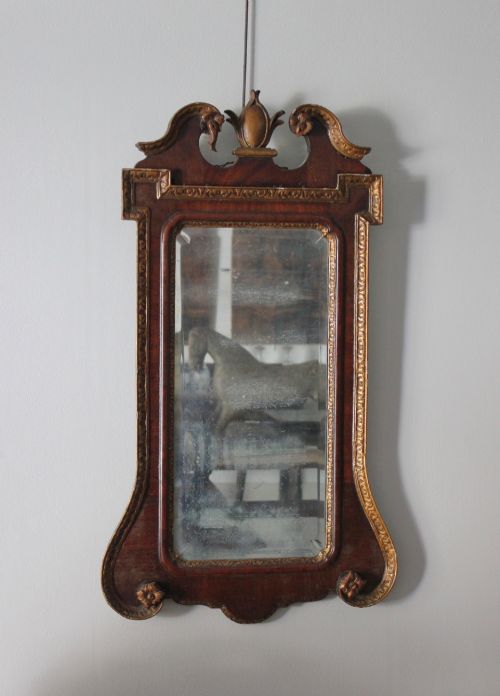
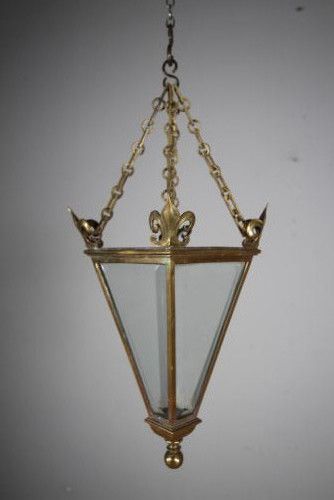
The version you are most likely to meet on this page is the carved giltwood or walnut wall mirror, alongside brass hall lanterns designed for entryways. They range from compact domestic items to large overmantel mirrors.
Originating primarily from English workshops, these items utilise period timbers and traditional mounting methods to remain secure on walls. Their forms serve both functional illumination and decorative depth in domestic settings.
Materials and construction methods
Makers utilised primary hardwoods such as mahogany and walnut, often enhanced with parcel gilt or gesso details. Frames were constructed using traditional joinery to support the weight of heavy glass plates.
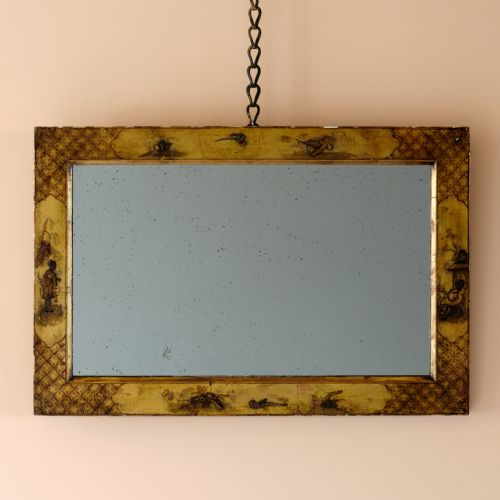
Glass plates in early examples frequently feature original mercury backing, imparting a characteristic mottled reflection. Brass and gilded wood formed the primary structures for hanging lanterns and decorative sconces.
Listings include items spanning the Georgian period, the 19th century, and Edwardian revivals, utilising walnut, mahogany, brass, and giltwood.
Distinctions in quality and execution
The refinement of hand-carved gesso and giltwood ornamentation dictates the upper tier of mirror production. Crisp detailing on wooden freework and untouched original mirror plates distinguish superior examples from later reproductions.
Metalwork quality in hall lanterns appears in the weight of the brass framing and the clarity of the glass panels. Integration of original mounting hardware and intact timber veneers further elevates a piece's standing.
The Georgian Hanging Glass Glossary
- Giltwood
- Timber carved and coated with gold leaf or a gold-coloured finish. This technique created opulent reflective frames popular in Georgian drawing rooms.
- Mercury plate
- An early type of mirror glass backed with a tin and mercury amalgam. It produces a soft, uneven reflection distinct from modern silvered glass.
- Gesso
- A plaster-like mixture applied to wood frames and carved before gilding. It allowed makers to create intricate relief decorations.
- Parcel gilt
- Woodwork partially decorated with gold leaf while other areas reveal the natural grain. Walnut and mahogany mirrors frequently employed this contrasting finish.
- Pier glass
- A tall mirror designed to hang on the wall between windows. These pieces maximised natural light in period interiors.
Georgian Hanging Glass: Frequently Asked Questions
How do I clean antique mirror glass?
Use a soft, dry cloth to gently remove dust from the glass surface. Avoid harsh chemical cleaners that can damage aged mercury plates or historic frames.
Take care near the edges where the backing may be fragile or lifting. Preserving the original plate requires minimal moisture and gentle handling.
Can these lanterns be wired for electricity?
Many hall lanterns are adapted for modern electrical wiring while retaining their historic metal frames. Consult a professional electrician to ensure safe installation.
Original ventilation holes and mounting points should be respected during any conversion process. This maintains the physical integrity of the brass or glass structure.
How do I hang a heavy wall mirror safely?
Assess the weight of the timber frame and glass plate before selecting wall fixings. Use robust brackets or battens secured directly into wall studs.
Avoid relying solely on plaster walls for heavy giltwood or walnut mirrors. Professional installation ensures the piece remains secure.
What indicates an original mercury plate?
Original mercury plates show characteristic foxing, appearing as small dark spots and a slightly cloudy reflection. The glass often has subtle waviness and uneven thickness.
Modern replacement glass lacks these aged optical imperfections. Examining the edges behind the frame reveals the thickness of the historic plate.