
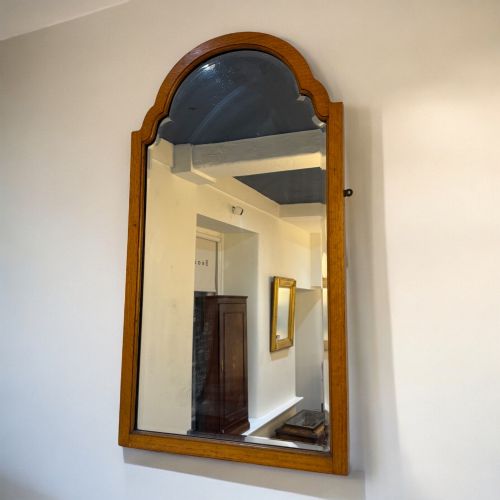
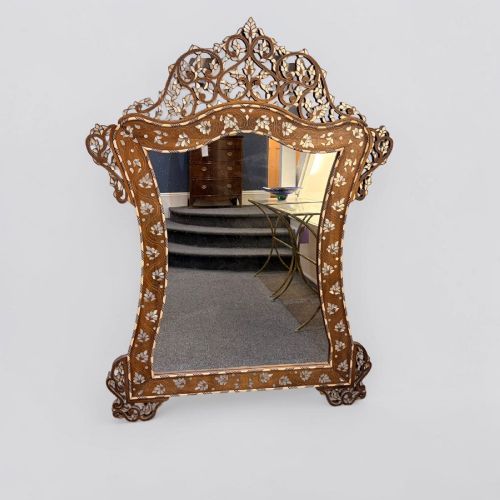
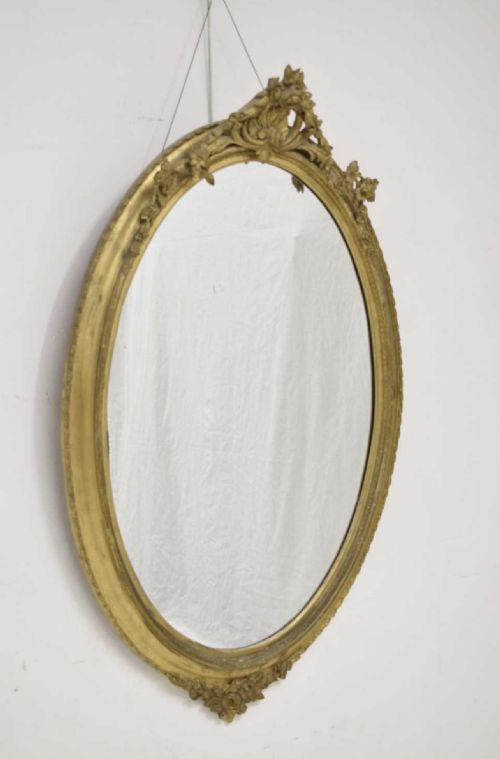
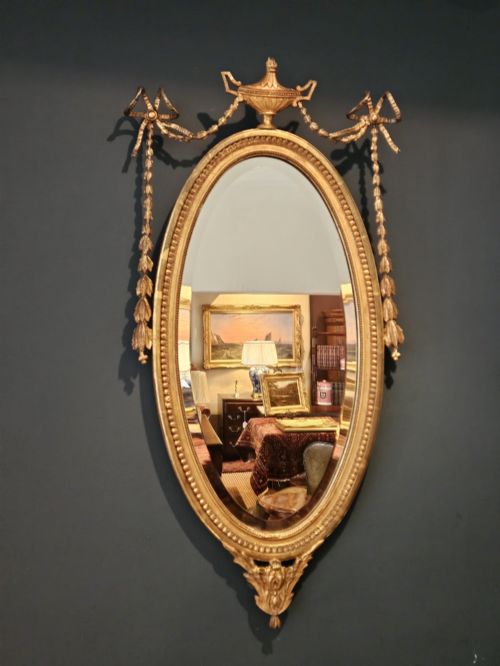
Cresting Wall Mirror
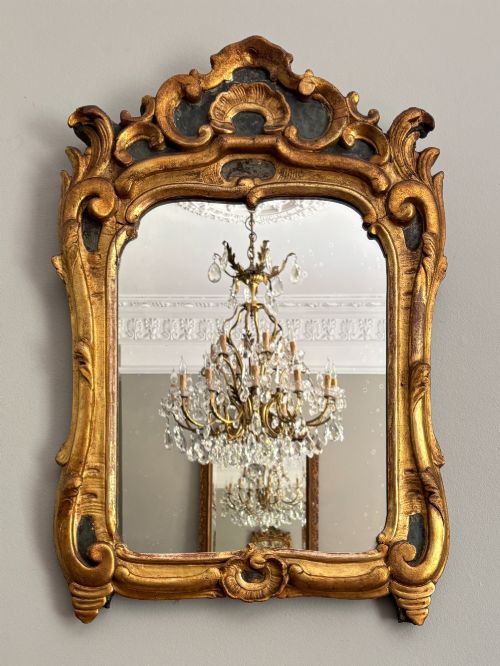
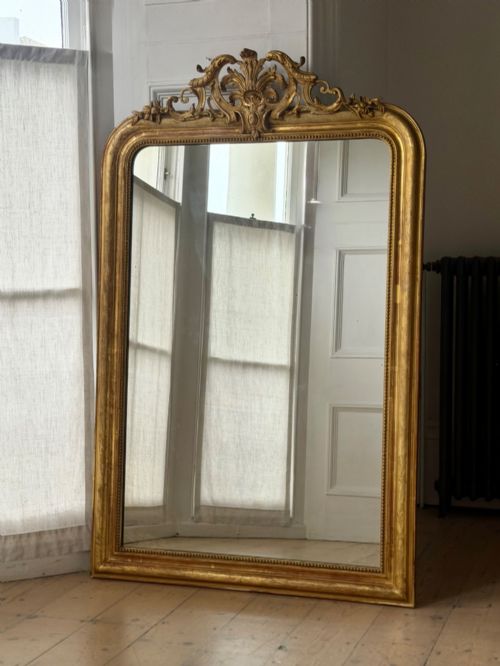
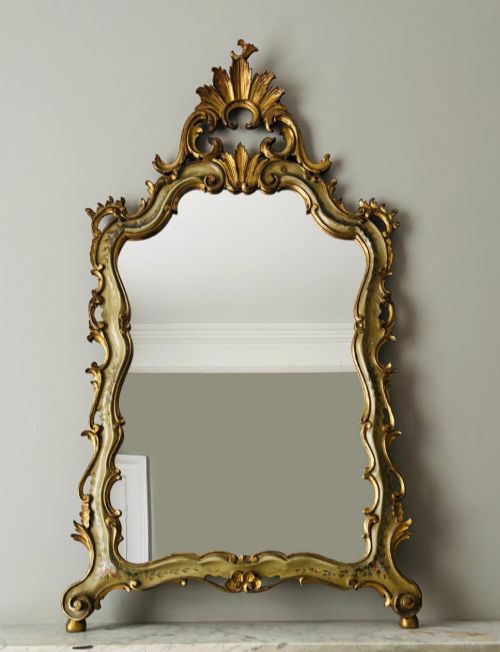
A cresting wall mirror brings vertical presence and architectural detail to a room, drawing the eye upwards through carved crests and decorative surmounts.
Cresting Wall Mirror
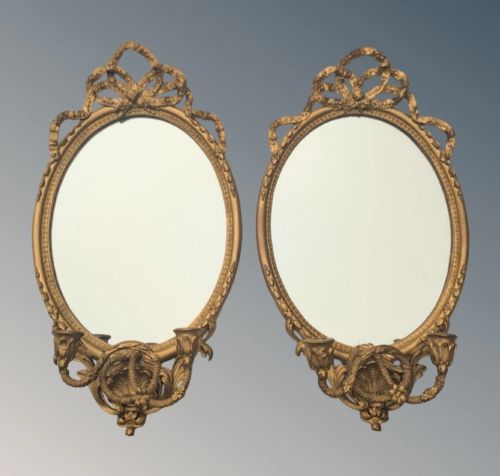
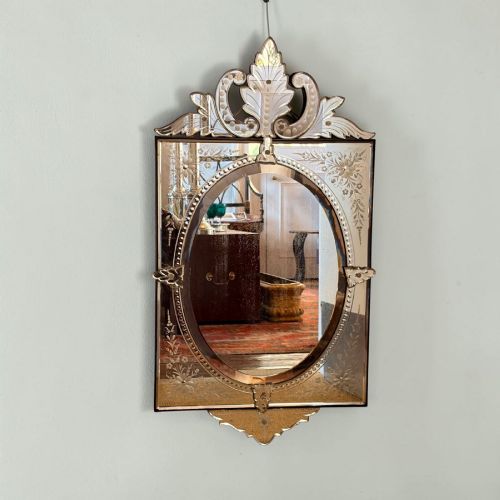
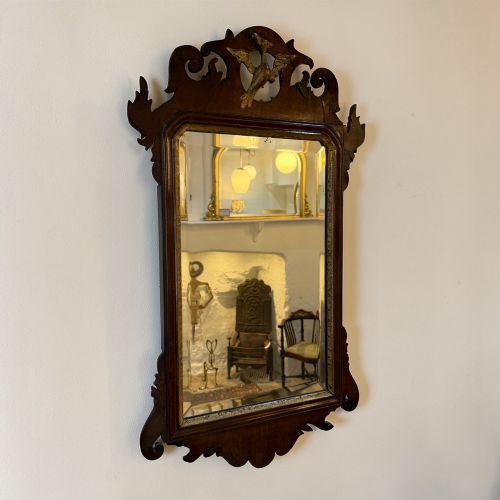
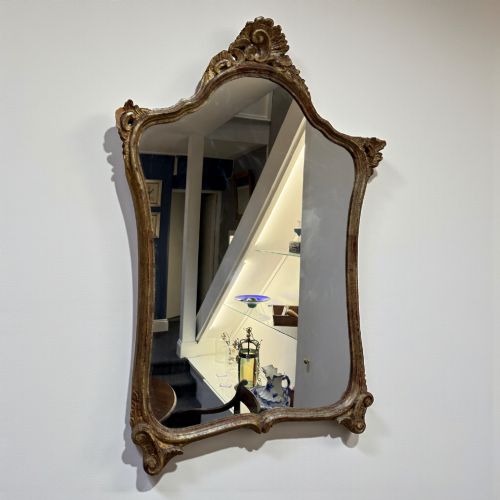
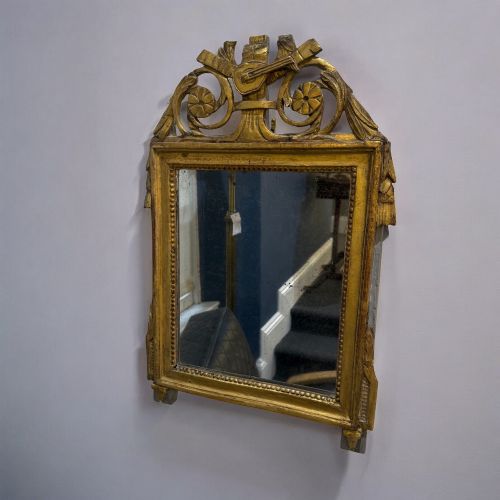
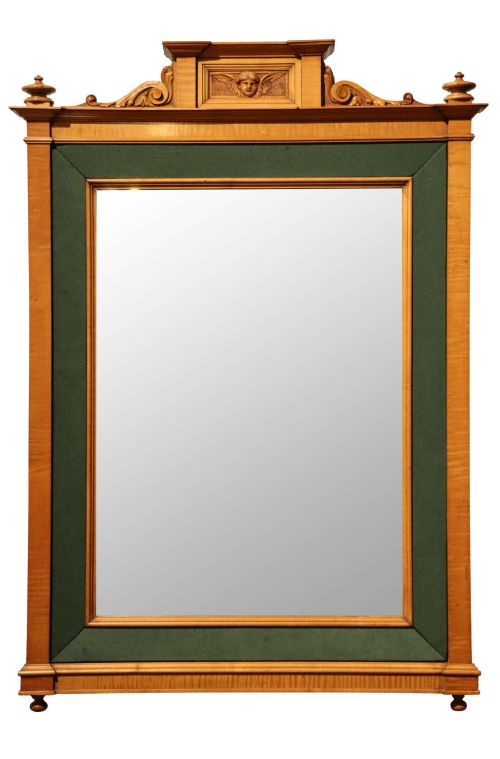
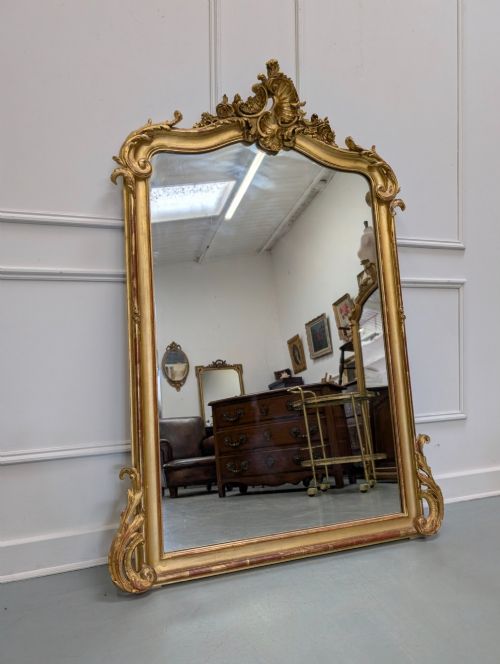
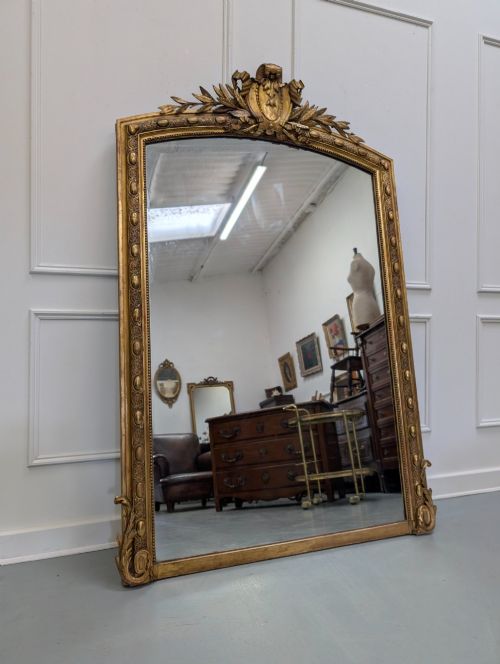
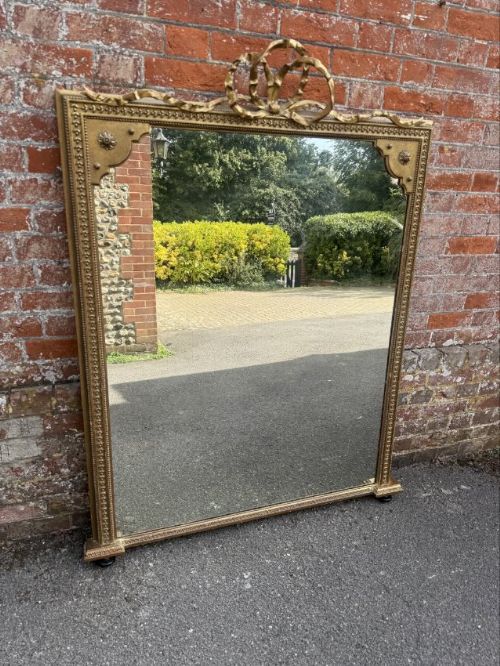
A cresting wall mirror is defined by its decorative upper frame, often featuring carved wooden ornamentation, giltwood flourishes, or sculptural surmounts like spread eagles and ribbon knots. You will encounter various forms on this page, ranging from grand French overmantels to smaller Georgian mahogany fret mirrors and circular convex glasses.
The materials and periods span the eighteenth, nineteenth, and early twentieth centuries, with heavy representation from Victorian and French output. These pieces function historically as functional wall hangings, expansive overmantels positioned above fireplaces, and tall pier mirrors designed to sit between windows.
Materials and construction
Makers shaped these frames from solid woods including mahogany, oak, and yew, frequently applying layers of gesso to build up intricate low-relief ornamentation. This gesso foundation accepted gilding in gold leaf or silver-gilt, creating reflective surfaces that caught candlelight and daylight alike.
Mirrored glass plates varied by period, encompassing early mercury glass with foxing alongside later silvered plates and reverse-cut examples. Frames relied on traditional joinery, with carved wood and applied mouldings secured to robust backing structures.
Listings feature periods spanning from the eighteenth century through the art deco era, utilising materials such as giltwood, gesso, mahogany, and foxed mirror glass.
Judging quality and craftsmanship
Quality rests primarily in the crispness and depth of the carving on the crest, where hand-chiseled wooden details or modelled gesso demonstrate the hand of a skilled artisan. Inferior pieces rely on flat, moulded composition ornament that lacks the sharp definition seen in high-grade nineteenth-century French or Georgian examples.
The integrity of the original plate and the application of gold leaf further separate standard production from exceptional pieces. Original mercury glass with natural foxing adds historical value, while secondary surfaces that retain their initial gilding without excessive over-painting preserve the intended aesthetic.
The Cresting Wall Mirror Glossary
- Cresting
- The decorative upper frame or carved surmount crowning the top of a mirror. It draws the eye upward and often defines the regional style.
- Gesso
- A plaster-like mixture applied to wood frames to create a smooth surface for gilding or deep relief carving. It allows for intricate moulded details.
- Overmantel mirror
- A large horizontal mirror designed specifically to hang above a fireplace mantelpiece. These pieces often feature grand proportions to fill wall space.
- Pier mirror
- A tall, narrow mirror historically hung on the wall space between two windows. They reflect natural light back into the centre of a room.
- Foxing
- Age-related spots and discoloration within the silver backing of antique mirror glass. This natural degradation appears as dark speckles across the reflection.
Cresting Wall Mirror: Frequently Asked Questions
Where should I hang a cresting wall mirror?
These mirrors suit placement above a fireplace mantel, along a principal hallway, or above a low sideboard where the upper crest can display freely against plain wall space.
Ensure the wall anchors support the substantial weight of carved wood and glass frames, particularly for large nineteenth-century overmantel versions.
What is the difference between a pier mirror and an overmantel mirror?
Pier mirrors are built tall and narrow to occupy the wall space between windows, whereas overmantel mirrors are wide and rectangular to sit above fireplace openings.
Both styles utilise elaborate crests, but their proportions dictate where they function best within an interior layout.
How do I care for antique mirror glass and gilt frames?
Dust giltwood and gesso frames gently with a dry, soft brush to avoid disturbing fragile surface finishes or flake-prone gold leaf.
Clean the glass plate sparingly using a cloth slightly dampened with water or mild glass cleaner, ensuring liquid does not seep behind the frame edges.
How can I tell if a mirror is from the Georgian or Victorian period?
Georgian examples often utilise mahogany fretwork, parcel-gilt accents, and restrained architectural lines, whereas Victorian pieces frequently display heavier gesso ornamentation, arched tops, and ornate French revival styling.
Examining the construction methods, backing boards, and the characteristics of the glass plate helps confirm the era of manufacture.