

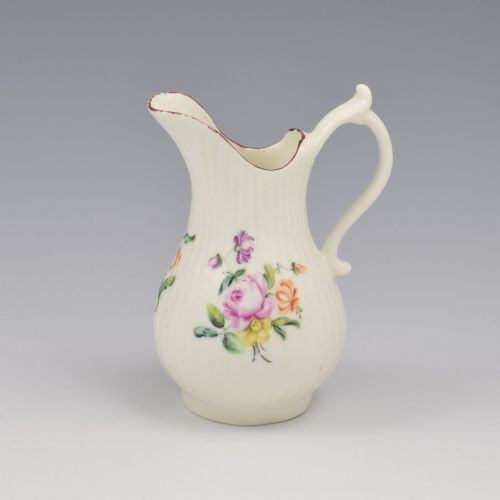
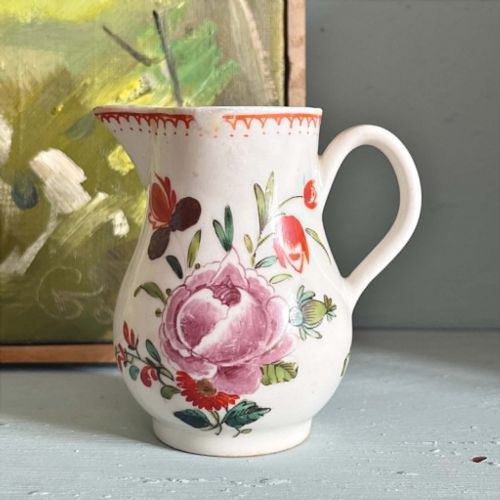

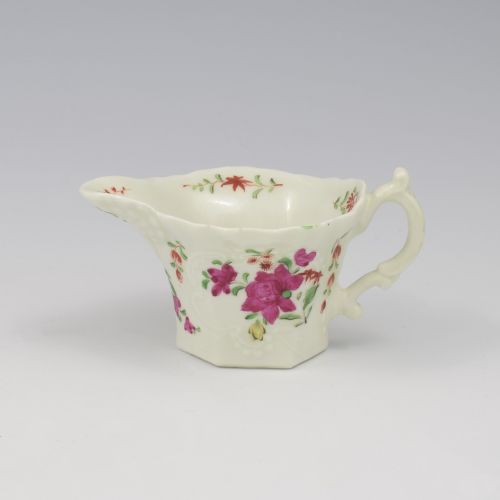
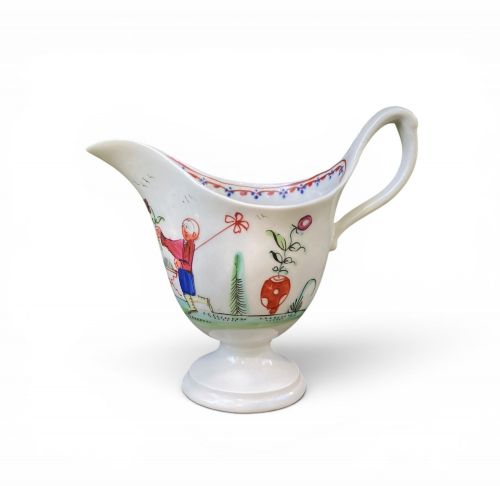


Georgian Hand Painted Jug
These georgian hand painted jug examples bring domestic utility and brilliant ceramic artistry straight to your table from the eighteenth and nineteenth centuries.
Georgian Hand Painted Jug
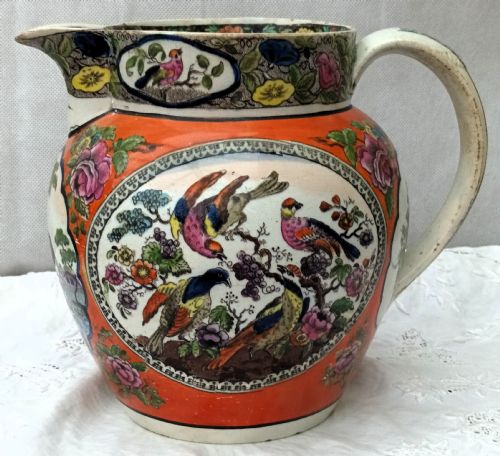
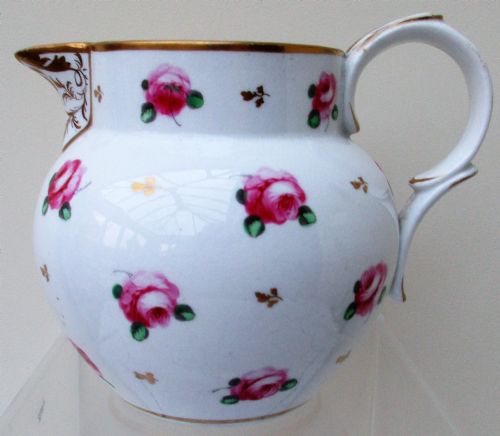
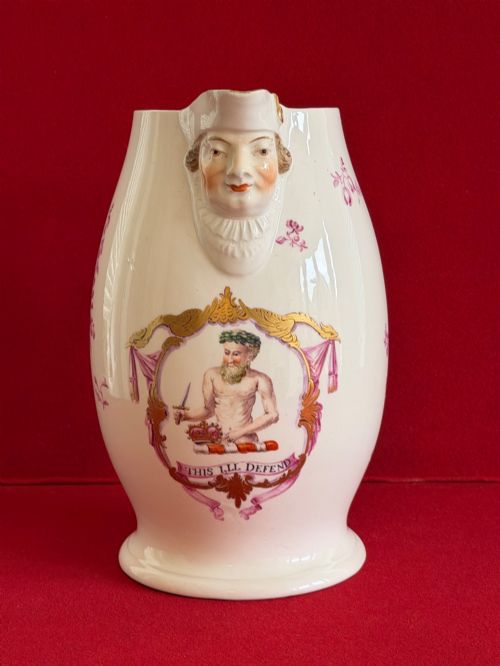
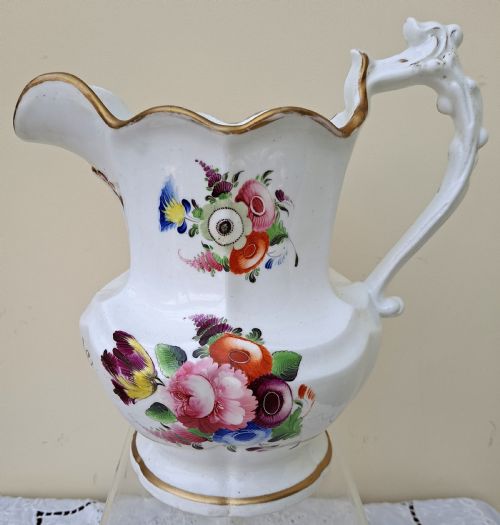
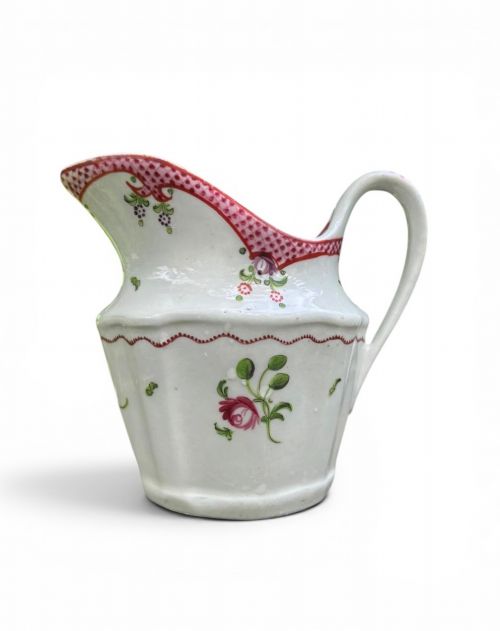
A georgian hand painted jug serves as both a functional vessel and a decorative canvas, emerging from periods spanning the eighteenth century, the Regency era, and into Victorian times. You will most frequently encounter charming cream jugs, sparrow beak creamers, and larger pitchers shaped from earthenware, pearlware, and porcelain.
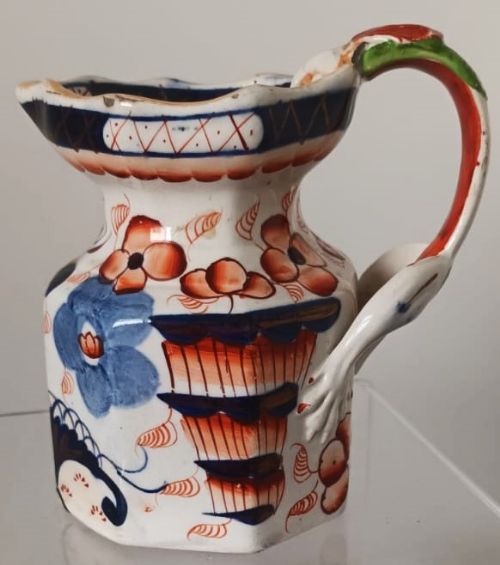
Makers across England produced these pieces for daily service or commemorative display, utilising forms like the fluted baluster, hexagonal sauce boat, and Dutch jug. The hand-painted decoration ranges from delicate polychrome florals and Oriental scenes to detailed armorial crests and landscape views.
The survival of these ceramics grants a direct connection to Georgian domestic life, showing the evolution of tablewares from early soft-paste bodies to durable ironstone. Each vessel carries the distinct brushwork of its period, marking them out from mass-produced wares of later centuries.
Materials and Manufacture
Potters built these vessels using soft-paste porcelain, pearlware, earthenware, and English delftware, often applying rich lead glazes to seal the porous bodies. Artisans then painted motifs by hand directly onto the surface using ceramic enamels, occasionally incorporating gold leaf highlights for finer presentation.
Forming techniques varied from wheel-thrown bodies to slip-casting in moulds, particularly for specialised shapes like sparrow beak creamers and faceted jugs. Firing took place in traditional kilns, where varying temperatures produced the distinct surface textures and glaze depths seen across the surviving pieces.
Georgian Hand Painted Jug Retail Price Guide 2026
Typical asking prices for georgian hand painted jug among the pieces listed under this phrase on Sellingantiques today, from the lower quarter to the upper quarter. They describe what is for sale here now, not the wider market.
Periods represented span the eighteenth century, the Georgian era, the Regency period, and the Victorian age.
Distinctions in Quality
Quality rests heavily on the crispness of the moulded form and the confidence of the hand-painted brushwork applied by the decorator. Superior examples display finely controlled enamel colours, well-defined facial or botanical details, and balanced proportions without excessive warping from the kiln.
The prestige of the producing factory also shapes the standing of a piece, with works from established English porcelain houses exhibiting finer paste preparation and more refined glazing. Secondary details, such as delicate handle attachments and clean foot rims, separate standard utility vessels from high-status display pieces.
Duesbury Derby Porcelain·Dr Wall Worcester·New Hall·H & R Daniel·Chamberlain Worcester·Mason·Herculaneum·Crown Derby
The Georgian Hand Painted Jug Glossary
- Pearlware
- A fine-grained earthenware developed in the late eighteenth century with a bluish glaze that pooled slightly in crevices to mimic Chinese porcelain.
- Sparrow beak
- A small eighteenth-century cream jug featuring a distinctive pinched spout resembling a bird's beak.
- Soft-paste porcelain
- A glassy ceramic composition fired at lower temperatures than true hard-paste porcelain, common in early English factory production.
- Gaudy Welsh
- A vibrant, brightly coloured style of Staffordshire pottery decorated with Imari-inspired palettes, popular during the nineteenth century.
- Delftware
- Tin-glazed earthenware produced in England during the eighteenth century, known for its opaque white surface and fresh painted colours.
Georgian Hand Painted Jug: Frequently Asked Questions
How do I date a Georgian jug?
Dating relies on identifying the ceramic body, such as early soft-paste porcelain versus later pearlware, alongside stylistic clues in the hand-painted motifs. Factory marks, where present, help narrow the timeframe.
Form also guides the dating, as specific shapes like sparrow beak creamers or faceted baluster bodies belong securely to the eighteenth and early nineteenth centuries.
Were these jugs used daily?
Many examples served practical roles at the tea table or dining board, holding cream, milk, sauces, or water during meals. Their survival suggests they transitioned from utility to display as they aged.
Finer porcelain pieces likely saw lighter use in wealthier households, while sturdier pearlware and ironstone vessels endured heavier domestic service.
How should I display my jug?
Position your vessel in a stable cabinet or on a dedicated shelf away from direct sunlight and heavy foot traffic to protect the hand-painted enamels. Ensure the support is level and secure.
Grouping pieces by form or factory, such as placing cream jugs alongside matching sugar bowls, creates an engaging display that highlights their historical variety.
What does hand painted mean here?
Hand-painted decoration indicates that decorators applied colours, floral sprays, or armorial crests directly onto the glazed or bisque ceramic surface using brushes. This leaves subtle brush strokes and individual variations on every piece.
This method differs entirely from industrial transfer printing, ensuring that no two period jugs share an identical decorative layout.