



Antique Pottery Cider Jug
These heavy-drinking vessels are robust stoneware and earthenware antiques made to hold cider, and you want one for its honest table presence.
Antique Pottery Cider Jug
An antique pottery cider jug is a sturdy utilitarian vessel designed for serving cider in homes and taverns. When you browse this selection, you encounter forms spanning from the seventeenth century through the Victorian era.
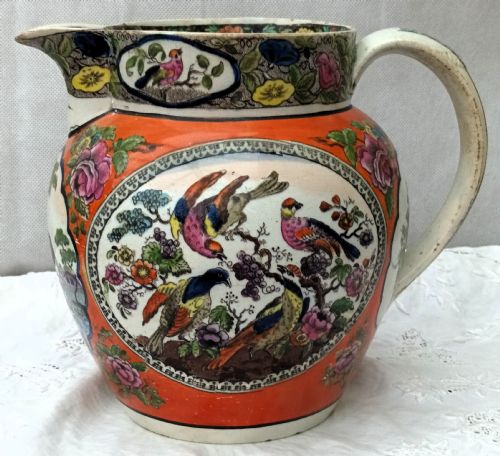
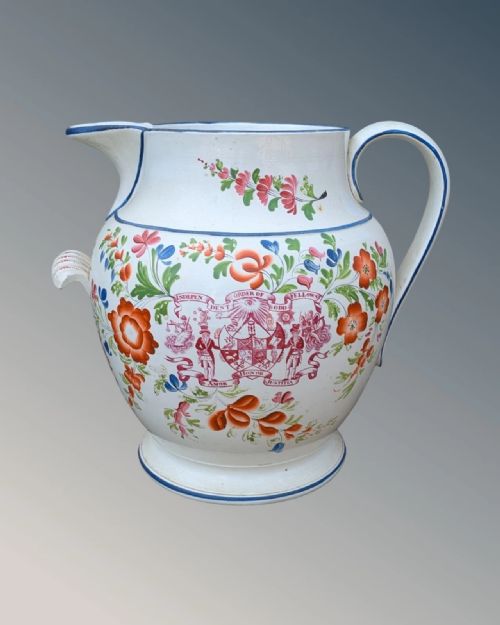
The most common examples you meet on this page date to the nineteenth century, including salt-glazed stoneware flagons and large creamware or pearlware pitchers. These pieces often display generous one-gallon or one-and-a-half-gallon capacities suited for communal drinking.
Makers ranged from large potteries like Doulton Lambeth to regional Staffordshire workshops. You will also find specialised tavern jugs and commemorative marriage pieces bearing dates and names.
Materials and construction
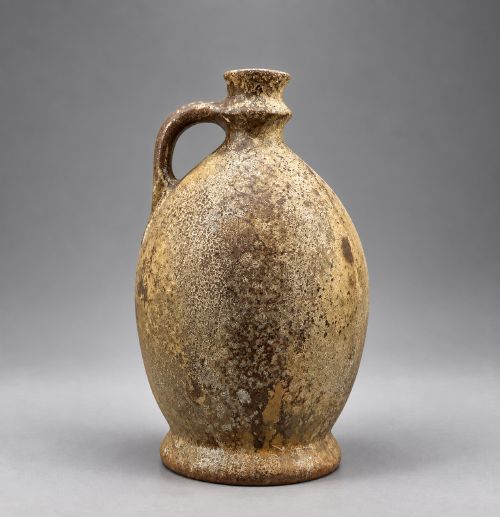
Potters built these vessels using durable earthenware, creamware, pearlware, and heavy stoneware. Stoneware pieces often received a salt glaze applied by throwing salt into the kiln during firing, creating a distinctive orange-peel texture.
Earthenware versions frequently featured slip decoration, where liquid clay was trailed over the body before firing. Many jugs also incorporated applied relief motifs, particularly the hunting scenes seen on harvest jugs.
Antique Pottery Cider Jug Retail Price Guide 2026
Typical asking prices for pottery cider jug among the pieces listed under this phrase on Sellingantiques today, from the lower quarter to the upper quarter. They describe what is for sale here now, not the wider market.
Listings span from the 17th century to the Victorian era, utilising earthenware, stoneware, creamware, and pearlware.
Assessing quality and finish
Quality rests upon the crispness of moulded relief work and the evenness of the glaze. Finer pieces show sharp detail in applied motifs and balanced proportions across large volumes.
Mounts and rims also separate standard vessels from finer editions. Some pieces feature hallmarked silver rims or fitted lids that elevate a utilitarian container into a presentation piece.
Doulton Lambeth·Mountford Staffordshire
The Antique Pottery Cider Jug Glossary
- Salt Glaze
- A vitreous coating formed by throwing common salt into the kiln at peak temperature. This creates a pitted surface resembling orange peel.
- Creamware
- A refined earthenware developed in Yorkshire with a pale yellowish-cream body. It superseded heavier slipware on many tables.
- Pearlware
- An improved earthenware with a bluish tinge in the glaze designed to mimic Chinese porcelain. It dominated production during the Georgian period.
- Slipware
- Pottery decorated with liquid clay applied before firing. It represents an older rural tradition seen in seventeenth-century pieces.
Antique Pottery Cider Jug: Frequently Asked Questions
What were antique pottery cider jugs used for?
These vessels served to store, carry, and pour cider at the table or in tavern settings. Their large capacities allowed them to supply multiple drinkers during meals and gatherings.
Over time, many shifted from active service to decorative display, particularly those bearing commemorative inscriptions or silver mounts.
How do I date an antique cider jug?
Dating relies on material changes, decorative styles, and any inscribed dates or makers' marks. Creamware and pearlware point toward the Georgian era, while salt-glazed stoneware often suggests the nineteenth century.
Earlier seventeenth-century examples are distinguished by heavier earthenware bodies and simple slip decoration rather than industrial glazes.
What is the difference between stoneware and earthenware?
Stoneware is fired at a higher temperature until the clay vitrifies, making it completely non-porous and exceptionally durable. Earthenware is fired at lower temperatures and remains slightly porous unless glazed.
Cider jugs made from stoneware handled heavy daily use better, while earthenware pieces often relied on lead or salt glazes for liquid retention.
How do I display a large cider jug?
Because many of these jugs hold up to a gallon or more, they require a stable, low surface that supports their considerable weight. Sideboards, heavy wooden tables, or deep shelf units provide secure placement.
Keep them away from high-traffic edges where a stray elbow might knock against the handle or salt-glazed body.