




Antique Pearlware Pitcher
These antique pearlware pitcher examples are refined earthenware vessels defined by characteristic blue-tinted glazes, offering collectors a tangible piece of Georgian ceramic history.
Antique Pearlware Pitcher
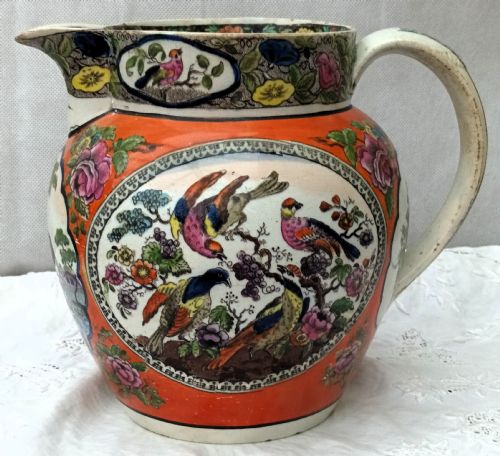
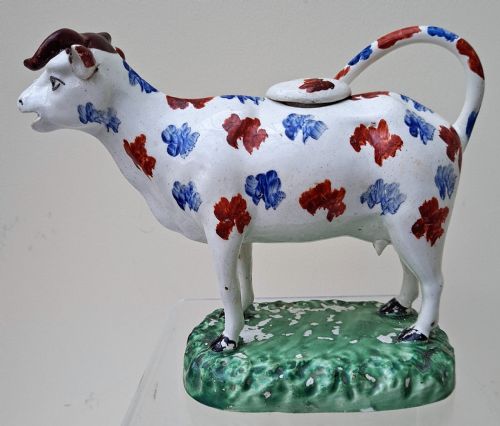
When you search for an antique pearlware pitcher, you are looking at earthenware drinking vessels and creamers produced primarily during the Georgian and Regency periods. The forms range from simple Dutch jugs to characterful toby jugs and figural cow creamers.
You are most likely to meet pieces originating from Staffordshire, Yorkshire, and Wales, often featuring transfer-printed decoration, poetic panels, or metallic lustre glazes. These items bridge the gap between utilitarian kitchenware and expressive folk art.
Materials and construction
Potters constructed these jugs from refined earthenware bodies, applying a signature glaze that pooled slightly blue in crevices to disguise the underlying cream-coloured paste. Makers enhanced the surfaces with cabbage leaf moulding, purple transfer printing, and metallic lustre finishes.
The decorative elements frequently involved hand-painting over transfer outlines, particularly on pieces featuring poetic panels or detailed figural subjects like cow creamers and bull-baiting scenes.
Antique Pearlware Pitcher Retail Price Guide 2026
Typical asking prices for pearlware pitcher among the pieces listed under this phrase on Sellingantiques today, from the lower quarter to the upper quarter. They describe what is for sale here now, not the wider market.
Listings for this phrase encompass Georgian and Regency periods, utilising earthenware, pearlware, and metallic lustre glazes across jugs, creamers, and folk art forms.
Factors of quality
Quality rests upon the crispness of the moulded relief, such as cabbage leaf patterns, and the precision of the transfer printing or hand-painted details. Finer examples display a controlled application of metallic lustre and well-defined figural modelling rather than blurred transfers.
The consistency of the characteristic bluish glaze across the earthenware body also marks the distinction between standard utilitarian production and superior decorative specimens.
The Antique Pearlware Pitcher Glossary
- Pearlware
- A refined earthenware developed in the late eighteenth century featuring a transparent lead glaze containing a small amount of cobalt to create a bluish tint. This innovation allowed potteries to compete visually with Chinese porcelain.
- Lustre glaze
- A metallic film applied to ceramics to produce an iridescent or metallic sheen. Sunderland and Staffordshire potteries utilised this technique extensively for decorative borders and entire jugs.
- Cow creamer
- A hollow ceramic figurine of a cow modelled with an opening on the back for milk and a mouth functioning as a pouring spout. They often include a milkmaid figure seated beside the animal.
- Transfer printing
- A decoration method where an engraved copper plate transfers a design onto paper, which is then stamped onto the ceramic body. This technique enabled the mass production of detailed pictorial scenes.
- Toby jug
- A pottery jug modelled in the form of a stout, seated eighteenth-century personage holding a mug of beer and a pipe. These character jugs frequently feature traditional tricorn hats.
Antique Pearlware Pitcher: Frequently Asked Questions
How do I date an antique pearlware pitcher?
Dating relies primarily on stylistic clues, glaze characteristics, and the colour of the ceramic body. Pieces from the late eighteenth century often show softer pearlware glazes, whilst nineteenth-century examples incorporate brighter transfer printing.
Reference points include the specific moulding styles, such as cabbage leaf patterns, and known production windows for lustre decoration and figural subjects.
What is the difference between pearlware and creamware?
Creamware possesses a warm, buttery-yellow earthenware body and a clear glaze. Pearlware uses a similar white earthenware body with the addition of cobalt in the glaze to impart a bluish tint.
This deliberate bluing effect was designed to mimic the whiteness of porcelain, distinguishing the two ceramic types visually.
Were these pitchers used daily?
Many jugs served practical functions in Georgian households for serving milk, beer, or water at the table. Figural pieces and smaller creamers often sat on tables for dairy service.
Larger lustre jugs with poetic panels also functioned as commemorative items or display pieces rather than hard-working kitchen utensils.
How should I care for my pearlware jug?
Display your ceramics away from direct sunlight and areas subject to sudden temperature fluctuations to protect the historical glaze. Dust them gently with a soft, dry brush.
Avoid washing antique earthenware in dishwashers or submerging them in water, as old glazes can develop crazing over time.