
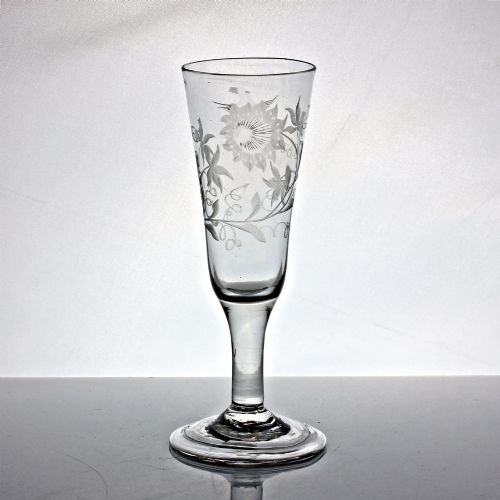
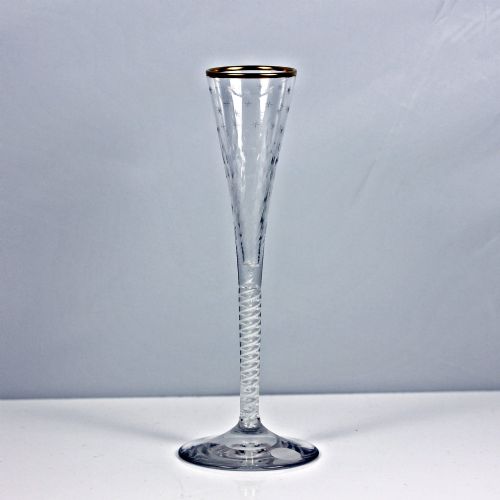
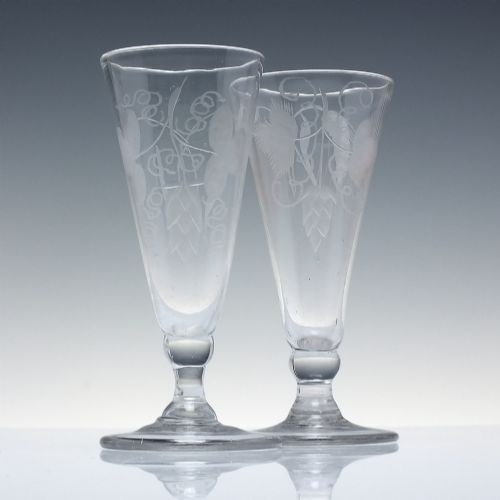
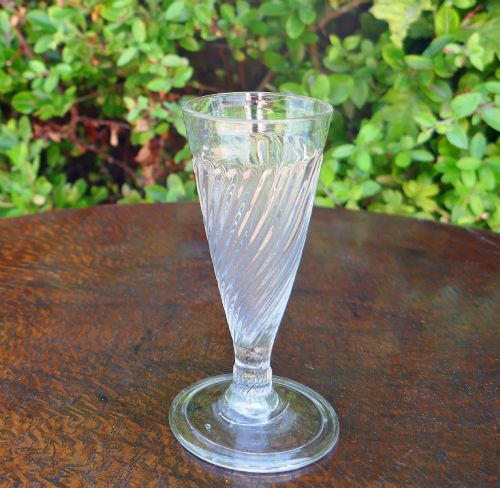


Georgian Glass Flute
These georgian glass flute items bring drinking vessels and tall forms from the eighteenth century into modern rooms.
Georgian Glass Flute
When searching for a georgian glass flute, buyers encounter drinking vessels alongside tall forms such as wall mirrors and pier mirrors recorded across the periods.
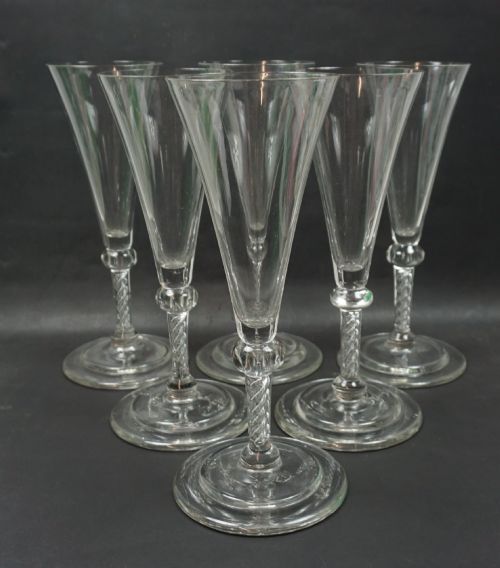
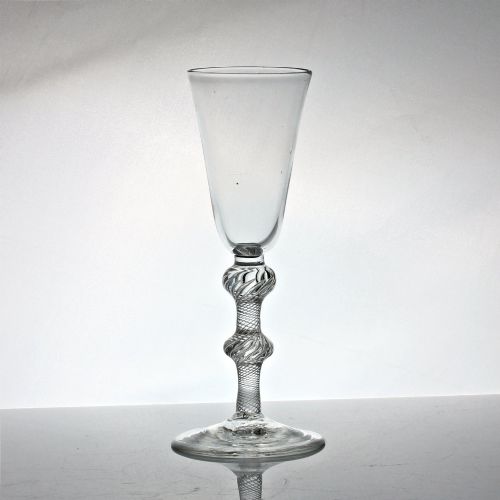
The glassware includes ale glasses, champagne flutes, and wine flutes originating from the eighteenth century and the Regency era.
These items range from clear glass drinking vessels with air twists to large giltwood mirrors and decanters listed across the inventory.
What Varies In Quality
Quality rests in the precision of the glass twists, the clarity of the metal, and the depth of the cutting on bowls and stems.
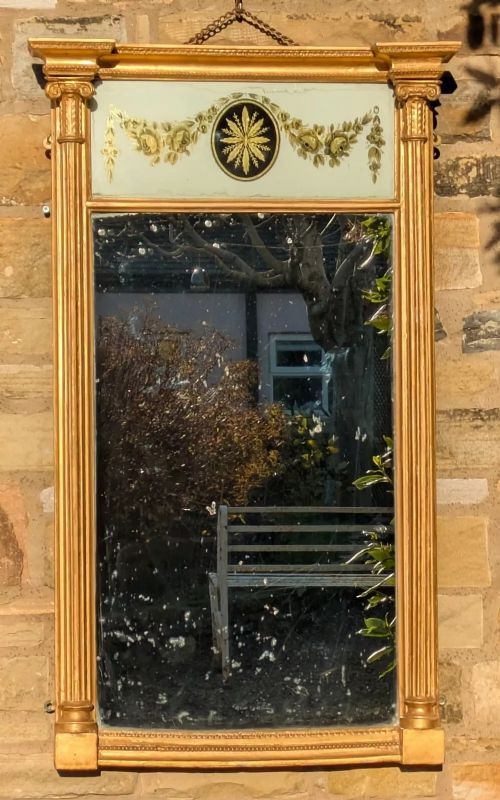
For mirrors and frames, the crispness of the giltwood carving and the preservation of verre eglomise panels determine the standard.
The elegance of proportions, such as very tall stems or tall slender bowls, separates standard examples from finer ones.
Object forms range from ale glasses and wine flutes to pier mirrors, decanters, and jelly glasses.
The Georgian Glass Flute Glossary
- Air twist
- A decorative spiral of elongated air bubbles enclosed within the stem of a glass.
- Opaque twist
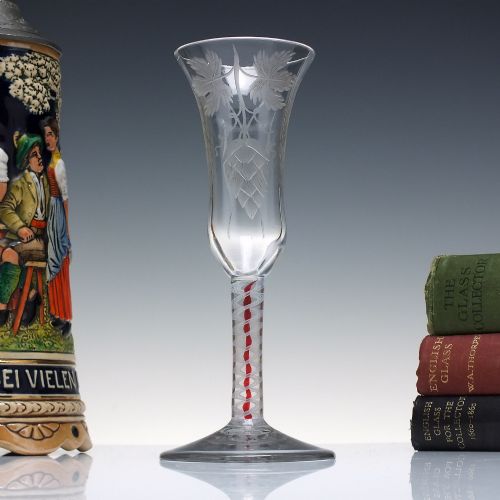
- A stem featuring white or coloured enamel threads twisted through the glass.
- Verre eglomise
- A cold decoration technique involving gilding on glass panels, often seen in mirror frames.
- Pier mirror
- A tall vertical mirror designed to hang on the wall between windows.
- Flint glass
- A heavy, brilliant glass developed in England containing lead oxide.
Georgian Glass Flute: Frequently Asked Questions
What is a georgian glass flute used for?
These tall vessels served for drinking champagne, ale, or wine during eighteenth-century dining and social occasions.
Today, collectors display them on tables or within cabinets to appreciate their delicate stems and bowls.
How do I identify a georgian glass flute?
Examine the stem for air twists, opaque twists, or plain formations typical of eighteenth-century manufacturing.
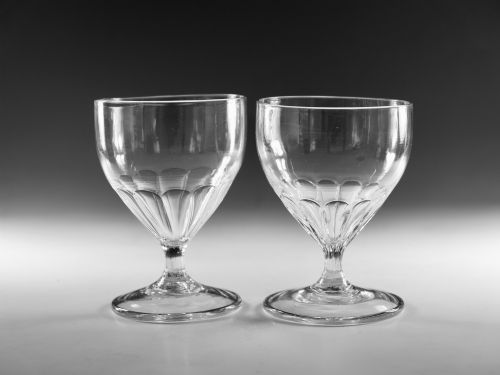
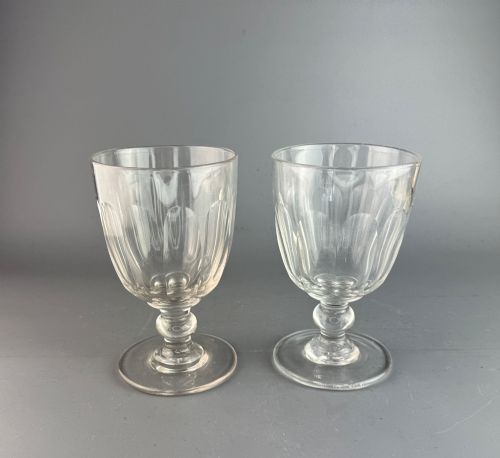
Check for characteristics such as folded feet, facet cutting, and flute-moulded ogee bowls.
Are all these items from the eighteenth century?
While many pieces date from the eighteenth century and the Georgian period, the records also include Regency, Victorian, and later examples.
Items span various dates from the mid-eighteenth century up to nineteen thirty.
What colours do these glass flutes come in?
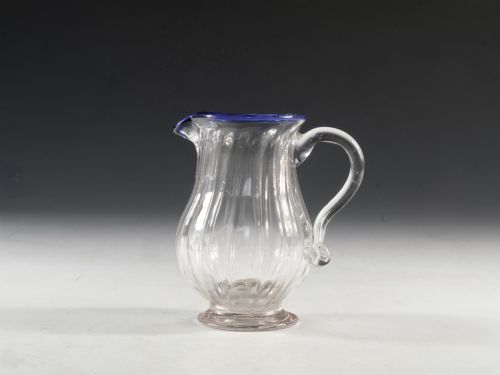
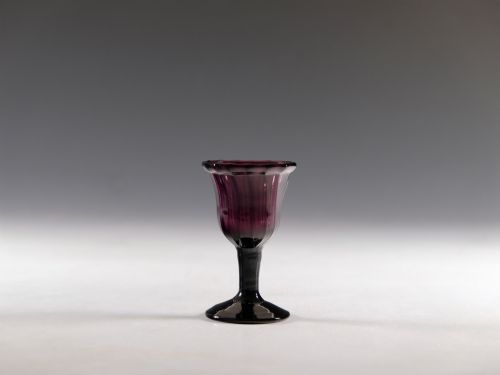
The selection includes clear glass alongside coloured variants in peacock blue, turquoise green, amethyst, and red.
Some pieces feature blue rims or decorated stems that contrast with the main body.