
Georgian Floral Painting
Georgian floral painting captures delicate botanical studies and hand-painted porcelain blossoms from the eighteenth and nineteenth centuries.
Georgian Floral Painting
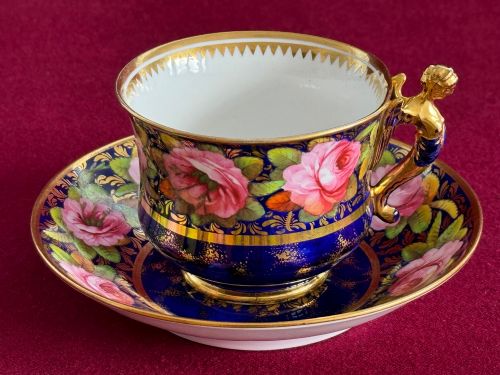
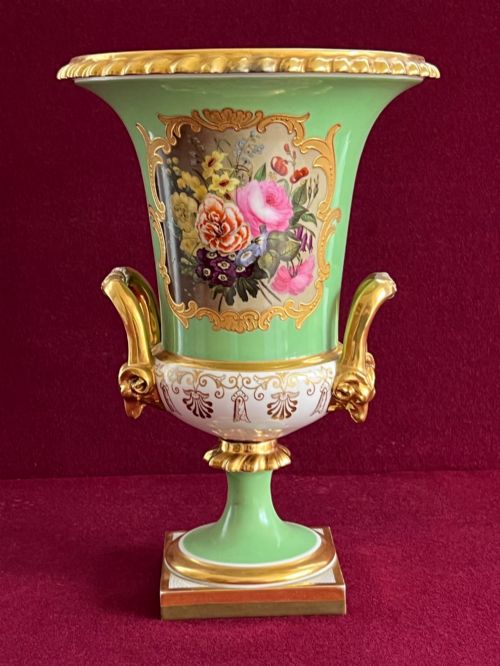
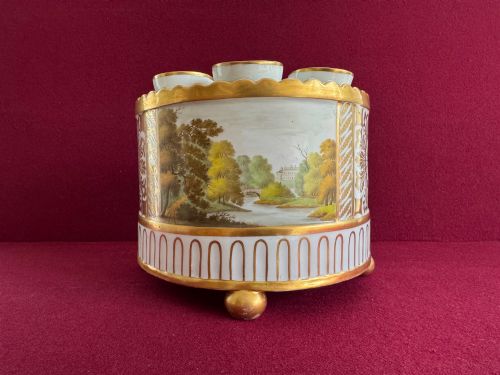
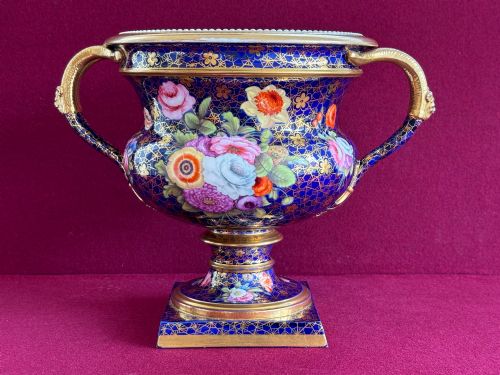
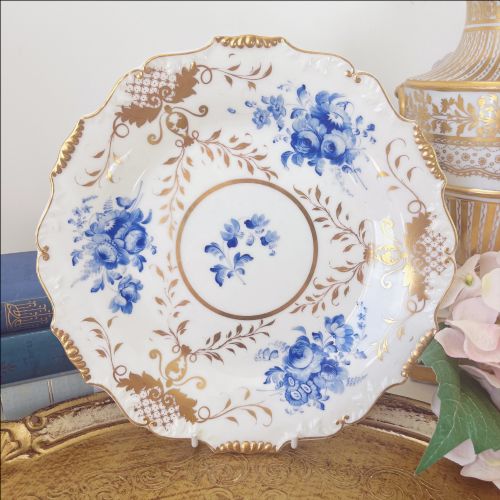
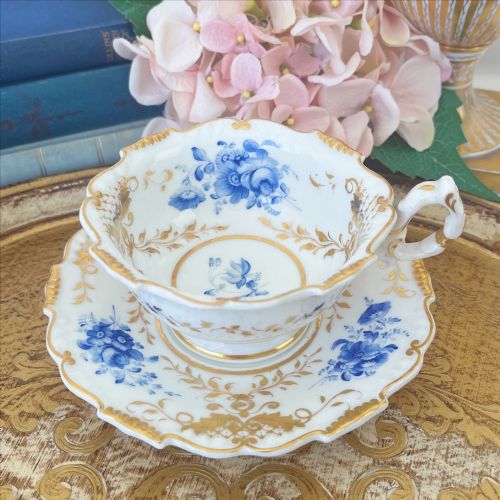
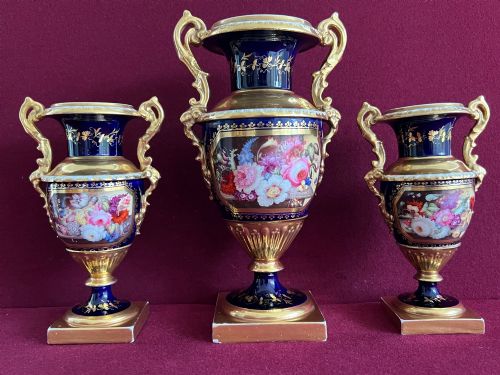
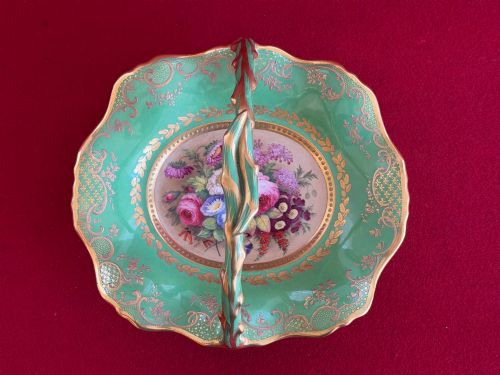
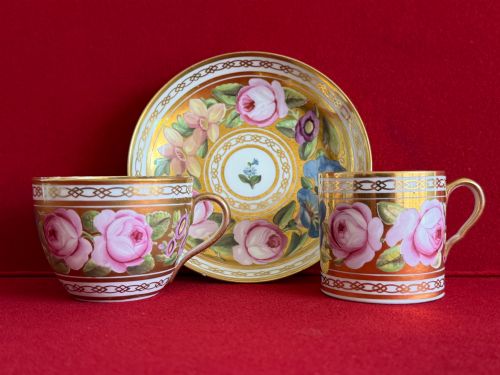
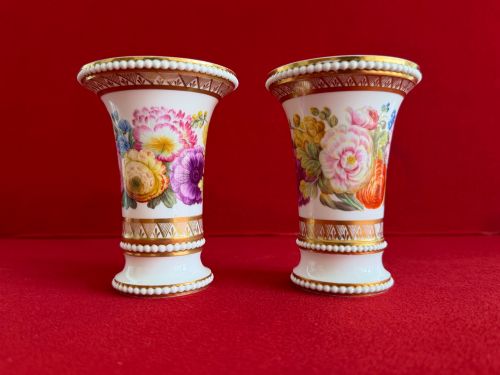
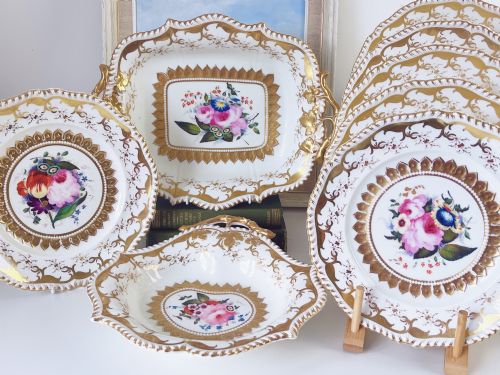
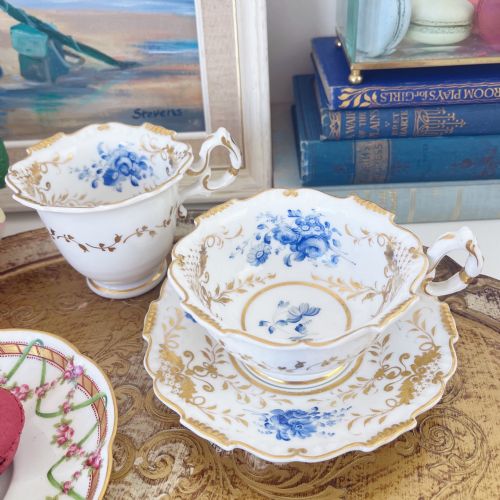
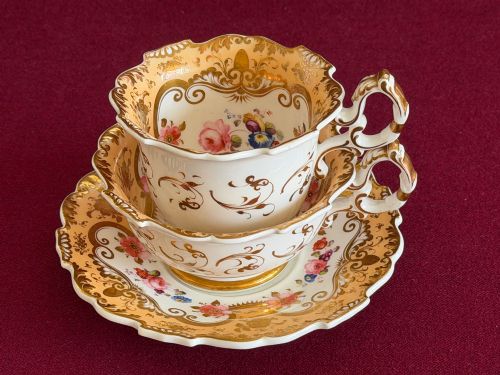
When you search for georgian floral painting, you encounter a diverse range of objects spanning the eighteenth and nineteenth centuries, including porcelain teacups, dessert services, cream jugs, and decorative dishes alongside works on paper and canvas. These items showcase botanical watercolours, gouache flower still lifes, and hand-painted ceramic flora originating from renowned English factories and artists.
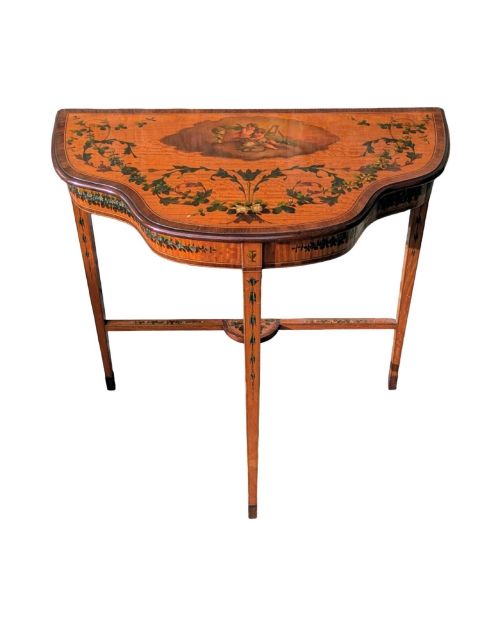
The selections on this page lean heavily towards soft-paste and porcelain tablewares from periods such as the Regency and Georgian eras, decorated with meticulous polychrome floral motifs. Alongside ceramic plates and teapots, buyers find occasional tables, painted leather hat boxes, and framed still life studies reflecting the era's deep fascination with natural history and gardening.
How they were made
The physical objects combine ceramic manufacturing techniques or woodwork with meticulous hand-applied paint, enamel, and occasional gilding or gold leaf. Porcelain and earthenware bodies - ranging from creamware and soft-paste porcelain to delftware - provide the smooth canvas for detailed brushwork executed in pigments and gouache.
Wood pieces utilise mahogany, satinwood, and carved timber substrates to support painted leather, gouache panels, or decorative reliefs. Artisans applied polychrome enamels and watercolours by hand, firing ceramics multiple times to fuse the floral designs into the glaze.
A Georgian painted leather hat box unexpectedly preserves the era's commitment to carrying millinery in style.
What varies in quality
Quality separates through the precision and delicacy of the brushwork, the crispness of the porcelain moulding, and the preservation of the original hand-painted pigments. Superior pieces exhibit finer botanical accuracy, more complex polychrome palettes, and intact gilding that has survived centuries of use without major rubbing.
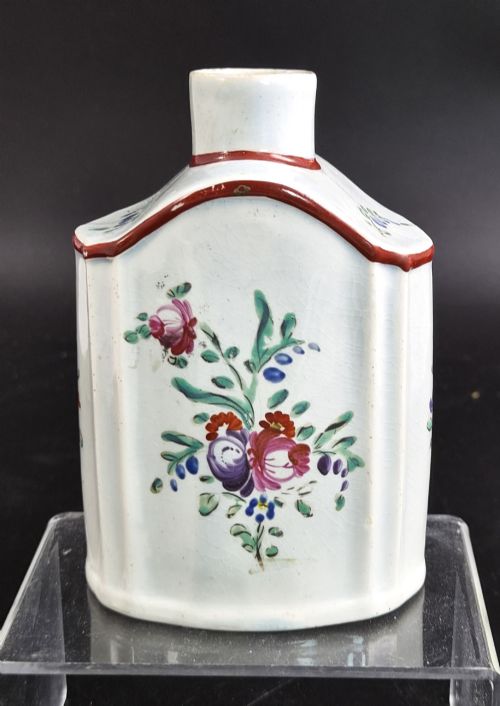
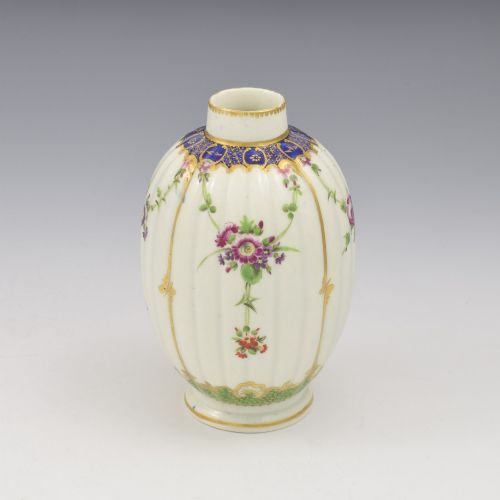
The distinction also rests on the historical importance of the factory and the attribution of the artwork, where documented makers command greater interest than anonymous workshop output. Form complexity, such as fluted tea canisters or lobed dessert plates, signals higher ambition in the initial manufacturing process.
Grainger Lee And Co·H And R Daniel·Dr Wall Worcester·Chamberlain Worcester·Flight Barr And Barr·Richard Chaffers·Newhall Porcelain·Coalport Porcelain·Hicks And Meigh
The Georgian Floral Painting Glossary
- Soft-paste porcelain
- An artificial ceramic body fired at lower temperatures than hard-paste porcelain, common in eighteenth-century English factories. It provides a creamy ground that absorbs enamel colours particularly well.
- Polychrome
- Decoration utilising multiple distinct colours painted onto ceramics, panels, or paper. This technique allowed artists to render naturalistic petals and leaves with varied shading.
- Creamware
- A refined earthenware developed in the eighteenth century with a pale yellow or cream-coloured lead glaze. It served as a versatile, durable base for botanical and floral painting.
- Gouache
- An opaque water-based medium used in period still lifes and botanical studies. It yields dense, matte colour blocks suited to detailed floral illustration.
- Trio
- A matched set consisting of a teacup, coffee cup, and saucer. These matching components were frequently decorated with uniform hand-painted floral patterns.
Georgian Floral Painting: Frequently Asked Questions
How do I care for antique painted ceramics?
Wash these pieces strictly by hand in lukewarm water using mild soap, avoiding soaking or modern dishwashers.
Keep them away from direct sunlight to prevent the hand-painted enamels and floral pigments from fading over time.
Were these floral porcelain items used daily?
Many teacups, saucers, and teapots formed part of active dining services for tea and dessert. Wealthy households utilised them during formal gatherings and afternoon tea rituals.
Over the decades, surviving examples transitioned from functional tableware into display cabinet pieces.
How can I distinguish Regency from Georgian pieces?
Georgian ceramics often feature neoclassical or rococo influences with hand-painted polychrome florals on shaped or fluted bodies. Regency items frequently showcase bolder enamel palettes, distinct factory pattern numbers, and sharper neo-classical styling.
Examining the shape names and known factory operating dates helps narrow down the production decade.
What is the difference between porcelain and creamware?
Porcelain is a vitrified, translucent ceramic body fired at high temperatures, offering a smooth white surface for detailed botanical painting. Creamware is a refined earthenware with a warm, cream-coloured glaze that provides a sturdy, slightly softer base for painted decoration.
Both materials were widely decorated with floral motifs during the eighteenth and nineteenth centuries.