
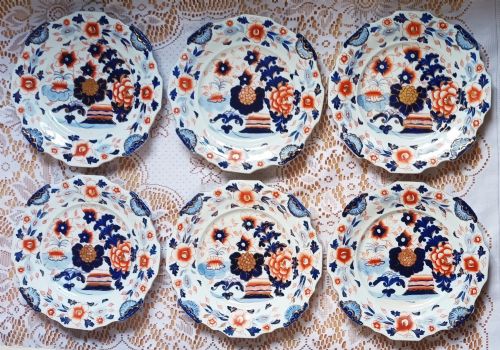


Georgian Floral China Plate
A georgian floral china plate brings the vibrant handpainted botanicals and transfer-printed patterns of the eighteenth and nineteenth centuries straight to the table.
Georgian Floral China Plate
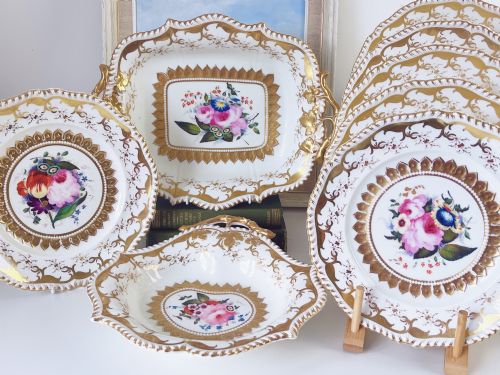
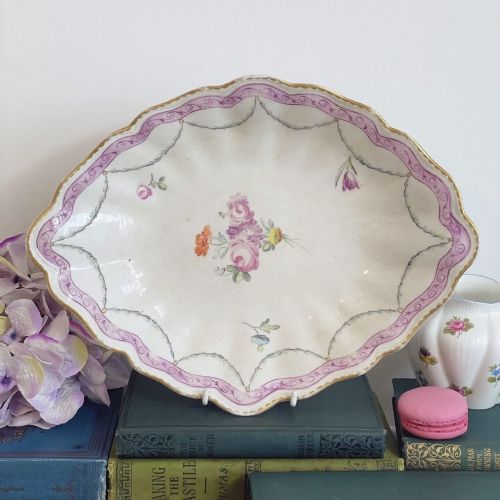
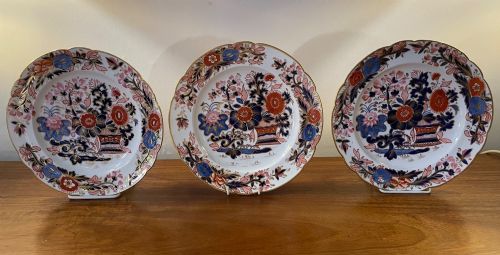
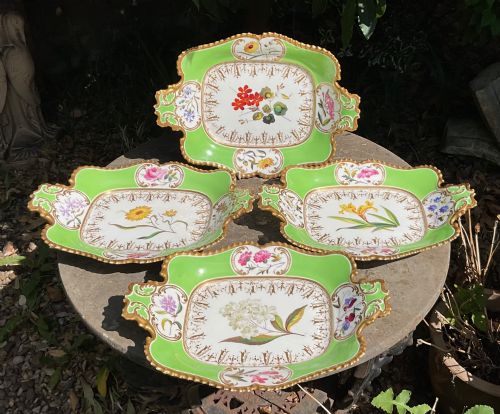
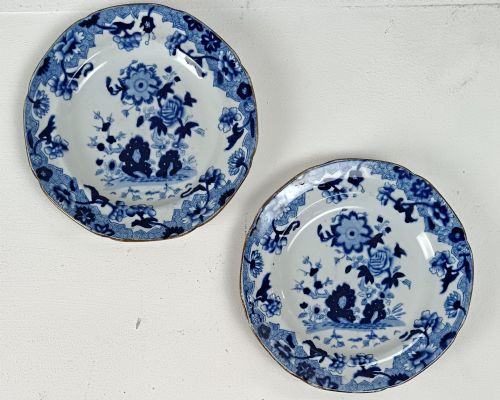
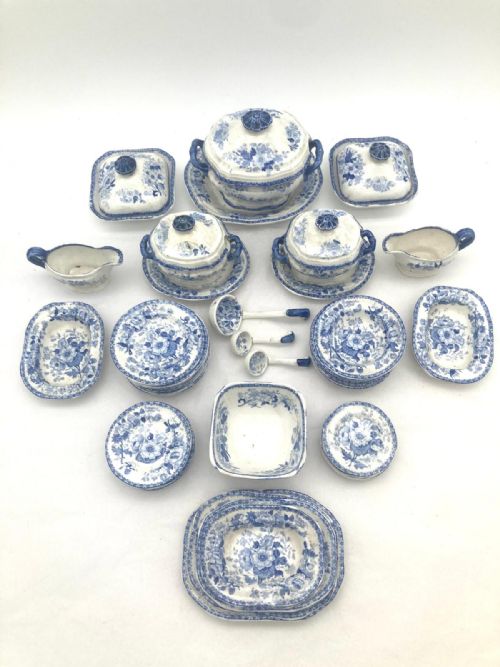
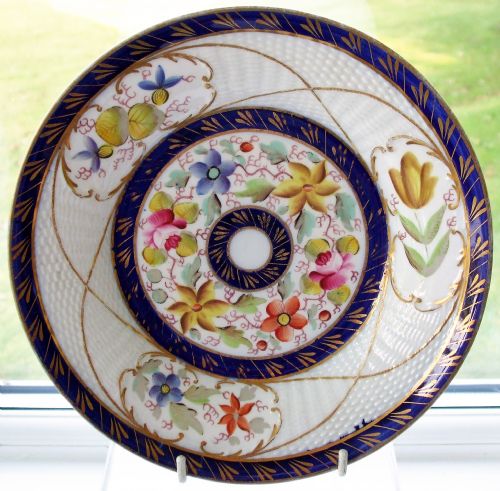
A georgian floral china plate encompasses everything from cabinet display pieces and dessert services to tea plates and serving dishes created during the Georgian, Regency, and early nineteenth-century periods. These items display a rich variety of botanical motifs, ranging from delicate polychrome handpainted arrangements to bold blue and white transfer prints and Imari palettes.
Buyers will encounter earthenware, porcelain, ironstone, and new stone pieces originating from notable factories such as Derby, Spode, Minton, and Worcester. The assortment spans single cabinet plates, matched sets, and surviving portions of larger dessert or dinner services.
Materials and technique
Potters utilised fine ceramic bodies including porcelain, earthenware, pearlware, and robust ironstone to form these plates, often applying a glossy glaze before decoration. Artisans then employed handpainting with enamel colours alongside gold leaf gilding or utilised blue and white transfer printing techniques.
Firing procedures required precise temperature control in kilns to set both the underglaze patterns and the delicate overglaze enamel details. Workshops also integrated moulded or lobed forms alongside standard flat plates to suit diverse dining requirements.
Listings feature plates spanning the 18th Century, Georgian period, Regency era, and early 19th Century.
Quality variations
The sophistication of the painting dictates much of the distinction, separating brisk factory output from meticulous botanical illustration executed by skilled hand artists. Crispness in transfer-printed outlines and the preservation of original gold leaf gilding further elevate the standing of a piece.
Factory pedigree also plays a role, with established works like Derby, Worcester, and Spode achieving superior refinement in paste density and glaze clarity compared to more utilitarian wares.
Grainger Lee And Co·Derby·Chamberlains Worcester·Spode·Minton·John Davenport·New Hall·Rockingham Pottery·Coalport·Ridgway·Wedgwood·Chelsea·Mason·Bloor Derby
The Georgian Floral China Plate Glossary
- Imari palette
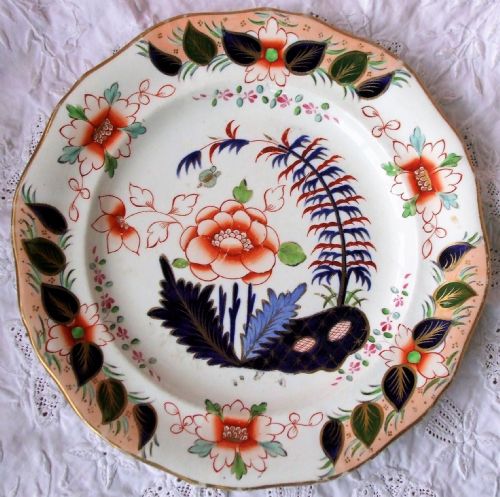
- A decorative scheme inspired by Japanese export porcelain utilising iron-red, cobalt blue, and gold leaf gilding. This style appeared frequently on English plates from the late eighteenth and early nineteenth centuries.
- Ironstone
- A dense, durable type of heavy earthenware patented in the nineteenth century to rival true porcelain. It offered exceptional resistance to chipping while accommodating rich enamelled designs.
- Transfer printing
- A mechanical method of applying complex designs to ceramics by transferring inked paper impressions onto the biscuit or glazed surface prior to firing. This technique allowed intricate blue and white patterns to be produced consistently.
- Polychrome
- Multi-coloured handpainted decoration applied to ceramic surfaces. This method allowed artisans to render naturalistic floral arrangements across dessert and cabinet plates.
- Pearlware
- A refined form of earthenware featuring a pale bluish glaze that pooled slightly in crevices, developed in the late eighteenth century as a whiter alternative to creamware.
Georgian Floral China Plate: Frequently Asked Questions
How do I display a georgian floral china plate safely?
Wall mounting requires coated wire hangers that distribute weight evenly across the rim without pinching the ceramic body. Cabinet display benefits from secure plate grooves and sufficient space to prevent contact between neighbouring items.
Avoid hanging plates in direct sunlight or above active heat sources to protect delicate overglaze enamels and original gold leaf gilding from gradual degradation.
Can I use these antique plates for serving food?
While these items were originally created for dining and dessert services, age and historic wear make modern daily use inadvisable. Acidic foods can affect fragile nineteenth-century glazes and enamels over time.
Hand washing in lukewarm water with mild soap is recommended if you occasionally use them, as modern dishwashers will damage the historic ceramic body and handpainted surfaces.
What does an Imari pattern look like on these plates?
An Imari pattern typically combines deep cobalt blue underglaze with vibrant iron-red overglaze enamels, accented by generous applications of gold leaf gilding. The motifs often draw from traditional Japanese aesthetic arrangements.
This rich palette appeared across various English factories during the Regency and Georgian periods, creating a visually striking surface contrast on tea and dessert plates.