
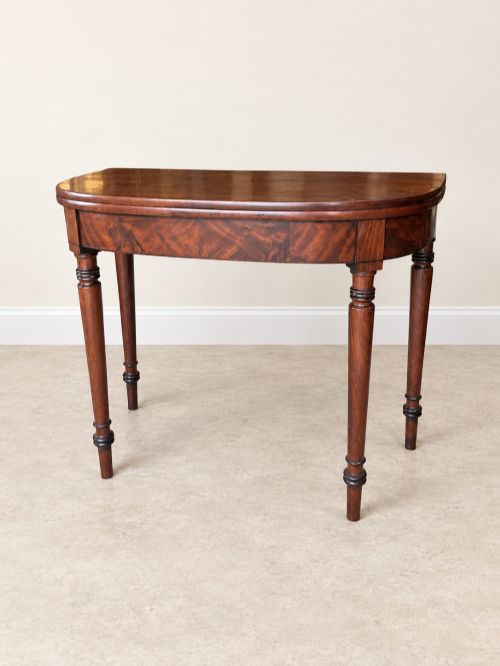
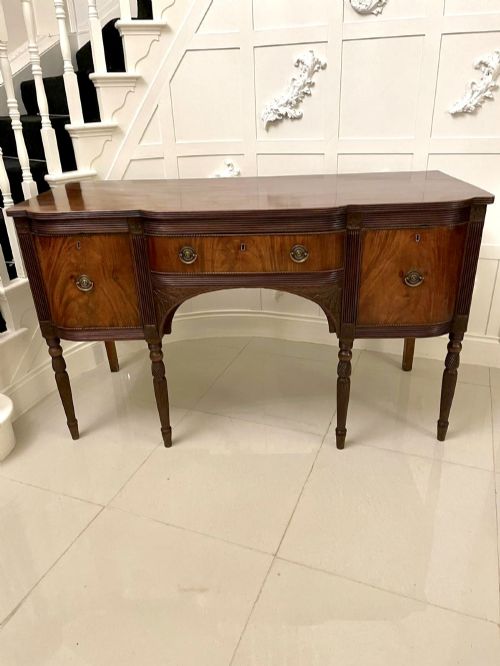
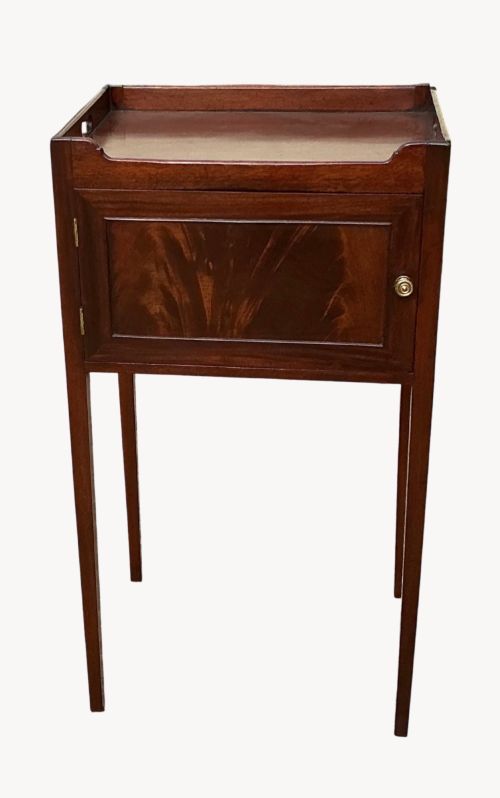
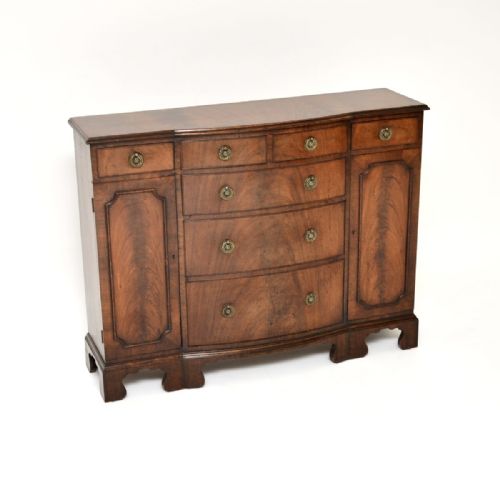
Georgian Flame Mahogany Table
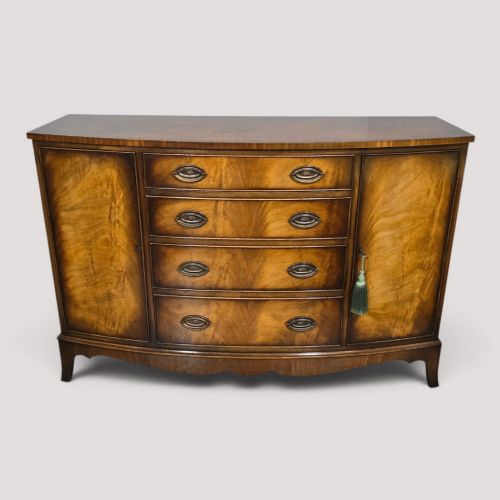
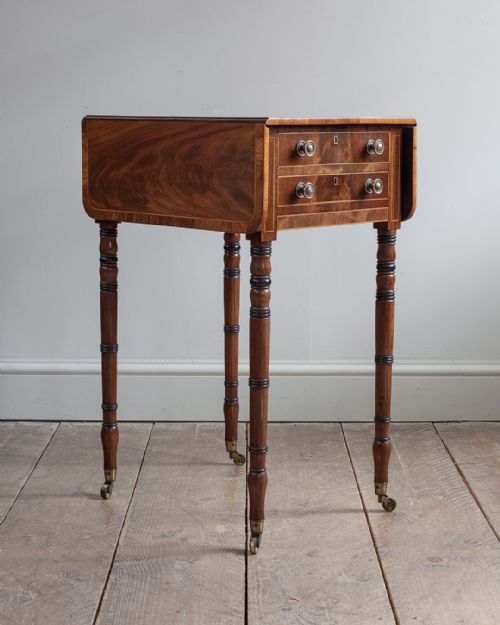
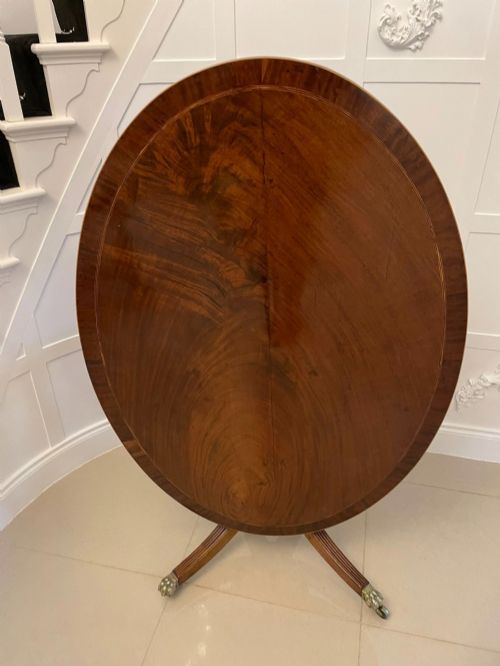
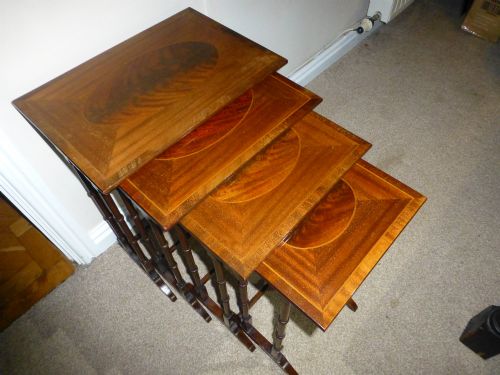
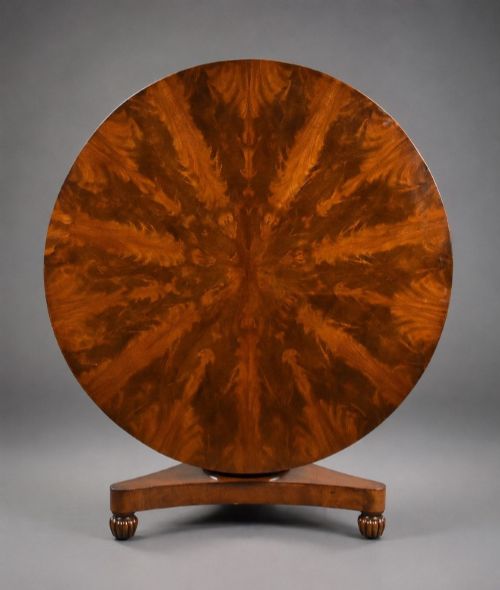
A georgian flame mahogany table brings striking grain patterns and enduring timber warmth into a room.
Georgian Flame Mahogany Table
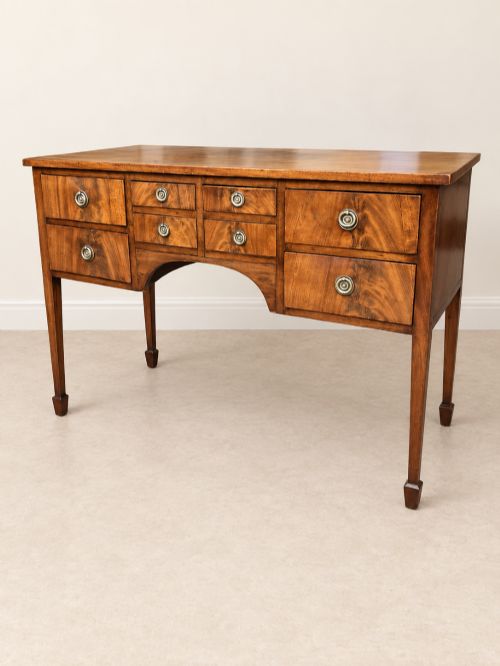
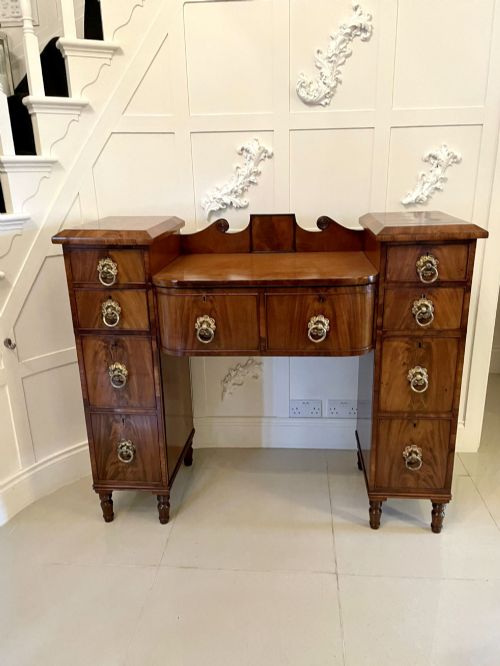
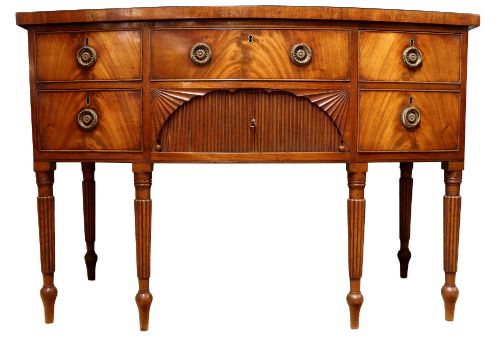
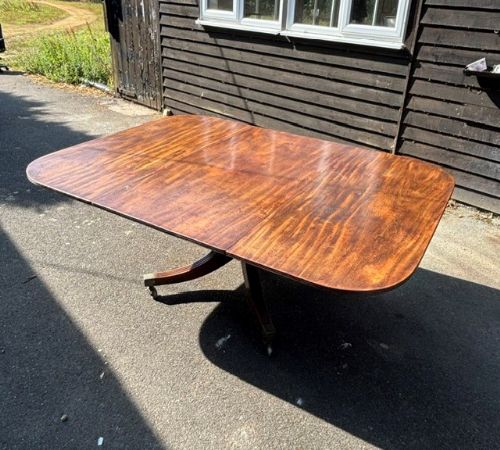
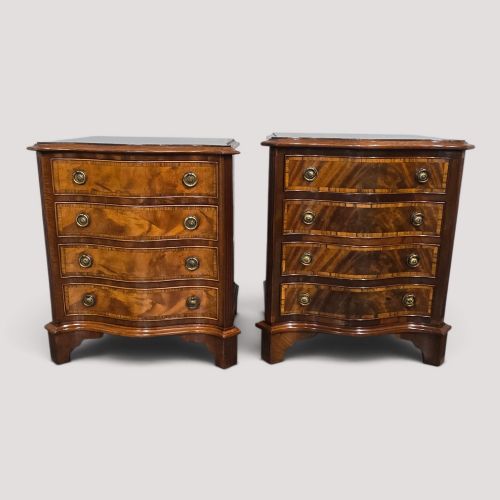
When you search for a georgian flame mahogany table, you encounter diverse forms created for dining, writing, and serving during the eighteenth and early nineteenth centuries. The selection ranges from card tables and breakfast pieces to occasional and console formats spanning the Georgian, Regency, and later revival periods.
The version you are most likely to meet on this page is a side, card, or dining table utilising figured timber veneers. These pieces reflect the cabinet-making standards of periods such as the reign of George III, employing durable mahogany timbers to achieve functional domestic furniture.
How they were made
Cabinet makers constructed these tables using solid mahogany frameworks overlaid with flame mahogany veneer to create distinct visual patterns on top surfaces and drawer fronts. Secondary timbers such as pine or oak frequently form the interior carcases and drawer linings.
Techniques relied on precise cutting of timber veneers to expose the swirling grain, secured with traditional animal glues. Brass fittings, leather inserts, and occasional inlay work complete the construction methods recorded across these listings.
Materials appearing across these records include mahogany, brass, glass, leather, and flame mahogany veneer.
What varies in quality
The standard of a georgian flame mahogany table depends significantly on the choice and matching of the veneer figures across the primary surface. Master makers selected timber cuts with intense, symmetrical flame patterns, whereas simpler pieces utilised plainer grain arrangements.
Construction integrity also separates individual examples, seen in the precision of the joinery, the stability of the pillar or leg supports, and the retention of original brass hardware or leather surfaces where applicable.
Thomas Butler of London·Webster
The Georgian Flame Mahogany Table Glossary
- Flame mahogany veneer
- A thin slice of wood cut from the branch junction or fork of a mahogany tree, yielding a distinctive ripple pattern. This material defines the visual character of many surfaces.
- Card table
- A folding table designed for gaming, typically featuring a baize-lined interior and a pivoting rear leg to support the opened leaf. These items were standard in eighteenth-century drawing rooms.
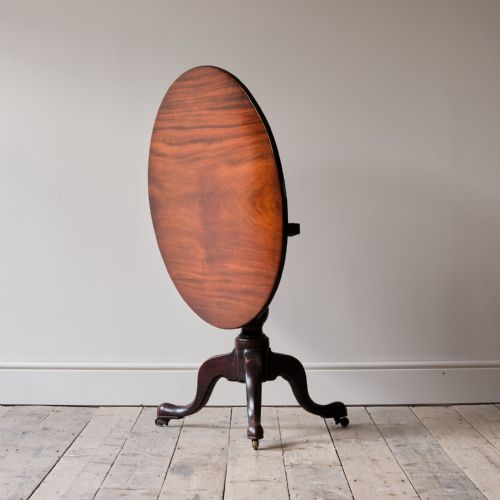
- Tilt top table
- A freestanding piece with a mechanism allowing the table top to rotate and rest vertically when not in use. This design saved space in smaller domestic interiors.
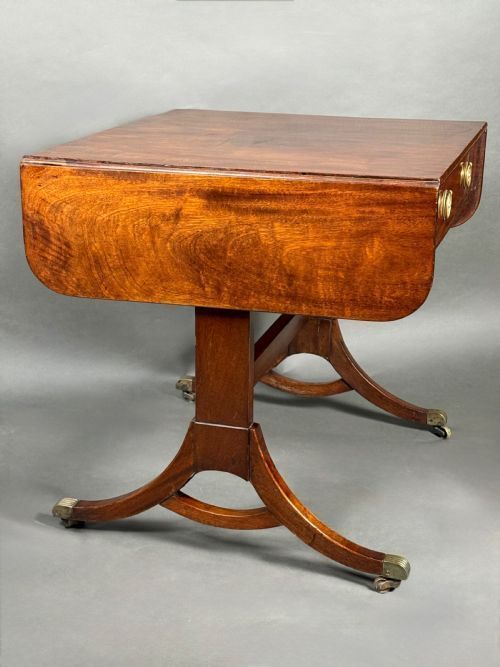
- Sofa table
- A rectangular occasional table originally placed in front of a sofa, equipped with drop leaves and small drawers. They emerged during the Regency period.
- Bracket clock
- A portable household clock housed in a wooden case, often placed on a bracket or table. These items shared domestic spaces with period tables.
Georgian Flame Mahogany Table: Frequently Asked Questions
How do I use a card table?
A card table opens by unfolding the top leaf, supported by a swing leg to create a stable surface for games or writing.
When closed, the piece functions as a console or side table against a wall.
Where were these tables placed?
These tables served various rooms, from dining spaces and libraries to drawing rooms and hallways, depending on their specific form.
Dining and breakfast versions stood centrally, while sofa and card tables sat against walls or near seating areas.
How do I care for mahogany?
Maintenance involves keeping the timber away from direct heat sources and strong sunlight to protect the polish and prevent veneer lifting.
Regular dusting with a soft cloth preserves the finish without requiring heavy chemical polishes.
How do I identify Regency pieces?
Regency items often display bolder brass mounts, sabre legs, and darker or more dramatically figured veneer work reflecting early nineteenth-century tastes.
They follow classical architectural influences distinct from earlier mid-eighteenth-century proportions.