
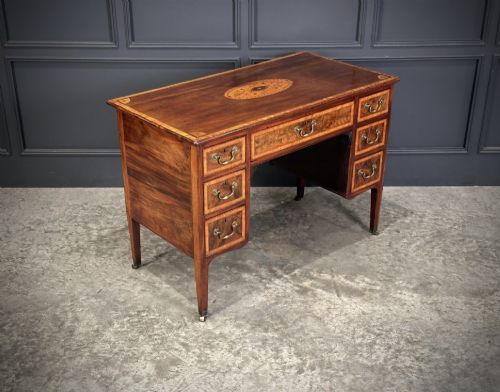
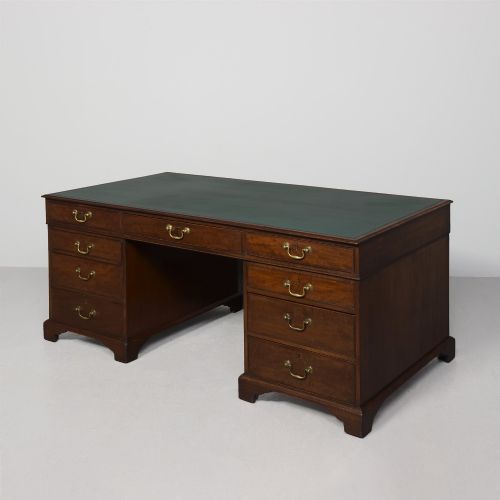
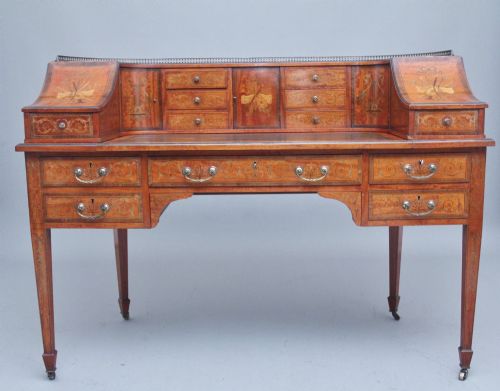
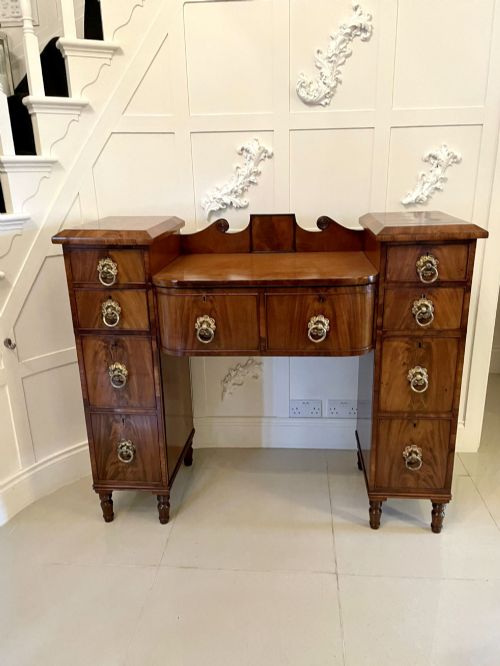

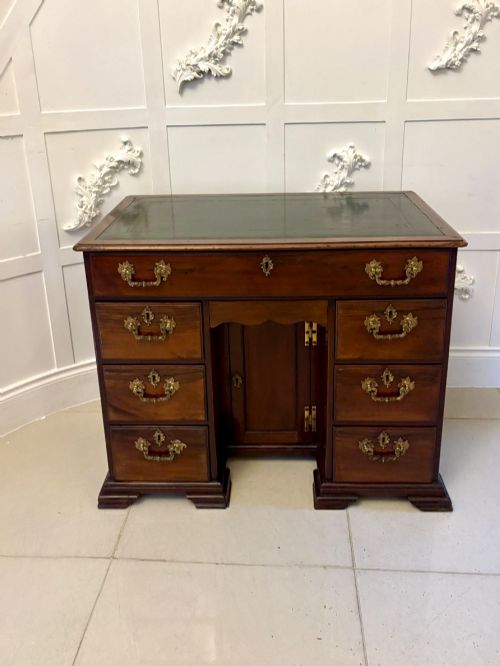
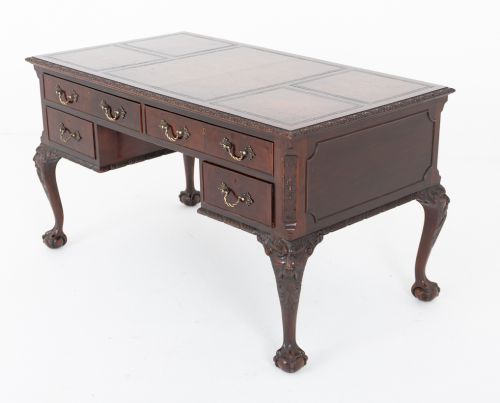
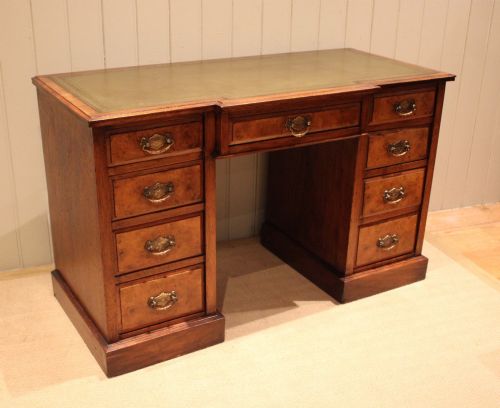
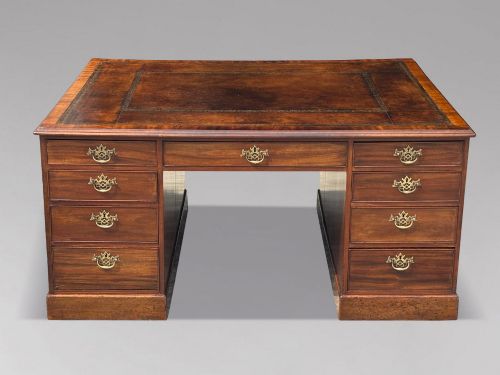
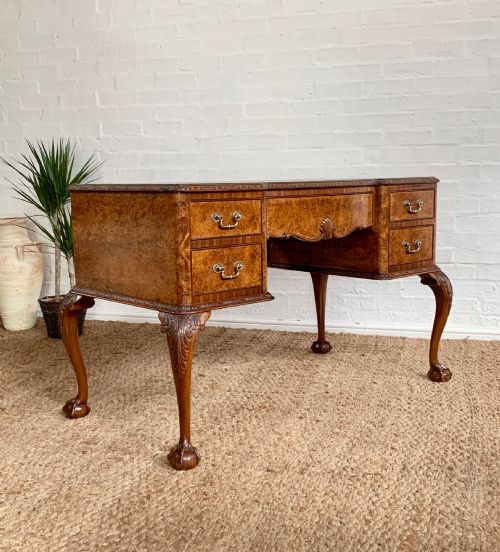


Georgian Executive Writing Table
A georgian executive writing table offers grand scale and twin-pedestal storage, bringing traditional authority to any home library or study.
Georgian Executive Writing Table
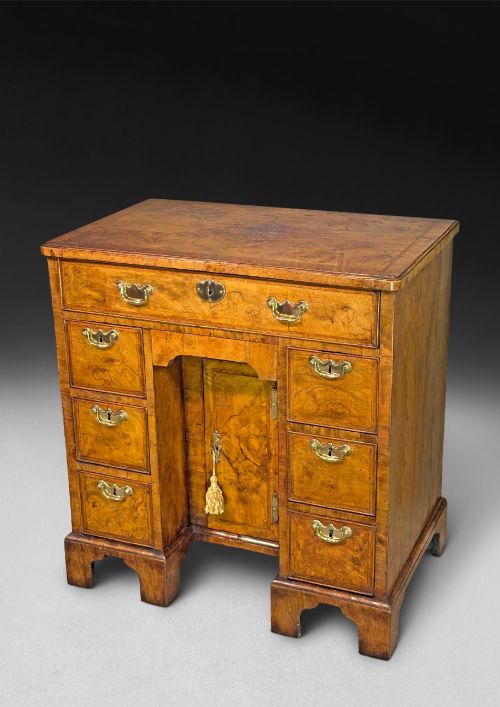
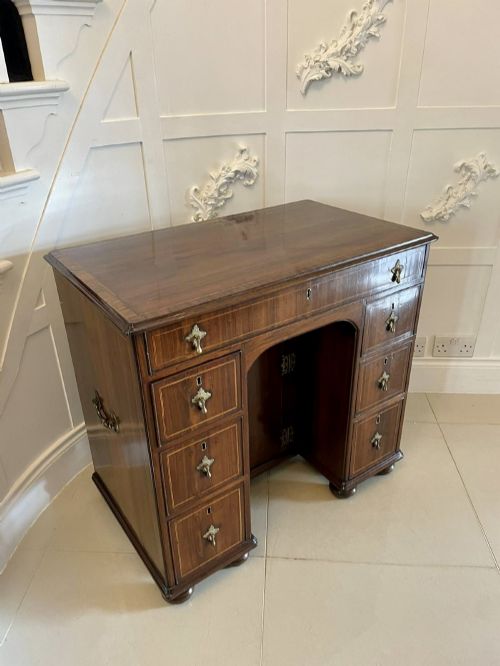
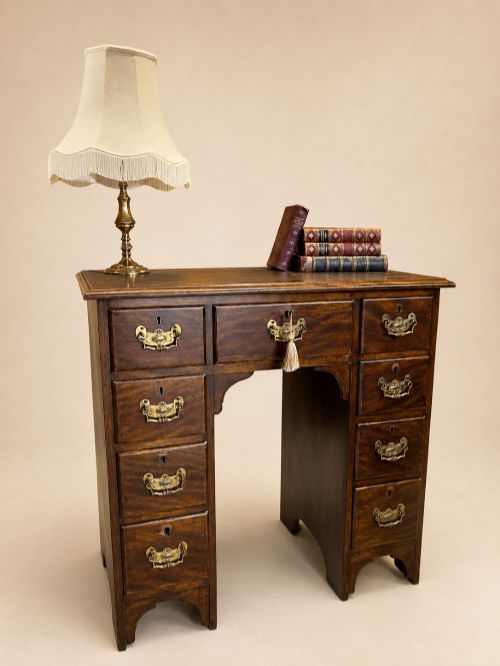
When you search for a georgian executive writing table, you encounter substantial freestanding furniture designed for dual-sided use, encompassing partners desks, pedestal desks, and library tables. The selection ranges from authentic 18th-century George III pieces to later revival iterations produced across the Victorian era and into the early twentieth century.
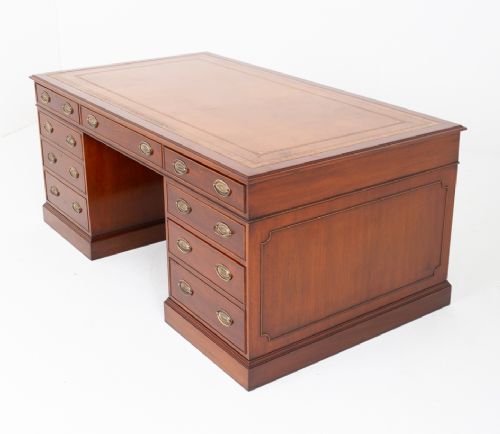
Most examples you meet on this page utilise a pedestal format featuring banks of drawers flanking a central kneehole, alongside larger partners desks fitted with storage on both faces. These pieces originate from distinct periods, spanning the Georgian golden age through to Chippendale, Sheraton, and Queen Anne revivals of the nineteenth and twentieth centuries.
Materials and construction
Makers built these tables primarily using solid timber frameworks and carcases faced with figured mahogany, walnut, or burr walnut veneers. Flame mahogany veneer and satinwood frequently appear on premium surfaces to create striking visual movement across top panels and drawer fronts.
Inlaid brass details and inset writing surfaces lined in green or tan tooled leather complete the construction, providing a durable working area. Traditional joinery methods secure the pedestals and top assemblies, ensuring the structural stability required for heavy daily use.
Listings feature woods including mahogany, burr walnut, satinwood, and oak, paired with brass hardware and leather inserts.
Craftsmanship and distinction
The distinction between ordinary and exceptional examples rests upon the selection of timber and the sophistication of decorative carving. Superior pieces display book-matched flame veneers, intricate cockbeading around drawer edges, and crisp, hand-carved details along the friezes and bracket feet.
Proportion and the retention of original surfaces govern overall merit, where desks featuring untouched patinated leather inserts and period hardware command greater regard. Inferior items often rely on heavy secondary timber replacements or lack the harmonious scaling found in authentic period workshops.
The Georgian Executive Writing Table Glossary
- Partners desk
- A large double-sided pedestal desk designed to accommodate two people working opposite one another. These tables feature cupboards or drawers on both faces.
- Kneehole desk
- A compact pedestal desk characterised by a central recess for the user's legs, flanked by two vertical stacks of small drawers.
- Tooled leather
- A writing surface decorated with impressed gold leaf patterns around the perimeter. This treatment protects the desktop while adding a formal decorative border.
- Flame mahogany
- A veneer cut from the branch junction of a mahogany tree, yielding a distinctive ripple pattern resembling flickering flames. Cabinetmakers prized this figure for principal drawer fronts and top panels.
- Pedestal desk
- A heavy writing table supported by two freestanding pillars containing drawers or doors. They provide substantial storage capacity beneath the primary writing surface.
Georgian Executive Writing Table: Frequently Asked Questions
What is a partners desk?
A partners desk is a large pedestal writing table built with drawers and cupboards on both sides so two people can sit opposite each other.
These double-sided pieces were originally designed for offices shared by business associates or legal partners.
How do I date these tables?
Dating relies on examining the secondary timbers, construction methods, and hardware styles used throughout the piece. Comparing the overall design motifs to known Georgian, Regency, or Victorian patterns helps establish the correct period.
Cabinetmakers of different eras utilised distinct dovetailing techniques and veneer thicknesses which aid in verification.
Are leather tops original?
Many desks retain their early or period leather writing surfaces, though heavily used examples frequently received replacements during later restorations. Closer inspection of the gold tooling and leather wear patterns helps determine whether the insert dates to the original construction.
Even when replaced, a quality tooled leather top remains appropriate for the period style of the desk.
Where should I place a freestanding desk?
Freestanding pedestal desks and partners desks look best positioned in the centre of a room rather than pushed against a wall. Because they are finished on all sides, they serve as a striking focal point in a study or library.
Ensure you leave adequate clearance around the pedestals and chairs for comfortable daily movement.