


Georgian Era Oil Painting
A georgian era oil painting brings historical depth and character to a room through centuries-old portraits, landscapes, and classical scenes.
Georgian Era Oil Painting
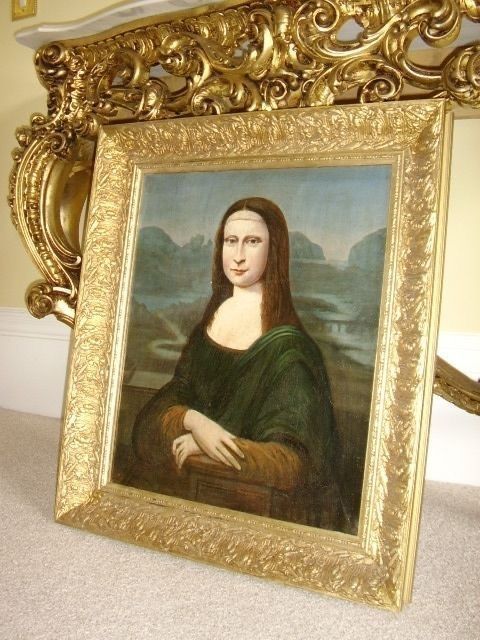
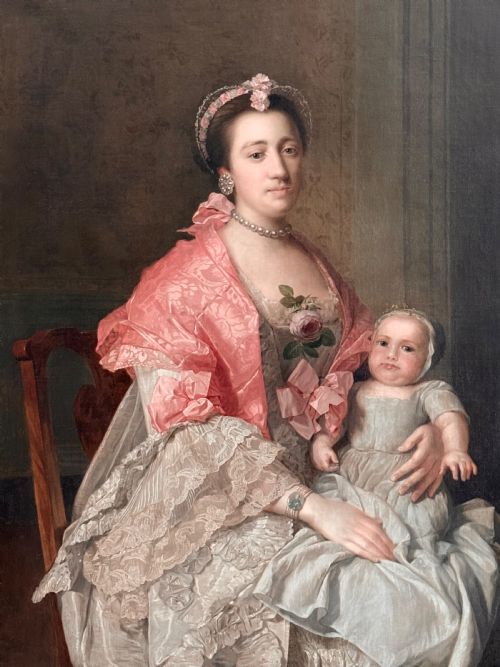
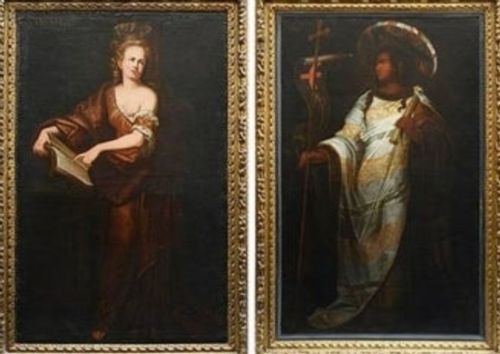
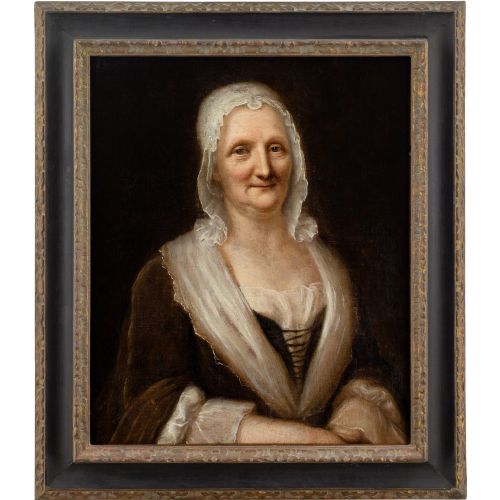
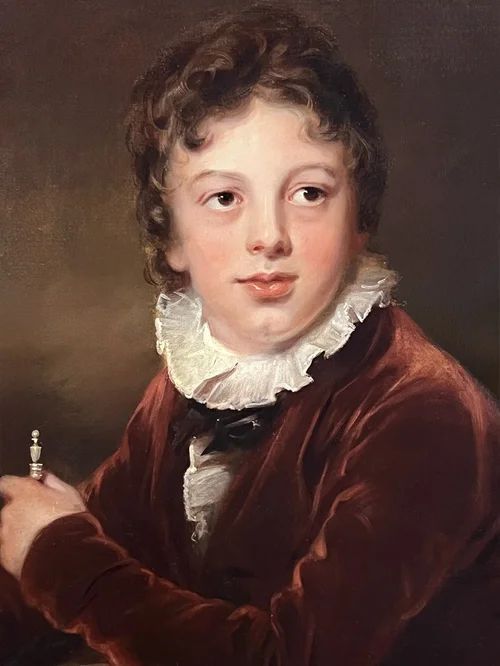
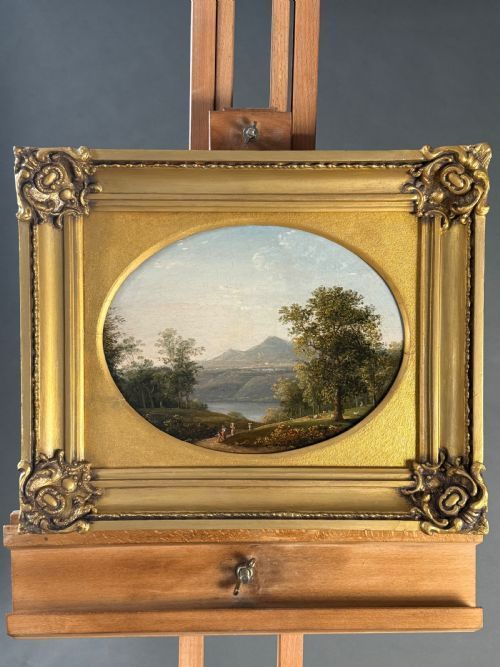
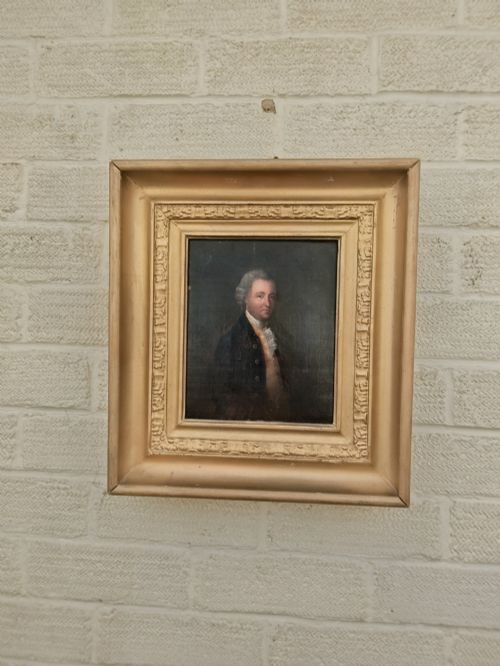
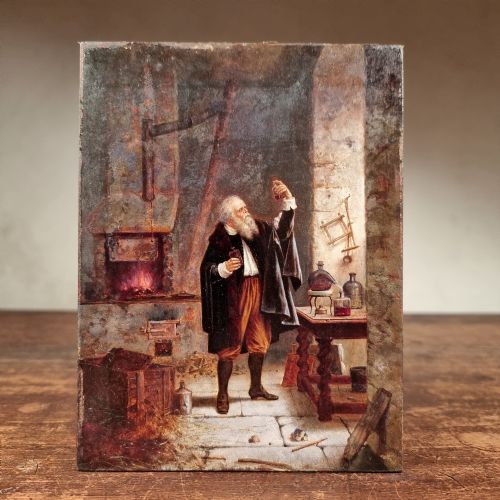
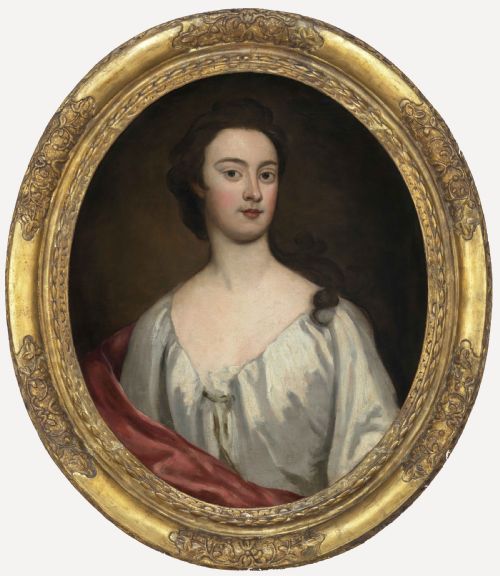
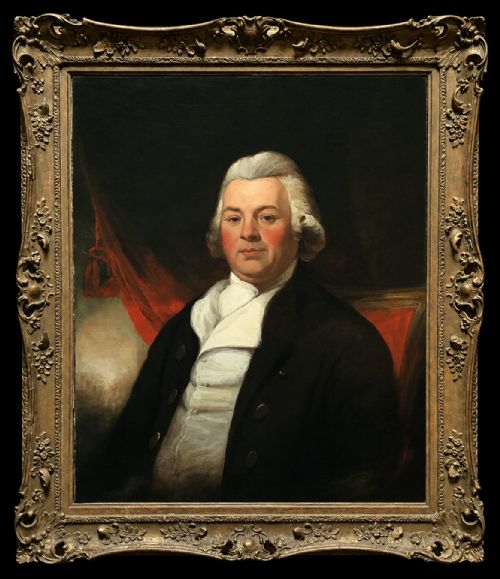
When searching for a georgian era oil painting, buyers encounter works spanning the eighteenth and early nineteenth centuries, encompassing the Regency period and the reign of George III. These pieces predominantly take the form of framed portraits, landscapes, and architectural scenes rendered in oil.
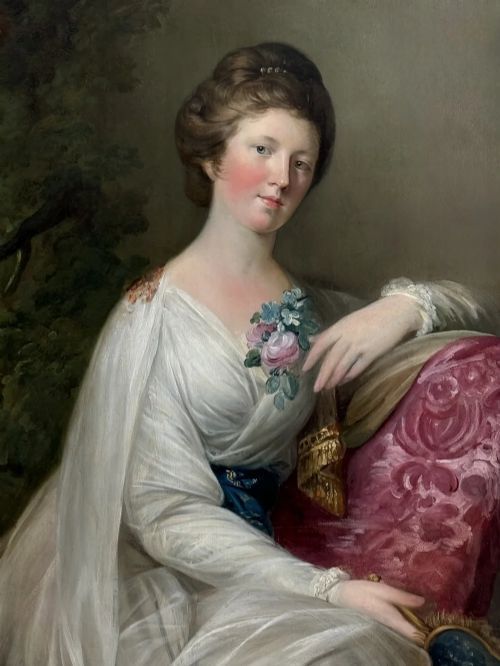
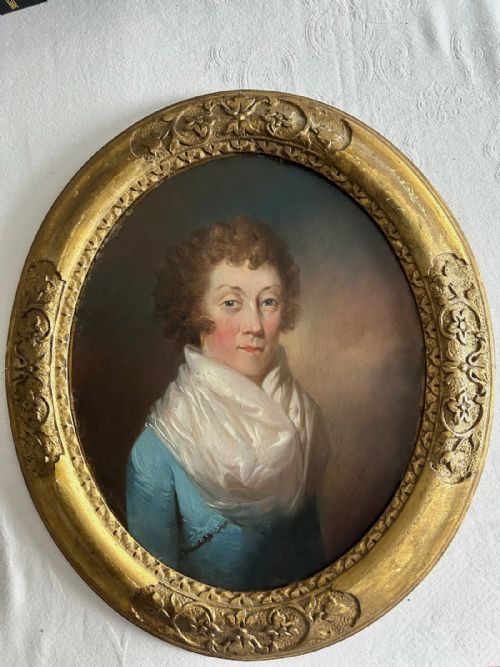
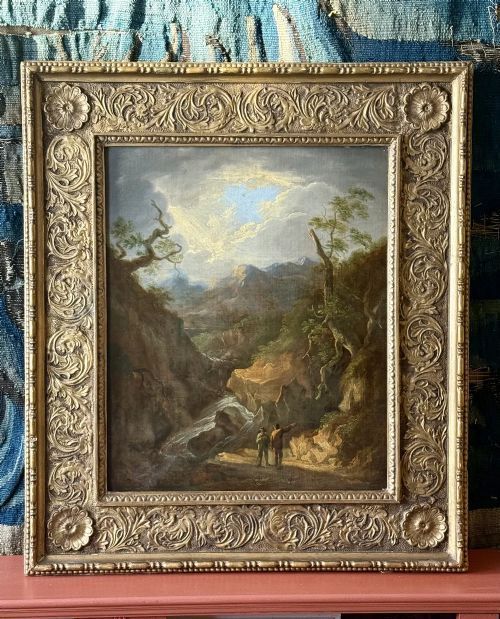
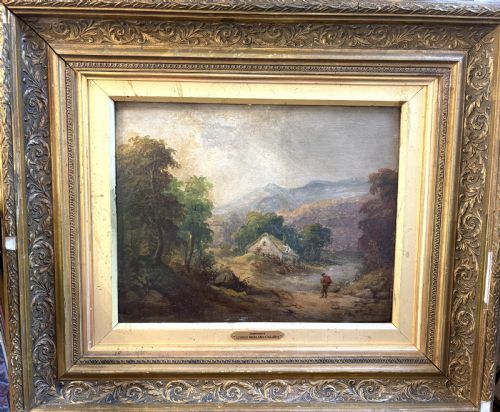
The selection on this page relies heavily on portraiture depicting named and unnamed sitters, from British gentlemen to French naval officers. Alongside these portraits, pastoral landscapes, sporting scenes involving dogs, and Grand Tour architectural views appear frequently.
Originating from British, French, German, Austrian, and Italian schools, these artworks reflect the diverse artistic output of the Georgian era. Buyers will find canvases housed in period frames, often utilising giltwood or gold leaf to complement the painted composition.
What varies in quality
The distinction between standard works and exceptional pieces rests upon the surety of the brushwork and the psychological depth captured in portraiture. Master painters command a fluency in handling light and shadow that elevates a likeness into a compelling study of character.
Condition and originality play a significant part in the standing of a painting, particularly regarding the preservation of the original canvas and the integrity of the paint surface. Furthermore, the presence of a documented attribution to a recognised artist or studio enhances the historical weight of the work.
Georgian Era Oil Painting Retail Price Guide 2026
Typical asking prices for georgian era oil painting among the pieces listed under this phrase on Sellingantiques today, from the lower quarter to the upper quarter. They describe what is for sale here now, not the wider market.
Listings feature portraits, landscapes, and sporting scenes executed in oil on canvas, wood, and copper.
Sir William Beechey·George Willison·Benjamin Barker of Bath·Sir Allan Ramsay·Margaret Sarah Carpenter·Jacob Philipp Hackert·Jeremiah Davison·George Watson·Arthur William Devis·Samuel Raven·Sir Thomas Lawrence·James Ward·Samuel Lawrence·Jonathon Richardson·Michael Dahl
The Georgian Era Oil Painting Glossary
- Giltwood
- Wood carved and coated with gold leaf or a gold-colored preparation. This material is commonly found on the ornate frames enclosing period canvases.
- Oil on canvas
- Pigment mixed with drying oils applied to a woven fabric support stretched over a wooden frame. This method represents the primary medium for paintings of this era.
- Grand Tour
- A cultural trip through Europe undertaken by young upper-class men during the eighteenth and nineteenth centuries. Paintings from this context often depict Italian architecture and landscapes.
- School
- A group of artists working in a particular region, period, or under a specific influence, sharing a common style. Listings frequently reference French, English, or German schools.
Georgian Era Oil Painting: Frequently Asked Questions
How do I identify a Georgian oil painting?
Look closely at the costume, hairstyle, and framing conventions of the artwork, which generally reflect eighteenth or early nineteenth-century aesthetics. Documentation, sitters' attire, and stylistic markers tied to the Georgian period help establish the date.
Examinations of the canvas backing, stretcher frames, and the type of pigments or canvas weave also offer clues regarding the age of the piece. Comparing the handling of the subject to known works from the era assists in confirmation.
What is a Grand Tour landscape?
Grand Tour landscapes are scenic paintings purchased by travellers touring continental Europe, particularly Italy, during the eighteenth century. They typically feature classical ruins, architectural vistas, and picturesque natural scenery.
These artworks served as sophisticated souvenirs documenting elite travel and education. Artists like Jacob Philipp Hackert specialised in producing these expansive topographical views.
Why are some paintings attributed to a school?
Attribution to a particular school indicates that a painting was produced by an unidentified artist working within the style, region, and period of a known tradition. This categorization reflects stylistic similarities rather than a signed authorship.
Such works often demonstrate the technical standards and aesthetic preferences prevalent in a specific country or academy at that time. They offer insight into broader artistic movements beyond individual masters.