


Historic Portrait Miniature
These historic portrait miniature pieces capture intimate likenesses in small scales, offering a direct window into past centuries for any collector.
Historic Portrait Miniature
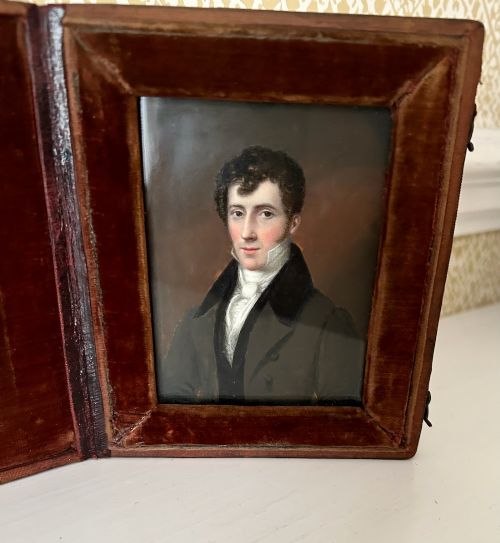
When you search for a historic portrait miniature, you are looking at small-scale likenesses rendered across the eighteenth and nineteenth centuries. These works record individual identities through intimate paintings, drawings, prints, and silhouettes from the Georgian, Regency, and early Victorian periods.
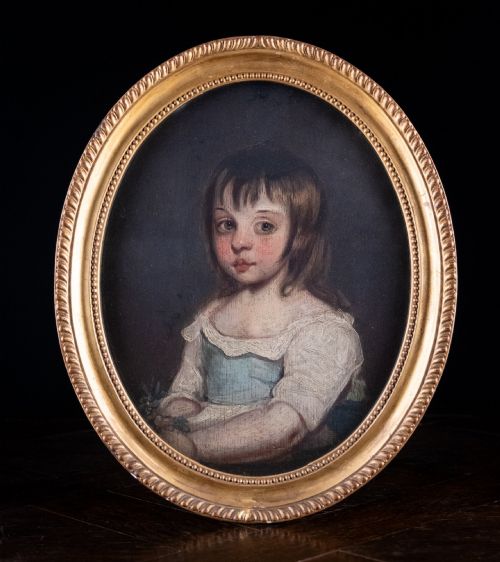
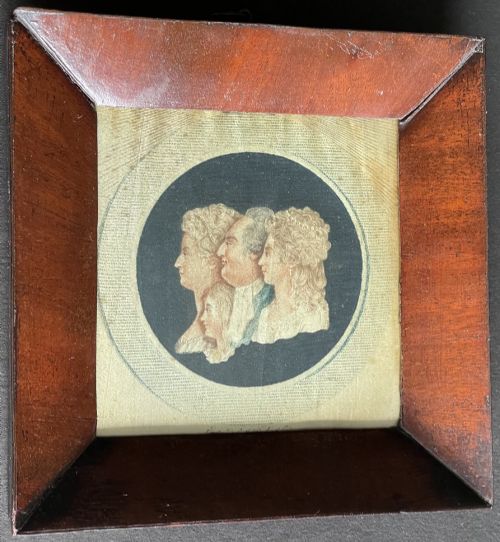
The versions you are most likely to meet on this page span watercolour paintings on paper, oil paint on canvas or wood, and delicate prints on silk. Subjects range from named sitters like Mughal Emperor Akbar II and Geo IV to anonymous country girls and family groups.
Framed often in gilt wood or protected beneath glass, these historic portrait miniature works reflect the prevailing aesthetics of their era. You will encounter styles from neoclassical formality to Mughal portraiture alongside simple silhouettes.
How they were made
Finished works frequently received protective glazing and housing in gilt wood frames designed to complement the intimate scale of the portrait. Some examples were produced as prints on silk or as detailed drawings, employing diverse graphic techniques of the period.
Materials recorded on this page include glass, paper, watercolour, oil paint, gilt wood, wood, canvas, and silk.
What varies in quality
The degree of fineness in the brushwork or drawing distinguishes a standard likeness from a masterly execution. Skill in capturing the sitter's individual expression and anatomical proportion marks the finer examples across both oil and watercolour mediums.
The preservation of the original support - whether paper, silk, or canvas - and the integrity of the surrounding gilt wood frame and glass affect the overall standing of the piece. Works attributed to known hands command distinct attention for their documented artistry.
John Taylor·George Clint·Henry Edridge
The Historic Portrait Miniature Glossary
- Plumbago
- A drawing executed in graphite or black lead, highly popular for detailed portraiture before the nineteenth century. This technique allowed artists to achieve remarkable tonal subtlety on paper.
- Silhouettes
- A profile portrait cut from paper or painted in solid black, often recording the sitter's outline with economy. They served as an accessible form of likeness during the Georgian and Regency eras.
- Neoclassical
- An artistic style drawing inspiration from the classical art and culture of ancient Greece and Rome. It influences the formal composure visible in many eighteenth-century portraits.
Historic Portrait Miniature: Frequently Asked Questions
How were these miniatures displayed?
Miniatures were typically framed in gilt wood or housed in cases designed to sit on a surface or hang on a wall. Their small dimensions meant they could be kept close to the owner or arranged in domestic interiors.
Protective glass preserved the delicate watercolours, silk prints, and paper drawings from dust and atmospheric damage over the centuries.
How do I identify the period?
Dating relies on the sitter's costume, the framing materials, and the painting technique visible in the work. Eighteenth-century pieces often display neoclassical traits, while Regency and early Victorian examples show shifts in dress and hair styling.
Signatures, attributions to artists like Henry Edridge or George Clint, and documented sitters also help anchor the piece within its historical decade.
What materials were used?
Artists painted on paper, silk, canvas, and wood panels using watercolours, oil paint, or graphite. The choice of medium frequently aligns with the date and the specific regional tradition of the portrait.
Frames incorporate wood and gilt finishes, while glass provides essential surface protection for fragile works on paper and silk.
Are silhouettes considered miniatures?
Silhouettes form a distinct category of profile likeness that shares the small scale of portrait miniatures. They record the shadow outline of a sitter, usually in black against a light background.
Produced widely during the nineteenth century, they offer a stark and immediate record of individuals alongside painted works.