


Theatrical Portrait Painting
Theatrical portrait painting captures performers on stage and in character, offering a direct glimpse into historical drama and performance history.
Theatrical Portrait Painting
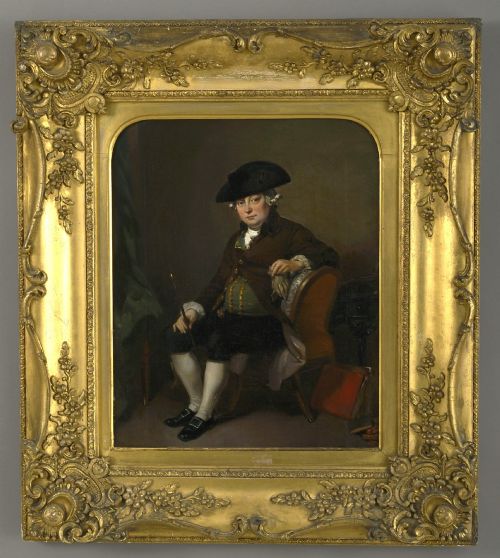
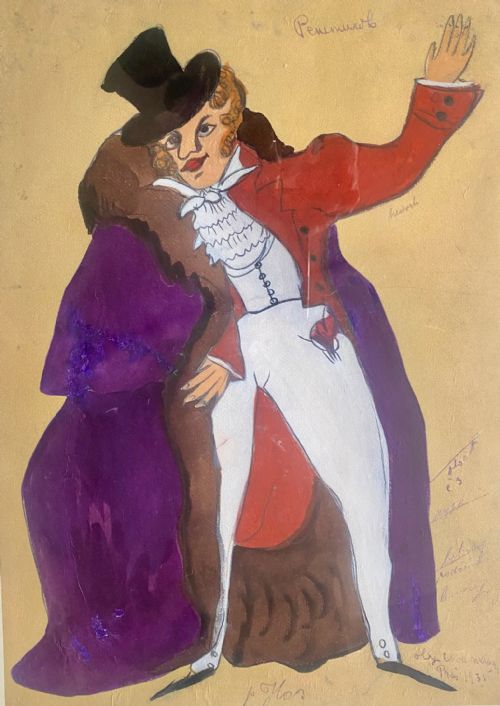
A theatrical portrait painting represents actors, dancers, and performers either in specific roles or within the context of their dramatic art. These works range from formal oils depicting Shakespearean characters to intimate sketches of circus ballerinas and clowns.
The pieces available span from the eighteenth century through the nineteenth century, extending into the nineteen-twenties, thirties, and fifties. Buyers encounter various formats, including oils on canvas, oil on wood panel, gouache, watercolours, and even Staffordshire pottery figures.
Many items connect directly to notable stage figures such as Edmund Kean, Charles Kean, and Maria Foote Stanhope. Other works capture anonymous performers or specific artistic movements, including avant-garde surrealism and academic realism.
Materials and methods
Painters utilised oil on canvas and oil on wood panel to achieve depth and luminosity in character studies. These traditional supports often feature in works from the eighteenth and nineteenth centuries.
Watercolour, gouache, and ink on paper appear frequently in twentieth-century pieces, allowing artists to capture the fleeting movement of performers quickly. Giltwood and gesso frames frequently accompany these works, providing period-appropriate presentation.
Pottery figures utilise moulded clay decorated with painted details, representing stage personalities in three dimensions. Each medium dictates the final texture and visual weight of the artwork.
Listings feature works across the eighteenth, nineteenth, and twentieth centuries, utilising oil, gouache, watercolour, and pottery.
Quality variations
The precision of draftsmanship and the ability to capture expression define the upper tier of these works. Masterful handling of light and shadow brings theatrical costume and dramatic atmosphere to life.
Historical association influences the significance of a piece, particularly when named actors and documented artists intersect. Works by established painters command attention through their compositional confidence and psychological depth.
Samuel De Wilde·Richard Geiger·Dame Laura Knight·Lucy Kemp-Welch·George Clint
The Theatrical Portrait Painting Glossary
- Academic Realism
- A style of painting and sculpture produced under the influence of European academies of art. It emphasises traditional techniques and realistic representation.
- Avant-Garde Surrealism
- An artistic movement seeking to release the creative potential of the unconscious mind. Works in this style often juxtapose unexpected elements.
- Commedia Dell'arte
- An early form of professional theatre originating in Italy, characterised by masked "stock characters". It heavily influenced European portraiture and performance art.
- Gouache
- A water-based paint consisting of pigment and other materials designed to be opaque. It dries to a smooth, matte finish.
- Gesso
- A paint mixture consisting of a binder mixed with chalk, gypsum, or pigment. It serves as a preparation surface for various substrates.
Theatrical Portrait Painting: Frequently Asked Questions
What is a theatrical portrait painting?
A theatrical portrait painting depicts actors or performers in costume or character, recording famous stage performances and historical productions.
These artworks serve as visual archives of theatrical history, showing how performers interpreted classic and contemporary roles.
How were these paintings displayed?
Historically, theatrical portraits hung in private homes, theatres, and clubs frequented by patrons of the arts.
Today, they suit living rooms, studies, and hallways where good lighting highlights the detailed costumes and character expressions.
How do I identify the period?
Periods are identified through clothing styles, framing techniques, and the artist's handling of the medium. Canvas preparation and panel construction also offer clues to the date of creation.
Signatures, inscriptions on the reverse, and historical records of the sitter help narrow down the exact decade.
Are all subjects professional actors?
While many subjects are renowned stage actors, others include circus performers, ballet dancers, and anonymous sitters in theatrical guise.
Artists often painted performers during active rehearsal or directly after a performance to capture authentic expression.