


Georgian Engraved Rummer Glass
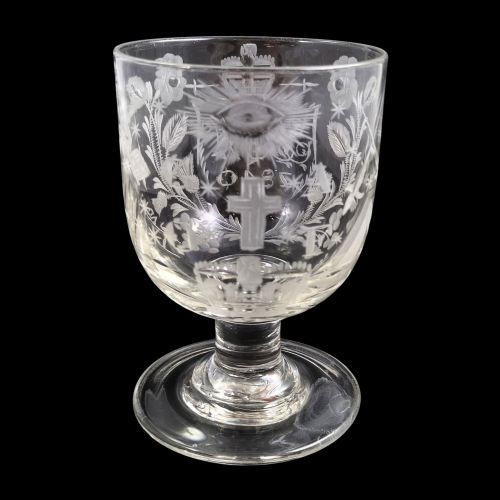
A georgian engraved rummer glass is a heavy drinking vessel carrying spirited wheel-engraving from the eighteenth and nineteenth centuries.
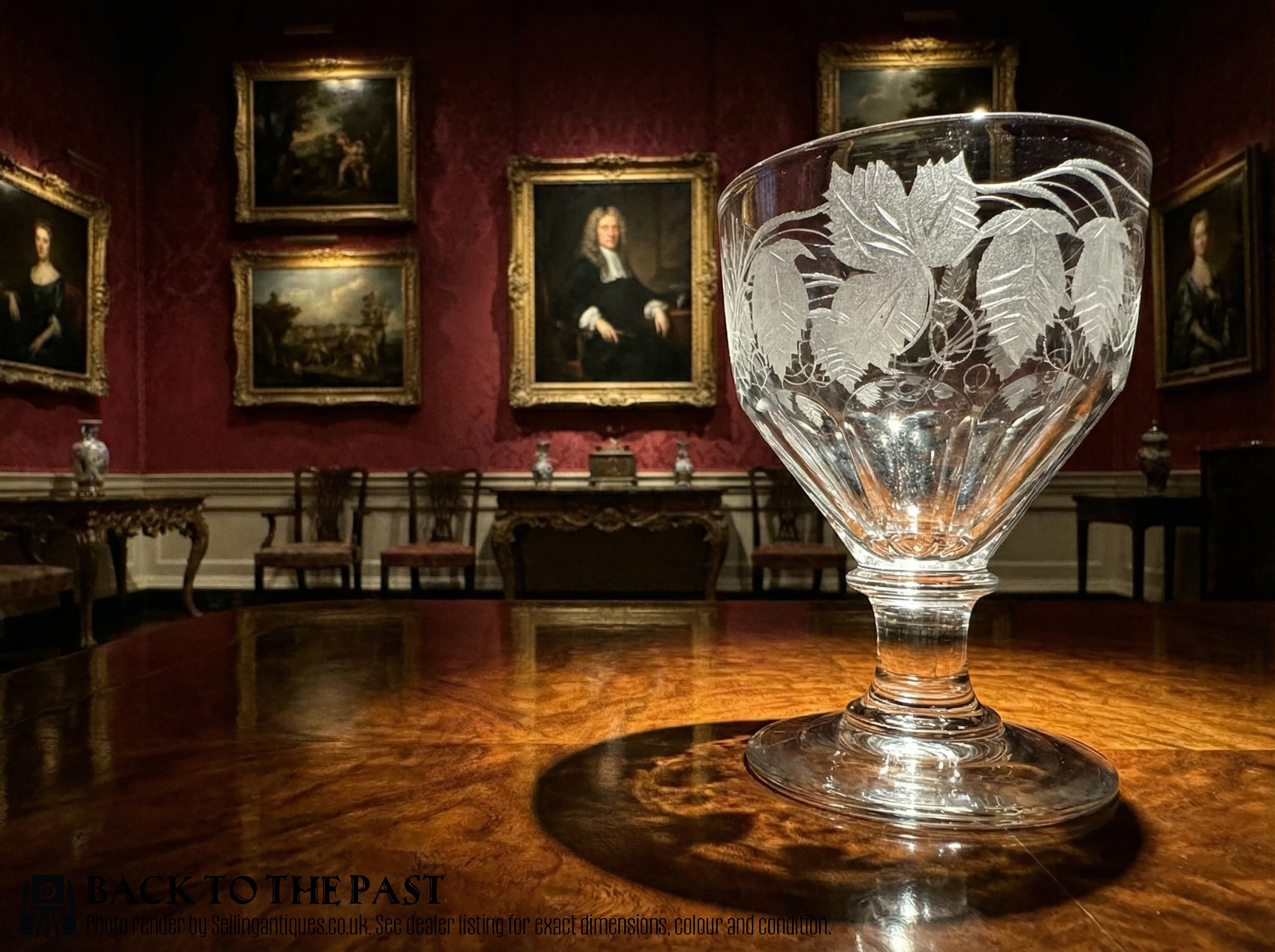
Georgian Engraved Rummer Glass
A georgian engraved rummer glass is a sturdy drinking vessel designed for ale, wine or spirits during the georgian and regency eras. Buyers searching this phrase meet heavy drinking glasses and large goblets featuring commemorative motifs, initials or agricultural scenes.
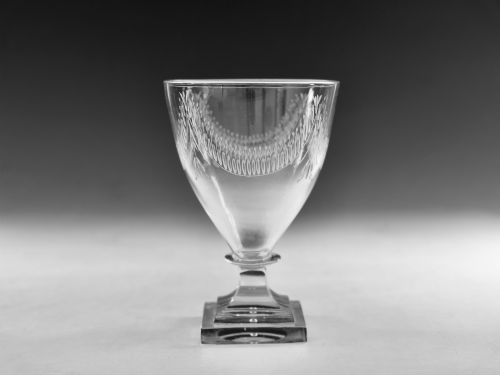
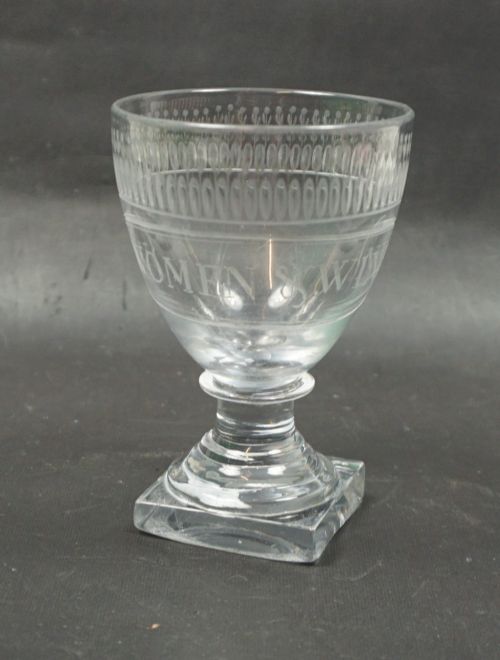
The pieces present various forms, including ovoid bowls, square bases and lemon squeezer feet. Many examples originate from English workshops and date from around eighteen hundred to eighteen thirty.
Factors of Quality
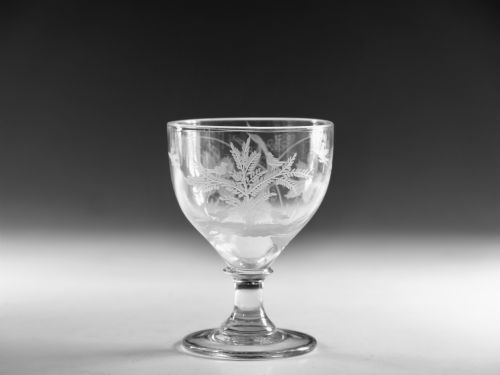
Quality rests in the crispness of the wheel engraving and the proportional balance of the bowl, stem and foot. Superior examples display deeply cut motifs like hops and barley or detailed architectural scenes with clean polish.
The weight and clarity of the lead crystal or flint glass dictate the tactile presence of the piece. Foot configurations, from simple round plates to sharply moulded lemon squeezer bases, alter the structural distinction of the vessel.
Listings feature lead glass and flint glass vessels spanning the eighteenth and nineteenth centuries, including items dated around eighteen hundred.
The Georgian Engraved Rummer Glass Glossary
- Rummer glass
- A large, heavy drinking glass used for serving ale, wine or punch during the eighteenth and nineteenth centuries. These vessels typically feature substantial bowls and sturdy feet.
- Lemon squeezer base
- A square, moulded glass foot pressed to resemble the citrus juicing tool popular in domestic kitchens. This form provides exceptional stability to heavy drinking vessels.
- Wheel engraving
- A surface decoration technique executed by holding the glass against rapidly rotating small metal or stone wheels. This method produces precise cuts and shaded motifs.
- Flint glass
- An early British term for high-quality lead glass containing potash and lead oxide. The formulation increases refractive index and material weight.
- Air twist
- A decorative stem formation containing spiral threads of elongated air bubbles trapped within the glass. This technique requires exceptional skill during the blowing process.
Georgian Engraved Rummer Glass: Frequently Asked Questions
What were rummer glasses used for?
These large vessels served hearty portions of ale, wine, porter or rum punch in taverns and private homes. Their heavy build suited communal toast-drinking and festive gatherings.
People also utilised them for daily dining once the smaller wine glass styles gave way to larger, more robust serving forms during the georgian period.
How do you date a rummer glass?
Dating relies upon observing bowl shapes, stem configurations and foot styles alongside the specific character of the wheel engraving. Pieces with lemon squeezer bases and ovoid bowls frequently anchor around eighteen hundred.
Later nineteenth-century examples often exhibit heavier cut decoration and broader tabular feet. Comparing the metal clarity and wear marks on the base helps narrow the decade of production.
What do hop and barley engravings mean?
Engravings of hops and barley signify the agricultural ingredients used to brew English ale and beer. These rural motifs celebrate the domestic harvest and traditional tavern culture.
Such decoration appears frequently on drinking vessels intended for toast-making and agricultural gatherings across the regions.
Are these glasses safe to use?
Historic lead glass requires careful hand washing in lukewarm water to preserve the surface polish and prevent thermal shock. Modern usage is possible, though collectors often prefer display.
Harsh detergents and automatic dishwashers cause clouding and surface damage to antique lead crystal over time.