
Georgian English Porcelain Plates
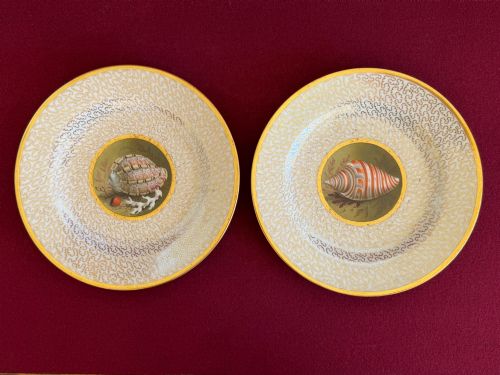
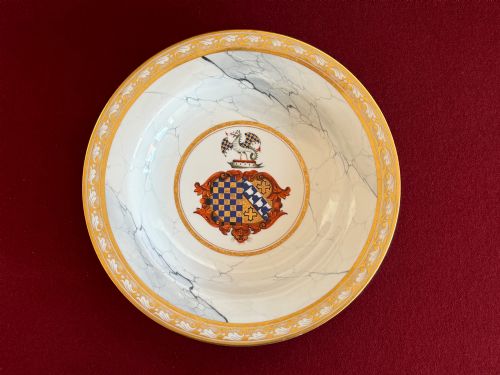
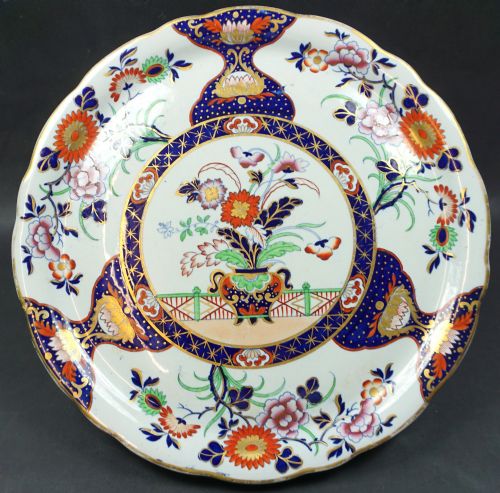
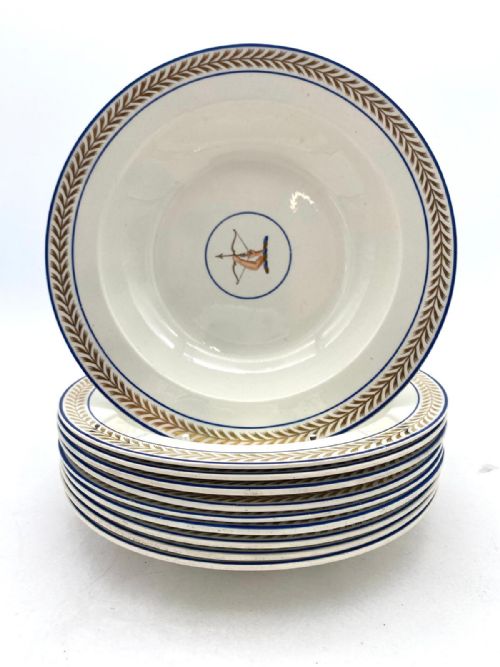
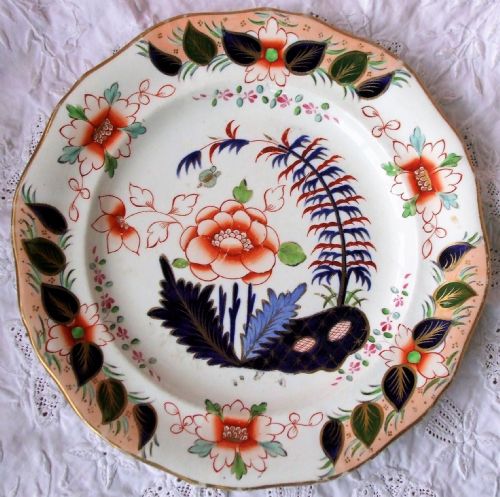
Georgian english porcelain plates bring hand-painted botanicals, armorial crests, and vibrant Chinoiserie motifs directly to the table.
Georgian English Porcelain Plates
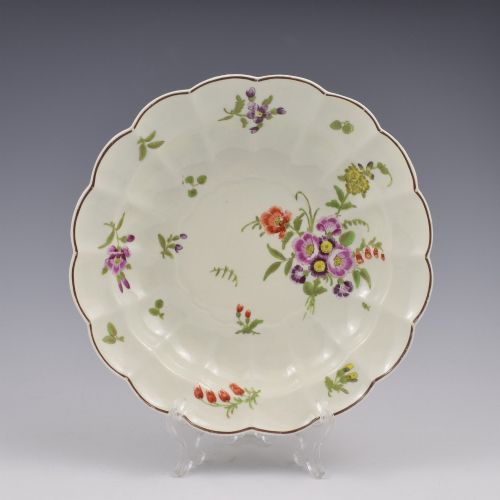
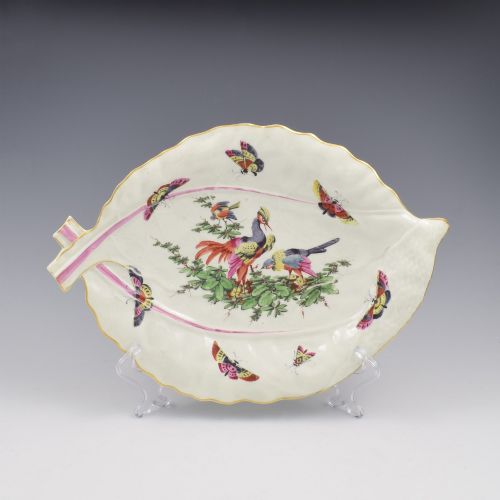
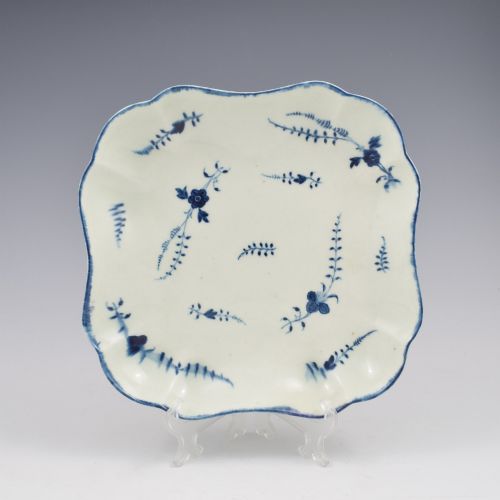
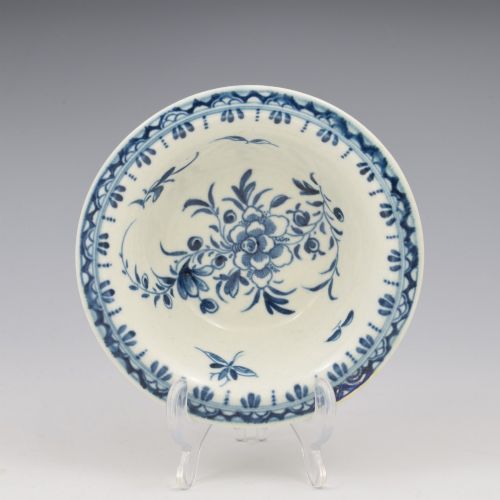
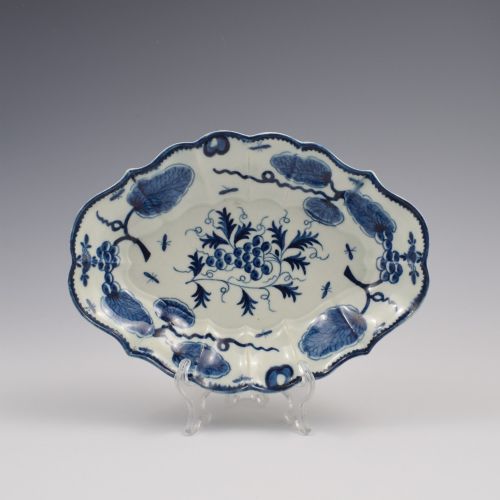
Georgian english porcelain plates encompass formal cabinet pieces, serving dishes, and dessert services made across the eighteenth and early nineteenth centuries. Buyers encounter early Worcester leaf dishes alongside Regency botanical plates and transfer-printed ironstone.
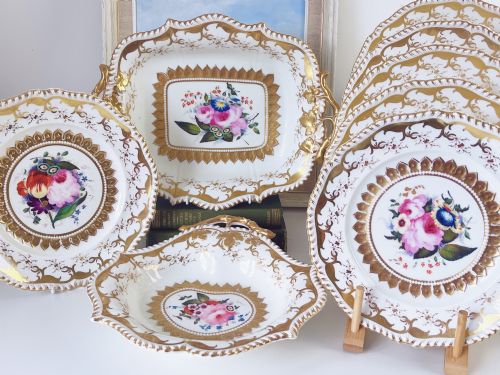
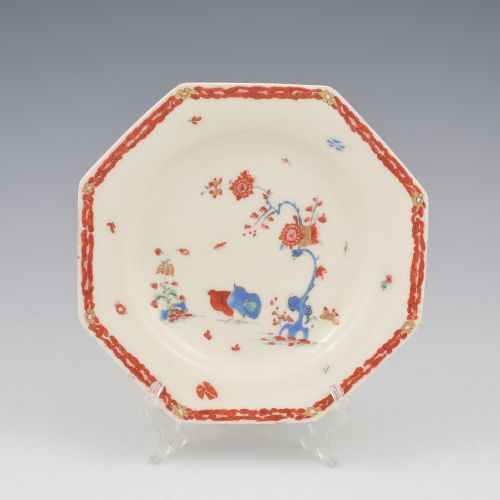
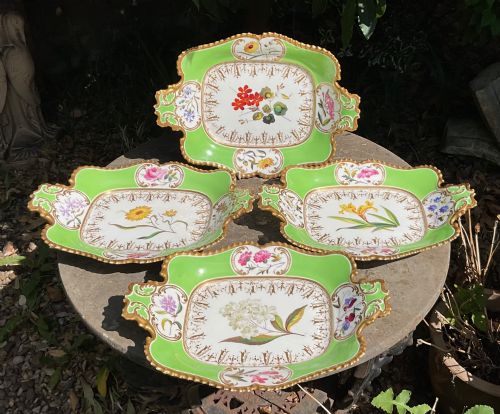
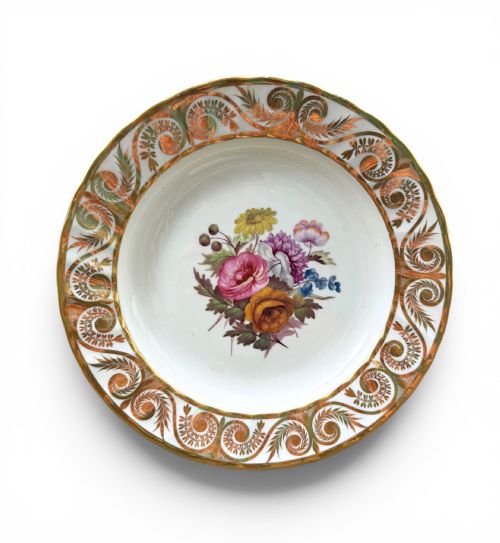
The selection ranges from mid-eighteenth-century Bow octagonal plates to comprehensive services produced by factories such as Derby and Chamberlain's Worcester. Dessert plates and soup plates dominate the forms, frequently featuring hand-painted floral arrangements or armorial bearings.
Materials and Technique
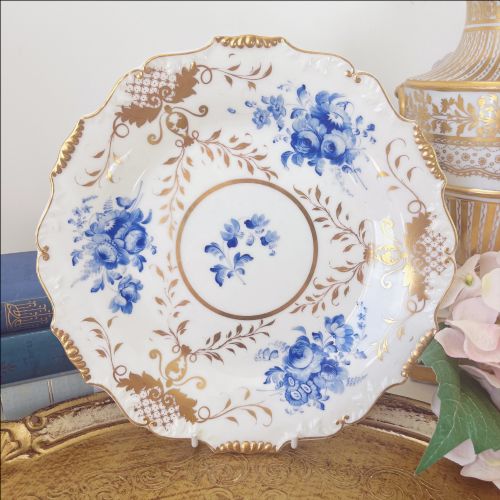
Potters utilised soft-paste porcelain and bone china bodies, shaped on wheels or pressed into moulds to create lobed dessert dishes and octagonal plates. Glazes were applied by hand before high-temperature firing fixed the underglaze cobalt blue designs.
Enamel colours, gold leaf, and gilding were added in subsequent low-temperature enamelling kilns. Talented painters executed intricate botanical studies and Japanese-inspired patterns over these prepared surfaces.
Listings feature items from the eighteenth and nineteenth centuries, including soft-paste porcelain, enamel, and gold leaf.
Standards of Craftsmanship
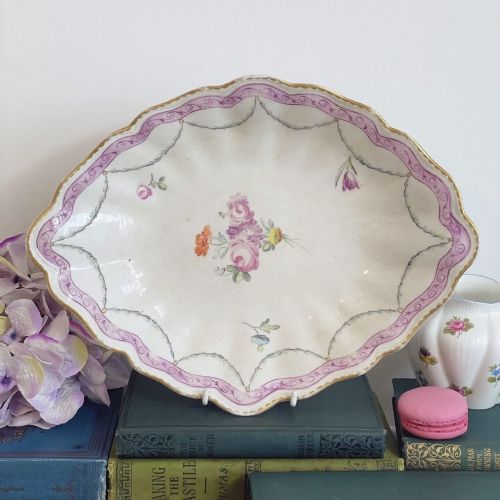
Quality rests primarily on the crispness of the moulded form and the skill evident in the hand-painted brushwork. Finer pieces display meticulously rendered polychrome flowers and precise gilding rather than repetitive factory output.
The sophistication of the enamel palette and the retention of original gold leaf distinguish superior cabinet plates from standard utilitarian wares.
Barr Flight and Barr·H and R Daniel·Grainger Lee and Co·Dr Wall Worcester·Chamberlains Worcester·Hicks and Meigh·John Davenport·Bloor Derby·Spode·Minton·Coalport·Caughley
The Georgian English Porcelain Plates Glossary
- Armorial
- Bearing a heraldic coat of arms or crest. These bespoke plates were commissioned by prominent families.
- Soft-paste porcelain
- An artificial ceramic body fired at lower temperatures than hard paste. It possesses a warm, slightly creamy translucency.
- Chinoiserie
- European artistic interpretations of Chinese and East Asian decorative motifs. Designers utilised fantastical landscapes and dragons.
- Kakiemon
- An asymmetric Japanese porcelain style featuring distinct enamels such as iron red and turquoise. British factories frequently copied these patterns.
- Transfer printing
- A mechanical method of applying an engraved design onto ceramic using a paper tissue. This technique lowered production costs for blue and white wares.
Georgian English Porcelain Plates: Frequently Asked Questions
What defines a georgian english porcelain plate?
These pieces originate from the Georgian and Regency eras, combining functional dining forms with artistic hand-painting. They reflect the high technical ambitions of early British ceramic factories.
Craftsmen decorated them with botanical studies, armorial crests, and imported Asian motifs using refined soft-paste porcelain and enamel colours.
How were these plates used originally?
Wealthy households employed them during elaborate multi-course dinners and formal dessert services. Plates showcased seasonal fruits and sweets at the conclusion of a meal.
Cabinet plates served a purely decorative function, displayed on walls or within glass-fronted furniture to demonstrate social standing.
How do I identify different factory periods?
Examine the base for painted marks, incised signs, or factory ciphers under a magnifying glass. Different periods used specific blue or gilt signatures to denote ownership.
Stylistic shifts also help date the pieces, moving from rococo leaf moulds in the eighteenth century to neoclassical botanical borders in the nineteenth.