


Antique Porcelain Shell Dishes
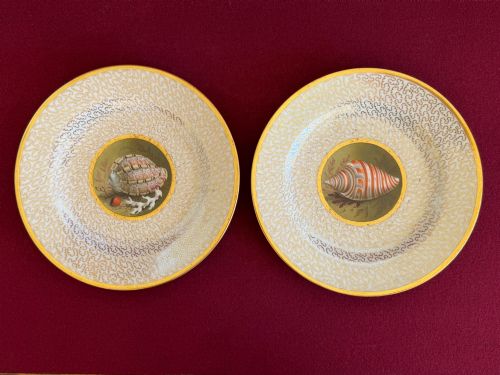
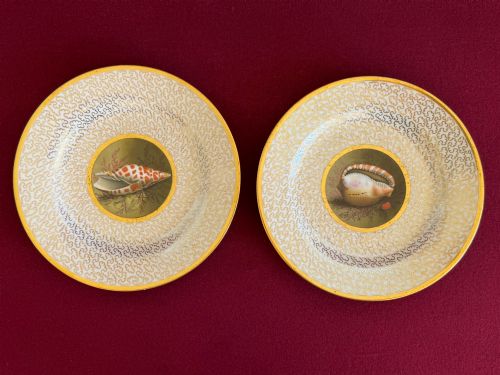
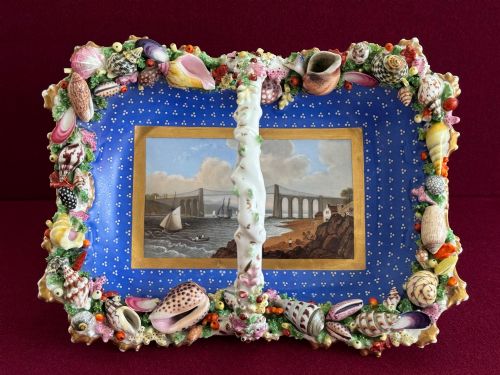
Antique porcelain shell dishes bring coastal form to eighteenth and nineteenth-century dining tables through moulded bowls, comports and centrepieces.
Antique Porcelain Shell Dishes
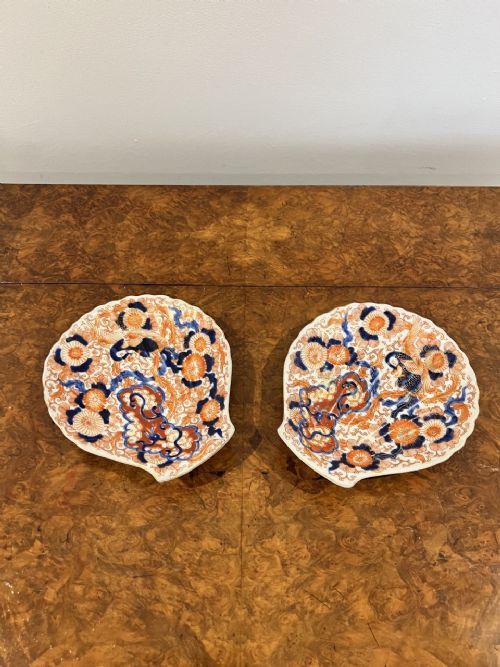
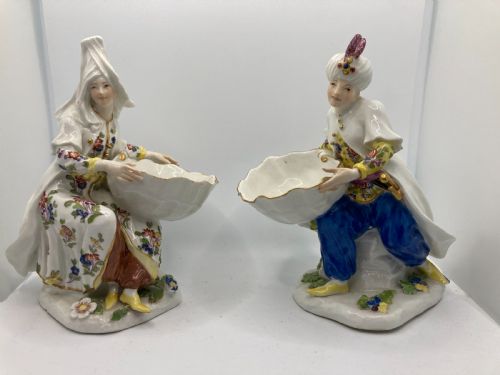
When you search for antique porcelain shell dishes, you encounter serving vessels and table ornaments shaped like scallops, clams and marine bivalves. These pieces range from eighteenth-century English pickle dishes and sweetmeat stands to nineteenth-century Japanese Imari plates and large European figural centrepieces.
English factories such as Worcester and Derby dominate the domestic side of this category, producing soft-paste and hard-paste shell plates for dessert courses. Continental makers and Japanese kilns supply alternative interpretations, spanning everything from delicate hand-painted motifs to bold cobalt and iron-red Imari palettes.
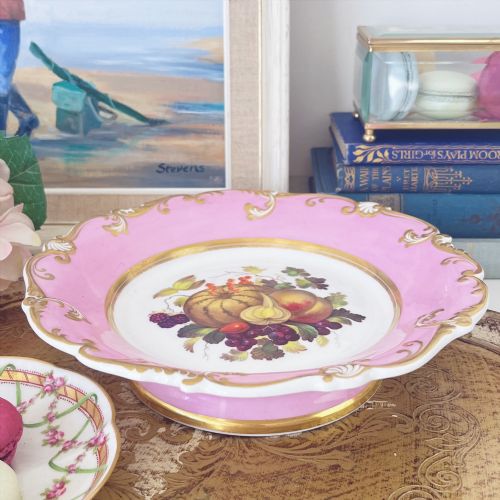
The form adapts easily to various functional types, appearing as footed comports, tazzas, vide poche figurines, and baskets. On this page, you meet examples stretching from the mid-eighteenth century through the Georgian, Victorian, and Edwardian periods.
How they were made
Makers utilised moulds taken from actual marine shells to capture the realistic ribs, flutes and hinge details of natural bivalves. Soft-paste and hard-paste porcelain body mixtures were pressed into these plaster or metal moulds before undergoing high-temperature kiln firing.
Glazing and decoration followed the initial shaping, incorporating hand-painted enamels, gilding, and transfer printing. Many English and European pieces received rich applications of gold leaf and delicate floral sprays, while Japanese wares employed traditional underglaze blue and overglaze iron-red pigments.
Listings include examples spanning from eighteenth-century soft-paste porcelain sweetmeat stands to Edwardian Royal Dux figural centrepieces.
What varies in quality
The crispness of the moulding dictates the initial visual strength of the piece, separating sharp, naturalistic shell forms from worn or softened recast versions. Finer examples retain deep, defined ribs and clean edges without the distortion that can occur during kiln firing.
Hand-painted artistry creates the primary distinction in value across the range. Superior pieces exhibit precise brushwork in floral sprays and figural scenes, whereas lower grades rely on simpler transfer prints or heavier, less controlled enamel applications.
Barr Flight and Barr·Chamberlain Worcester·H and R Daniel·Royal Worcester·Royal Dux·Meissen·Old Derby
The Antique Porcelain Shell Dishes Glossary
- Sweetmeat stand
- A small dish or tiered vessel used for serving confectionery, nuts or preserved fruits during dessert courses. These often take delicate shell or marine configurations.
- Comport
- A raised footed dish or bowl designed for serving fruit or sweets at the centre of a dining table. They frequently stand on pedestal bases or figurative supports.
- Pickle dish
- A small, shallow utility dish created in the eighteenth century for serving pickles and relishes. Shell motifs remained a popular choice for these small table elements.
- Imari
- A style of Japanese export porcelain characterised by a palette of underglaze blue, iron-red, and gold. This decorative scheme heavily influenced European makers.
- Soft-paste porcelain
- An artificial porcelain composition fired at lower temperatures than hard-paste porcelain. It produces a warm, glassy texture common in early English factory production.
Antique Porcelain Shell Dishes: Frequently Asked Questions
How were shell dishes used?
These pieces served functional roles during formal eighteenth and nineteenth-century dining, primarily holding sweetmeats, fruits, pickles or small condiments at the table. Larger sculptural versions acted as decorative centrepieces or vide poche trays in drawing rooms.
Over time, their domestic use shifted toward display cabinetry and sideboard decoration as dining customs evolved away from elaborate multi-course dessert services.
How do I identify First Period Worcester?
First Period Worcester pieces date between the mid and late eighteenth century and typically feature soft-paste porcelain bodies with characteristic glaze pooling and underglaze blue painting or early enamel palettes. Look closely at the foot rims and glaze finish for the characteristic signs of early English manufacture.
Many pieces carry crescent marks, square seal marks, or painted letters beneath the glaze, though some unmarked examples rely entirely on paste quality, form, and stylistic execution for attribution.
What is Japanese Imari?
Japanese Imari ware originates from the Arita area during the Edo period, utilising a distinct colour palette combining underglaze cobalt blue with vibrant iron-red and gold highlights. The style proved immensely popular in Europe, prompting numerous English and continental factories to produce direct imitations.
These pieces feature dense geometric and floral panels, often adapted to moulded shell and fan shapes to satisfy Western export demands for exotic tablewares.
How should I care for antique porcelain?
Display porcelain away from direct sunlight to protect hand-painted enamel colours and delicate gold leaf highlights from fading over time. Ensure shelves or display cabinets are stable and free from vibration to protect fragile edges and raised handles.
Wash pieces by hand using lukewarm water and mild soap only when necessary, avoiding dishwashers and harsh abrasive sponges that can scratch the soft historical glaze.