


Flight Barr Worcester Plates
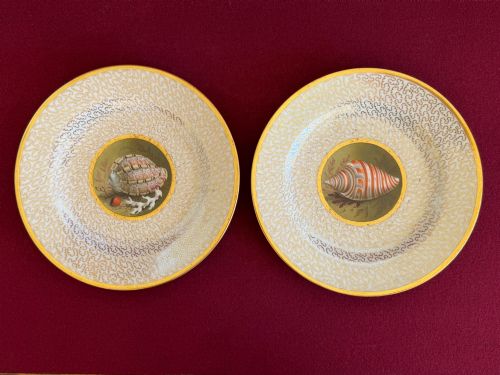
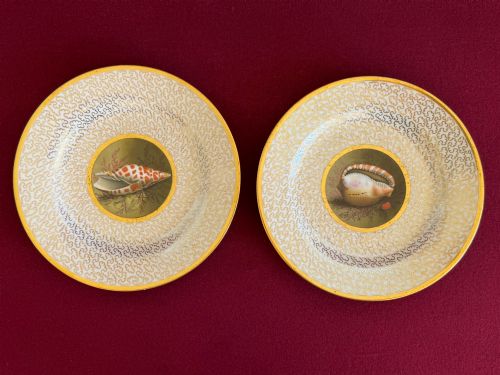
Flight barr worcester plates are fine porcelain tableware from the Georgian and Regency periods, prized by collectors for their hand-painted enamel and gold gilding.
Flight Barr Worcester Plates
Flight barr worcester plates encompass decorative plates, cabinet plates, and dessert dishes originating from the early nineteenth century. These pieces bridge the Georgian and Regency eras, reflecting the refined tastes of their period.
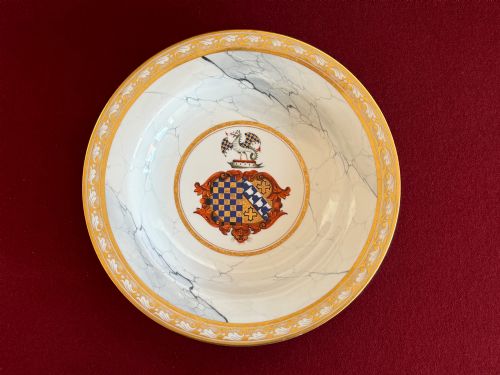
The pieces listed on this page include armorial designs, topographical scenes such as Binstead Cottage on the Isle of Wight, and specific motifs like dragon in compartments and butterfly decorations. Collectors will find both pairs and individual plates representing this distinct manufacturing epoch.
How they were made
Makers utilised porcelain as the primary body for these items, shaping them into plates and dishes intended for display or dining. The ceramic body provides a smooth, white ground suitable for detailed artistic embellishment.
Artisans applied hand-painted enamel colours and gold leaf or gold gilt to the porcelain surface. Specific pieces received specialised decoration by named painters such as Samuel Astles, combining intricate brushwork with metallic highlights.
Materials recorded across the inventory include porcelain, enamel, gold leaf, and gold gilt applied in various decorative patterns.
What varies in quality
The distinction between standard service wares and top-tier pieces rests on the complexity of the hand-painted decoration and the presence of specific armorial or topographical subjects. Superior examples feature detailed narrative scenes or intricate Chinoiserie patterns rather than simple borders.
The application and preservation of the gold gilt and enamel work also determine quality within this category. Intact, burnished gilding and vibrant, undamaged polychrome enamels elevate the status of a plate among collectors.
Barr Flight and Barr·Flight Barr and Barr·Samuel Astles
The Flight Barr Worcester Plates Glossary
- Cabinet plate
- A decorative plate intended for display in a cabinet rather than for dining use. These often feature elaborate painted scenes or rich gilding.
- Armorial
- A design incorporating a coat of arms or heraldic insignia. Plates bearing these motifs were usually commissioned by landed families.
- Enamel
- Opaque vitreous material fused to the porcelain surface through firing to create colourful painted designs. It provides a durable and glossy finish.
- Gilt
- A thin layer of gold applied to the porcelain surface for decorative effect. It is often burnished to achieve a bright metallic shine.
- Chinoiserie
- A decorative style reflecting European interpretations of Chinese and East Asian artistic traditions. It frequently appears on Regency period ceramics.
Flight Barr Worcester Plates: Frequently Asked Questions
What periods do these plates date from?
The pieces available date primarily from the Georgian and Regency eras, spanning the early nineteenth century around eighteen hundred to eighteen twenty.
This timeframe captures the distinct manufacturing periods associated with the Worcester factory under the Flight, Barr, and Barr partnerships.
Were these plates used for dining?
Many examples function as cabinet plates or dessert plates intended for display or light service in wealthy households. Armorial and topographical designs were often commissioned to showcase family status or travels.
Their survival in good condition suggests many spent more time displayed on sideboards or in cabinets than in heavy daily use.
How do I identify the manufacturer?
Makers are typically identified through factory marks applied to the reverse of the porcelain, alongside characteristic painting styles and patterns.
The partnerships involving the Flight and Barr families produced specific variations in script and crown marks during the early nineteenth century.
What motifs appear on these plates?
Common decorative themes include oriental dragon patterns, butterfly subjects, armorial crests, and hand-painted topographical views.
Artists also utilised Regency Chinoiserie styles and elaborate gold gilt borders to enhance the visual appeal of the porcelain body.